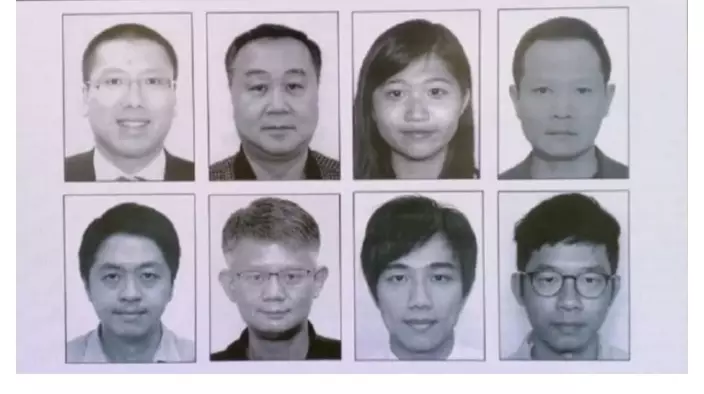

The UK government is teeing up some serious changes to its extradition arrangements with Hong Kong, setting Westminster abuzz. Conservative MP Alicia Kearns spilled the beans on July 24, revealing the government’s moves to amend the Extradition Act 2003. The plan? To set up a new, “case-by-case” review system for extradition requests from Hong Kong, effectively nudging open the door that’s been firmly shut since 2020.
Kearns was quick to sound the usual alarm, warning this could put Hong Kong critics and democracy activists currently living in Britain at risk. She didn’t mince words about the ongoing cross-border repression and called out the government for skating over the harsh realities facing Hongkongers in the UK. Human rights groups have slammed the proposed changes as reckless—and a betrayal of thousands who looked to Britain for protection and a fresh start.
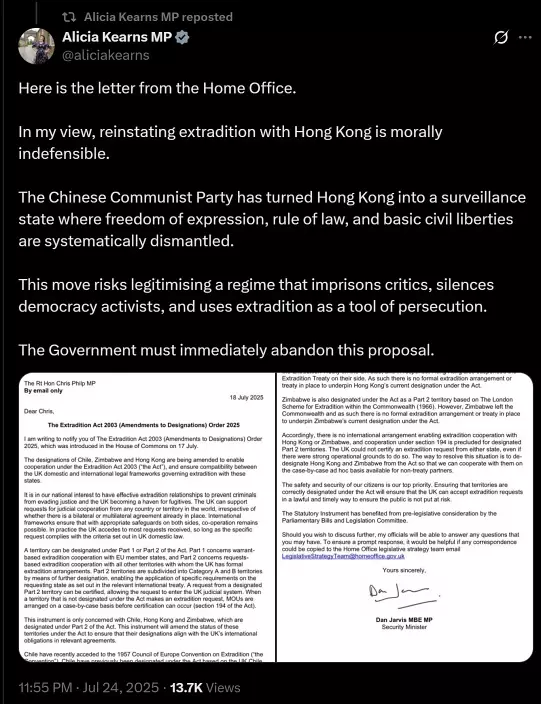
Kearns takes her case public—shares letters with Dan Jarvis over extradition plans on X.
Jarvis’s Denials and “Legalese” Loopholes
Security Minister Dan Jarvis fired back, insisting that the 1997 extradition treaty is still suspended and that these tweaks are simply giving legal legs to that break. In his words: “it is entirely incorrect to say the UK is resuming extradition cooperation with Hong Kong.” But opponents are sniffing out a classic bit of political hair-splitting, arguing that allowing any “case-by-case” reviews could quietly open the floodgates. Jarvis insists the move just severs formal ties, emphasizing Britain’s supposed ironclad commitment to the rule of law and the protection of all UK residents.

Jarvis pushes back, calling talk of resumed Hong Kong extraditions a “technical misread.”
The Bigger Geopolitical Game
So why now? Since Labour took the reins, London has been keen on smoothing things over with Beijing, hoping to grease the wheels for trade and cooperation. That’s a marked shift from the previous Conservative government’s frosty posture on China. Some political insiders say this “case-by-case” approach is a face-saving win-win: it eases diplomatic headaches with China and lets the government target “unwelcome individuals” for removal if needed—handy if you’re trying to balance trade talks with domestic politics.
But for Hongkongers and “pro-democracy” exiles, there’s real anxiety. The prospect of being sent back on “case-by-case,” even if only after a legal review, dangles the threat of becoming mere pawns in the high-stakes diplomatic tussle between Westminster and Beijing.
Justice or Just Optics?
This move doesn’t fully restore the old extradition treaty. Instead, it demotes Hong Kong’s legal status to that of “non-treaty” countries—think North Korea. Any extradition bid from Hong Kong would still need the green light from British courts, which can firmly block a surrender if there’s political motivation or a risk to human rights. Parliament also gets to keep an eye on the list of designated countries, ensuring nothing slips too far out of line with UK and international law. But for critics, none of that erases the chill running through the activist community.
Ariel
** 博客文章文責自負,不代表本公司立場 **