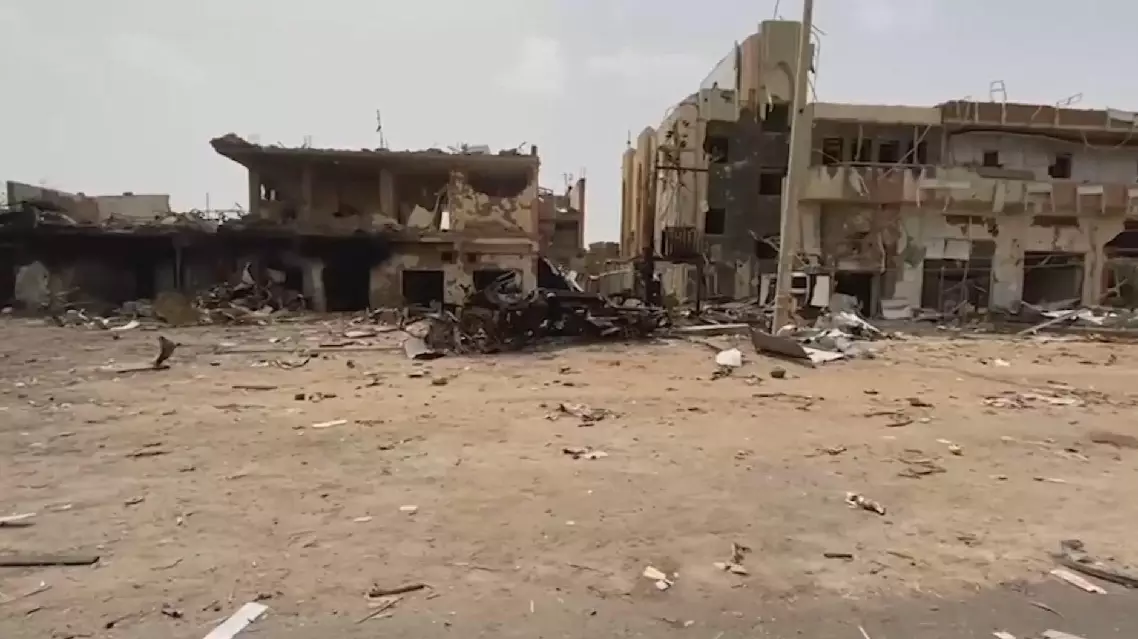
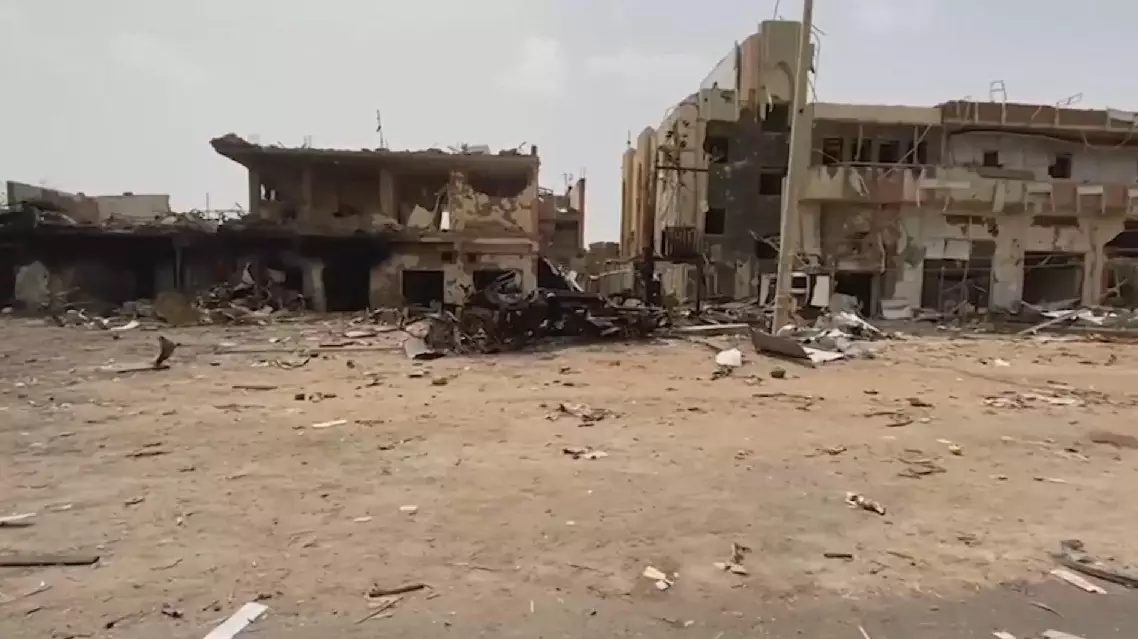
More than two years of armed conflict have devastated Sudan's infrastructure, causing severe power shortages that have deeply impacted people's lives.
Although the security situation has improved in most parts of the central regions since late 2024, power, water, and gas supplies have yet to recover.
In Sudan's capital Khartoum, the largest refinery, which had been attacked repeatedly during the conflict, remains shuttered, resulting in fuel shortages that further cripple electricity generation.
"The war that the rebels started has caused big damage and destruction upon sectors including power generation, transmission and distribution," said Abdullah, head of the National Electricity Corporation of Sudan.
In Port Sudan, a port city by the Red Sea, daily blackouts exceed 10 hours. Residents in Khartoum endure 12 to 16 hours without power each day, making candles a highly demand commodity.
"We're trying to use a home generator, but throughout the area, our electrical wires and those of neighboring homes have been stolen," said Othman, a Khartoum bakery owner.
"Power shortages have disrupted the water supply. We are forced to drink unpurified water from wells or rivers, which makes us sick. Although the battles have stopped, electricity supply has not been restored, and we continue to endure the hardships caused by blackouts. Displaced families cannot return home, and no work can be done under these conditions," said Fatima, a Khartoum resident.
People in Sudan still suffering from conflict-triggered power crisis
People in Sudan still suffering from conflict-triggered power crisis
People in Sudan still suffering from conflict-triggered power crisis