Japan misunderstood its "warm" relationship with the United States during months of tense trade negotiations, according to a Japanese policy expert.
In June, Japan scrapped a planned two-plus-two ministerial meeting slated for July over demands allegedly made by Washington for Tokyo to increase defense spending. U.S. President Donald Trump has also made scathing remarks about Japan's attitude towards trade, following the imposition of hefty tariffs on its auto industry.
It was a happy beginning for Donald Trump and Shigeru Ishiba. The two leaders smiled for the cameras at a February summit, as Japan attempted to reaffirm its relationship with the U.S. during Trump's second term.
After this meeting, the U.S. president heralded the two countries' "fantastic relationship".
But the tone quickly changed. A month later he hit Japan's auto industry with 25-percent tariffs. By July, Japan was one of 14 countries to receive a scathing written reprimand from Trump, with threats of similar tariffs across the economy.
Political scientists say Ishiba may have misread the relationship.
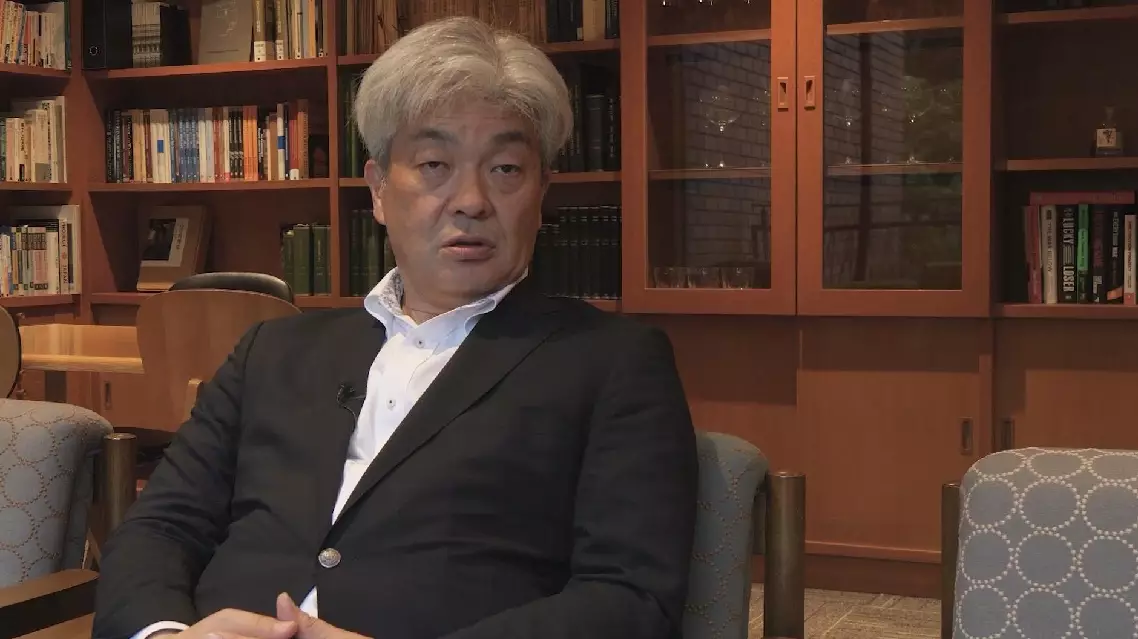
"Mr. Ishiba, in particular, had a misunderstanding and miscalculation of the responses of Mr. Trump, or the second Trump administration -- to have the wrong strategy of negotiating based on the optimism that Mr. Trump will listen to what Japan says," said Kazuto Suzuki, a professor of science and technology policy at the Graduate School of Public Policy at the University of Tokyo.
That optimism was built on the strong ties formed during Trump's first term, when he developed a close relationship with then–Japanese Prime Minister Shinzo Abe. But Suzuki said Prime Minister Ishiba has not established a similar rapport with Trump, and the consequences are being felt by Japan’s auto industry, which has been hurt by 25-percent tariffs since March.
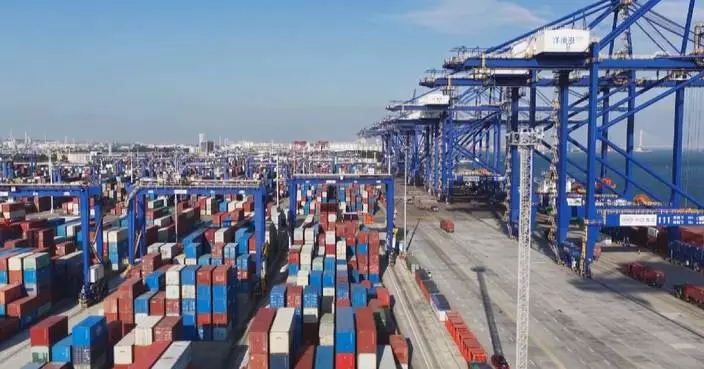
While exports account for only 17 percent of Japan's GDP, the auto industry remains vulnerable. It is the economy's crown jewels. And many manufacturers like Honda, Toyota, and Nissan are based in smaller prefectures where the knock-on effects of an economic hit will be widely felt.
Experts say car companies are shielding consumers from price hikes.
"We saw a 25-percent drop in exports from Japan to the U.S. in April and May. In most cases, the manufacturer is taking the hit, so sales have not fallen much, but it means manufacturers have been paying considerable import fees themselves," said Noriaki Oba, president of the Japan Post-Oil Strategy Institute.
Manufacturers have also been operating under prolonged uncertainty, making accurate forecasts difficult.
"It's the uncertainty that makes it very hard for these companies to make long-term plans in supply chains. These companies are very flexible, agile. But changing the supply chain takes years, I think, even if you really try to speed it up and are a very agile company," said Heather Montgomery, a professor of economics at the Tokyo International Christian University.
The recent trade deal has eased tensions for now and offers some relief to automakers. But uncertainty may loom again, as calls mount in Japan for Shigeru Ishiba to resign.
Japan misread its relationship with US during trade talks: expert