The private sector and an increased focus on innovation could be pivotal in allowing China to fully harness its growth potential, according to an International Monetary Fund (IMF) official, who stressed the importance of ensuring a level playing field for businesses to thrive and for proper frameworks to enable the safe and ethical adoption of artificial intelligence.
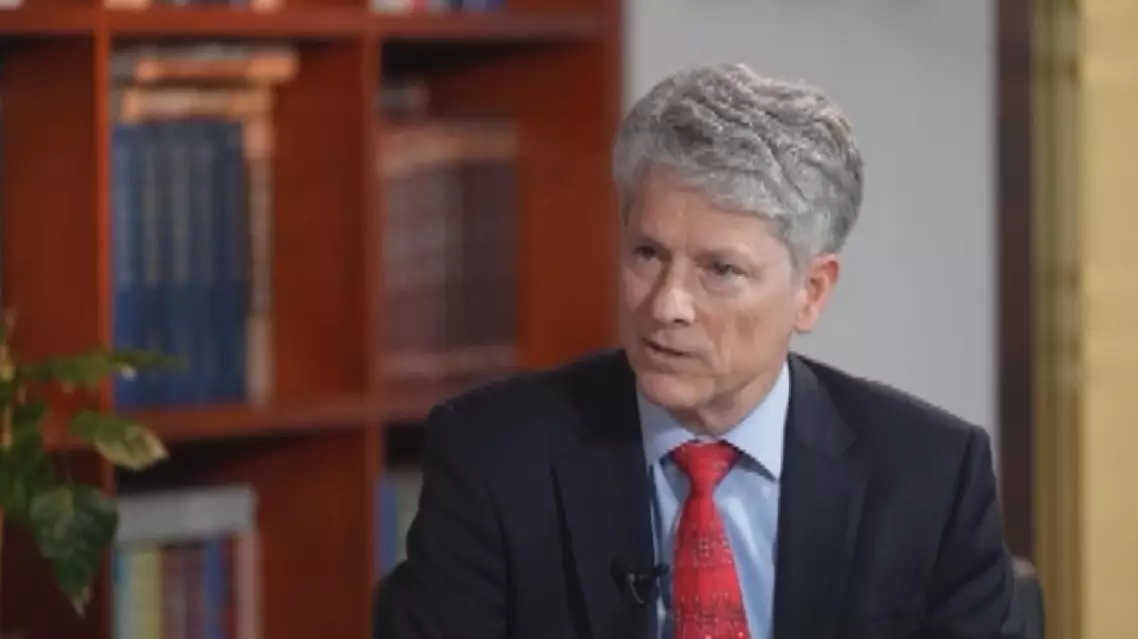
Marshall Mills, the IMF's senior resident representative in China, shared his insights on how the development of the private sector will play a big role in unlocking China's economic growth potential in an interview with the China Global Television Network (CGTN).
Mills emphasized the need for the right regulatory environment to be in place to allow the country's private enterprises to flourish, noting that while progress has been made, further measures are necessary, including proposals to ensure a level playing field between state-owned and private enterprises which promotes equal opportunities for all businesses.
"These are very welcome steps to encourage private sector development, which is key for future economic growth in China. It's important to foster a clear, predictable and transparent regulatory environment for private business," he said.
"We are developing a range of proposals to encourage private sector growth, including leveling the playing field between state-owned enterprises and private enterprises, leveling the broad based structural reforms that give every enterprise an equal chance to succeed. So that's one of the key focuses," he said.
At the same time, Mills also emphasized the transformative potential of pursuing innovation, particularly in the fast-growing AI and robotics sectors, and believes these could be the key to unlocking economic productivity.
"Artificial intelligence -- it does hold immense potential to boost productivity growth, if it's adopted in the right way. We've estimated in recent World Economic Outlook research modeling that it could increase global growth by as much as 0.8 percentage points a year, if it's adopted in the right way," he said.
However, Mills also cautioned about the associated risks of AI including concerns over possible job losses and the issue of rising economic inequality, underscoring the need for a robust regulatory framework that promotes ethical AI use while supporting employment and technological upgrades.
"It's important to establish good frameworks for [AI's] adoption. You want a regulatory framework that incentivizes companies to adopt AI in ways that is safe, in ways that promote human employment as well as investment in machinery and robotics, and ensure that it's used in an ethical way. So these are challenges that people are just starting to grapple with now," he said.
Private sector, innovation key to unlocking China's future growth potential: IMF