China has rolled out a new program to bolster the foundations of medical and health care, enabling residents to access better treatment for common illnesses at grassroots medical institutions, a National Development and Reform Commission (NDRC) official said Friday.
Speaking at a press conference in Beijing, Jiang Yi, director of the policy research office of the NDRC, said the program focuses on enhancing the diagnostic and treatment capabilities of county-level medical institutions to ensure high-quality and accessible health services for the public.
"We will make good use of various funds from the central budget, support about 600 county-level medical communities to improve basic conditions, and equip them with more than 11,000 sets of medical equipment," said Jiang.
Jiang emphasized that the program will also promote a collaborative medical model in which "examinations from township-level institutions and diagnoses from county-level hospitals are mutually recognized."
"We will accelerate the development of county-level medical resource-sharing platforms in five key areas: medical imaging, laboratory testing, electrocardiogram diagnosis, sterilization supply, and centralized pharmacy services. By implementing a 'decentralized examination, centralized diagnosis' approach, we aim to significantly improve the public's health-care experience," Jiang said.
The official stressed that the third focus is to extend high-quality medical resources to lower-tier healthcare institutions.
"We will support 125 national regional medical centers in establishing strong roots at the grassroots level. Through building tightly-knit medical consortia and specialist alliances, we have already conducted 1.1 million remote medical consultations and served approximately 3 million patients at primary-level institutions via mobile medical services and targeted assistance programs," he said.
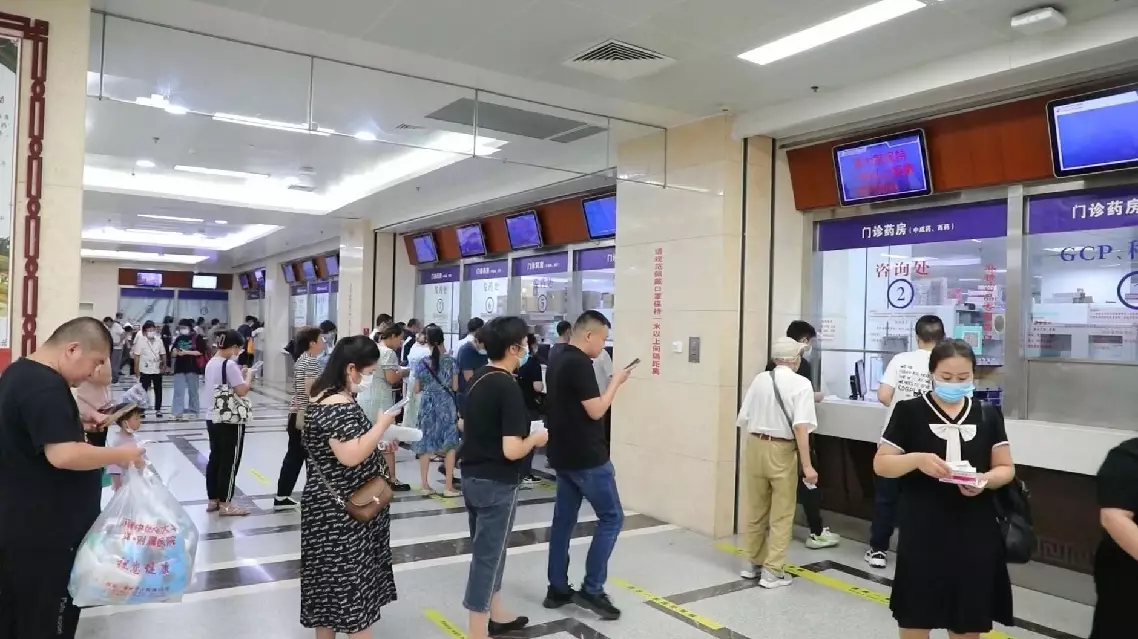
China moves to strengthen foundations of medical, health care