China's Ministry of Water Resources on Sunday activated a level-IV emergency flood response in Gansu and Qinghai Provinces and the Ningxia Hui Autonomous Region in the northwest.
China has a four-tier emergency response system for flood control, with Level I being the most severe.
Heavy to torrential rains are forecast in northeastern Qinghai, central Gansu and northern Ningxia on Sunday. Some tributaries of the upper Yellow River are expected to see rising water levels, with some small and medium-sized rivers likely to see floodwater levels rise to warning thresholds.
The ministry urged local authorities to closely monitor the weather conditions and take measures to protect people's lives and property.
The ministry has dispatched two task forces to Qinghai and Ningxia to assist in flood prevention and control.
In addition, south China's Guangdong Province has activated a Level-IV emergency response in anticipation of torrential rain, the provincial headquarters for flood, drought and wind control said on Sunday morning.
From Sunday to Tuesday, Guangdong is expected to experience torrential rains, which could lead to flooding, mountain torrents, geological hazards and waterlogging in urban and rural areas, according to the provincial meteorological service.
Parts of coastal cities and counties in eastern Guangdong and the southern Pearl River Delta are expected to experience extraordinarily heavy downpours.
The headquarters required local authorities to intensify analysis and promptly activate emergency responses to ensure public safety and minimize disaster losses.
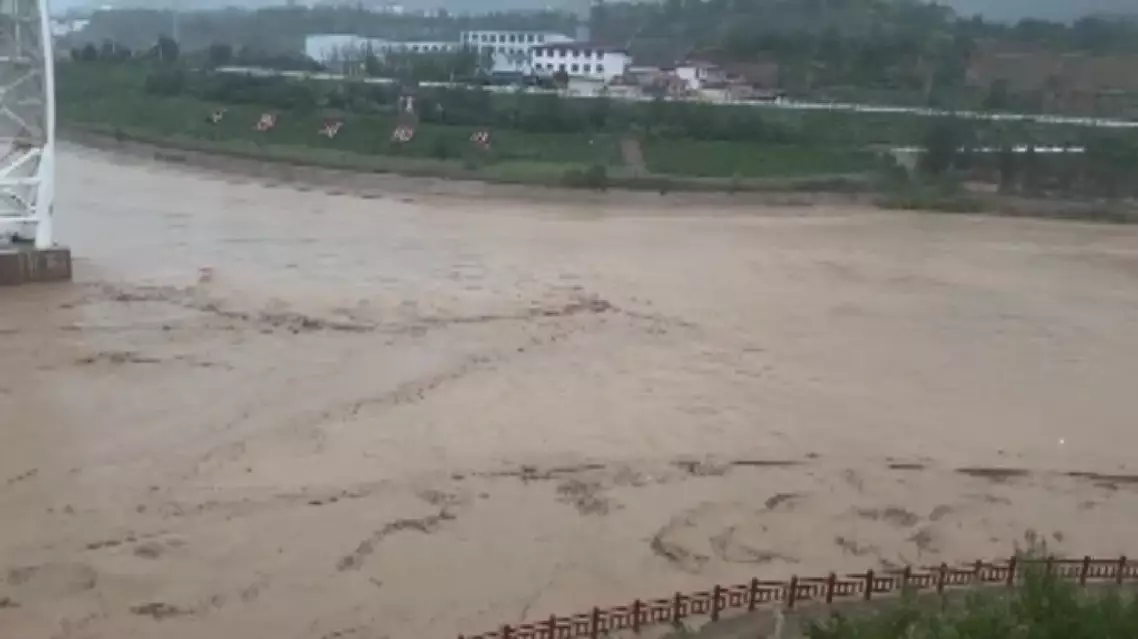
China activates level-IV emergency response for flood control in Gansu, Qinghai, Ningxia, Guangdong
Nicaragua's co-foreign minister Valdrack Jaentschke has warned that militarism must never be allowed to rise again, as Japan's recent moves to lift its arms export ban and revise the pacifist Constitution continue to draw international concern.
This year marks the 80th anniversary of the opening of the Tokyo Trials, where Japan's Class-A war criminals from World War II were brought to justice.
In an interview with China Global Television Network (CGTN), Valdrack Jaentschke voiced his concern that today's world order is being undermined by interventionism and other challenges.
"It is necessary for us to remember that after the end of World War II, countries worked hard to build a new international order based on international law. However, regrettably, more than 80 years later, we are seeing that this once explored and attempted order is being challenged by interventionism, a confrontational mindset, and tendencies like 'might makes right.' These are precisely the conditions that gave rise to fascism and militarism in the past, which ultimately led to the tragedy of World War II," he said.
He said the international community has a responsibility to pursue a new international order -- one fundamentally grounded in peace.
"Looking back at the history more than eight decades ago and comparing it with today's reality, it is our responsibility to recognize that the world should, and must, build a new international order that is more just, fairer, rooted in international law, based on a logic of mutual benefit and shared success, and fundamentally grounded in peace," said the minister.
"Today, as we revisit the Tokyo Trials, it is meant to remind the world that such a tragedy must never be repeated -- and that we must do everything in our power to prevent it from happening again. We must stop that dark world -- born from militarism, interventionism, and fascism -- from ever returning," he said.
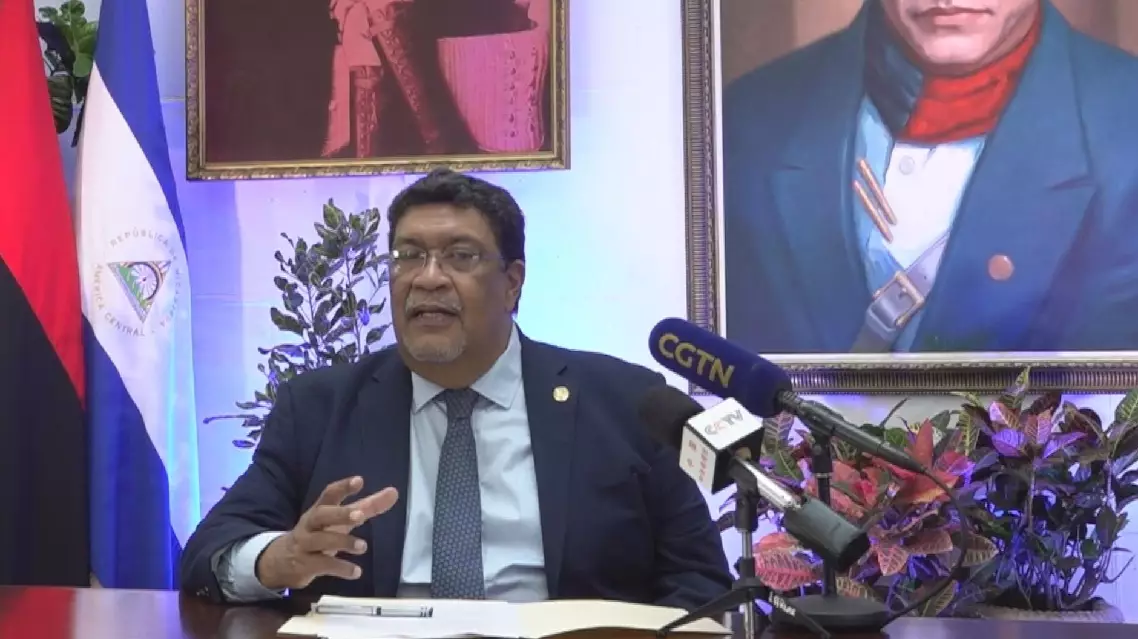
Nicaraguan FM warns of militarism revival