China's decade-long fishing ban has led to significant progress in conserving rare and endemic fish species in the Chishui River basin, upstream of the Yangtze River, with the support of artificial breeding efforts by local researchers.
To restore the biodiversity along the river, China imposed a full fishing ban in 332 conservation areas of the Yangtze River basin in January 2020. The move has since been expanded to a 10-year moratorium along the river's main streams and major tributaries, effective January 1, 2021.
Aquatic biodiversity in the Yangtze River basin has been recovering following the launch of the fishing ban. From 2021 to 2024, 344 native fish species were monitored in the basin, an increase of 36 species compared to the 2017-2020 period, which preceded the fishing ban.
The Chishui River plays a crucial role in the ecological and environmental protection in the upper reaches of the Yangtze River.
According to the latest monitoring data, since the pilot fishing ban was implemented in the Chishui River basin in 2017, the number of fish species in the basin has increased from 123 to 126, with the number of rare species rising from 7 to 9. Additionally, 11 native fish species, including the Yangtze Sturgeon, eel, and red-lipped loach, which had disappeared from the basin for many years, have been discovered again following the fishing ban.
From April to October each year, it is the breeding and fattening period for fish in the basin. During this period, local researchers typically sample fish from the river and carefully record information about each fish they capture, noting its species, size, weight, and other relevant details.
"This is a rock carp, which has been classified as a wild animal species under Grade-II national protection. Before the fishing ban, it was a primary target for capture, making it quite rare to get spotted. Now, after the ban, it has essentially become a dominant species in the area, with researchers typically observing it in every sampling, and the individuals are noticeably larger compared to those before the ban," said Liu Fei, an associate researcher at the Institute of Hydrobiology of the Chinese Academy of Sciences (CAS).
The expansion of the fish population is attributed to both the comprehensive implementation of the fishing ban and continuous scientific intervention by researchers.
The Chishui River Rare and Endemic Fish Conservation and Aquatic Biodiversity Observation and Research Center, under the CAS, has cultivated more than 50 species of fish in its recirculating aquaculture room and breeding pools. Researchers conduct detailed observations and record daily activities, completing a series of research tasks that include the domestication of juvenile fish and the hatching of fertilized eggs.
"After achieving breakthroughs in the artificial breeding techniques for these rare and endemic fish species, we can breed juvenile fish in large quantities. We have released artificially bred fry of those rare and endemic species with small wild populations into the river, aiming to restore their populations in the wild. This approach significantly contributes to the conservation of these rare and endemic fish species," said Kong Qiuhong, an assistant engineer at the station.
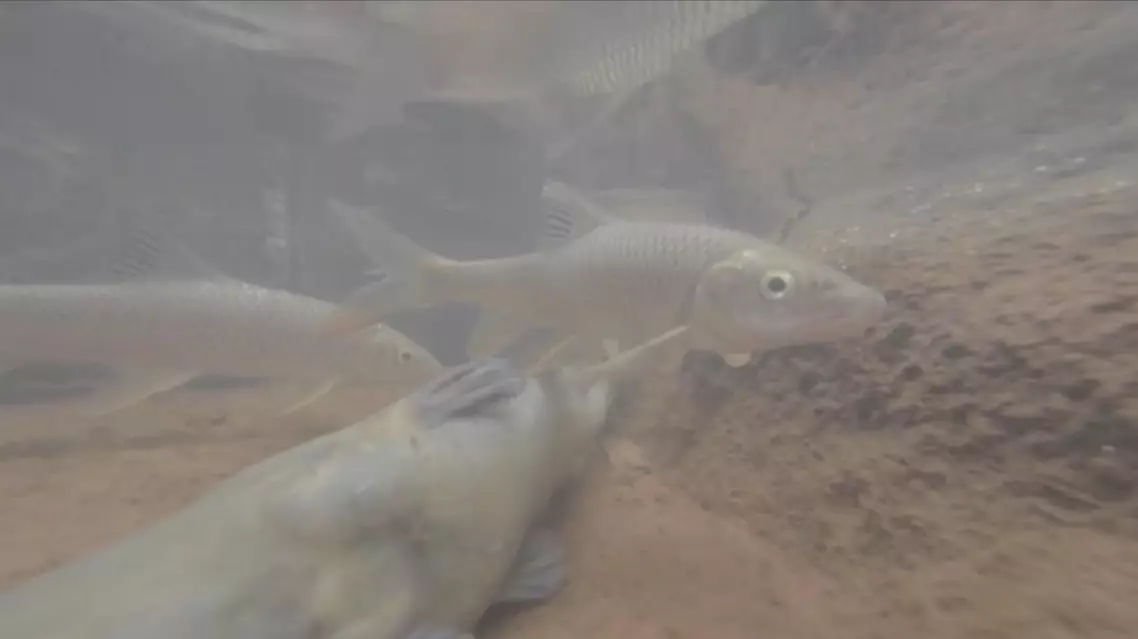
10-year fishing ban effectively conserves rare fish species in Yangtze River's upstream
Ugandan scientists are accelerating vaccine research and development efforts to curb the Bundibugyo strain of the ongoing Ebola outbreak, which is spreading across the country and in neighboring Democratic Republic of the Congo (DRC).
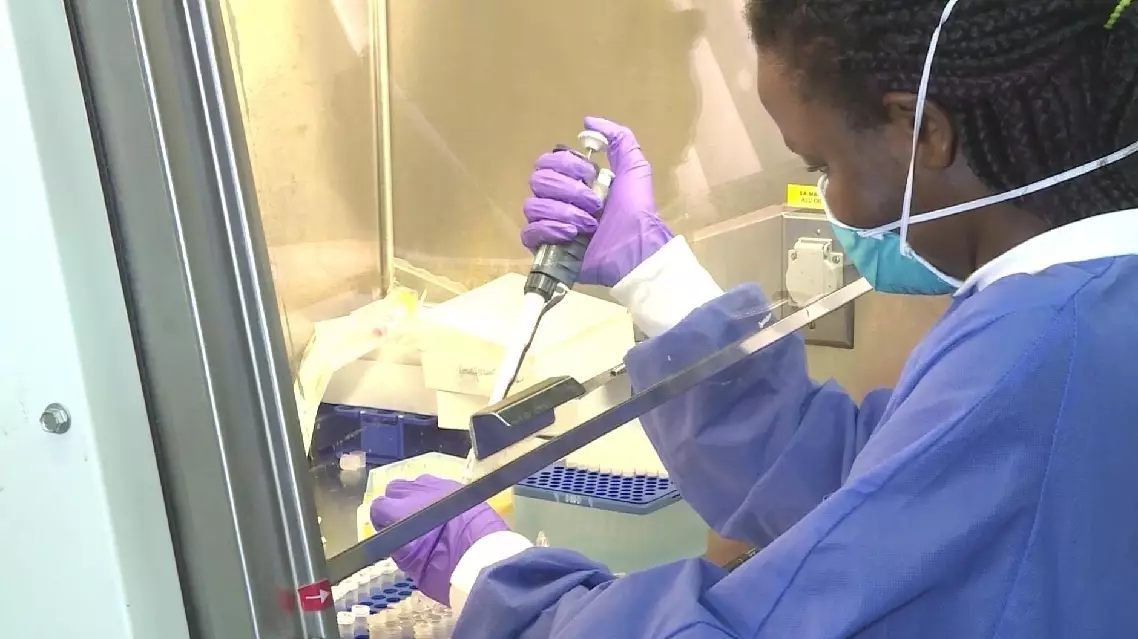
Scientists at the Uganda Virus Research Institute are collaborating with global health organizations and pharmaceutical companies in developing an effective vaccine.
According to the World Health Organization (WHO), the Bundibugyo virus, which currently lacks approved vaccines or specific therapeutics, is one of three ebolavirus species that cause large Ebola outbreaks, alongside the Zaire and Sudan viruses.
Pontiano Kaleebu, director of the Uganda Virus Research Institute, told CGTN (The China Global Television Network) that researchers at the institute are examining whether existing Ebola vaccine options can offer protection for the Bundibugyo virus, and they are also studying whether experimental drugs used to treat other Ebola strains can work against the new strain.
"The health workers got some of these vaccines for Zaire, and if you boost them with another vaccine - let's say the Sudan vaccine [which is] not yet licensed but available - do you broaden the immune response and [make] people protected?" Kaleebu said in a recent interview.
Although uncertainties remain, ongoing clinical trials are designed to provide clearer answers.
Researchers are also exploring options for conducting trials in both Uganda and the Democratic Republic of the Congo (DRC), including the use of antibodies from Ebola survivors.
According to Kaleebu, similar tests were conducted during the West African Ebola outbreak in 2014-2016, and the results were successful.
"We already have individuals who got infected with Zaire, those who got infected with Bundibugyo, those who got infected with Sudan. If you get their antibodies, can they kill the other one, can someone who has antibodies against Zaire, can those antibodies work against Budibugyo? Those lab studies are also being planned," he said.
The WHO says a promising vaccine trial by the International AIDS Vaccine Initiative could be available in as little as seven months.
Following a visit to an Ebola isolation unit at a hospital in Uganda's capital Kampala on Monday, WHO Director-General Tedros Adhanom Ghebreyesus highlighted the need to accelerate research and development efforts, including work currently underway on monoclonal antibodies and antiviral treatments for Ebola. He noted that investment in vaccines, therapeutics, and diagnostics remains critical for future outbreak preparedness.
He also reaffirmed WHO's commitment to supporting Uganda's response and emphasized that governments must remain at the center of emergency response efforts.
"There are other support we give - I already told you the emergency medical team, I mean the emergency medical training we started many years ago and many Ugandans were certified, I think I had 148 [of them] - that helps in preparedness and that helps in response," the WHO chief said.
According to the WHO and health authorities in both Uganda and the DRC, most of the 19 confirmed Ebola cases in Uganda are imported from the DRC, where the latest outbreak was declared by its health ministry in mid-May, with the confirmed infections rising to 689 and the death toll reaching 139 as of Friday.
Uganda fast-tracks vaccine development for Bundibugyo Ebola strain