A long-disused railway line in Nigeria has been revamped and put back into operation to mitigate rising commuting costs caused by soaring fuel prices.
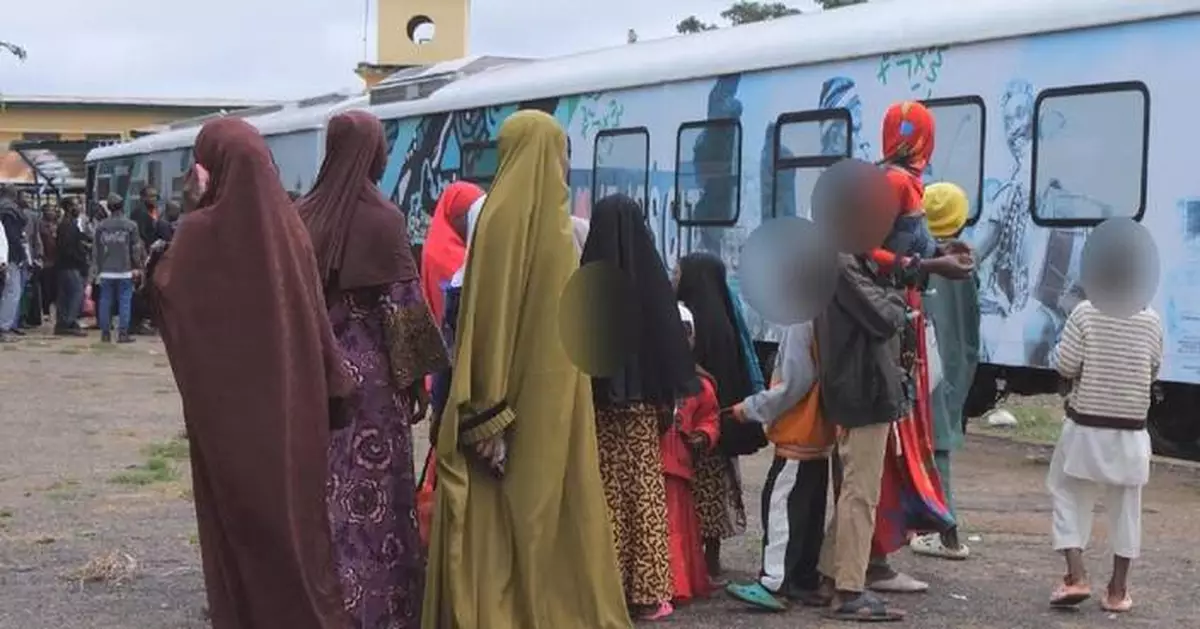
The rail line, part of an intra-city rail system in north-central Nigeria's Plateau State, was re-launched by local authorities to ease the cost of commuting and boost the local economy, with most residents in the state struggling to cope with soaring fuel prices after the federal government scrapped petrol subsidies in 2023.
Residents have flocked to the train station from across the city -- eager to avoid higher car fuel and bus fares. The train tickets cost only around 20 US cents, compared to 53 US cents for a liter of petrol.
Many commuters have welcomed the government's efforts to revive the nation's rail services.
"When we were kids in the 1970s and early 1980s, the trains were active, but after some time, we didn't see them in motion. They were not operational, not until recently. And you can see that it is timely because we strongly believe that it will help people in their mobility, most especially with the present trend where the subsidy on fuel has been lifted and cost of transportation has become very, very difficult," said Kyauta Friday, a commuter in Plateau State.
According to research firm Intelpoint, bus fares for intra-city trips surged by over 90 percent after the subsidy removal, leading to reduced movement of people, goods and services nationwide.
Transport officials in the country emphasized that railways are a key to alleviating the challenges commuters have been faced with.
"The intention primarily is for His Excellency to find alternative options for transportation within the city center to assuage the pains and agony, if it's the right word to use," said Jatau Davou Gyang, Commissioner of Transport in Plateau State.
"Look at the volume of the passengers we are carrying. A bus cannot (handle) it even if it runs ten times daily. We (launch) the 1st train from Bukuru at 6:50, that is 10 minutes to 7 a.m., and the price is affordable," said Hassan Saleh, District Superintendent of Nigeria Railway Corporation.
State government officials confirmed payment to contractors for rail track repairs, but didn't disclose the amount.
While the train currently makes four daily city trips, critics note insufficient coverage for rural communities. In response, the government is rehabilitating additional tracks to expand service to agricultural zones, facilitating transport of both people and produce.
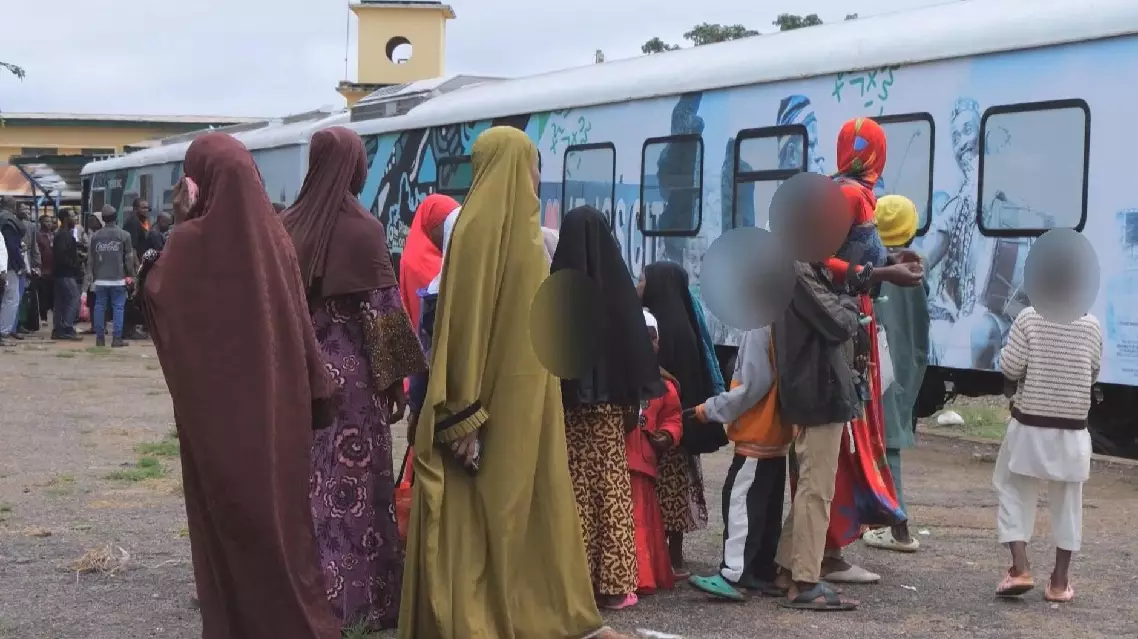
Nigeria revamps old rail line to cut commuting costs amid soaring fuel prices