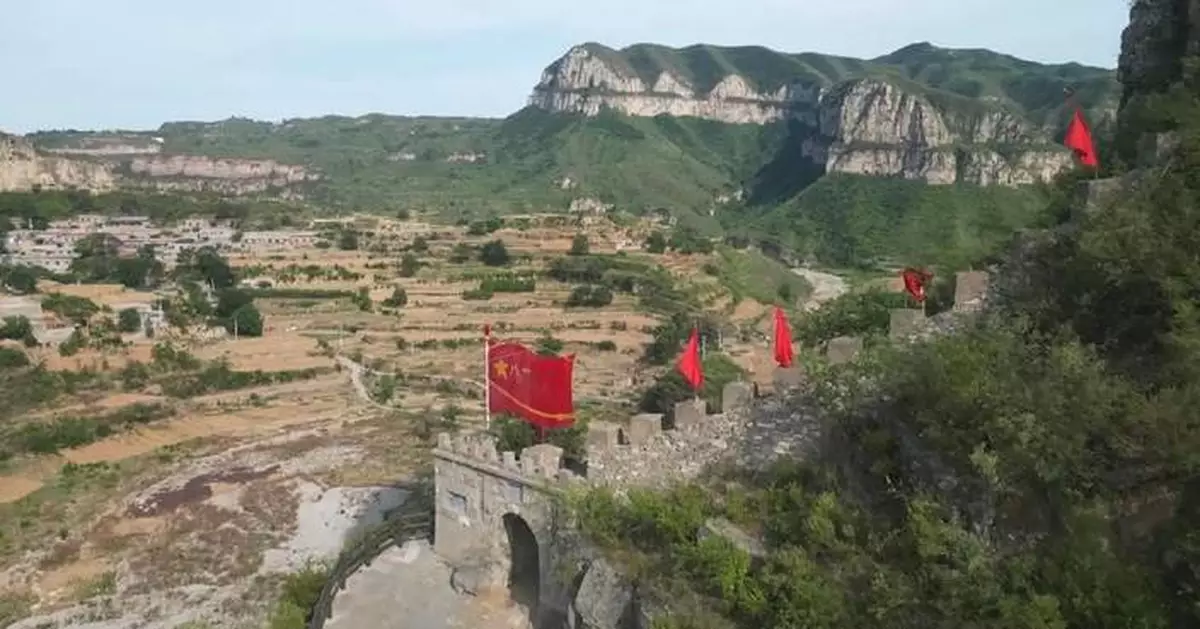
An unorthodox ambush operation in 1937 carried out by the Communist Party of China-led Eighth Route Army in a mountainous village in Pingding County, north China's Shanxi Province, made history by staging ambush on Japanese aggressor troops twice at a same location in an unprecedented way, contributing to holding off the aggressor troops' advance into Shanxi.
Late in October 1937, the Japanese army's 20th Division that had already advanced towards Pingding County in Shanxi which was in critical need of military goods. The Qigen Village was just on the supply line.
Liu Bocheng, then chief of staff of the 129th Division of the Eighth Route Army, became determined to set an ambush against the Japanese resupply operations after surveying the mountainous terrains around the village.
On October 26, the Chinese troops dealt a heavy blow to the Japanese side in the initial part of the ambush, with over 300 Japanese troops killed.
Among the seized military supplies, there was a map that revealed Japan's plan to occupy the entire coal-rich Shanxi.
"The Japanese aggressor troops' real intention was to occupy the entire Shanxi Province. Although equipped with backward weapons, the Eighth Route Army troops fought the battle as an example that was unprecedented in the War of Resistance Against Japanese Aggression," said Dong Taohong, deputy Communist Party secretary in Qigen Village.
What made the battle classic is the consecutive ambush on the same enemy in the same place, just two days later.
"This tactic is inconsistent with the rule -- 'Never strike twice with the same trick.' When intelligence suggested that the Japanese aggressor troops would transport supplies once again on October 28, on a route a little further west, our army troops moved to launch a second ambush," said Liu Chunsheng, former director of the Research Office of CPC History in Pingding County.
"After we fought the previous part of the battle on October 26. We lined up from the Xikou Cliff Pass all the way to the Taoist Temple to set the ambush. We caught them off guard," Dong said.
This high-stake ambush could have been suicidal, yet it succeeded and became a model case of military strategy last century.
"The Qigen Ambush delayed the Japanese army's advance into Shanxi while seizing a significant amount of weapons, food supplies, and most notably, military maps," Liu said.
Military experts hail the CPC-led army's flexible tactics and battlefield foresight, a key factor in China's ultimate victory in the Chinese People's War of Resistance Against Japanese Aggression.
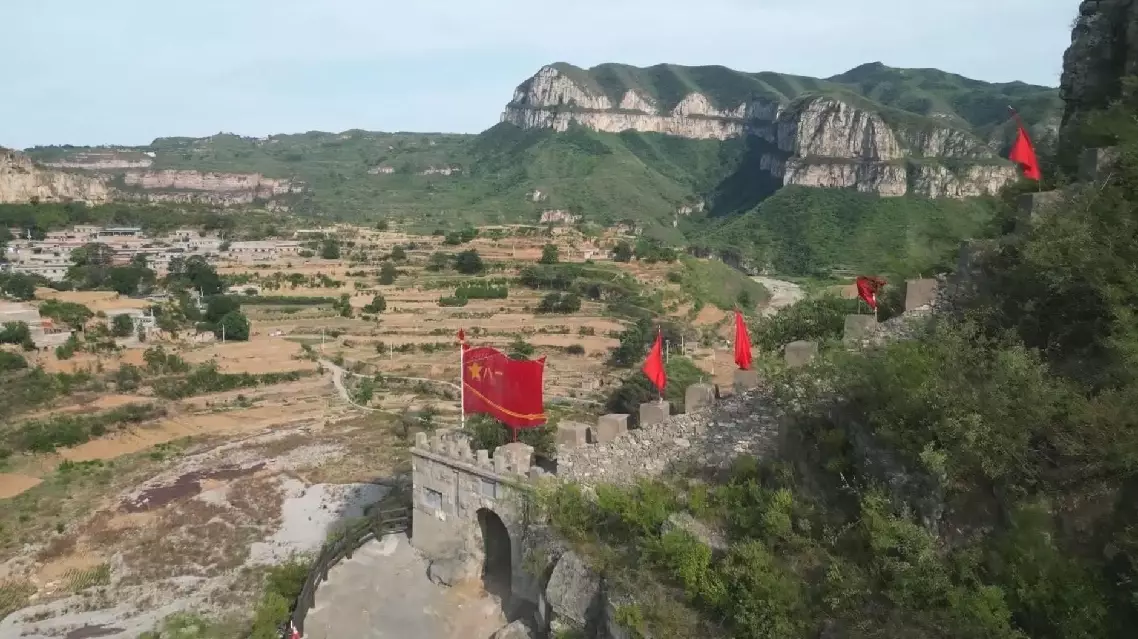
Villagers recall Chinese army's unexpected ambushes in fight against Japanese invasion