A scenic highway in northwest China's Xinjiang Uygur Autonomous Region has received over 400,000 self-driving tourists since it opened to traffic on June 30.
The 209-kilometer Ahe Highway connects Altay City at the southern foothills of the Altai Mountains with the pristine Hemu Village in the Kanas Scenic Area.
The highway, together with the G217 national highway and other routes, forms a scenic tourism loop route that links popular tourist destinations like Tuolehaite Summer Pasture, Hemu Village and the Tongba Grasslands, allowing tourists to explore the picturesque views of Altay without needing to backtrack.
Dubbed the "most beautiful self-driving road in northern Xinjiang," the highway offers travelers breathtaking views of snow-covered mountains, dense forests, vast grassland and tranquil lakes.
There are five service stations along the route, as well as 31 parking lots and observation decks at iconic viewpoints.

Scenic highway in Xinjiang receives over 400,000 self-driving tourists
China's Minister of Commerce Wang Wentao outlined the key priorities of the 32nd Asia-Pacific Economic Cooperation (APEC) Ministers Responsible for Trade Meeting, which opened on Friday in Suzhou, East China's Jiangsu province.
In an interview with CGTN ahead of the two-day meeting, Wang said free trade, digital cooperation and green economy are high on the agenda of the meeting.
"The key areas include advancing regional economic integration and the Free Trade Area of the Asia-Pacific, supporting the World Trade Organization (WTO) in strengthening digital cooperation and developing green economy. At present, the international situation is marked by intertwined turbulence and chaos, with intensified geopolitical instability. The rise of unilateralism and protectionism poses serious challenges to the international economic and trade order, disrupting global and Asia-Pacific development. Against this backdrop, all parties have higher expectations for this trade ministers' meeting, hoping that it can build consensus and deliver outcomes," Wang said.
This year marks China's third time hosting the APEC meetings and the 35th anniversary of its membership.
By 2025, China had become the largest trading partner of 13 APEC economies. Trade between China and APEC economies reached 3.7 trillion U.S. dollars, accounting for 57.8 percent of China's total foreign trade.
China has signed 24 free trade agreements or economic and trade arrangements with 31 countries and regions, including 15 APEC economies. In recent years, China has also completed upgrades of free trade agreements with APEC economies such as Singapore and Peru.
The minister said that China has always been a firm supporter and an important contributor to APEC.
"We have actively shared our vast market and development opportunities with all parties. China's door to the world will only open wider and wider. Facing the common challenges, China will continue to fulfill its responsibilities as a major country, further deepen reform, expand high-standard opening-up, and continue to provide new opportunities for the Asia-Pacific region and the world with its new achievements in Chinese modernization," the minister said.
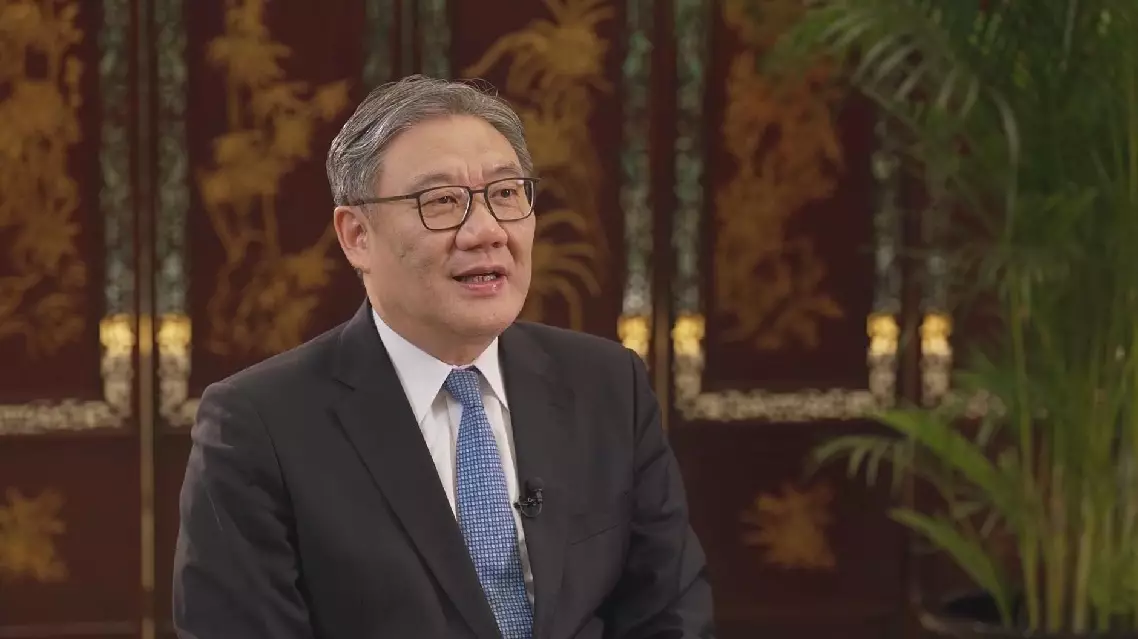
China's Commerce Minister outlines priorities for 32nd APEC trade ministers' meeting