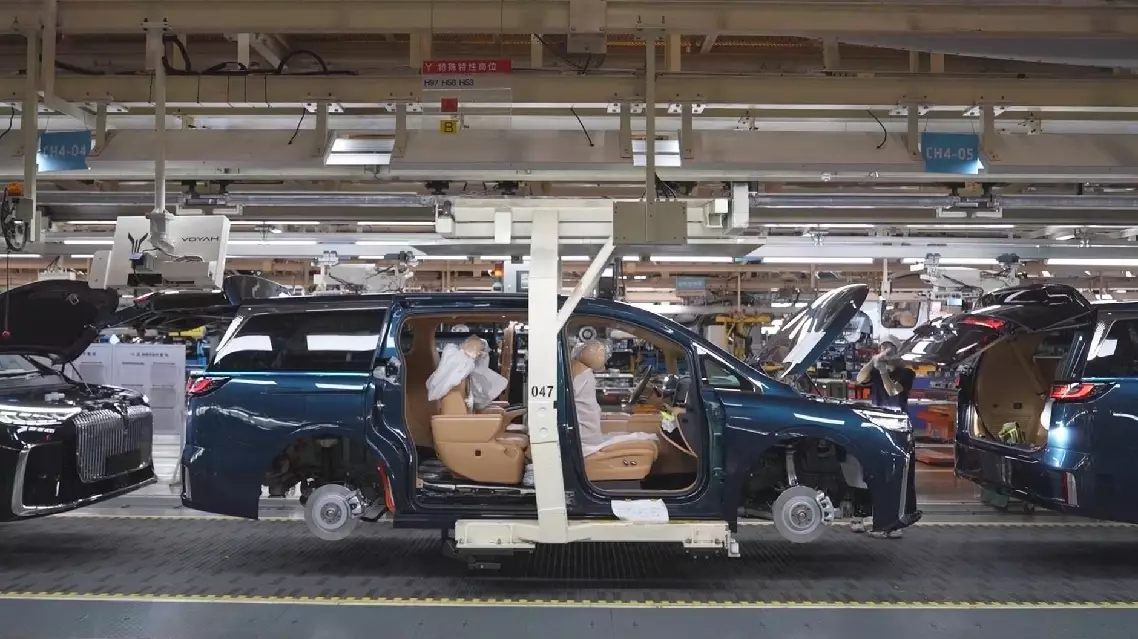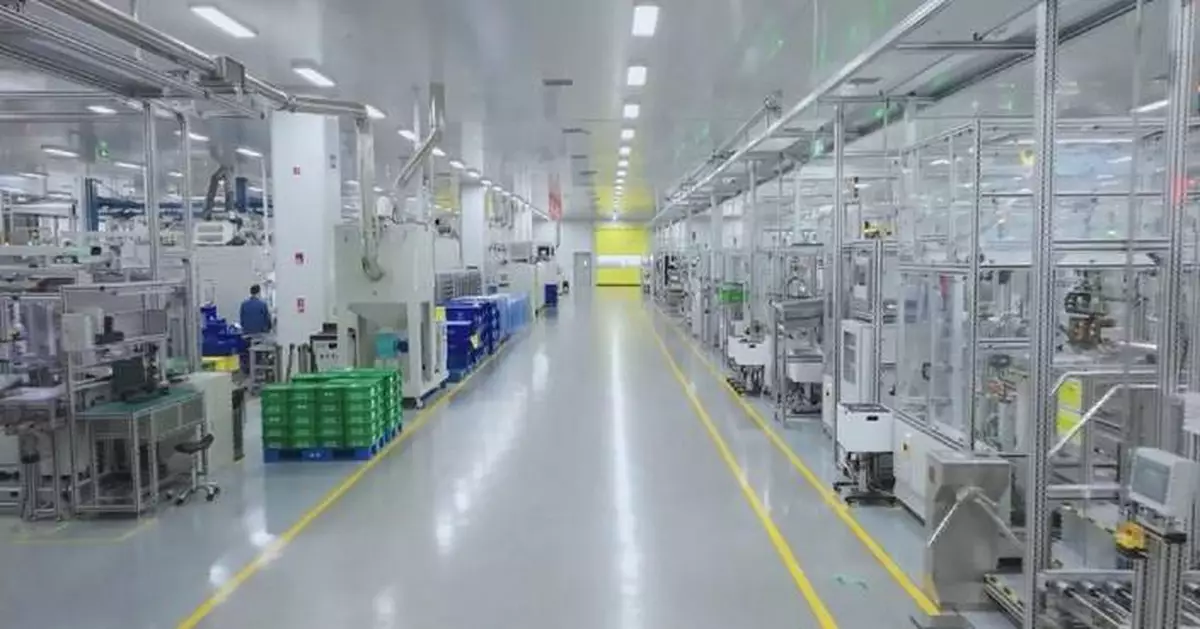
China on Tuesday released guidelines on providing high-quality financial services to empower new industrialization, while deepening the demand-driven supply-side structural reform of the financial sector.
According to the guidelines jointly issued by the People's Bank of China (PBOC), the Ministry of Industry and Information Technology, the National Development and Reform Commission, and four other central government departments, China is to establish a basically mature financial system by 2027 that supports the high-end and intelligent development of manufacturing in an eco-friendly way.
This system will feature a more diversified range of financial products, ensuring closer coordination among various financial instruments -- including loans, bonds, equities, and insurance -- while effectively preventing cross-sector financial risks and enhancing service adaptability.
"New industrialization is a highly complex process that requires patient capital and long-term investment to better serve technological innovation, as well as substantial financial resources aligned with industrial and supply chains. This guideline, I think, effectively addresses these diversified demands in the new industrialization process," said Yang Tao, deputy director of the National Institution for Finance and Development.
By introducing multiple institutional innovations and concrete measures, the guidelines will encourage financial institutions to provide more diversified financial tools and more accessible investment and financing services, according to industry experts.
"For enterprises, this is a development opportunity -- they should proactively engage with financial resources. For financial institutions, this is a critical moment to build differentiated competitiveness -- they must quickly define their service positioning and develop unique strategies," said Li Liuying, an associate researcher at the Industrial Economics Institute of the China Center for Information Industry Development.
Since the start of the year, China has implemented a policy mix to channel more financial resources toward technological innovation, advanced manufacturing, green development, and small and medium-sized enterprises (SMEs).
As of May, the PBOC had increased the quota of relending for sci-tech innovation and technological upgrades from 500 billion yuan (about 70 billion U.S. dollars) to 800 billion yuan (about 111.5 billion U.S. dollars).
By the end of June, banks across China had signed loan agreements, amounted to 1.9 trillion yuan (about 265 billion U.S. dollars), with enterprises for equipment upgrades and technological transformation.
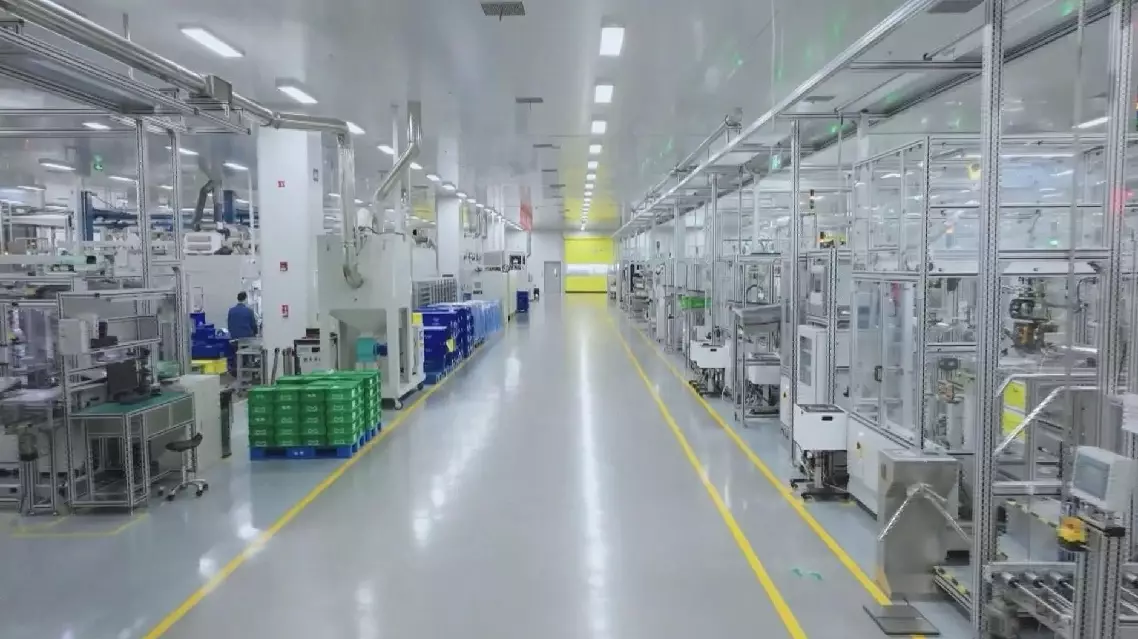
China unveils guidelines on financial support for new industrialization