Skip to Content Facebook Feature Image

Pakistani musicians use folk songs and rap to raise climate change awareness

ENT

Pakistani musicians use folk songs and rap to raise climate change awareness
ENT

ENT

Pakistani musicians use folk songs and rap to raise climate change awareness

2025-08-07 00:16 Last Updated At:00:20

UMERKOT, Pakistan (AP) — Villagers hush when Pakistani folk musician Sham Bhai starts singing about climate change, her clear voice rising above the simple squat dwellings.

“We are the people of the south. The winds seem to be blowing from the north. The winds seem cold and warm. My heart is burned from seeing the collapsed houses in the rain. Oh, beloved, come home soon.”

More Images
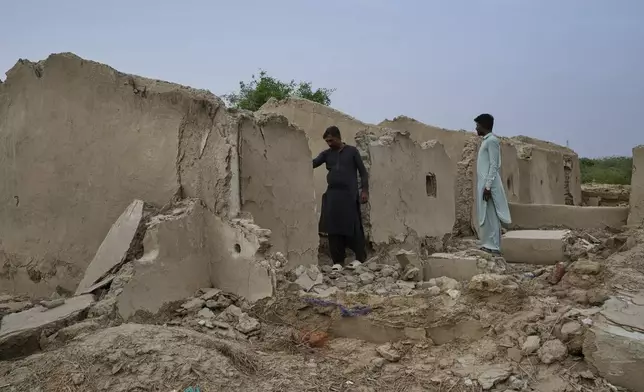
Villagers look at houses damaged by climate-induced floods several years ago at a village in Umerkot, a district of Pakistan's southeastern Sindh province, Thursday, July 17, 2025. (AP Photo/Fareed Khan)
Villagers look at houses damaged by climate-induced floods several years ago at a village in Umerkot, a district of Pakistan's southeastern Sindh province, Thursday, July 17, 2025. (AP Photo/Fareed Khan)
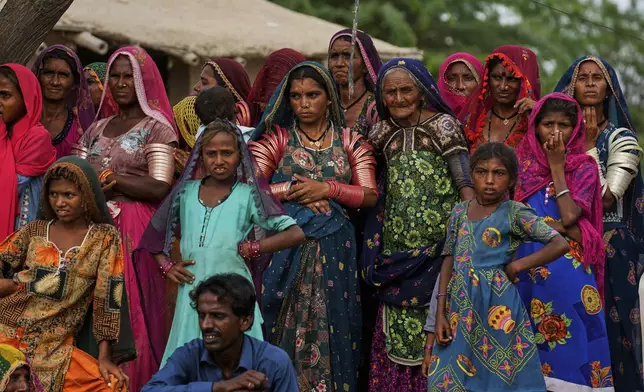
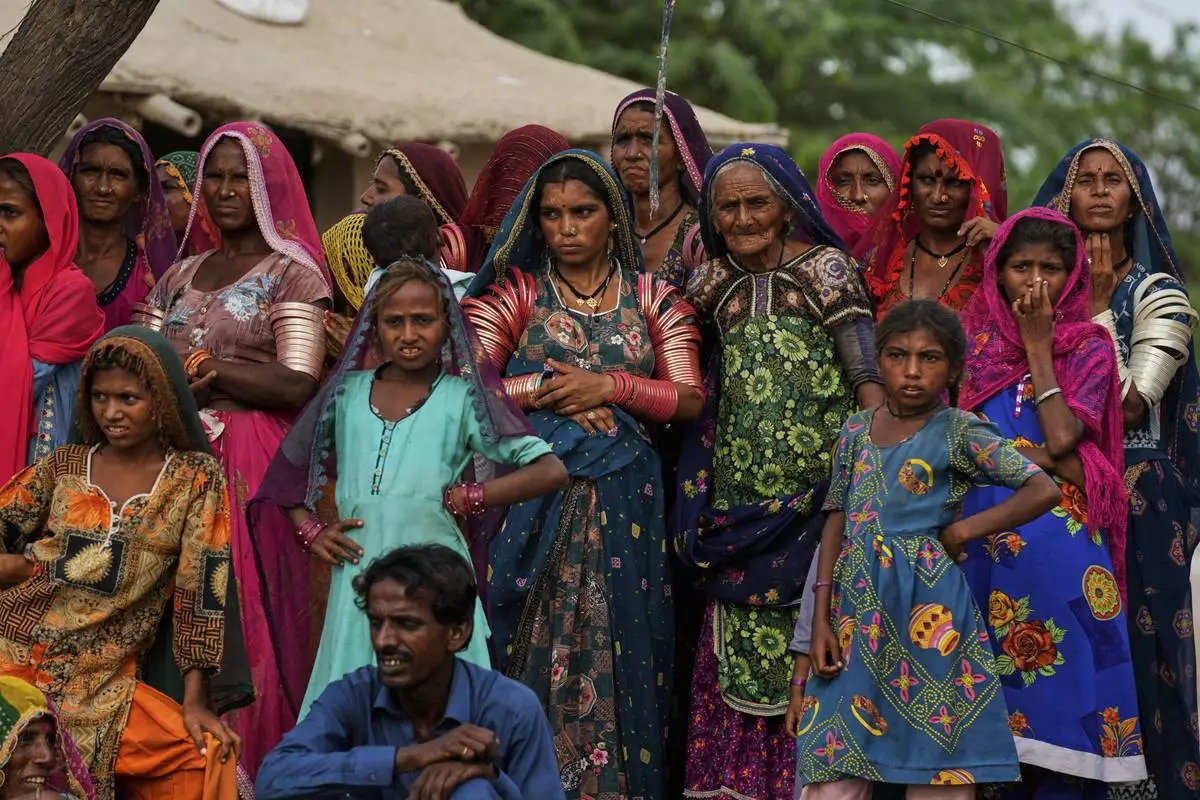
Women prepare to leave after the performance of a Pakistani folk musician Sham Bhai at a village in Umerkot, a district of Pakistan's southeastern Sindh province, Thursday, July 17, 2025. (AP Photo/Fareed Khan)
Women prepare to leave after the performance of a Pakistani folk musician Sham Bhai at a village in Umerkot, a district of Pakistan's southeastern Sindh province, Thursday, July 17, 2025. (AP Photo/Fareed Khan)
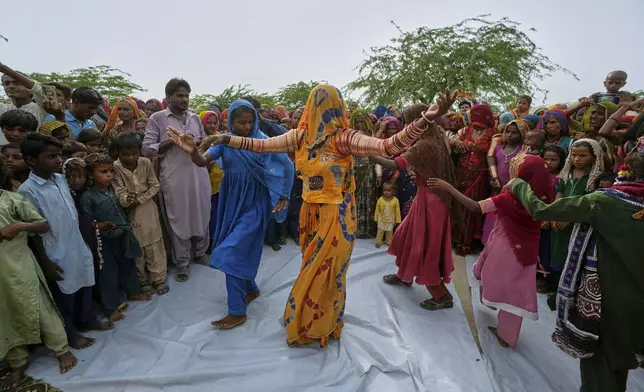
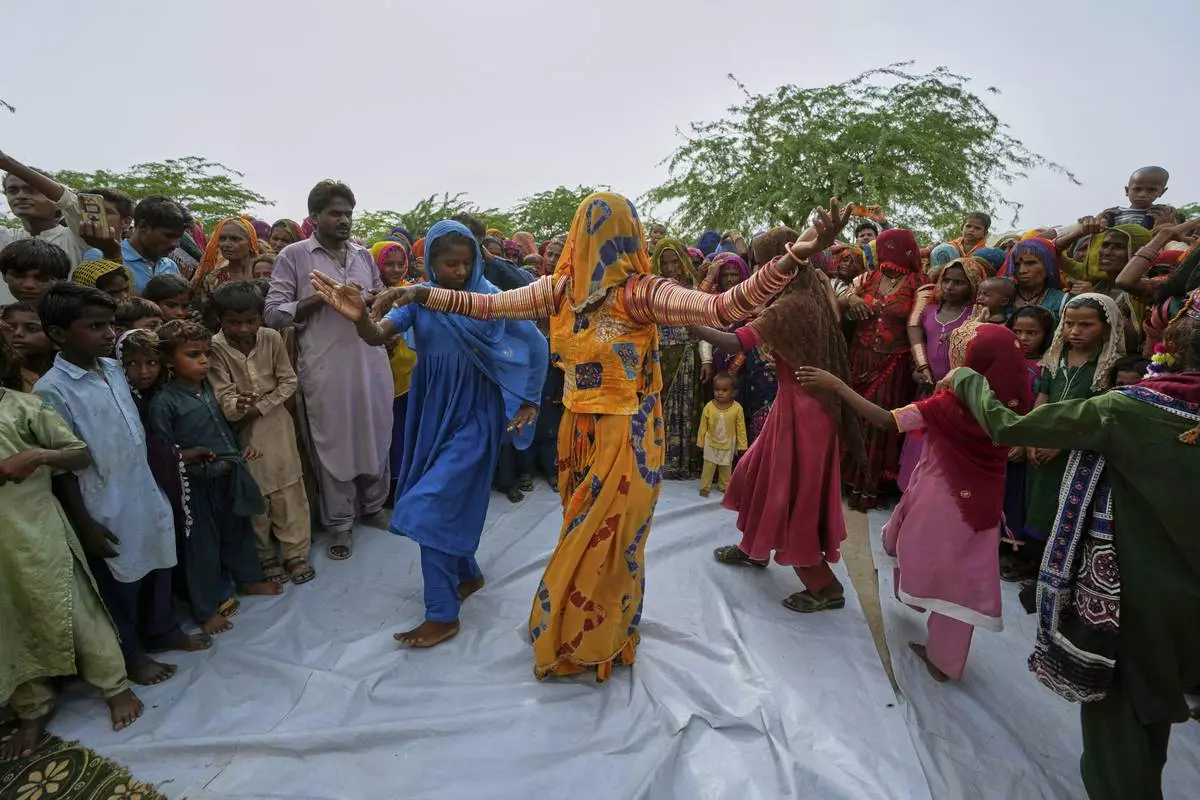
Women dance during a performance of a Pakistani folk musician Sham Bhai at a village in Umerkot, a district of Pakistan's southeastern Sindh province, Thursday, July 17, 2025. (AP Photo/Fareed Khan)
Women dance during a performance of a Pakistani folk musician Sham Bhai at a village in Umerkot, a district of Pakistan's southeastern Sindh province, Thursday, July 17, 2025. (AP Photo/Fareed Khan)
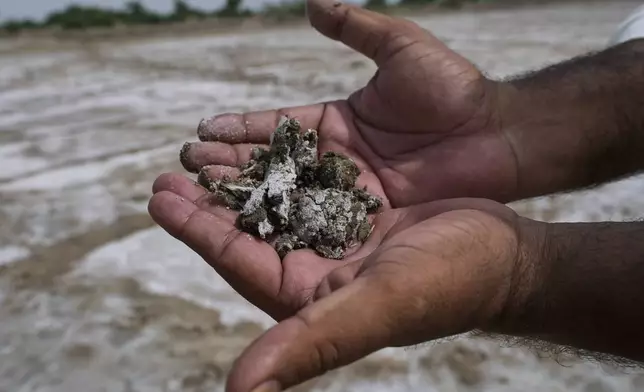
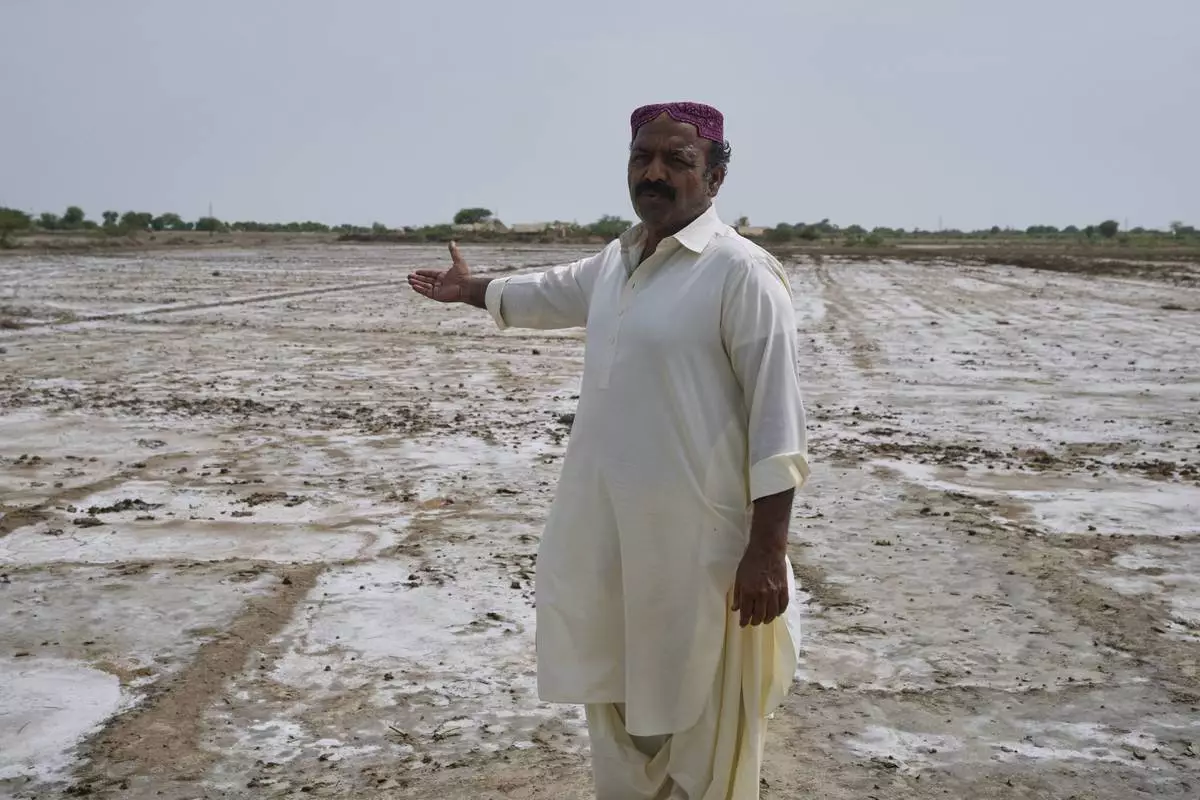
Farmer Ghulam Mustafa Mahar shows damaged soil at a village in Umerkot, a district of Pakistan's southeastern Sindh province, Thursday, July 17, 2025. (AP Photo/Fareed Khan)
Farmer Ghulam Mustafa Mahar shows damaged soil at a village in Umerkot, a district of Pakistan's southeastern Sindh province, Thursday, July 17, 2025. (AP Photo/Fareed Khan)

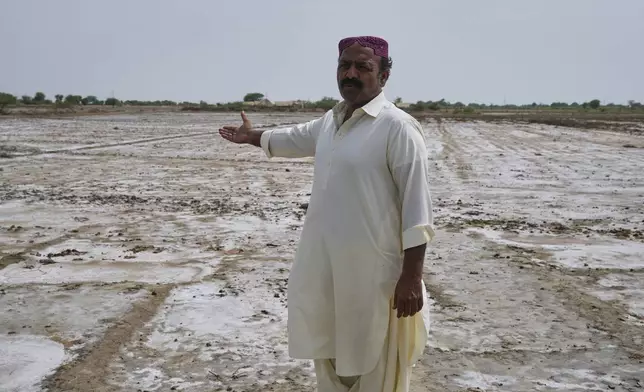
Farmer Ghulam Mustafa Mahar talks about his land, where subsoil water had risen to the surface, at a village in Umerkot, a district of Pakistan's southeastern Sindh province, Thursday, July 17, 2025. (AP Photo/Fareed Khan)

Farmer Ghulam Mustafa Mahar talks about his land, where subsoil water had risen to the surface, at a village in Umerkot, a district of Pakistan's southeastern Sindh province, Thursday, July 17, 2025. (AP Photo/Fareed Khan)

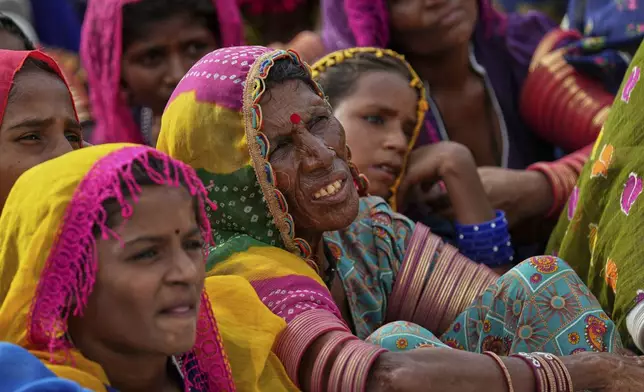
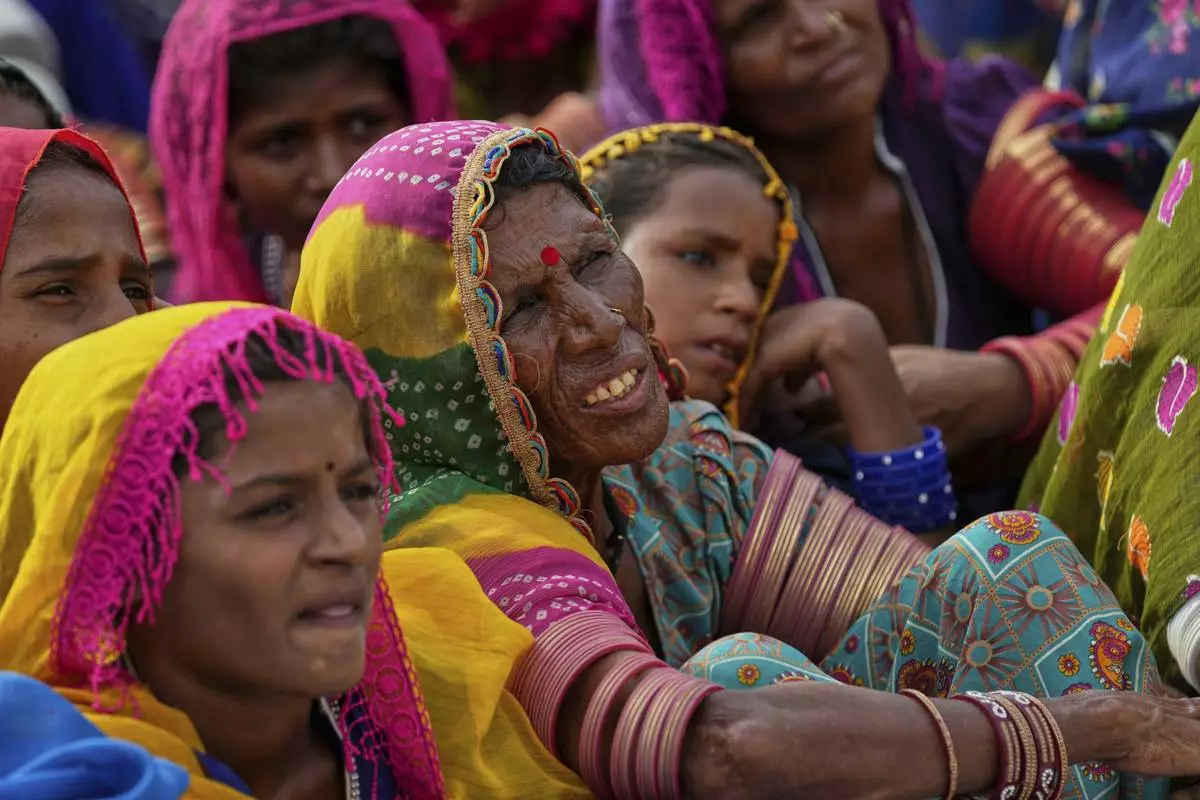
Villagers watch a performance of a Pakistani folk musician Sham Bhai at a village in Umerkot, a district of Pakistan's southeastern Sindh province, Thursday, July 17, 2025. (AP Photo/Fareed Khan)

Villagers watch a performance of a Pakistani folk musician Sham Bhai at a village in Umerkot, a district of Pakistan's southeastern Sindh province, Thursday, July 17, 2025. (AP Photo/Fareed Khan)

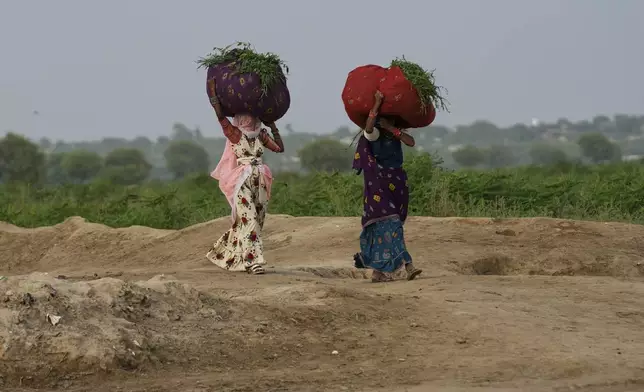
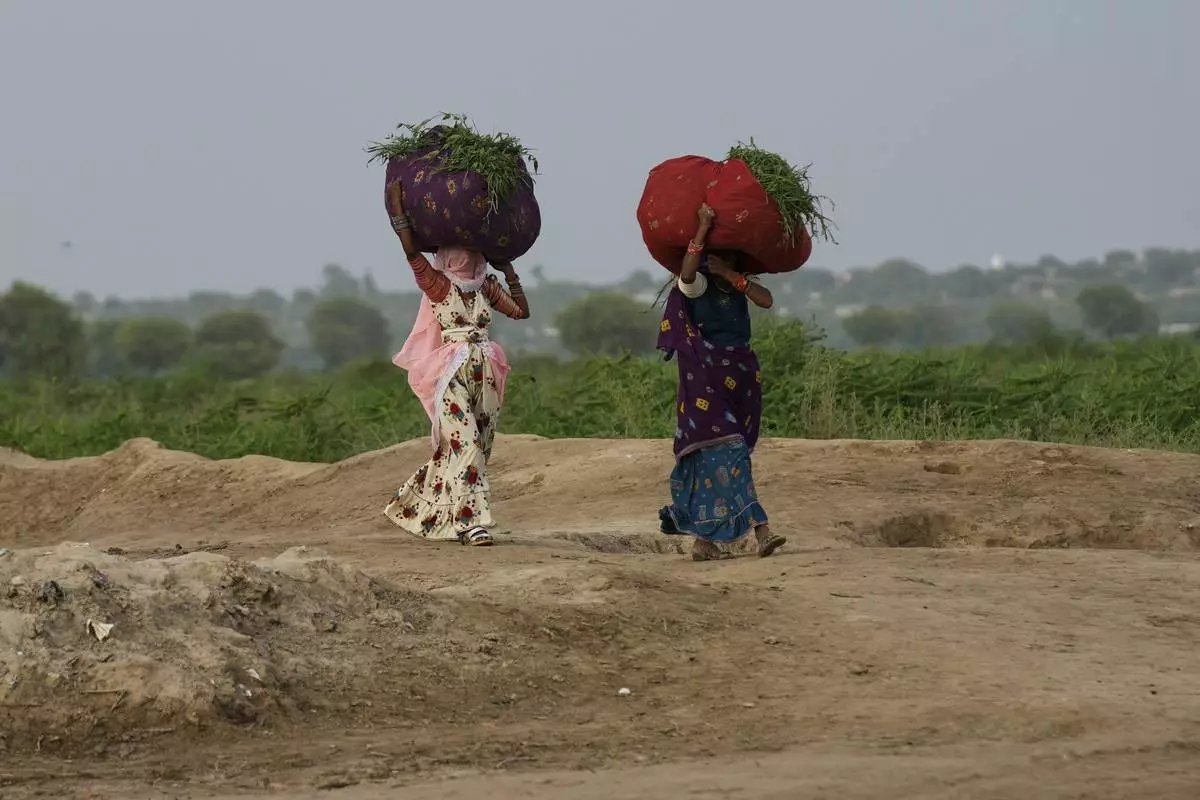
Villager women carry bundles of fodder for their livestock as they walk toward their homes at a village in Umerkot, a district of Pakistan's southeastern Sindh province, Thursday, July 17, 2025. (AP Photo/Fareed Khan)

Villager women carry bundles of fodder for their livestock as they walk toward their homes at a village in Umerkot, a district of Pakistan's southeastern Sindh province, Thursday, July 17, 2025. (AP Photo/Fareed Khan)

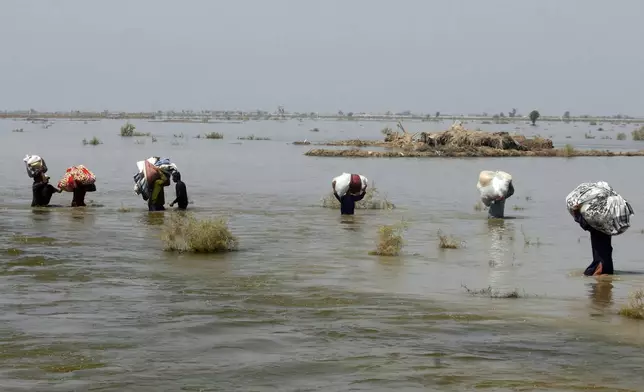
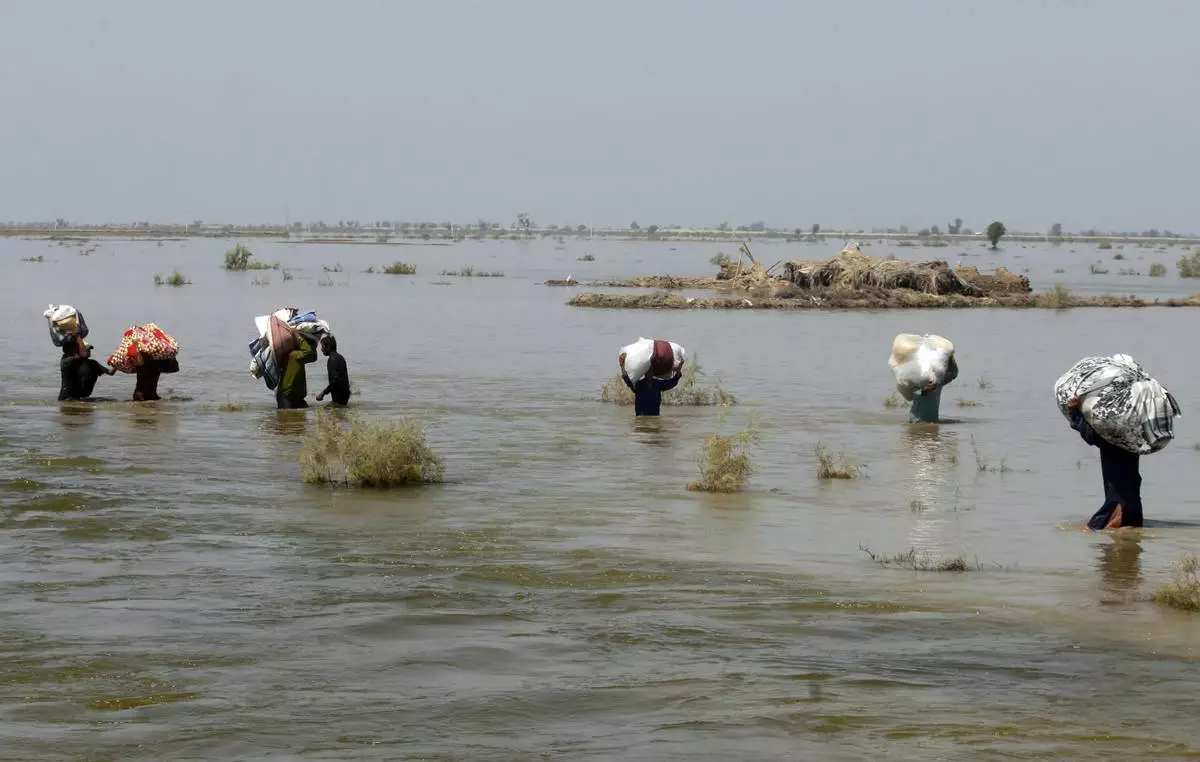
FILE - Victims of heavy flooding from monsoon rains carry relief aid through floodwater in the Qambar Shahdadkot district of Sindh Province, Pakistan, Sept. 9, 2022. (AP Photo/Fareed Khan, File)
FILE - Victims of heavy flooding from monsoon rains carry relief aid through floodwater in the Qambar Shahdadkot district of Sindh Province, Pakistan, Sept. 9, 2022. (AP Photo/Fareed Khan, File)

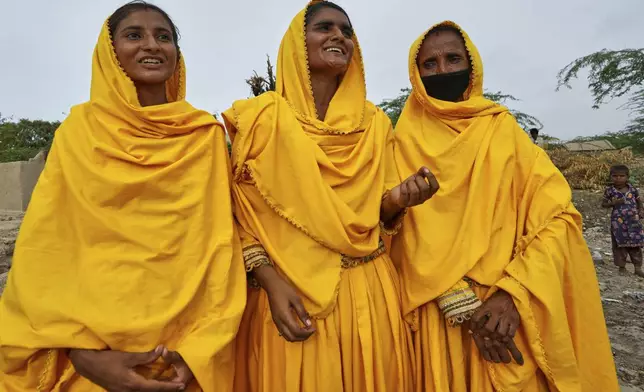
Pakistani folk musician Sham Bhai, center, arrives with her team members for her performance at a village in Umerkot, a district of Pakistan's southeastern Sindh province, Thursday, July 17, 2025. (AP Photo/Fareed Khan)
Pakistani folk musician Sham Bhai, center, arrives with her team members for her performance at a village in Umerkot, a district of Pakistan's southeastern Sindh province, Thursday, July 17, 2025. (AP Photo/Fareed Khan)
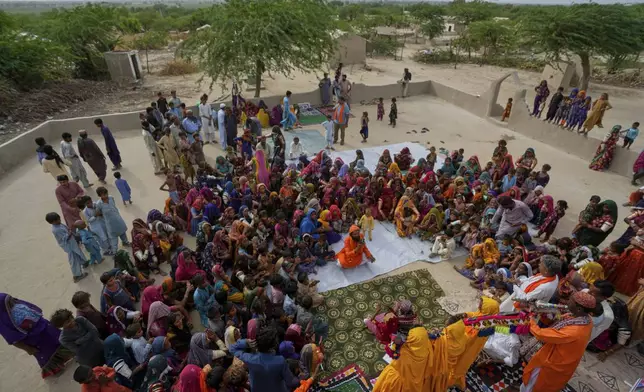
Villagers watch a performance of a Pakistani folk musician Sham Bhai at a village in Umerkot, a district of Pakistan's southeastern Sindh province, Thursday, July 17, 2025. (AP Photo/Fareed Khan)
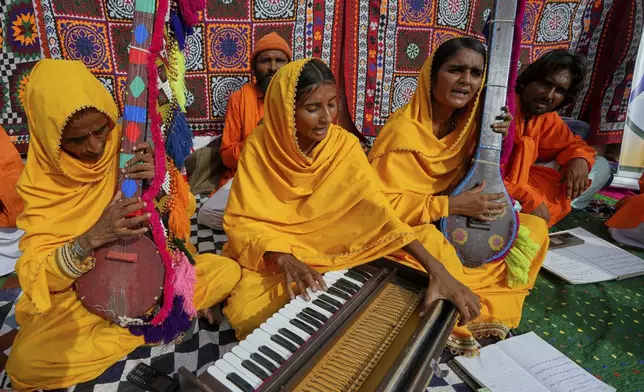
Villagers watch a performance of a Pakistani folk musician Sham Bhai at a village in Umerkot, a district of Pakistan's southeastern Sindh province, Thursday, July 17, 2025. (AP Photo/Fareed Khan)

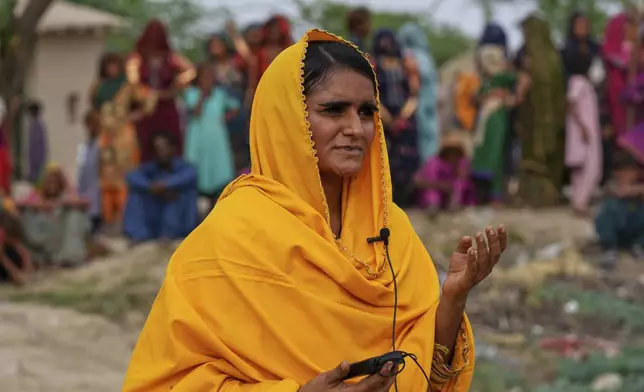
Pakistani folk musician Sham Bhai speaks during an interview with The Associated Press, at a village in Umerkot, a district of Pakistan's southeastern Sindh province, Thursday, July 17, 2025. (AP Photo/Fareed Khan)

Pakistani folk musician Sham Bhai speaks during an interview with The Associated Press, at a village in Umerkot, a district of Pakistan's southeastern Sindh province, Thursday, July 17, 2025. (AP Photo/Fareed Khan)

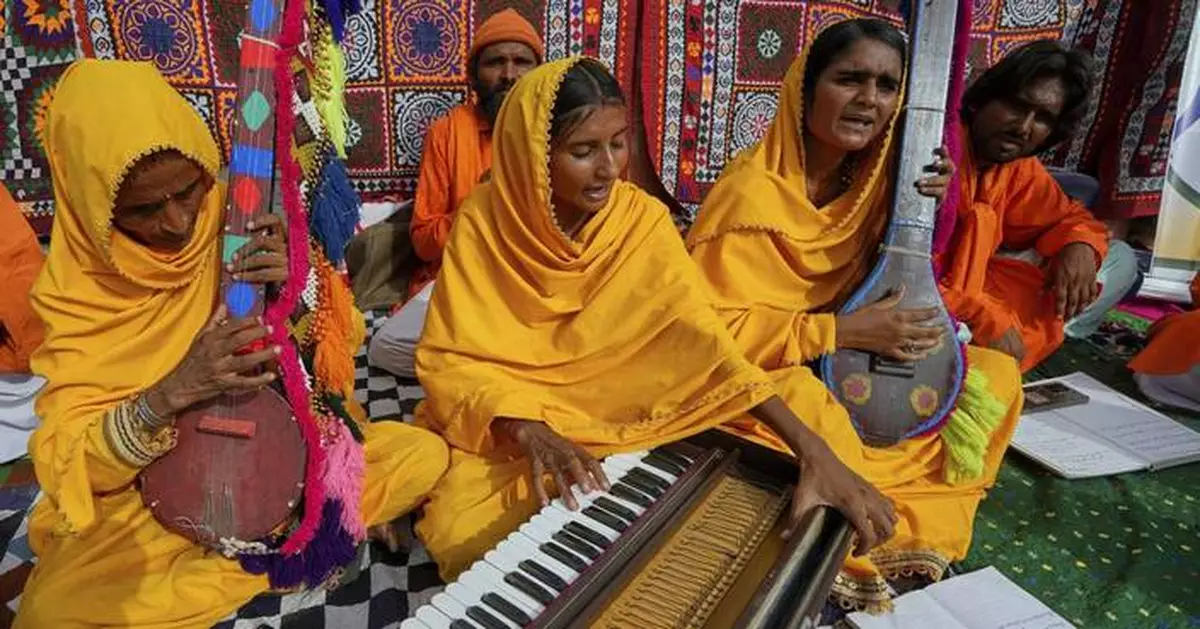
Pakistani folk musician Sham Bhai, second from right, performs with her team members at a village in Umerkot, a district of Pakistan's southeastern Sindh province, Thursday, July 17, 2025. (AP Photo/Fareed Khan)

Pakistani folk musician Sham Bhai, second from right, performs with her team members at a village in Umerkot, a district of Pakistan's southeastern Sindh province, Thursday, July 17, 2025. (AP Photo/Fareed Khan)

Sham is from Sindh, the Pakistani province worst-hit three years ago by climate-worsened deluges that affected tens of millions of people nationwide and washed away homes, farmland and infrastructure.

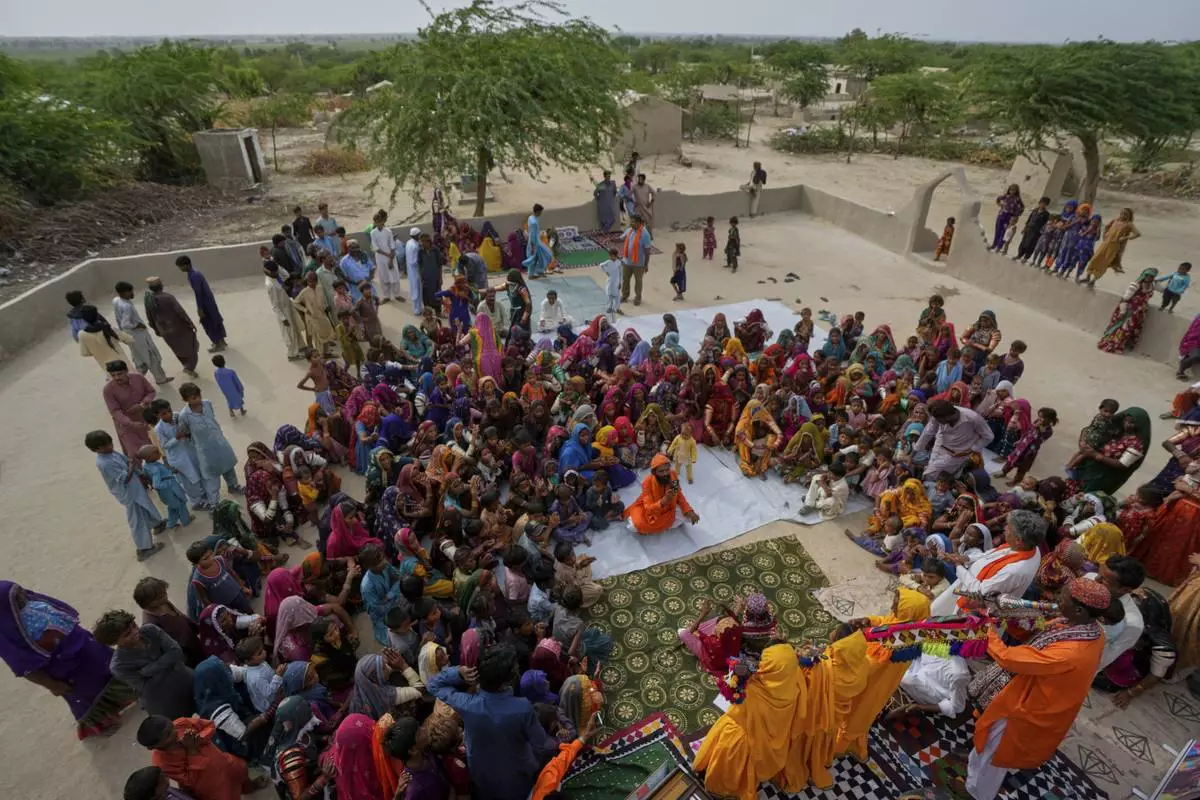
She has toured a dozen villages in Sindh during the past two years, teaching people about climate adaptation and resilience through song, a useful medium for sharing information in places where literacy is low and internet is scarce.

“When we give a message through song, it is easy to communicate to people because they understand it,” the 18-year-old singer told The Associated Press. She was performing in Umerkot district, singing in her native tongue and official provincial language, Sindhi, which is more likely to be spoken and understood in places like Umerkot than the official and national language of Pakistan, Urdu.

Sindh recorded more than 1,000 rain-related deaths in a few months in 2022. The damage remains visible. Broken roads and flattened houses that residents never rebuilt. Floods submerged swaths of Sham’s district, Tando Allahyar. News footage showed people wading through waist-deep water.

"The meaning of the song is that poor people’s homes built on mud are not strong," Sham explains. "Women and children face hardship during the rains because they are vulnerable in the absence of men who go away to work. The women of the house call on their men to return because the weather is so bad.”

Alternating patches of parched and lush farmland flank the road to Umerkot. Dry and wet spells buffet the province, and local farmers have to adapt. They now focus on winter crops rather than summer ones because the rain is more predictable in the colder months.

“The monsoon season used to come on time, but now it starts late,” farmer Ghulam Mustafa Mahar said. “Sometimes there is no rain. All patterns are off-course due to climate change for the last five years.”

He and others have switched from crops to livestock to survive.

There is little infrastructure away from the center of the district. Children get excited seeing sedans crunch through the dust. The area is mostly poor and very hot.

Sindh's literacy rate falls to 38% in rural areas. Sham said singing informs those who can’t learn about climate change because they can’t read.

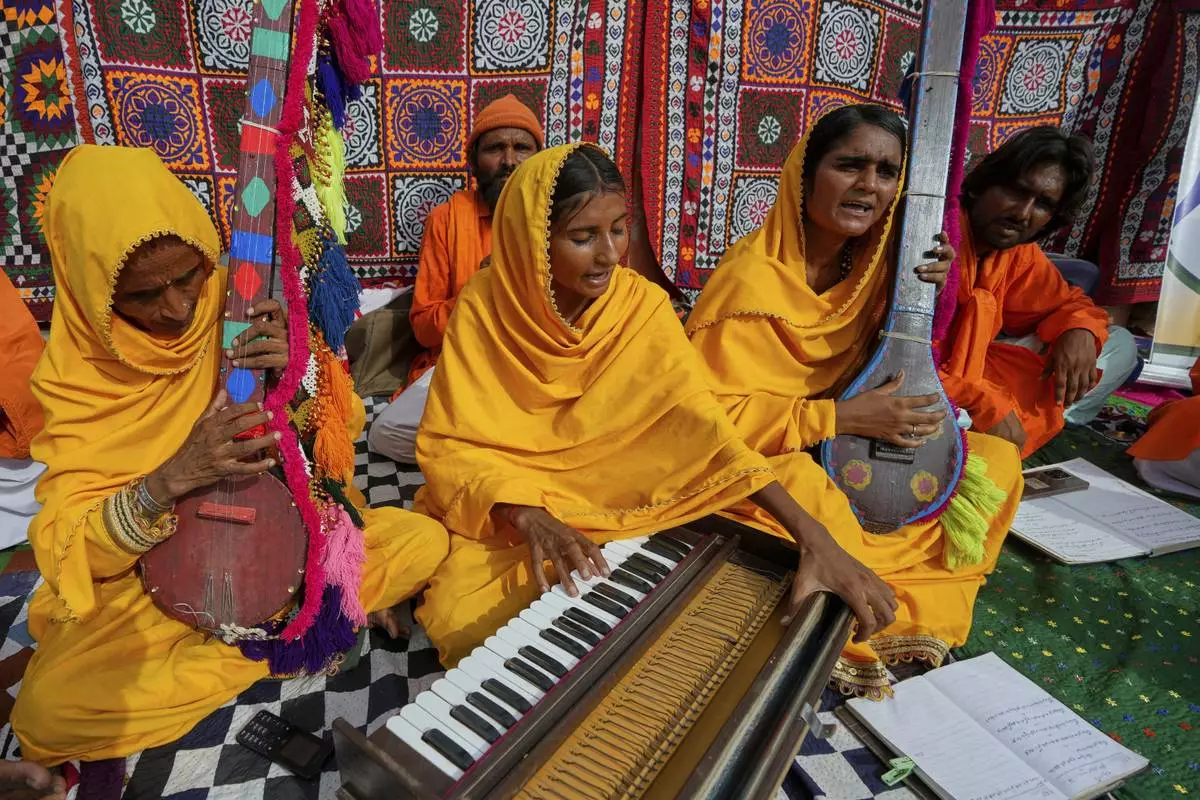
Mindful of their audience, the three singers warm people up with popular tunes to catch their attention before launching into mournful tunes about the wind and rain, their lyrics inspired by writers and poets from Sindh.

“People are acting on our advice; they are planting trees and making their houses strong to face climate change,” said Sham. “ Women and children suffer a lot during bad conditions, which damage their homes.”

Women and girls of all ages can be seen working outdoors in Sindh, tending to crops or livestock. They gather food and water, along with wood for fuel. They are predominantly restricted to this type of work and other domestic chores because of gender norms and inequalities. When extreme weather strikes, they are often the first to suffer. One villager said when heavy rain battered homes in 2022, it crushed and killed whoever was inside, including children.

People in rural areas have no idea what climate change is, said Urooj Fatima, an activist from the city of Jhuddo. Her stage name is Sindhi Chhokri, and she is known locally for campaigning on issues such as women’s rights.

But she has turned her attention to raising awareness about climate change since flooding devastated her village in 2022 and again in 2024.

“We can engage a lot of audiences through rap. If we go to a village and gather a community, there are a maximum of 50. But everyone listens to songs. Through rap, we can reach out to hundreds of thousands of people through our voice and our message.”

She said hip-hop isn’t common in Pakistan, but the genre resonates because of its tradition as an expression of life, hardship and struggle.

She has yet to finish her latest climate change rap, but wrote one in response to the 2022 flooding in neighboring Balochistan, the country’s poorest and least developed province, because she felt it wasn’t getting enough attention. She performed it at festivals in Pakistan and promoted it across her social media accounts. Officials at the time said more help was needed from the central government for people to rebuild their lives.

“There are potholes on the road; the roads are ruined,” raps Urooj. “I am telling the truth. Will your anger rain down on me? Where was the Balochistan government when the floods came? My pen thirsts for justice. Now they’ve succeeded, these thieving rulers. This isn’t a rap song, this is a revolution.”

She and her sister Khanzadi campaign on the ground and social media, protesting, visiting villages, and planting thousands of trees. She wants the Sindh government to take climate change awareness seriously by providing information and education to those who need it the most, people living in rural areas.

“This happens every year,” said Urooj, referring to the floods. “Climate change affects a person’s whole life. Their whole life becomes a disaster.”

She cites the disproportionate and specific impact of climate change on women and girls, the problems they experience with displacement, education, hygiene, and nutrition, attributing these to entrenched gender discrimination.

“For women, there are no opportunities or facilities. And then, if a flood comes from above, they face more difficulties.”

She elicits controversy in rural areas. Half the feedback she receives is negative. She is undeterred from speaking out on social taboos and injustice.

“Rap is a powerful platform. If our rap reaches just a few people, then this is a very good achievement. We will not let our voices be suppressed. We will always raise our voices high.”

The Associated Press’ climate and environmental coverage receives financial support from multiple private foundations. AP is solely responsible for all content. Find AP’s standards for working with philanthropies, a list of supporters and funded coverage areas at AP.org.
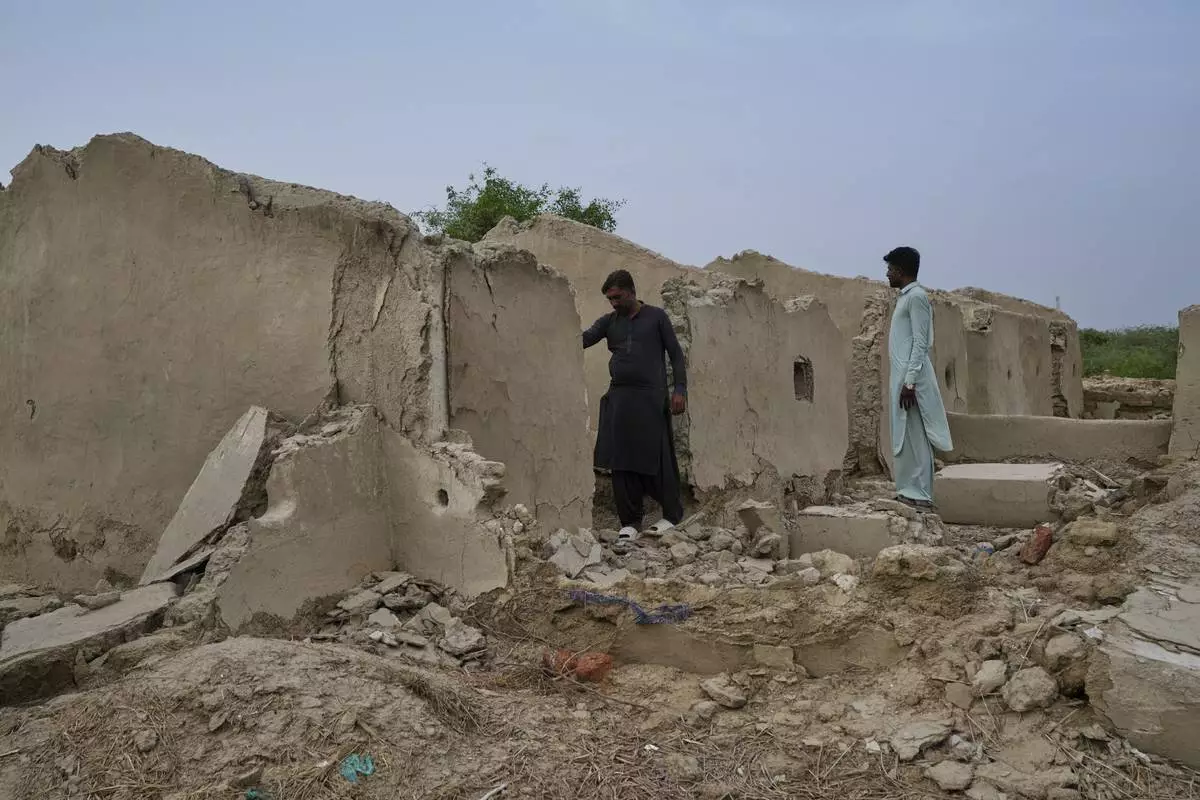
Villagers look at houses damaged by climate-induced floods several years ago at a village in Umerkot, a district of Pakistan's southeastern Sindh province, Thursday, July 17, 2025. (AP Photo/Fareed Khan)
Villagers look at houses damaged by climate-induced floods several years ago at a village in Umerkot, a district of Pakistan's southeastern Sindh province, Thursday, July 17, 2025. (AP Photo/Fareed Khan)
Women prepare to leave after the performance of a Pakistani folk musician Sham Bhai at a village in Umerkot, a district of Pakistan's southeastern Sindh province, Thursday, July 17, 2025. (AP Photo/Fareed Khan)

Women prepare to leave after the performance of a Pakistani folk musician Sham Bhai at a village in Umerkot, a district of Pakistan's southeastern Sindh province, Thursday, July 17, 2025. (AP Photo/Fareed Khan)
Women dance during a performance of a Pakistani folk musician Sham Bhai at a village in Umerkot, a district of Pakistan's southeastern Sindh province, Thursday, July 17, 2025. (AP Photo/Fareed Khan)
Women dance during a performance of a Pakistani folk musician Sham Bhai at a village in Umerkot, a district of Pakistan's southeastern Sindh province, Thursday, July 17, 2025. (AP Photo/Fareed Khan)
Farmer Ghulam Mustafa Mahar shows damaged soil at a village in Umerkot, a district of Pakistan's southeastern Sindh province, Thursday, July 17, 2025. (AP Photo/Fareed Khan)
Farmer Ghulam Mustafa Mahar shows damaged soil at a village in Umerkot, a district of Pakistan's southeastern Sindh province, Thursday, July 17, 2025. (AP Photo/Fareed Khan)

Farmer Ghulam Mustafa Mahar talks about his land, where subsoil water had risen to the surface, at a village in Umerkot, a district of Pakistan's southeastern Sindh province, Thursday, July 17, 2025. (AP Photo/Fareed Khan)

Farmer Ghulam Mustafa Mahar talks about his land, where subsoil water had risen to the surface, at a village in Umerkot, a district of Pakistan's southeastern Sindh province, Thursday, July 17, 2025. (AP Photo/Fareed Khan)

Villagers watch a performance of a Pakistani folk musician Sham Bhai at a village in Umerkot, a district of Pakistan's southeastern Sindh province, Thursday, July 17, 2025. (AP Photo/Fareed Khan)

Villagers watch a performance of a Pakistani folk musician Sham Bhai at a village in Umerkot, a district of Pakistan's southeastern Sindh province, Thursday, July 17, 2025. (AP Photo/Fareed Khan)

Villager women carry bundles of fodder for their livestock as they walk toward their homes at a village in Umerkot, a district of Pakistan's southeastern Sindh province, Thursday, July 17, 2025. (AP Photo/Fareed Khan)

Villager women carry bundles of fodder for their livestock as they walk toward their homes at a village in Umerkot, a district of Pakistan's southeastern Sindh province, Thursday, July 17, 2025. (AP Photo/Fareed Khan)

FILE - Victims of heavy flooding from monsoon rains carry relief aid through floodwater in the Qambar Shahdadkot district of Sindh Province, Pakistan, Sept. 9, 2022. (AP Photo/Fareed Khan, File)
FILE - Victims of heavy flooding from monsoon rains carry relief aid through floodwater in the Qambar Shahdadkot district of Sindh Province, Pakistan, Sept. 9, 2022. (AP Photo/Fareed Khan, File)

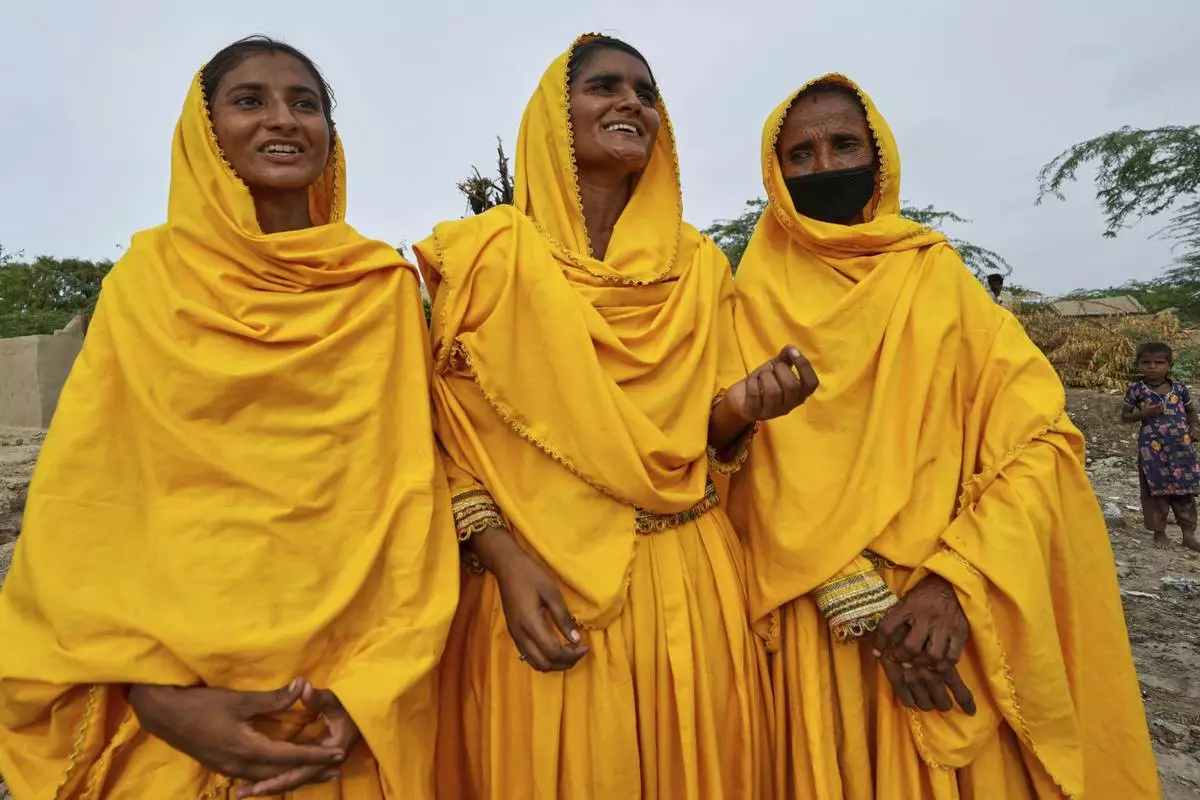
Pakistani folk musician Sham Bhai, center, arrives with her team members for her performance at a village in Umerkot, a district of Pakistan's southeastern Sindh province, Thursday, July 17, 2025. (AP Photo/Fareed Khan)
Pakistani folk musician Sham Bhai, center, arrives with her team members for her performance at a village in Umerkot, a district of Pakistan's southeastern Sindh province, Thursday, July 17, 2025. (AP Photo/Fareed Khan)
Villagers watch a performance of a Pakistani folk musician Sham Bhai at a village in Umerkot, a district of Pakistan's southeastern Sindh province, Thursday, July 17, 2025. (AP Photo/Fareed Khan)
Villagers watch a performance of a Pakistani folk musician Sham Bhai at a village in Umerkot, a district of Pakistan's southeastern Sindh province, Thursday, July 17, 2025. (AP Photo/Fareed Khan)
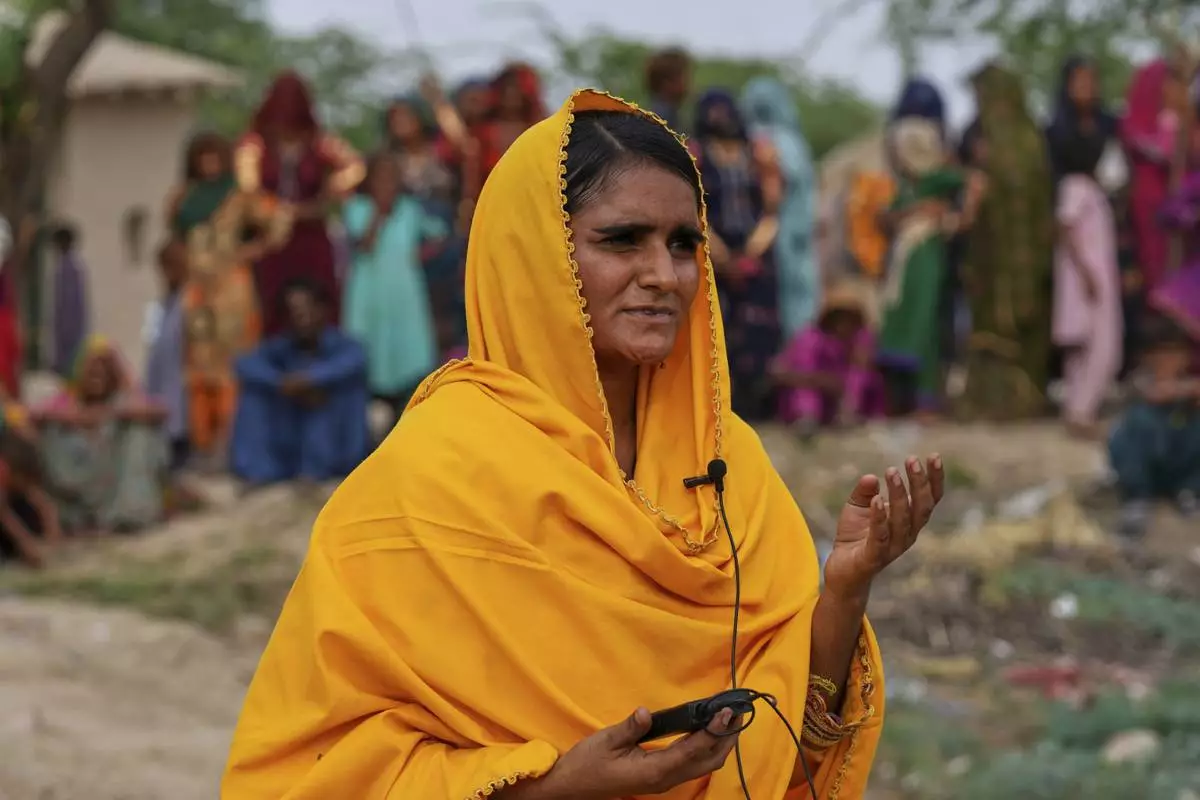
Pakistani folk musician Sham Bhai speaks during an interview with The Associated Press, at a village in Umerkot, a district of Pakistan's southeastern Sindh province, Thursday, July 17, 2025. (AP Photo/Fareed Khan)
Pakistani folk musician Sham Bhai speaks during an interview with The Associated Press, at a village in Umerkot, a district of Pakistan's southeastern Sindh province, Thursday, July 17, 2025. (AP Photo/Fareed Khan)

Pakistani folk musician Sham Bhai, second from right, performs with her team members at a village in Umerkot, a district of Pakistan's southeastern Sindh province, Thursday, July 17, 2025. (AP Photo/Fareed Khan)
Pakistani folk musician Sham Bhai, second from right, performs with her team members at a village in Umerkot, a district of Pakistan's southeastern Sindh province, Thursday, July 17, 2025. (AP Photo/Fareed Khan)

The U.N. Security Council scheduled an emergency meeting Thursday to discuss Iran's deadly protests at the request of the United States, even as President Donald Trump left unclear what actions he would take against the Islamic state.

Tehran appeared to make conciliatory statements in an effort to defuse the situation after Trump threatened to take action to stop further killing of protesters, including the execution of anyone detained in Tehran’s bloody crackdown on nationwide protests.

Iran’s crackdown on the demonstrations has killed at least 2,615, the U.S.-based Human Rights Activists News Agency reported. The death toll exceeds any other round of protest or unrest in Iran in decades and recalls the chaos surrounding the country’s 1979 Islamic Revolution.

Iran closed its airspace to commercial flights for hours without explanation early Thursday and some personnel at a key U.S. military base in Qatar were advised to evacuate. The U.S. Embassy in Kuwait also ordered its personnel to “temporary halt” travel to the multiple military bases in the small Gulf Arab country.

Iran previously closed its airspace during the 12-day war against Israel in June.

Here is the latest:

China’s Foreign Minister Wang Yi has spoken with his counterpart in Iran, who said the situation was “now stable,” China’s Ministry of Foreign Affairs said.

Abbas Araghchi said “he hoped China will play a greater role in regional peace and stability” during the talks, according to the statement from the ministry.

“China opposes imposing its will on other countries, and opposes a return to the ‘law of the jungle’,” Wang said.

“China believes that the Iranian government and people will unite, overcome difficulties, maintain national stability, and safeguard their legitimate rights and interests,” he added. “China hopes all parties will cherish peace, exercise restraint, and resolve differences through dialogue. China is willing to play a constructive role in this regard.”

“We are against military intervention in Iran,” Turkish Foreign Minister Hakan Fidan told journalists in Istanbul on Thursday. “Iran must address its own internal problems… They must address their problems with the region and in global terms through diplomacy so that certain structural problems that cause economic problems can be addressed.”

Ankara and Tehran enjoy warm relations despite often holding divergent interests in the region.

Fidan said the unrest in Iran was rooted in economic conditions caused by sanctions, rather than ideological opposition to the government.

Iranians have been largely absent from an annual pilgrimage to Baghdad, Iraq, to commemorate the death of Imam Musa al-Kadhim, one of the twelve Shiite imams.

Many Iranian pilgrims typically make the journey every year for the annual religious rituals.

Streets across Baghdad were crowded with pilgrims Thursday. Most had arrived on foot from central and southern provinces of Iraq, heading toward the shrine of Imam al-Kadhim in the Kadhimiya district in northern Baghdad,

Adel Zaidan, who owns a hotel near the shrine, said the number of Iranian visitors this year compared to previous years was very small. Other residents agreed.

“This visit is different from previous ones. It lacks the large numbers of Iranian pilgrims, especially in terms of providing food and accommodation,” said Haider Al-Obaidi.

Europe’s largest airline group said Thursday it would halt night flights to and from Tel Aviv and Jordan's capital Amman for five days, citing security concerns as fears grow that unrest in Iran could spiral into wider regional violence.

Lufthansa — which operates Swiss, Austrian Airlines, Brussels Airlines and Eurowings — said flights would run only during daytime hours from Thursday through Monday “due to the current situation in the Middle East.” It said the change would ensure its staff — which includes unionized cabin crews and pilots -- would not be required to stay overnight in the region.

The airline group also said its planes would bypass Iranian and Iraqi airspace, key corridors for air travel between the Middle East and Asia.

Iran closed its airspace to commercial flights for several hours early Thursday without explanation.

A spokesperson for Israel’s Airport Authority, which oversees Tel Aviv’s Ben Gurion Airport, said the airport was operating as usual.

Iranian state media has denied claims that a young man arrested during Iran’s recent protests was condemned to death. The statement from Iran’s judicial authorities on Thursday contradicted what it said were “opposition media abroad” which claimed the young man had been quickly sentenced to death during a violent crackdown on anti-government protests in the country.

State television didn’t immediately give any details beyond his name, Erfan Soltani. Iranian judicial authorities said Soltani was being held in a detention facility outside of the capital. Alongside other protesters, he has been accused of “propaganda activities against the regime,” state media said.

New Zealand’s Foreign Minister Winston Peters said Thursday that his government was “appalled by the escalation of violence and repression” in Iran.

“We condemn the brutal crackdown being carried out by Iran’s security forces, including the killing of protesters,” Peters posted on X.

“Iranians have the right to peaceful protest, freedom of expression, and access to information – and that right is currently being brutally repressed,” he said.

Peters said his government had expressed serious concerns to the Iranian Embassy in Wellington.

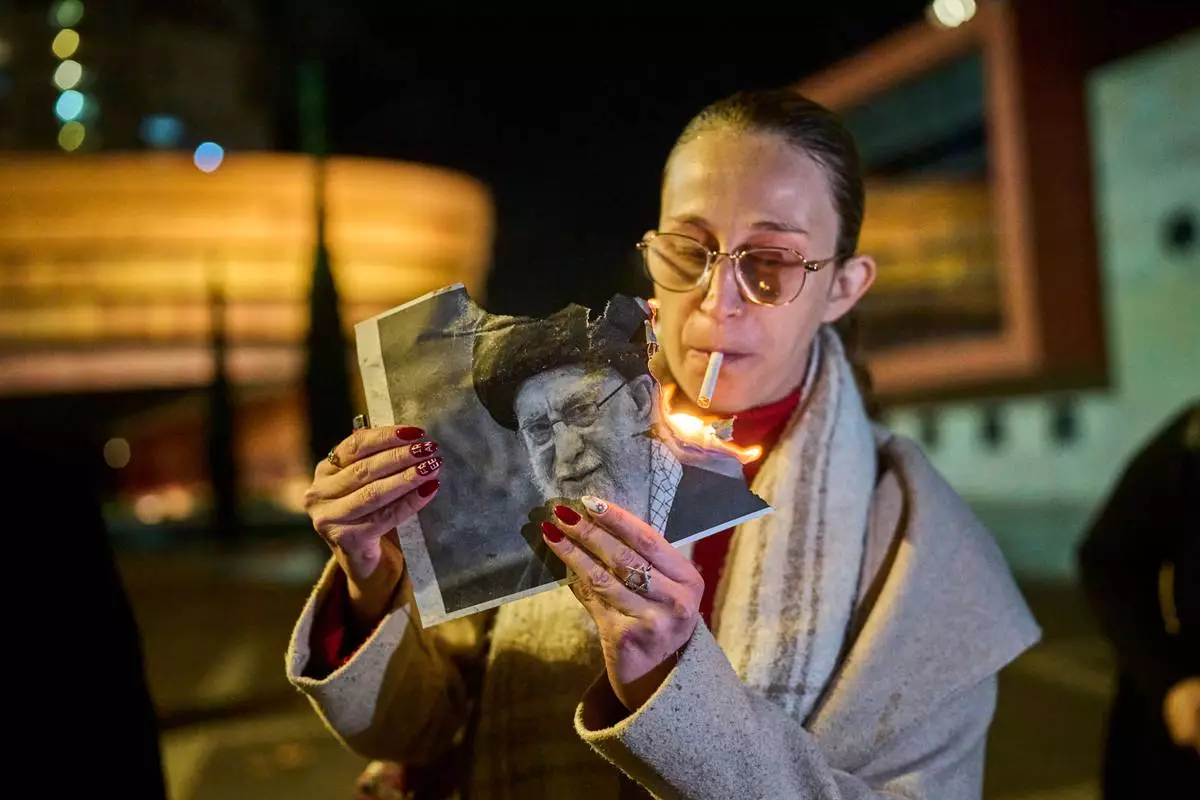
A demonstrator lights a cigarette with a burning poster depicting Supreme Leader Ayatollah Ali Khamenei during a rally in support of Iran's anti-government protests, in Holon, Israel, Wednesday, Jan. 14, 2026. (AP Photo/Ohad Zwigenberg)

A demonstrator lights a cigarette with a burning poster depicting Supreme Leader Ayatollah Ali Khamenei during a rally in support of Iran's anti-government protests, in Holon, Israel, Wednesday, Jan. 14, 2026. (AP Photo/Ohad Zwigenberg)

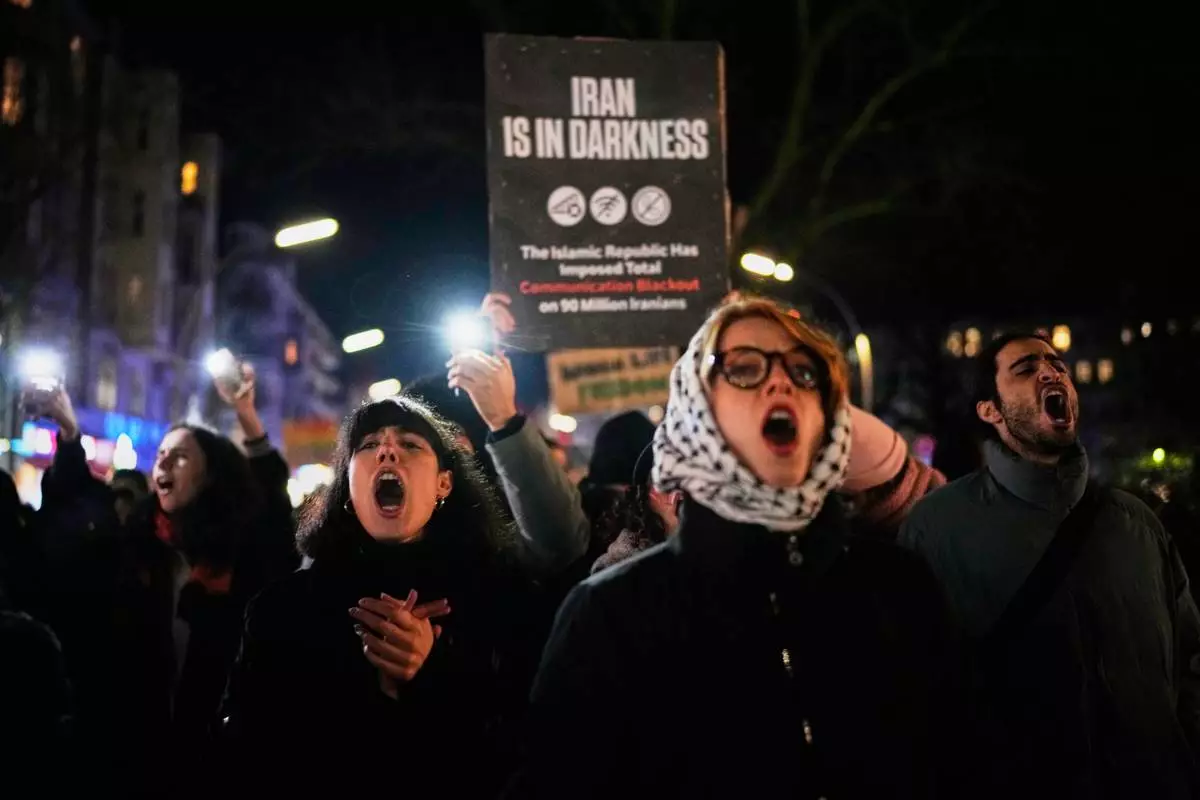
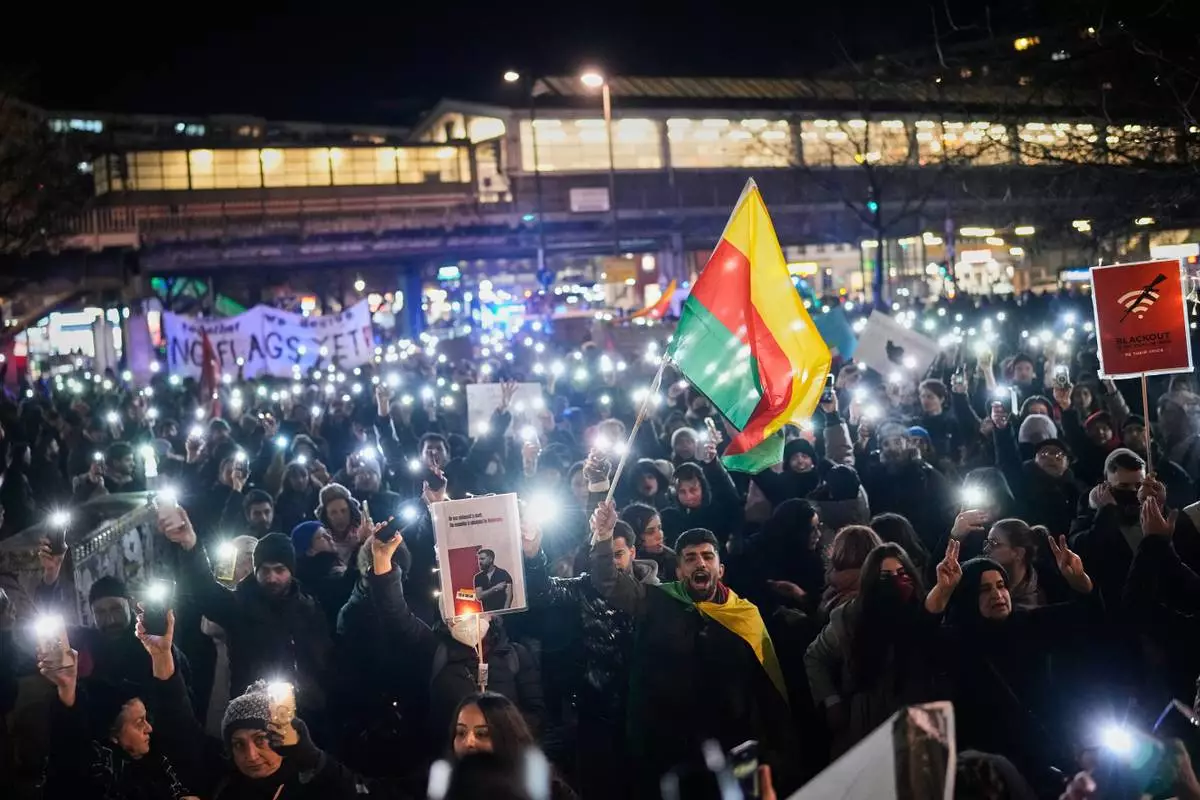
Protesters participate in a demonstration in support of the nationwide mass protests in Iran against the government, in Berlin, Germany, Wednesday, Jan. 14, 2026. (AP Photo/Ebrahim Noroozi)

Protesters participate in a demonstration in support of the nationwide mass protests in Iran against the government, in Berlin, Germany, Wednesday, Jan. 14, 2026. (AP Photo/Ebrahim Noroozi)

Protesters participate in a demonstration in support of the nationwide mass protests in Iran against the government, in Berlin, Germany, Wednesday, Jan. 14, 2026. (AP Photo/Ebrahim Noroozi)

Protesters participate in a demonstration in support of the nationwide mass protests in Iran against the government, in Berlin, Germany, Wednesday, Jan. 14, 2026. (AP Photo/Ebrahim Noroozi)

Recommended Articles