Skip to Content Facebook Feature Image

How Afghan women under Taliban rule are coding their way to a brighter future

ENT

How Afghan women under Taliban rule are coding their way to a brighter future
ENT

ENT

How Afghan women under Taliban rule are coding their way to a brighter future

2025-08-07 03:03 Last Updated At:03:10

KABUL, Afghanistan (AP) — One after the other, the opportunities vanished. Like so many other Afghan women, Sodaba could do little but watch as her country’s new Taliban government imposed a stranglehold on women’s lives.

The Taliban seized power in Afghanistan in 2021, and quickly set about implementing a dizzying array of restrictions for women: No visiting parks or gyms, no eating in restaurants, no working, except in very few professions.

More Images
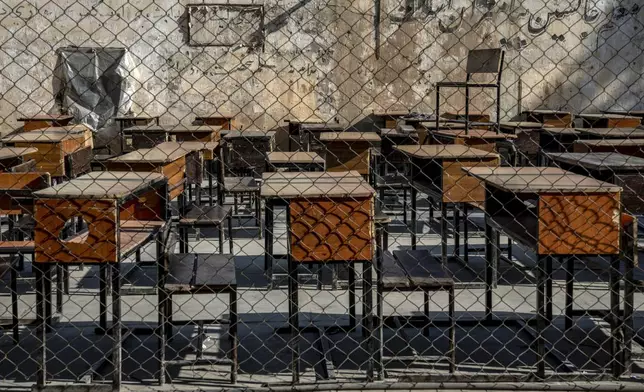
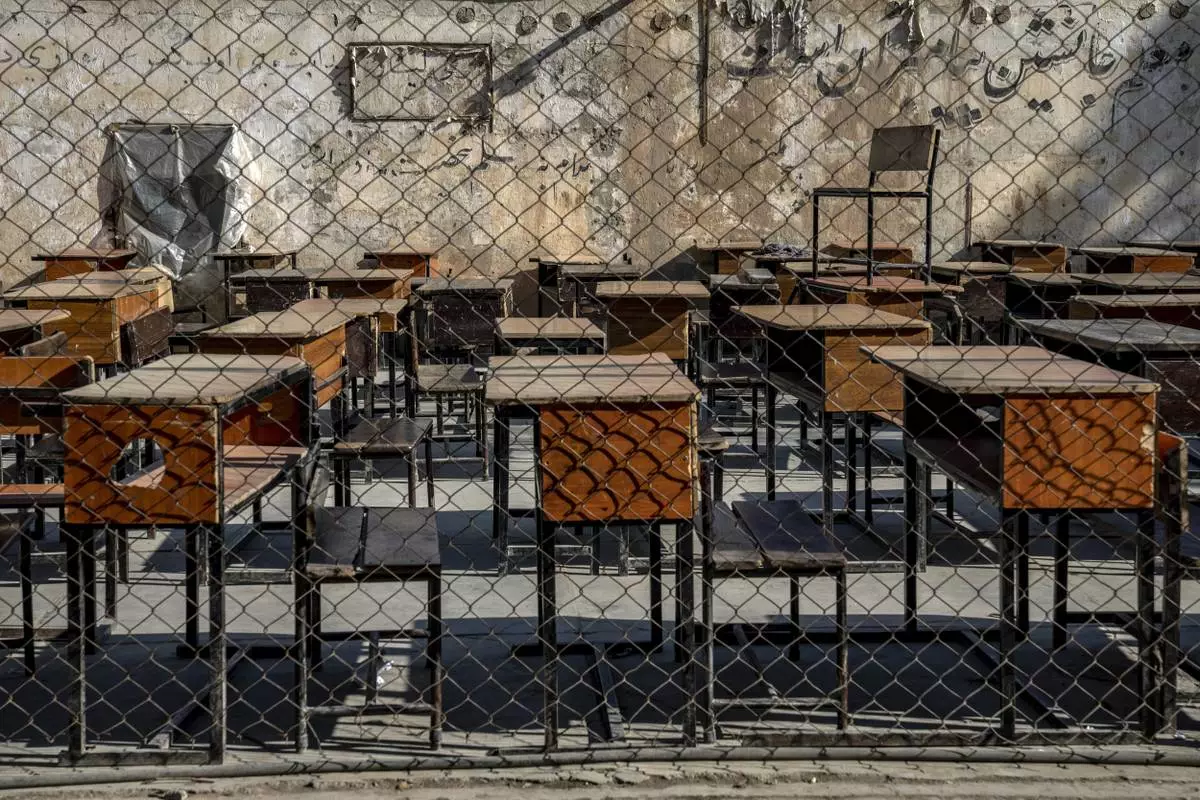
FILE - The benches of a school sit empty in Kabul, Afghanistan, on Dec. 22, 2022. (AP Photo/Ebrahim Noroozi, File)
FILE - The benches of a school sit empty in Kabul, Afghanistan, on Dec. 22, 2022. (AP Photo/Ebrahim Noroozi, File)

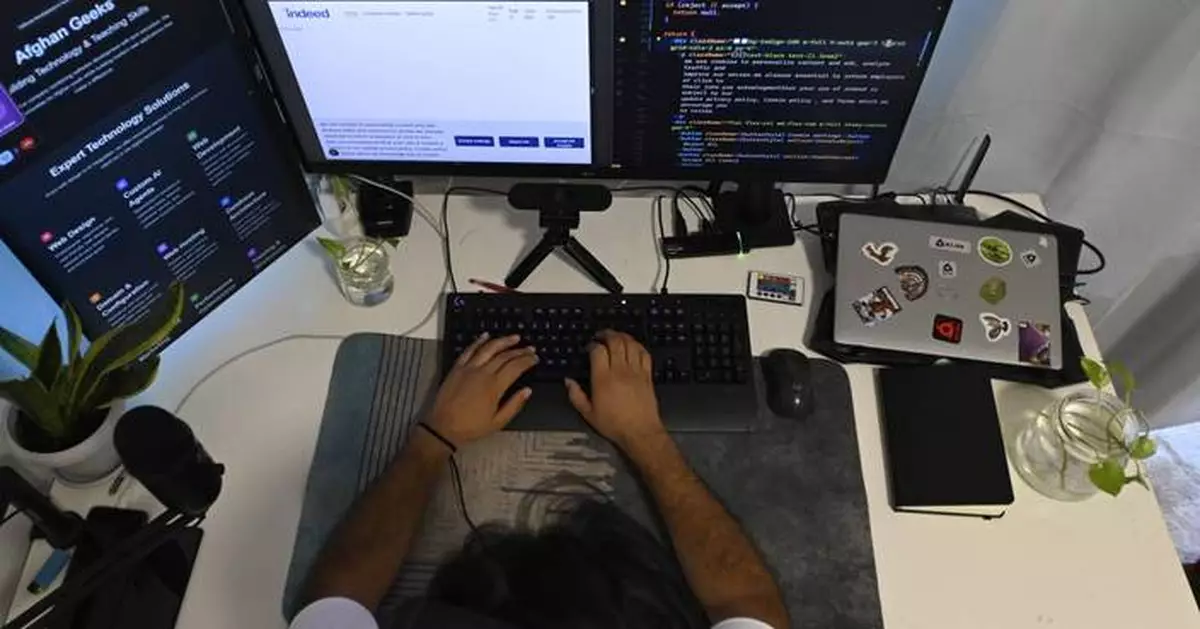
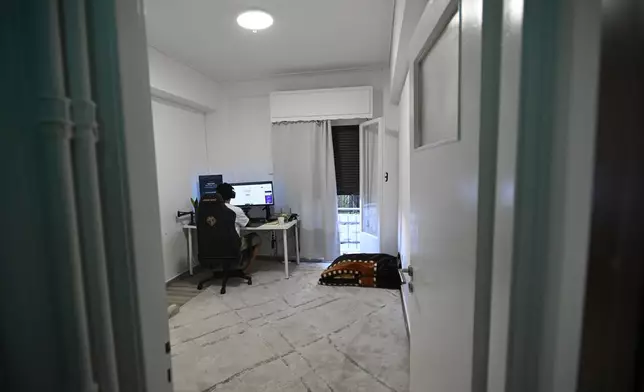
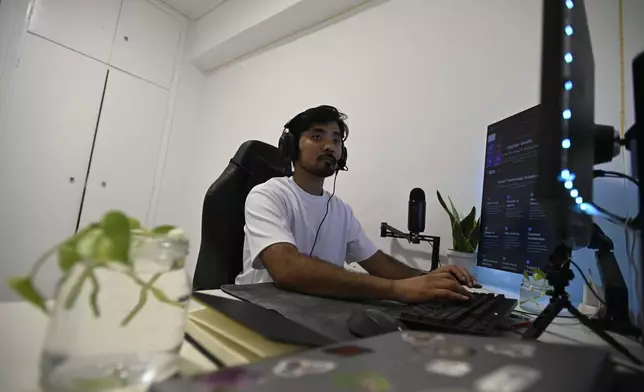
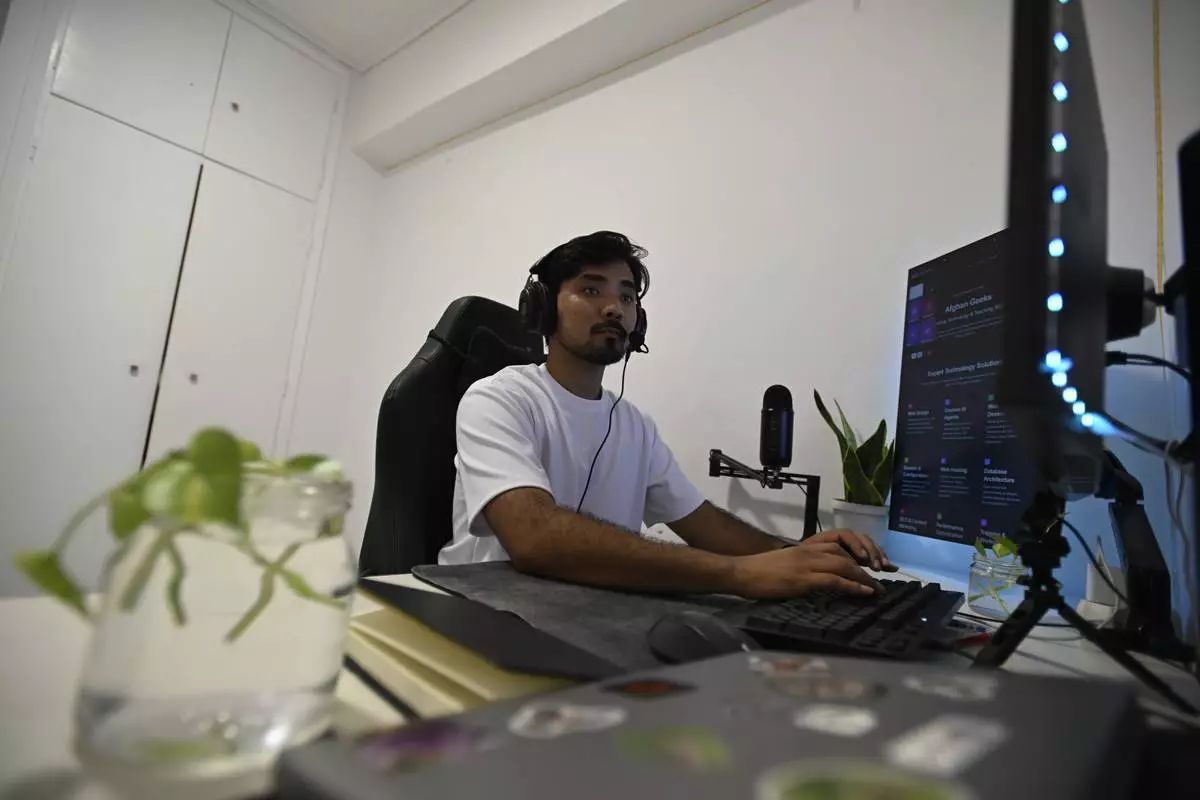
Murtaza Jafari, 25, an Afghan migrant, sits in front of his computer while teaching coding remotely to women currently living in Afghanistan, in Athens, Greece, Wednesday, July 23, 2025. (AP Photo/Michael Varaklas)
Murtaza Jafari, 25, an Afghan migrant, sits in front of his computer while teaching coding remotely to women currently living in Afghanistan, in Athens, Greece, Wednesday, July 23, 2025. (AP Photo/Michael Varaklas)
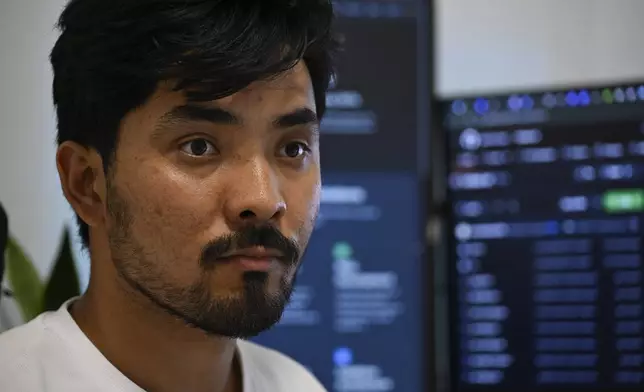
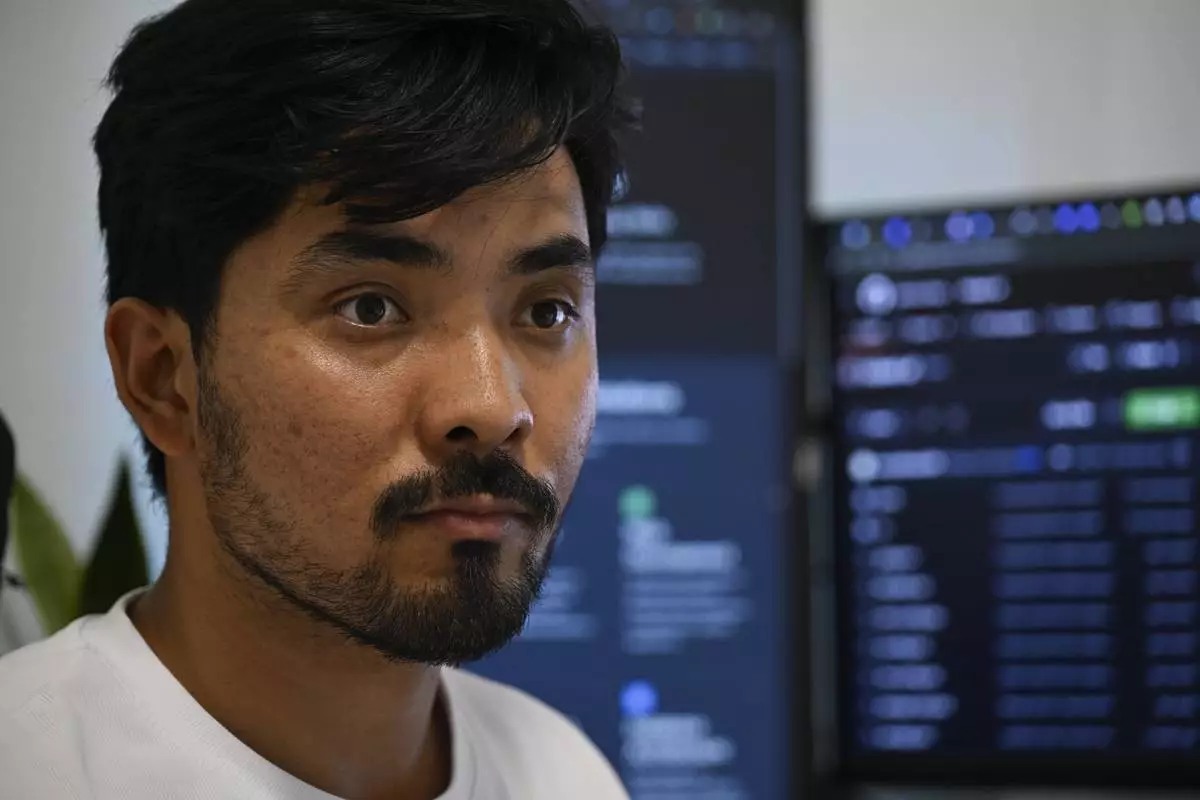
Murtaza Jafari, 25, an Afghan migrant, listens to a question during an interview with The Associated Press, after teaching coding remotely to women currently living in Afghanistan, in Athens, Greece, Wednesday, July 23, 2025. (AP Photo/Michael Varaklas)
Murtaza Jafari, 25, an Afghan migrant, listens to a question during an interview with The Associated Press, after teaching coding remotely to women currently living in Afghanistan, in Athens, Greece, Wednesday, July 23, 2025. (AP Photo/Michael Varaklas)

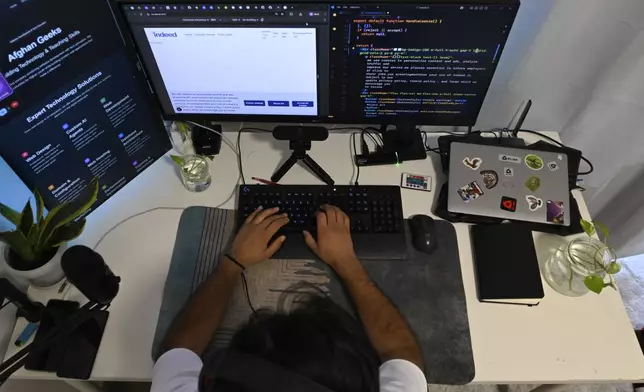
Murtaza Jafari, 25, an Afghan migrant, types code while teaching coding remotely to women currently living in Afghanistan, in Athens, Greece, Wednesday, July 23, 2025. (AP Photo/Michael Varaklas)

Murtaza Jafari, 25, an Afghan migrant, types code while teaching coding remotely to women currently living in Afghanistan, in Athens, Greece, Wednesday, July 23, 2025. (AP Photo/Michael Varaklas)

Murtaza Jafari, 25, an Afghan migrant, sits in front of his computer while teaching coding remotely to women currently living in Afghanistan, in Athens, Greece, Wednesday, July 23, 2025. (AP Photo/Michael Varaklas)

Murtaza Jafari, 25, an Afghan migrant, sits in front of his computer while teaching coding remotely to women currently living in Afghanistan, in Athens, Greece, Wednesday, July 23, 2025. (AP Photo/Michael Varaklas)

But one of the cruelest blows for the pharmacology student was the ban on education beyond primary school.

Pushed by necessity, she went online. And there, she found hope: a free computer coding course for women in Afghanistan. Taught in her own language, Dari, by a young Afghan refugee living half a world away, in Greece.

“I believe a person should not be (bowed) by circumstance, but should grow and get their dreams through every possible way,” Sodaba said. She began learning computer programming and website development.

The new skills “helped me regain my confidence and clarity in my direction,” said the 24-year-old, who asked to be identified by her first name only for safety reasons because of the education ban. “I am so happy to be part of this journey.”

The courses are part of Afghan Geeks, a company created by Murtaza Jafari, now 25, who arrived in Greece on a boat from Turkey years ago as a teenage refugee.

While living in a shelter in Athens after he arrived, Jafari received help from a teacher to enroll in a computer coding course. He knew nothing about computers — not even how to switch one on — didn’t know what coding was and didn’t speak a word of English, essential for computer programming.

“I had no idea about English. No idea, like zero zero,” he said. “And I was trying at the same time to learn Greek, learn English and then also learn computer … It was super difficult for me.”

But several months later, he earned his certificate.

Coding opened up a new world. A couple of years ago, he set up Afghan Geeks.

Jafari said that he started providing online courses last December to help women in his homeland, and as an expression of gratitude for the help he received as a youngster alone in a foreign country.

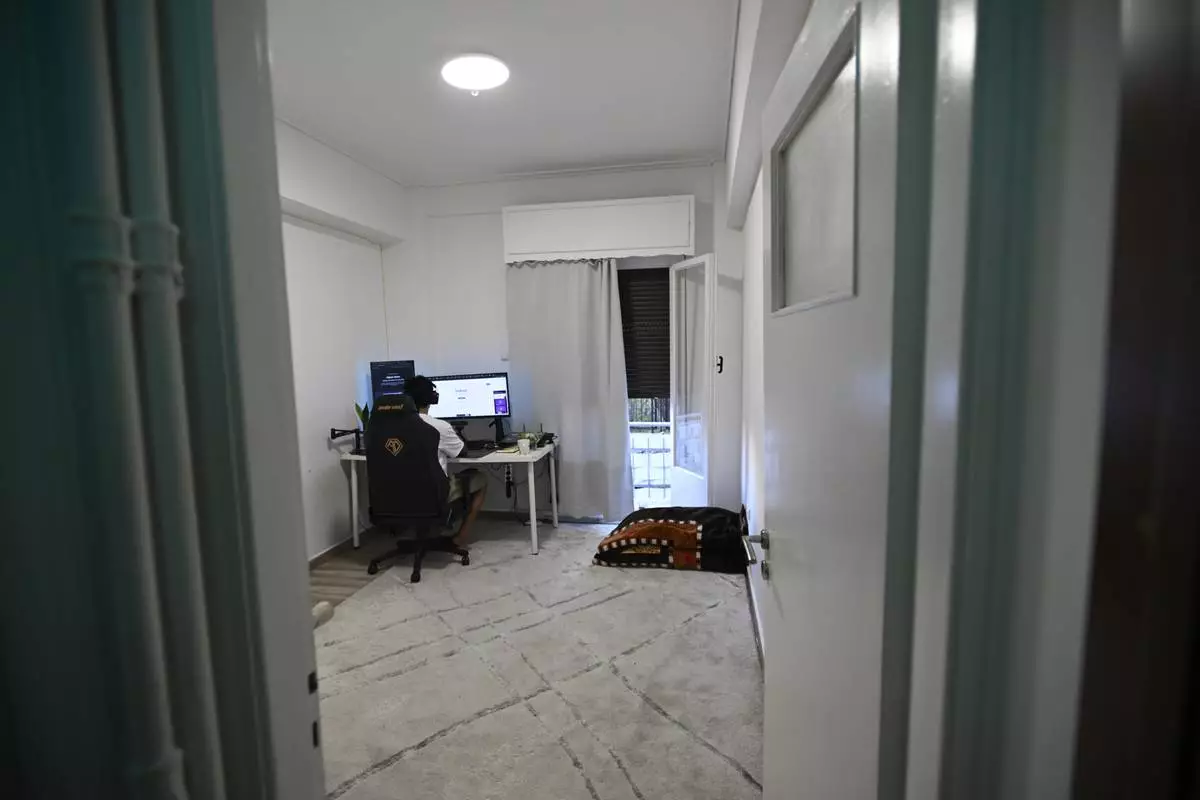
“The main goal was to give back to the community, especially to the Afghan women, what I had received from the other people for free,” he said, sitting in his sparse one-room flat in downtown Athens.

“I think … sharing knowledge is what makes a real difference to someone,” he said. “And if I share it, it just goes and expands, and then there’s more people to learn things.”

Jafari now has 28 female students in Afghanistan in three classes: beginner, intermediate and advanced.

Aside from teaching, he also mentors his students in finding online internships and jobs using their new skills. For women in a country where nearly all professions are banned, the opportunity for online work is a lifeline.

The most qualified join his team at Afghan Geeks, which also offers website development and chatbot creation services. He now has several clients, he said, from Afghanistan, the United States, the United Kingdom and Europe.

“Those clients were happy that they are contributing in a meaningful goal. So the goal was to support women … And that’s why they keep coming back for other projects that they have,” Jafari said.

Although he’s been teaching his students for seven months, Jafari has never seen their faces. He asks how they are and what the situation is in Afghanistan, “but I’ve never asked them to open their cameras or to share their profile, to share the image. I’ve never done that. I don’t want to do it, because I respect their culture, their choice.”

With the Taliban government’s restrictions increasingly confining women to their homes, and going as far as officially banning women’s voices and bare faces in public, the web has opened a new world of possibilities for women in Afghanistan.

Zuhal, a young Afghan woman whose dream of going to university was shattered, partnered with a university professor to launch an online academy for women about 18 months ago.

What began as a team of five people now has a crew of 150 teachers and administrators, and more than 4,000 students, she said.

“We are all working voluntarily with no salary, no support,” said the 20-year-old, who uses a nickname for fear of reprisals after receiving threats over the academy. “Our only aim or goal is to provide free education for girls and to enhance research in Afghanistan.”

The academy, Vision Online University, now runs courses in a range of subjects, from psychology and foreign languages to Quranic studies, nursing and public speaking, among others.

When the education ban came into effect, Zuhal said that she “was depressed because nothing was available."

“There was no school, no university, no courses,” she said. "And that really affected me.

“Then I thought (to) myself that this is not the solution. If I get depressed, that will not be helpful, not for me and not for other girls.” She decided “that I shouldn’t give up. I should do something for girls of my country.”

Now she also pursues a degree in computer science through an American online university, the University of the People.

It’s tough, she said. With no funding, the academy for women can’t pay for premium online services that allow large group meetings. She herself often struggles to afford her internet service.

“But I’m doing it because I have a goal," she said. "And my goal is to support girls. If I stop it, more than 4,000 or 5,000 girls will be depressed again.”
FILE - The benches of a school sit empty in Kabul, Afghanistan, on Dec. 22, 2022. (AP Photo/Ebrahim Noroozi, File)
FILE - The benches of a school sit empty in Kabul, Afghanistan, on Dec. 22, 2022. (AP Photo/Ebrahim Noroozi, File)

Murtaza Jafari, 25, an Afghan migrant, sits in front of his computer while teaching coding remotely to women currently living in Afghanistan, in Athens, Greece, Wednesday, July 23, 2025. (AP Photo/Michael Varaklas)
Murtaza Jafari, 25, an Afghan migrant, sits in front of his computer while teaching coding remotely to women currently living in Afghanistan, in Athens, Greece, Wednesday, July 23, 2025. (AP Photo/Michael Varaklas)
Murtaza Jafari, 25, an Afghan migrant, listens to a question during an interview with The Associated Press, after teaching coding remotely to women currently living in Afghanistan, in Athens, Greece, Wednesday, July 23, 2025. (AP Photo/Michael Varaklas)

Murtaza Jafari, 25, an Afghan migrant, listens to a question during an interview with The Associated Press, after teaching coding remotely to women currently living in Afghanistan, in Athens, Greece, Wednesday, July 23, 2025. (AP Photo/Michael Varaklas)
Murtaza Jafari, 25, an Afghan migrant, types code while teaching coding remotely to women currently living in Afghanistan, in Athens, Greece, Wednesday, July 23, 2025. (AP Photo/Michael Varaklas)
Murtaza Jafari, 25, an Afghan migrant, types code while teaching coding remotely to women currently living in Afghanistan, in Athens, Greece, Wednesday, July 23, 2025. (AP Photo/Michael Varaklas)
Murtaza Jafari, 25, an Afghan migrant, sits in front of his computer while teaching coding remotely to women currently living in Afghanistan, in Athens, Greece, Wednesday, July 23, 2025. (AP Photo/Michael Varaklas)
Murtaza Jafari, 25, an Afghan migrant, sits in front of his computer while teaching coding remotely to women currently living in Afghanistan, in Athens, Greece, Wednesday, July 23, 2025. (AP Photo/Michael Varaklas)
WASHINGTON (AP) — U.S. forces in the Caribbean Sea have seized another sanctioned oil tanker that the Trump administration says has ties to Venezuela, part of a broader U.S. effort to take control of the South American country’s oil.

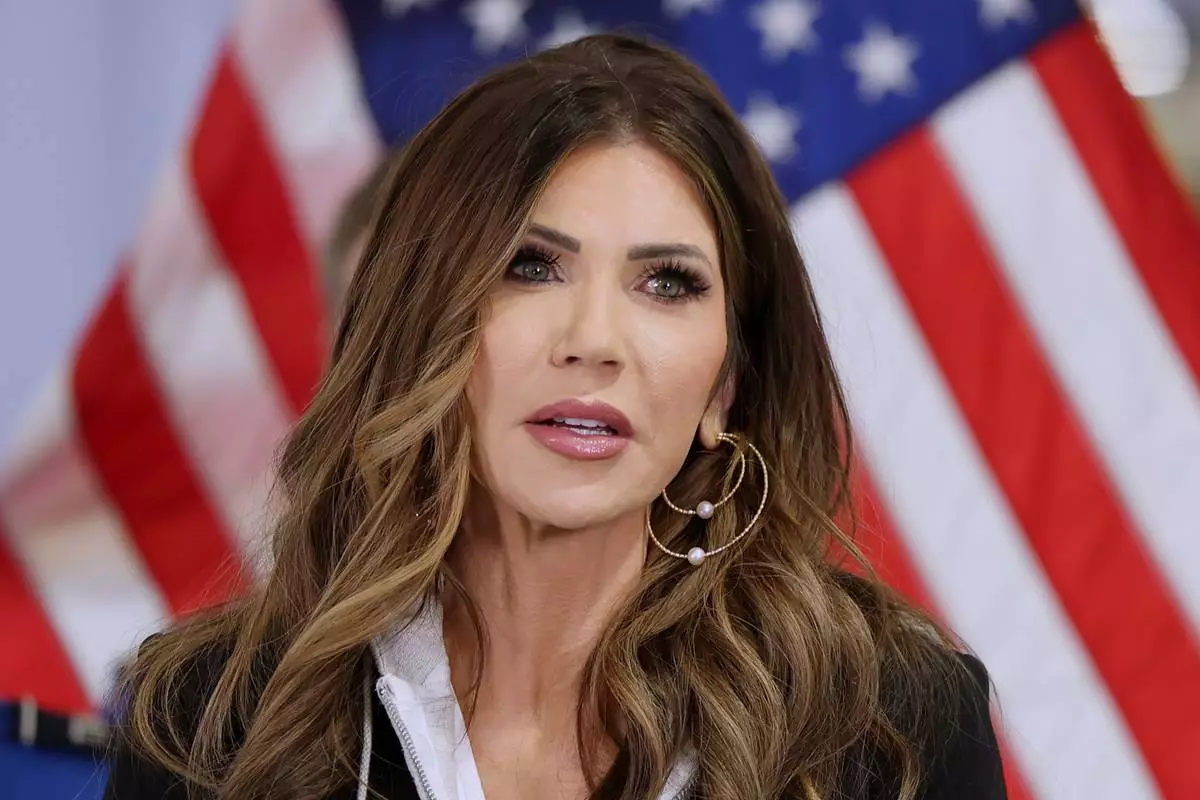
The U.S. Coast Guard boarded the tanker, named Veronica, early Thursday, Homeland Security Secretary Kristi Noem wrote on social media. The ship had previously passed through Venezuelan waters and was operating in defiance of President Donald Trump’s "established quarantine of sanctioned vessels in the Caribbean,” she said.

U.S. Southern Command said Marines and sailors launched from the aircraft carrier USS Gerald R. Ford to take part in the operation alongside a Coast Guard tactical team, which Noem said conducted the boarding as in previous raids. The military said the ship was seized “without incident.”

Several U.S. government social media accounts posted brief videos that appeared to show various parts of the ship’s capture. Black-and-white footage showed at least four helicopters approaching the ship before hovering over the deck while armed troops dropped down by rope. At least nine people could be seen on the deck of the ship.

The Veronica is the sixth sanctioned tanker seized by U.S. forces as part of the effort by Trump’s administration to control the production, refining and global distribution of Venezuela’s oil products and the fourth since the U.S. ouster of Venezuela President Nicolás Maduro in a surprise nighttime raid almost two weeks ago.

The Veronica last transmitted its location on Jan. 3 as being at anchor off the coast of Aruba, just north of Venezuela’s main oil terminal. According to the data it transmitted at the time, it was partially filled with crude.

The ship is currently listed as flying the flag of Guyana and is considered part of the shadow fleet that moves cargoes of oil in violation of U.S. sanctions.

According to its registration data, the ship also has been known as the Gallileo, owned and managed by a company in Russia. In addition, a tanker with the same registration number previously sailed under the name Pegas and was sanctioned by the U.S. Treasury Department for moving cargoes of illicit Russian oil.

As with prior posts about such raids, Noem and the military framed the seizure as part of an effort to enforce the law. Noem argued that the multiple captures show that “there is no outrunning or escaping American justice.”

Speaking to reporters at the White House later Thursday, Noem declined to say how many sanctioned oil tankers the U.S. is tracking or whether the government is keeping tabs on freighters beyond the Caribbean Sea.

“I can’t speak to the specifics of the operation, although we are watching the entire shadow fleet and how they’re moving,” she told reporters.

However, other officials in Trump's Republican administration have made clear that they see the actions as a way to generate cash as they seek to rebuild Venezuela’s battered oil industry and restore its economy.

Trump met with executives from oil companies last week to discuss his goal of investing $100 billion in Venezuela to repair and upgrade its oil production and distribution. His administration has said it expects to sell at least 30 million to 50 million barrels of sanctioned Venezuelan oil.

This story has been corrected to show the Veronica is the fourth, not the third, tanker seized by U.S. forces since Maduro’s capture and the ship also has been known as the Gallileo, not the Galileo.

Associated Press writer Ben Finley contributed to this report.

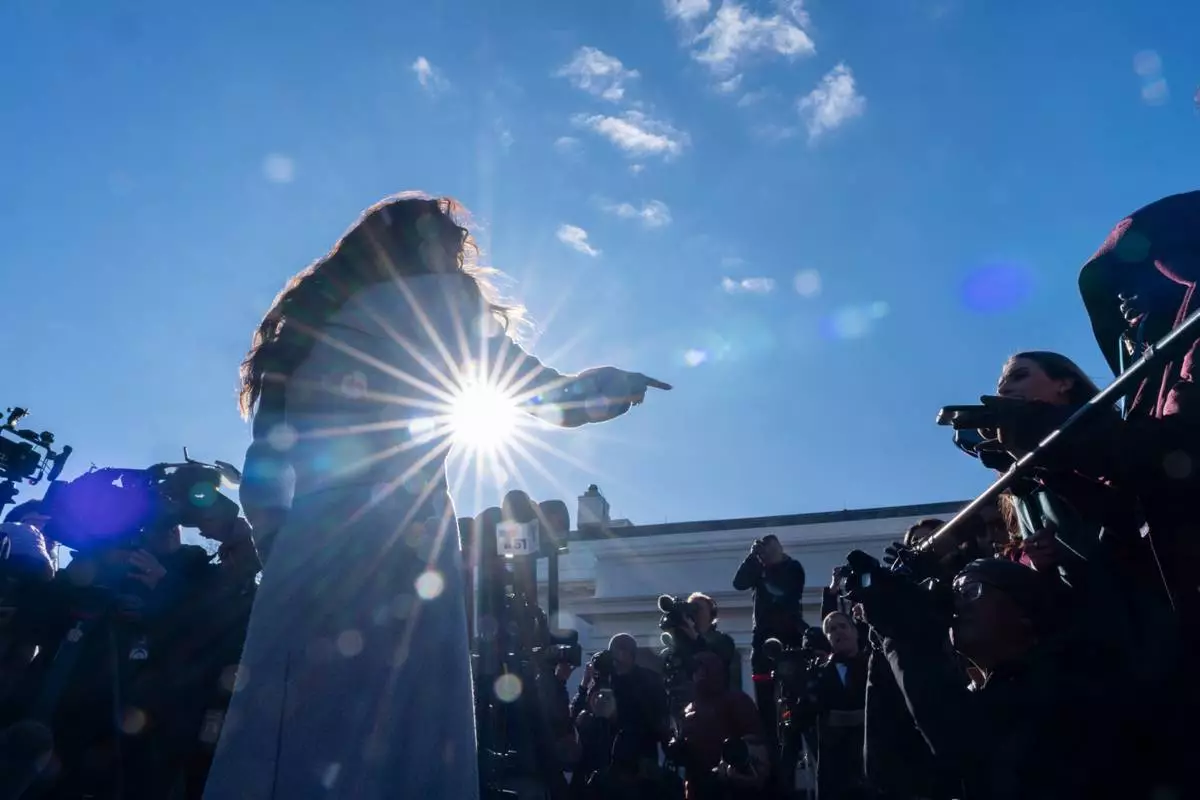
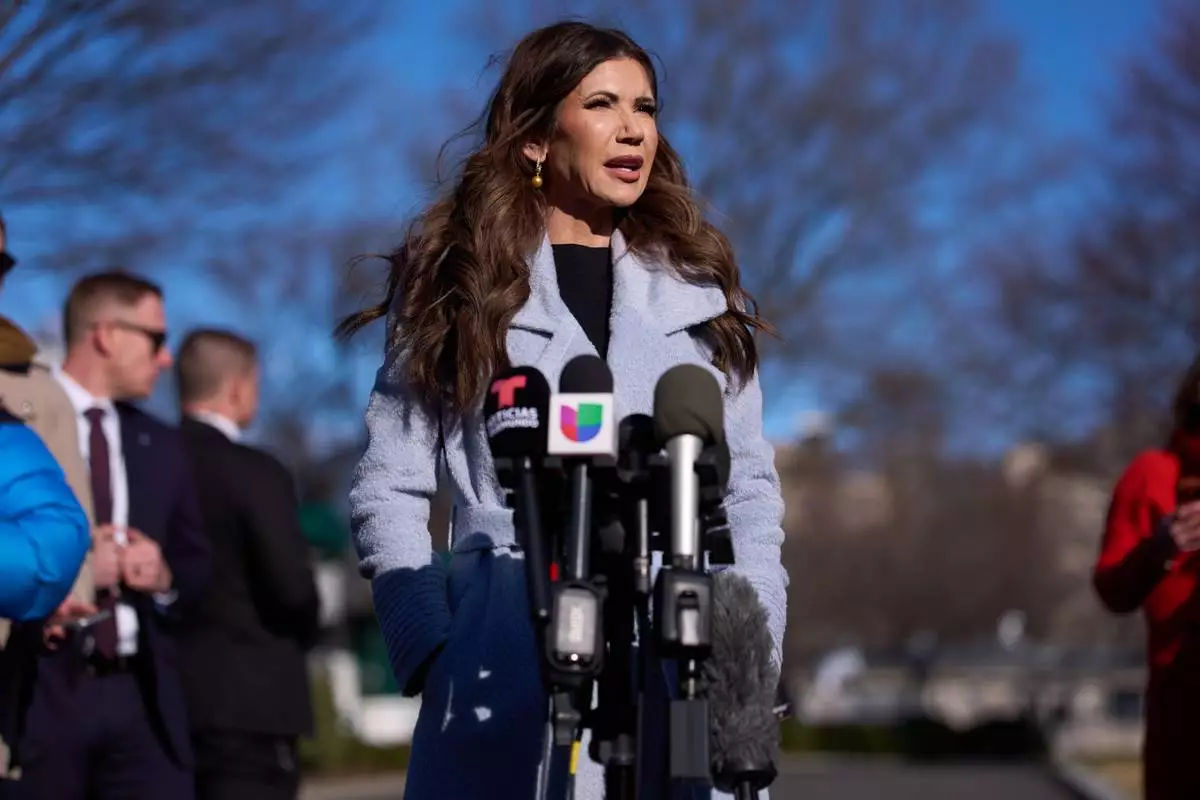
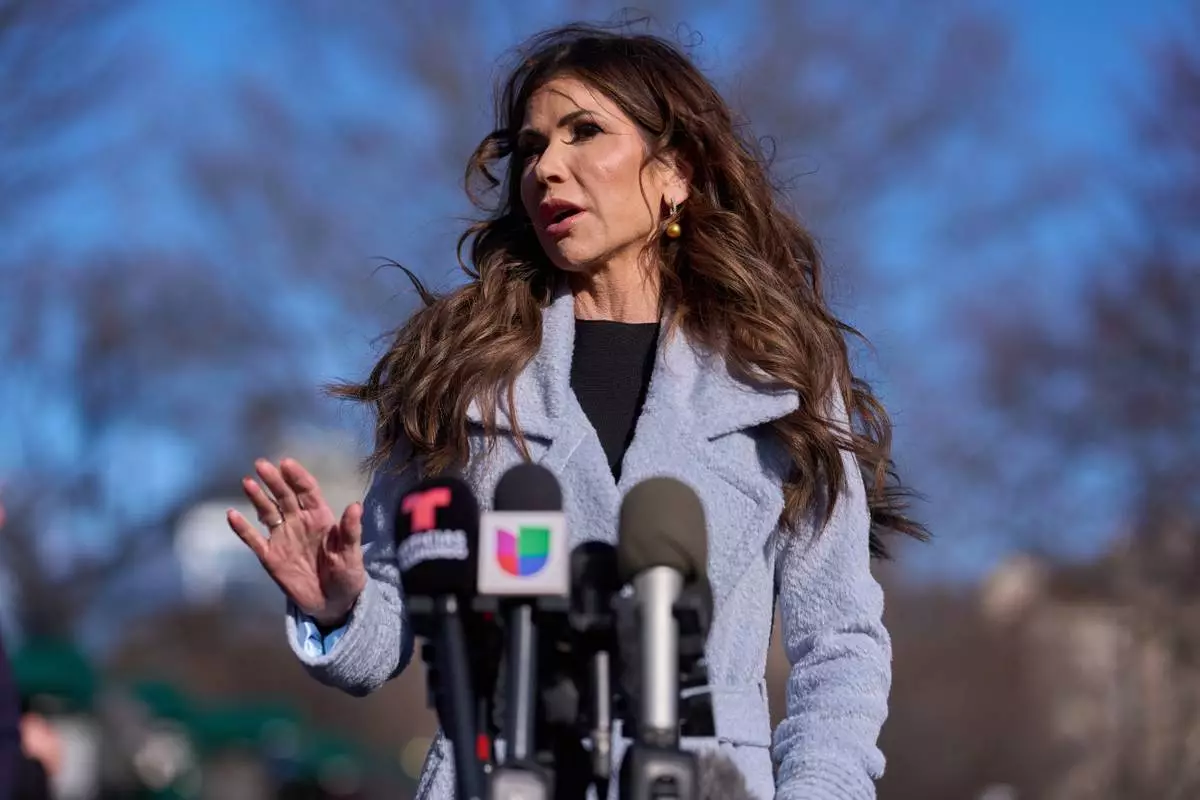
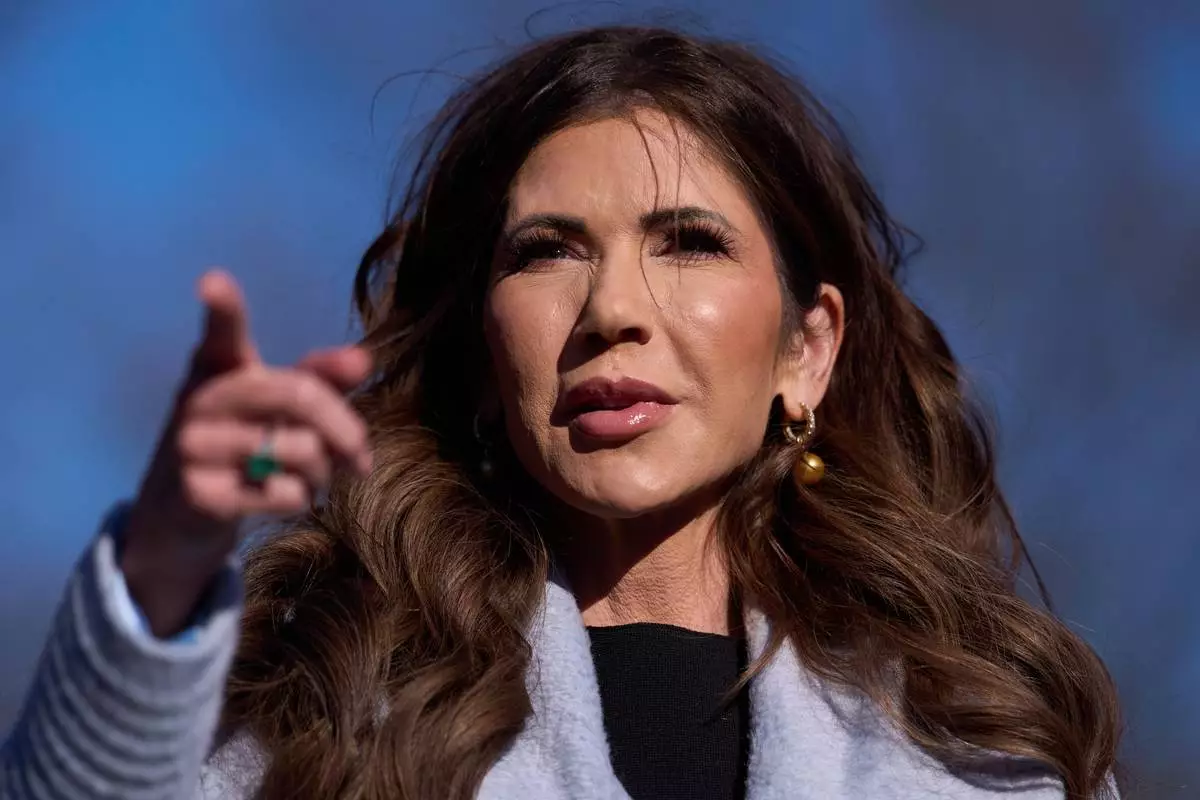
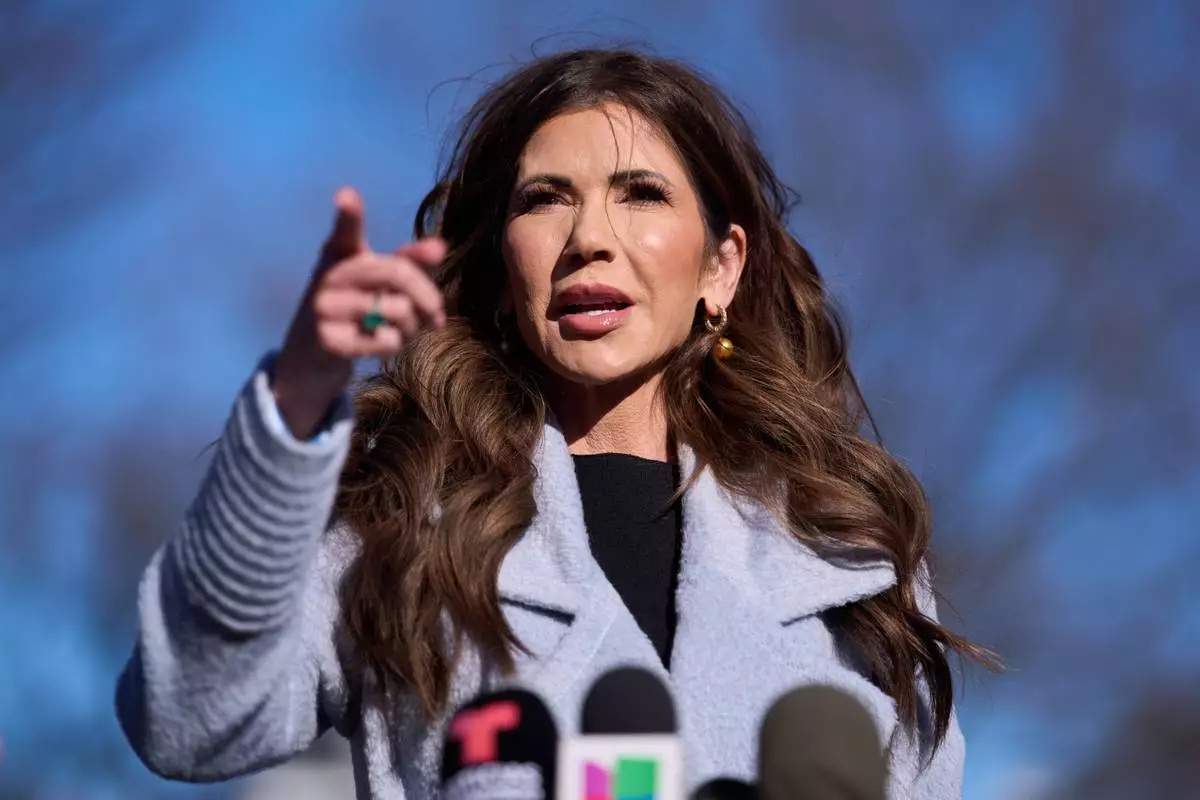
Homeland Security Secretary Kristi Noem speaks with reporters at the White House, Thursday, Jan. 15, 2026, in Washington. (AP Photo/Alex Brandon)

Homeland Security Secretary Kristi Noem speaks with reporters at the White House, Thursday, Jan. 15, 2026, in Washington. (AP Photo/Alex Brandon)

Homeland Security Secretary Kristi Noem speaks with reporters at the White House, Thursday, Jan. 15, 2026, in Washington. (AP Photo/Evan Vucci)

Homeland Security Secretary Kristi Noem speaks with reporters at the White House, Thursday, Jan. 15, 2026, in Washington. (AP Photo/Evan Vucci)

Homeland Security Secretary Kristi Noem speaks with reporters at the White House, Thursday, Jan. 15, 2026, in Washington. (AP Photo/Evan Vucci)

Homeland Security Secretary Kristi Noem speaks with reporters at the White House, Thursday, Jan. 15, 2026, in Washington. (AP Photo/Evan Vucci)

Homeland Security Secretary Kristi Noem speaks with reporters at the White House, Thursday, Jan. 15, 2026, in Washington. (AP Photo/Evan Vucci)

Homeland Security Secretary Kristi Noem speaks with reporters at the White House, Thursday, Jan. 15, 2026, in Washington. (AP Photo/Evan Vucci)

Homeland Security Secretary Kristi Noem speaks with reporters at the White House, Thursday, Jan. 15, 2026, in Washington. (AP Photo/Evan Vucci)

Homeland Security Secretary Kristi Noem speaks with reporters at the White House, Thursday, Jan. 15, 2026, in Washington. (AP Photo/Evan Vucci)

U.S. Homeland Security Secretary Kristi Noem speaks during a press conference, Thursday, Jan. 8, 2026, in New York. (AP Photo/Yuki Iwamura)

U.S. Homeland Security Secretary Kristi Noem speaks during a press conference, Thursday, Jan. 8, 2026, in New York. (AP Photo/Yuki Iwamura)

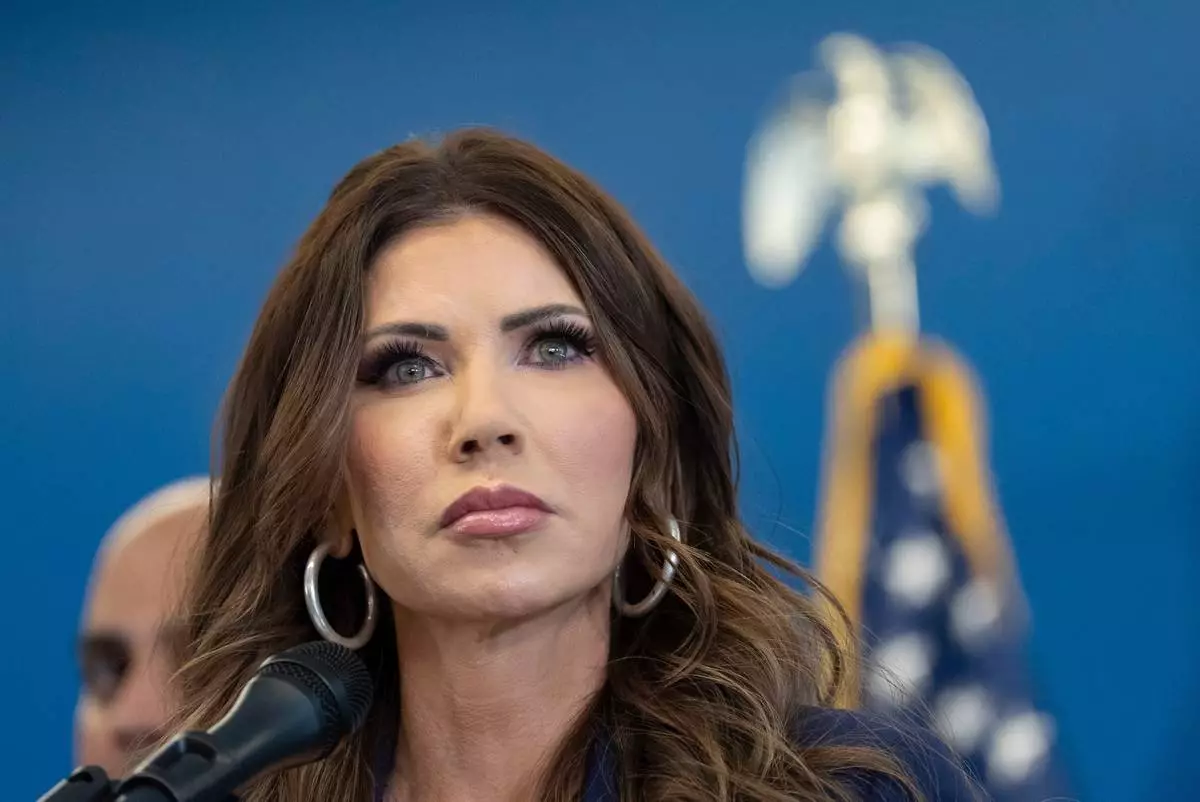
U.S. Homeland Security Secretary Kristi Noem speaks at a news conference at Harry Reid International Airport, Nov. 22, 2025, in Las Vegas. (AP Photo/Ronda Churchill, File)

U.S. Homeland Security Secretary Kristi Noem speaks at a news conference at Harry Reid International Airport, Nov. 22, 2025, in Las Vegas. (AP Photo/Ronda Churchill, File)

Recommended Articles