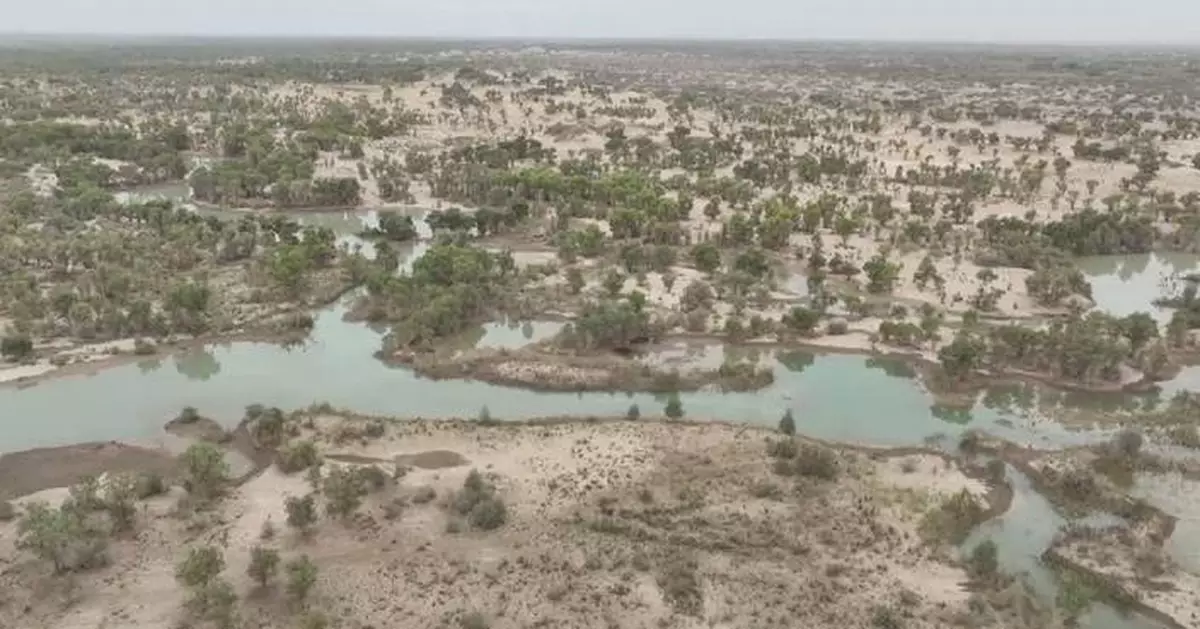
The second phase of this year's ecological water transfer to the lower reaches of the Tarim River in northwest China's Xinjiang Uygur Autonomous Region began on Tuesday, as sluice gates at the Daxihaizi Reservoir on the river's main stem were opened, releasing a steady flow of water into the arid downstream region.
The Tarim River, China's longest inland river, runs 1,321 kilometers along the rim of the expansive and barren Tarim Basin.
The released water will travel approximately 360 kilometers through deserts, wastelands, and natural populus euphratica forests before finally reaching Taitema Lake in the southeastern part of the basin.
This phase of the water transfer is scheduled to last 75 days, with 330 million cubic meters of water to be delivered
Relevant authorities have employed a "low-flow, long-duration, multi-period" release strategy to ensure precise and scientific control of the water flow to minimize the risk of uncontrolled flooding while maximizing ecological benefits.
Xinjiang has carried out the ecological water transfer program annually since 2000, with each year's efforts consisting of two phases.
The first phase, conducted from March to April, provides critical moisture during the key period of seed germination and the greening of shrubs and trees.
The second phase, currently underway, leverages increased water volume from the upper reaches during the flood season to deliver much-needed replenishment to vegetation along the riverbanks and in surrounding areas in the lower reaches. It is expected to last till late October.
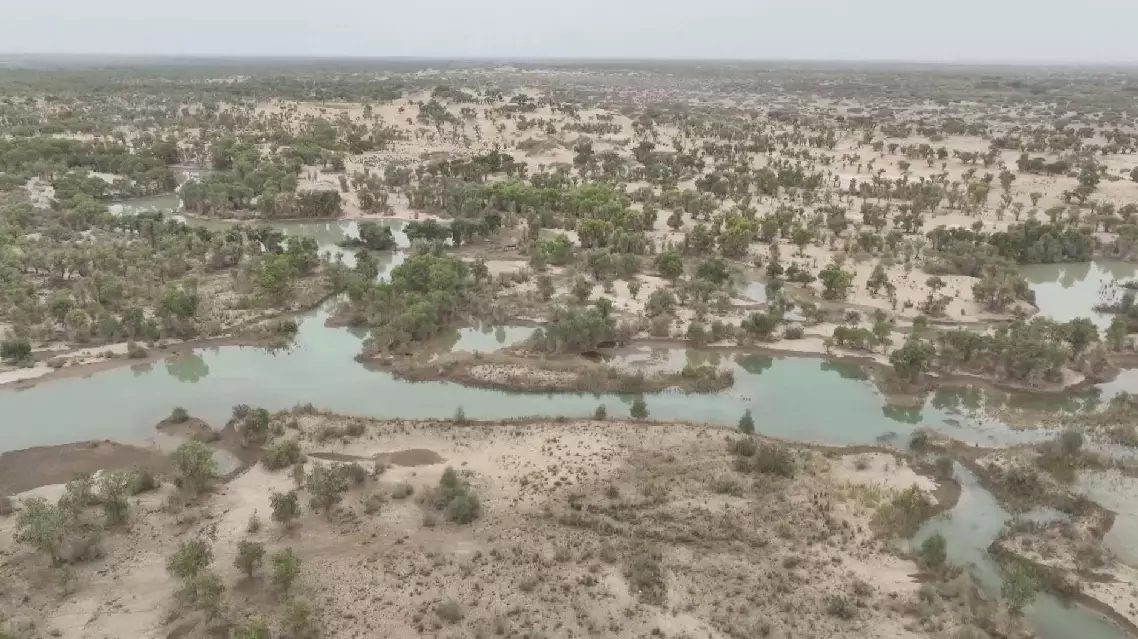
Xinjiang begins new water transfer for China's largest inland river
The Republic of Korea (ROK)'s former impeached President Yoon Suk-yeol on Friday was sentenced to five years in prison on arrest obstruction charges.
The criminal division of the Seoul Central District Court in charge of Yoon's obstruction of justice case handed down the prison sentence to Yoon for abusing the presidential security service to hinder the anti-corruption agency from executing its arrest warrant in January 2025.
The Corruption Investigation Office for High-ranking Officials (CIO) was once thwarted in its attempt to arrest Yoon as the presidential security service formed human shields and bus blockades to prevent investigators from entering the presidential residence.
The team of Cho Eun-suk, an independent counsel who led investigations into Yoon's insurrection and other charges, demanded a 10-year prison term for Yoon.
The court said Yoon privatized the presidential security service for personal safety and private interests by blocking the law enforcement agencies' lawful execution of an arrest warrant and attempting to destroy evidence, pointing out that despite the very bad nature of his crime, he consistently offered unconvincing excuses and showed no remorse.
The court stressed that severe punishment was necessary, considering the need to restore the rule of law damaged by Yoon's crime, but it noted that the fact that he was a first-time offender with no criminal record was considered a favorable factor.
The sentencing, which was broadcast live, was Yoon's first verdict coming from his botched martial law bid.
The first-instance sentencing for Yoon's insurrection charges was scheduled for Feb 19. The special counsel sought a death penalty for Yoon on the charges.
Yoon declared emergency martial law on the night of Dec 3 in 2024, but it was revoked hours later by the National Assembly.
The constitutional court upheld a motion to impeach Yoon in April 2025, officially removing him from office.
The ousted leader was indicted while in detention in January 2025 on charges of leading an insurrection, becoming the first sitting ROK president facing such prosecution.
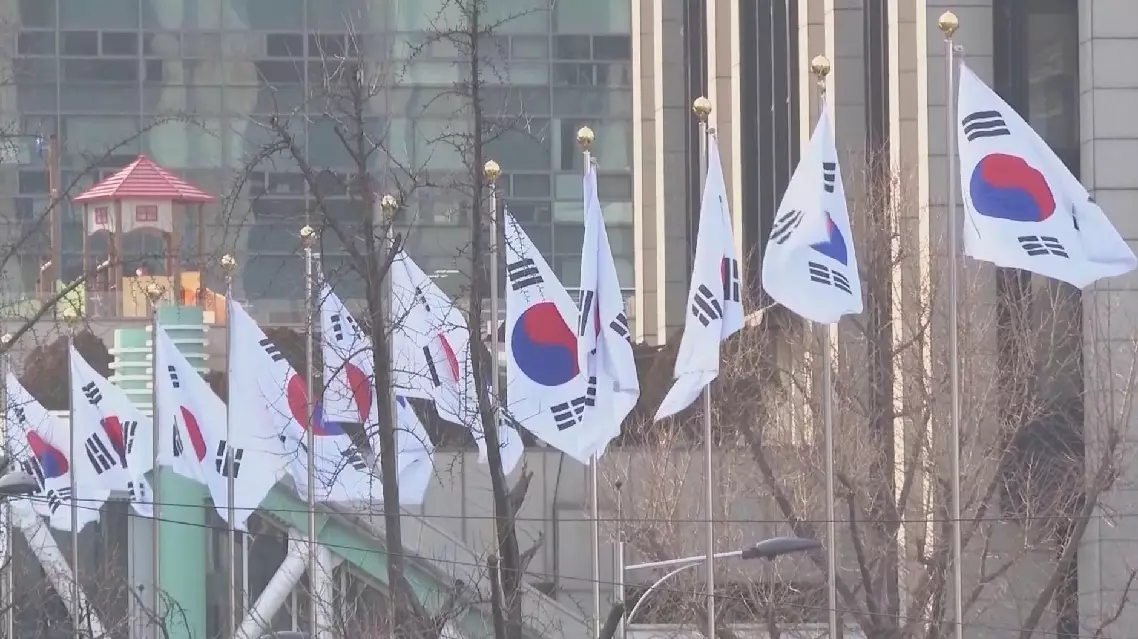
ROK ex-president Yoon sentenced to 5 years in prison on arrest obstruction charges