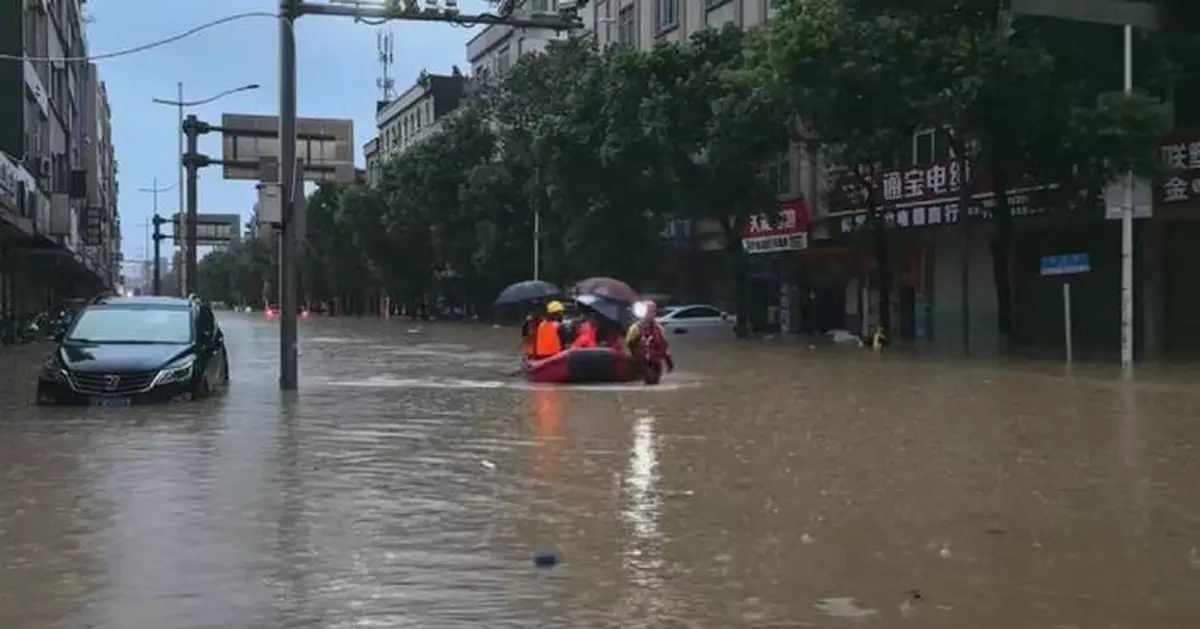
Firefighters in Dongguan, south China's Guangdong Province, had evacuated about 160 residents and rescued 20 people trapped in floodwaters as of Wednesday noon during the latest round of heavy rains.
Since early Monday, torrential rains have caused widespread flooding in Dongguan, submerging roads, homes, and vehicles, and leaving some residents stranded.
The city's fire and rescue department quickly set up troubleshooting teams to carry out rescue and evacuation operations.
On Tuesday morning, villages in Dalang Town were hit by severe flooding. Firefighters rushed to move trapped residents to safety.
In a local industrial zone in Zhangmutou Town, six people were stranded on a rooftop after floodwaters submerged the ground floor of a building. They were later rescued by an emergency team.
In Tangxia Town, rescuers drove a rubber boat to deliver three people from the roof of a submerged van to safety.
Firefighters in Changping Town delivered a pregnant woman and her family trapped by flood waters to an ambulance.
Heavy rains and rescue efforts are continuing across Dongguan as emergency services remain on high alert.
On Wednesday, the National Commission for Disaster Prevention, Reduction and Relief launched a Level-IV emergency response for severe rainstorm and flood disasters in Guangdong Province, dispatching work teams to the affected areas to assess the situation and assist local authorities in ensuring basic living needs and disaster relief for affected residents.
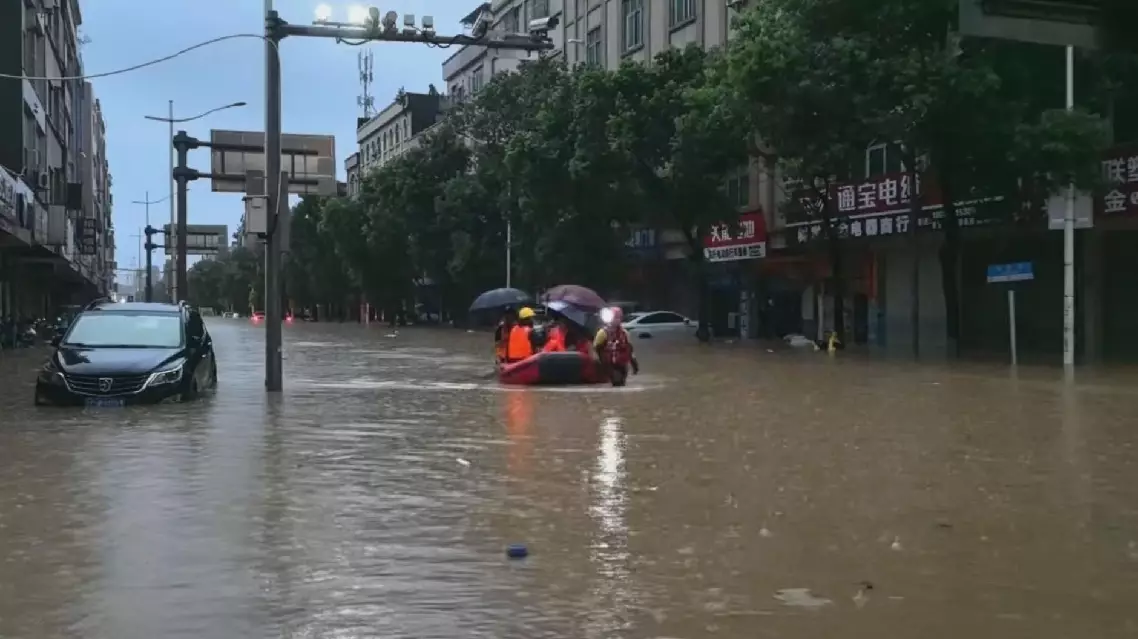
Firefighters evacuate 160 from severe Dongguan flooding
China's Minister of Commerce Wang Wentao outlined the key priorities of the 32nd Asia-Pacific Economic Cooperation (APEC) Ministers Responsible for Trade Meeting, which opened on Friday in Suzhou, East China's Jiangsu province.
In an interview with CGTN ahead of the two-day meeting, Wang said free trade, digital cooperation and green economy are high on the agenda of the meeting.
"The key areas include advancing regional economic integration and the Free Trade Area of the Asia-Pacific, supporting the World Trade Organization (WTO) in strengthening digital cooperation and developing green economy. At present, the international situation is marked by intertwined turbulence and chaos, with intensified geopolitical instability. The rise of unilateralism and protectionism poses serious challenges to the international economic and trade order, disrupting global and Asia-Pacific development. Against this backdrop, all parties have higher expectations for this trade ministers' meeting, hoping that it can build consensus and deliver outcomes," Wang said.
This year marks China's third time hosting the APEC meetings and the 35th anniversary of its membership.
By 2025, China had become the largest trading partner of 13 APEC economies. Trade between China and APEC economies reached 3.7 trillion U.S. dollars, accounting for 57.8 percent of China's total foreign trade.
China has signed 24 free trade agreements or economic and trade arrangements with 31 countries and regions, including 15 APEC economies. In recent years, China has also completed upgrades of free trade agreements with APEC economies such as Singapore and Peru.
The minister said that China has always been a firm supporter and an important contributor to APEC.
"We have actively shared our vast market and development opportunities with all parties. China's door to the world will only open wider and wider. Facing the common challenges, China will continue to fulfill its responsibilities as a major country, further deepen reform, expand high-standard opening-up, and continue to provide new opportunities for the Asia-Pacific region and the world with its new achievements in Chinese modernization," the minister said.
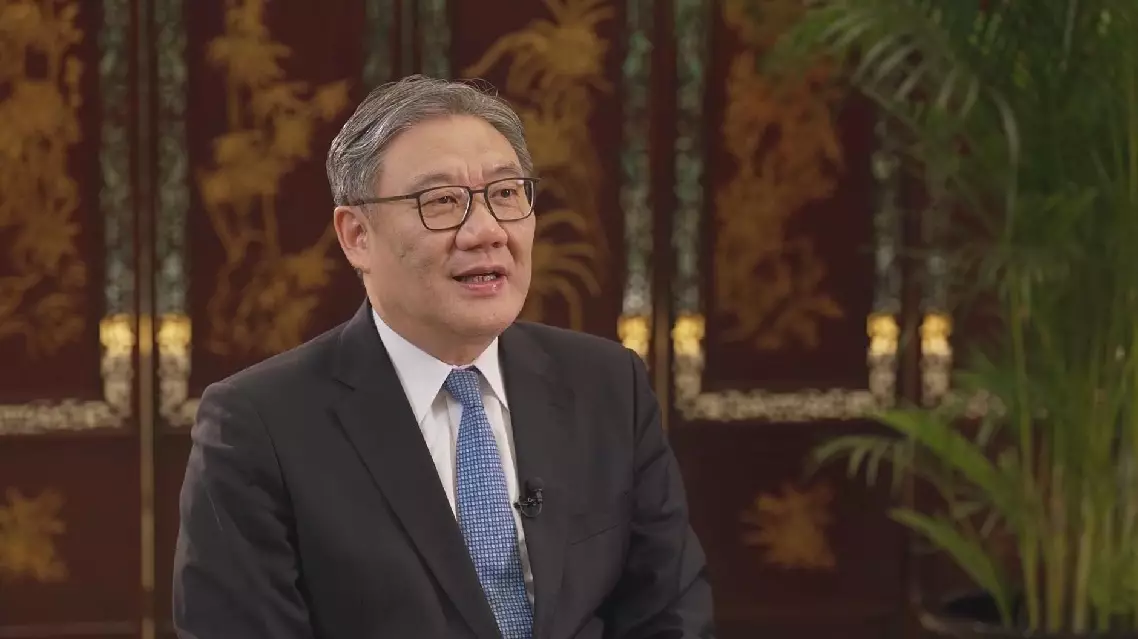
China's Commerce Minister outlines priorities for 32nd APEC trade ministers' meeting