WASHINGTON (AP) — So-called mRNA vaccines saved millions of lives during the COVID-19 pandemic — and now scientists are using that Nobel Prize-winning technology to try to develop vaccines and treatments against a long list of diseases including cancer and cystic fibrosis.
But this week, U.S. Health Secretary Robert F. Kennedy Jr., a longtime vaccine critic, canceled $500 million in government-funded research projects to create new mRNA vaccines against respiratory illnesses that might trigger another health emergency.
That dismays infectious disease experts who note that mRNA allows faster production of shots than older vaccine-production methods, buying precious time if another pandemic were to emerge.
Using older technology to target a pandemic flu strain would take 18 months to “make enough vaccine to vaccinate only about one-fourth of the world," said Michael Osterholm of the University of Minnesota, an expert on pandemic preparation. But using mRNA technology “could change that dramatically, such that by the end of the first year, we could vaccinate the world.”
Traditionally, making vaccines required growing viruses or pieces of viruses called proteins — often in giant vats of cells or, like most flu shots, in chicken eggs — and then purifying them. Injecting a small dose as a vaccine trains the body how to recognize when a real infection hits so it's ready to fight back.
But that technology takes a long time. Using mRNA is a faster process.
The “m” stands for messenger, meaning mRNA carries instructions for our bodies to make proteins. Scientists figured out how to harness that natural process by making mRNA in a lab.
They take a snippet of that genetic code that carries instructions for making the protein they want the vaccine to target. Injecting that snippet instructs the body to become its own mini-vaccine factory, making enough copies of the protein for the immune system to recognize and react.
Years of research show protection from COVID-19 vaccines — both the types made with mRNA and a type made with traditional technology — does wane over time. The vaccinations provide the strongest protection against severe infection and death, even if people still become infected.
But that's a common feature with both the coronavirus and flu because both viruses continually mutate. That's the reason we're told to get a flu vaccine every year — using vaccines made with traditional methods, not mRNA.
Today's COVID-19 vaccines made with mRNA by Pfizer and Moderna can be updated more quickly each year than traditional types, an advantage that now has multiple companies developing other vaccines using the technology.
Osterholm counts about 15 infectious disease vaccines that could benefit from mRNA technology, but that's not the only potential. Many disease therapies take aim at proteins, making mRNA a potential technique for developing new treatments. Researchers already are testing an mRNA-based therapeutic vaccine for pancreatic cancer. Genetic diseases are another target, such as an experimental inhaled therapy for cystic fibrosis.
AP video journalist Nathan Ellgren contributed to this report.
The Associated Press Health and Science Department receives support from the Howard Hughes Medical Institute’s Department of Science Education and the Robert Wood Johnson Foundation. The AP is solely responsible for all content.
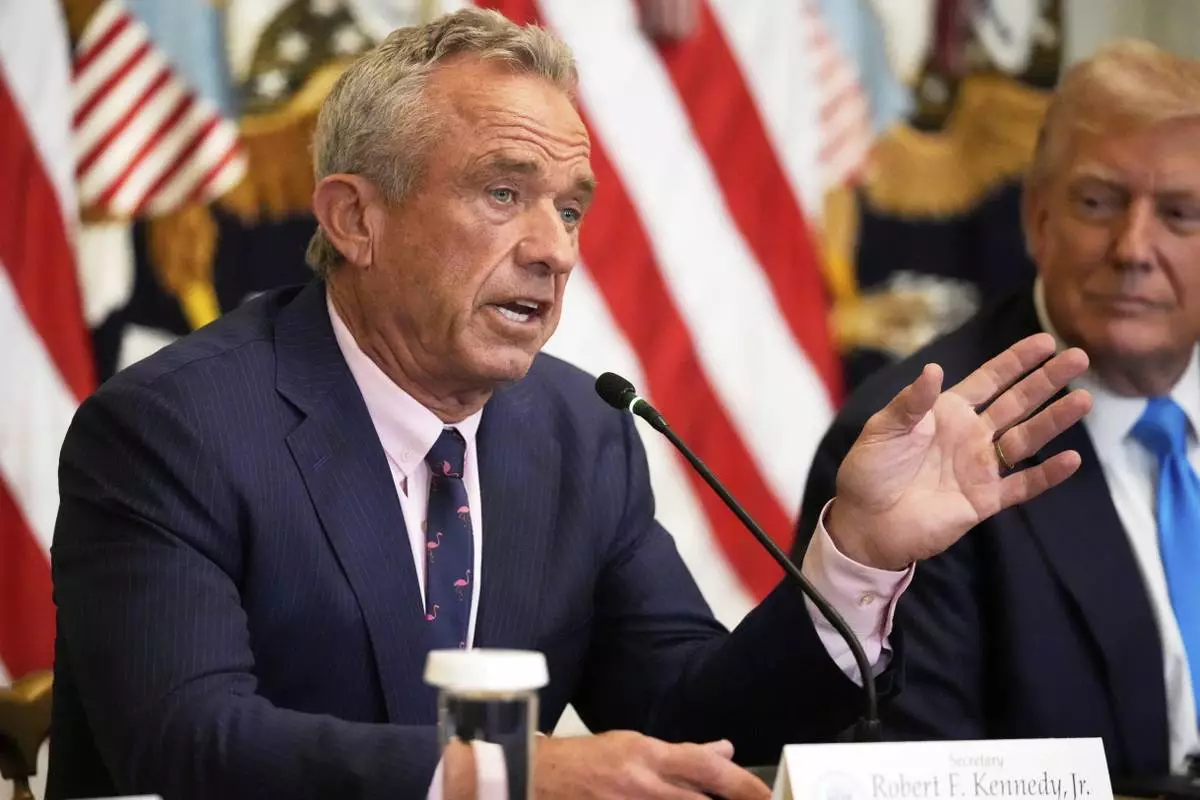
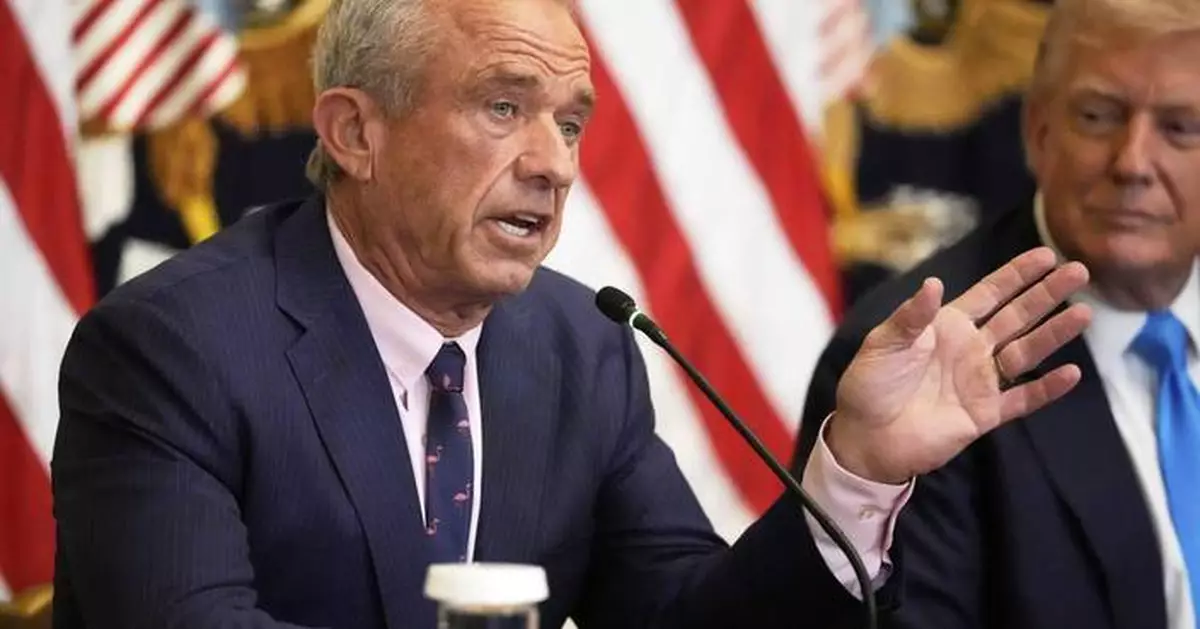
Health and Human Services Secretary Robert F. Kennedy Jr. speaks as President Donald Trump listens at an event to promote his proposal to improve Americans' access to their medical records in the East Room of the White House, Wednesday, July 30, 2025, in Washington. (AP Photo/Mark Schiefelbein)
WASHINGTON (AP) — U.S. forces in the Caribbean Sea have seized another sanctioned oil tanker that the Trump administration says has ties to Venezuela, part of a broader U.S. effort to take control of the South American country’s oil.
The U.S. Coast Guard boarded the tanker, named Veronica, early Thursday, Homeland Security Secretary Kristi Noem wrote on social media. The ship had previously passed through Venezuelan waters and was operating in defiance of President Donald Trump’s "established quarantine of sanctioned vessels in the Caribbean,” she said.
U.S. Southern Command said Marines and sailors launched from the aircraft carrier USS Gerald R. Ford to take part in the operation alongside a Coast Guard tactical team, which Noem said conducted the boarding as in previous raids. The military said the ship was seized “without incident.”
Several U.S. government social media accounts posted brief videos that appeared to show various parts of the ship’s capture. Black-and-white footage showed at least four helicopters approaching the ship before hovering over the deck while armed troops dropped down by rope. At least nine people could be seen on the deck of the ship.
The Veronica is the sixth sanctioned tanker seized by U.S. forces as part of the effort by Trump’s administration to control the production, refining and global distribution of Venezuela’s oil products and the fourth since the U.S. ouster of Venezuela President Nicolás Maduro in a surprise nighttime raid almost two weeks ago.
The Veronica last transmitted its location on Jan. 3 as being at anchor off the coast of Aruba, just north of Venezuela’s main oil terminal. According to the data it transmitted at the time, it was partially filled with crude.
The ship is currently listed as flying the flag of Guyana and is considered part of the shadow fleet that moves cargoes of oil in violation of U.S. sanctions.
According to its registration data, the ship also has been known as the Gallileo, owned and managed by a company in Russia. In addition, a tanker with the same registration number previously sailed under the name Pegas and was sanctioned by the U.S. Treasury Department for moving cargoes of illicit Russian oil.
As with prior posts about such raids, Noem and the military framed the seizure as part of an effort to enforce the law. Noem argued that the multiple captures show that “there is no outrunning or escaping American justice.”
Speaking to reporters at the White House later Thursday, Noem declined to say how many sanctioned oil tankers the U.S. is tracking or whether the government is keeping tabs on freighters beyond the Caribbean Sea.
“I can’t speak to the specifics of the operation, although we are watching the entire shadow fleet and how they’re moving,” she told reporters.
However, other officials in Trump's Republican administration have made clear that they see the actions as a way to generate cash as they seek to rebuild Venezuela’s battered oil industry and restore its economy.
Trump met with executives from oil companies last week to discuss his goal of investing $100 billion in Venezuela to repair and upgrade its oil production and distribution. His administration has said it expects to sell at least 30 million to 50 million barrels of sanctioned Venezuelan oil.
This story has been corrected to show the Veronica is the fourth, not the third, tanker seized by U.S. forces since Maduro’s capture and the ship also has been known as the Gallileo, not the Galileo.
Associated Press writer Ben Finley contributed to this report.
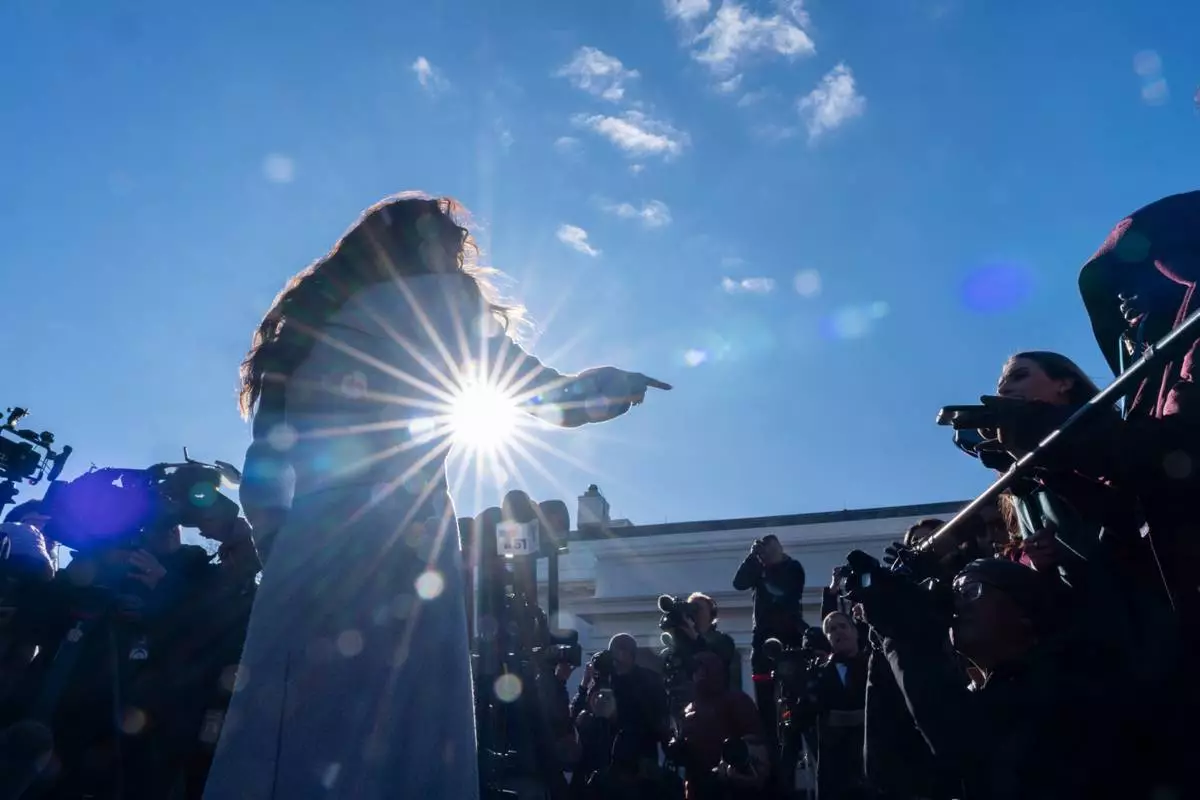
Homeland Security Secretary Kristi Noem speaks with reporters at the White House, Thursday, Jan. 15, 2026, in Washington. (AP Photo/Alex Brandon)
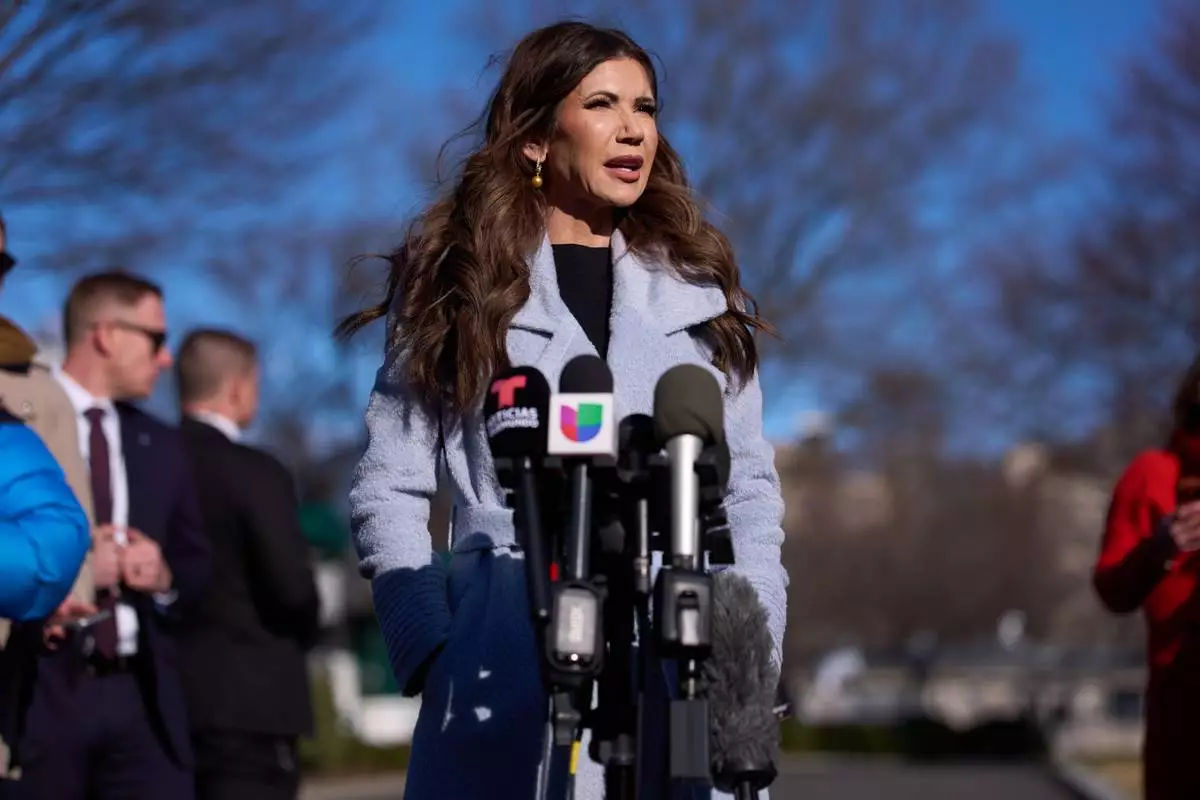
Homeland Security Secretary Kristi Noem speaks with reporters at the White House, Thursday, Jan. 15, 2026, in Washington. (AP Photo/Evan Vucci)
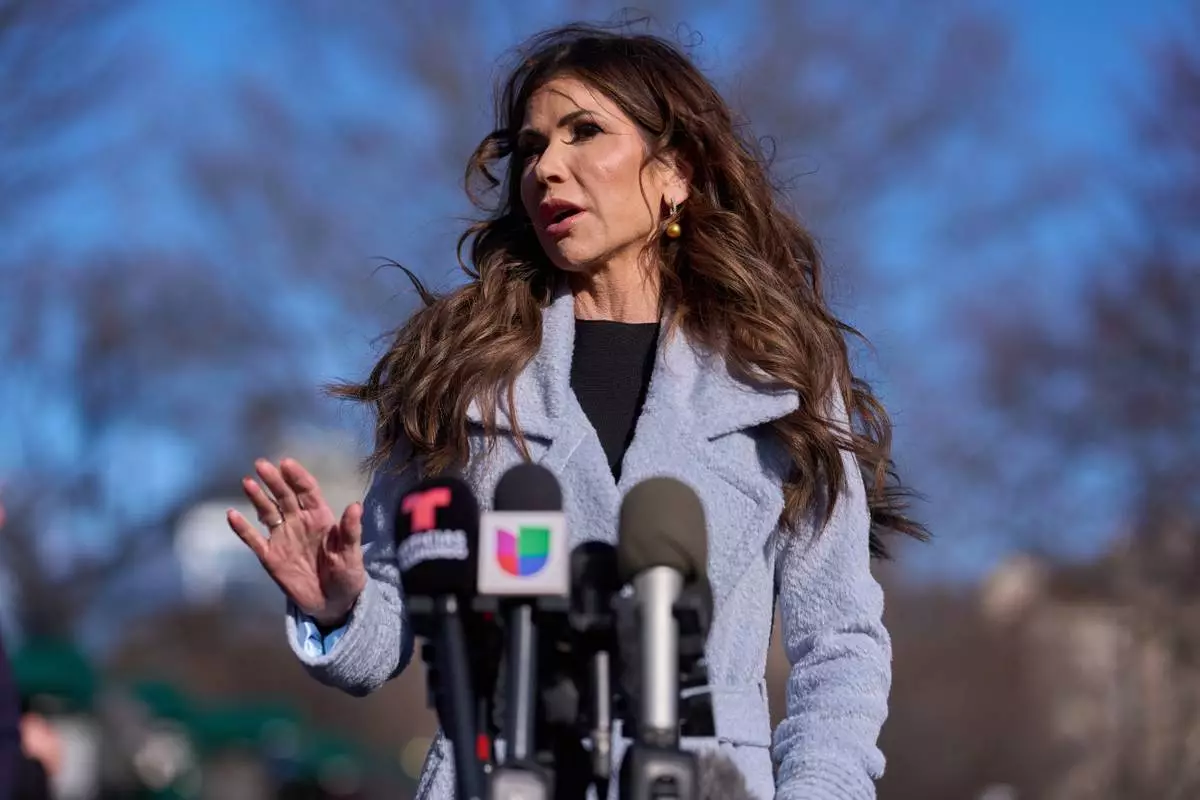
Homeland Security Secretary Kristi Noem speaks with reporters at the White House, Thursday, Jan. 15, 2026, in Washington. (AP Photo/Evan Vucci)
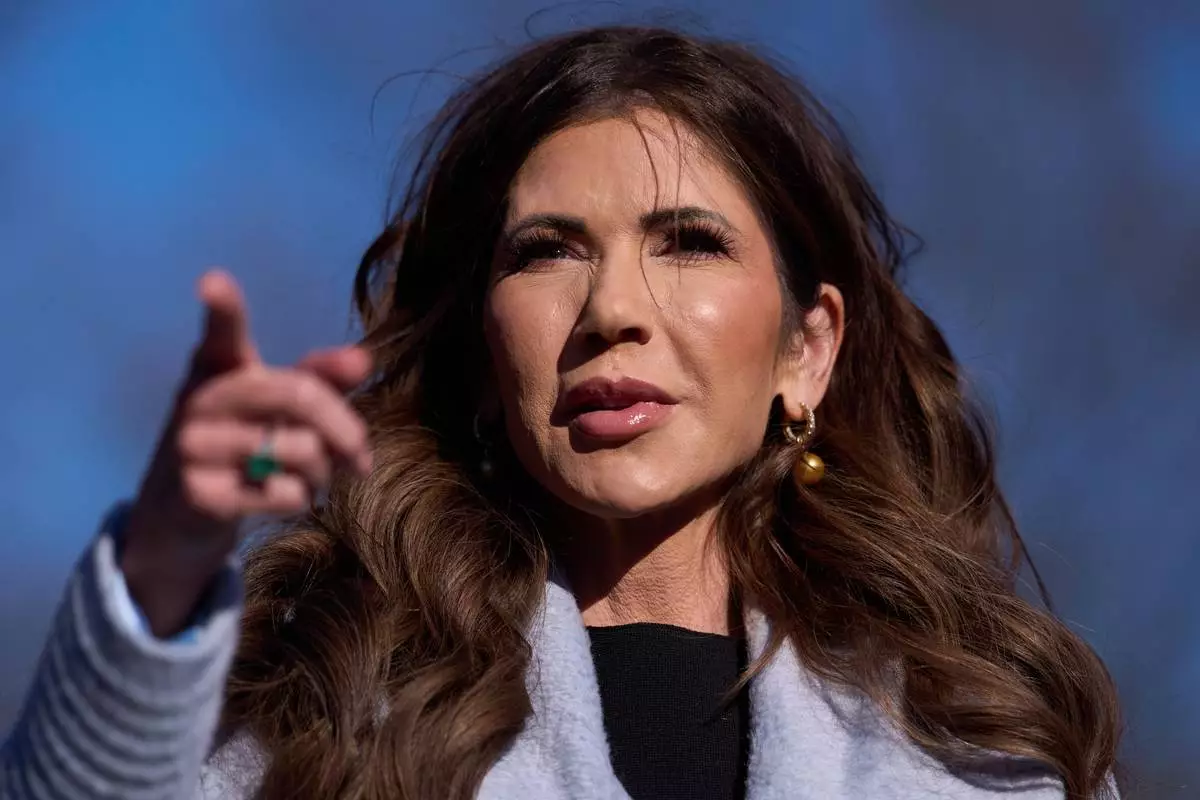
Homeland Security Secretary Kristi Noem speaks with reporters at the White House, Thursday, Jan. 15, 2026, in Washington. (AP Photo/Evan Vucci)
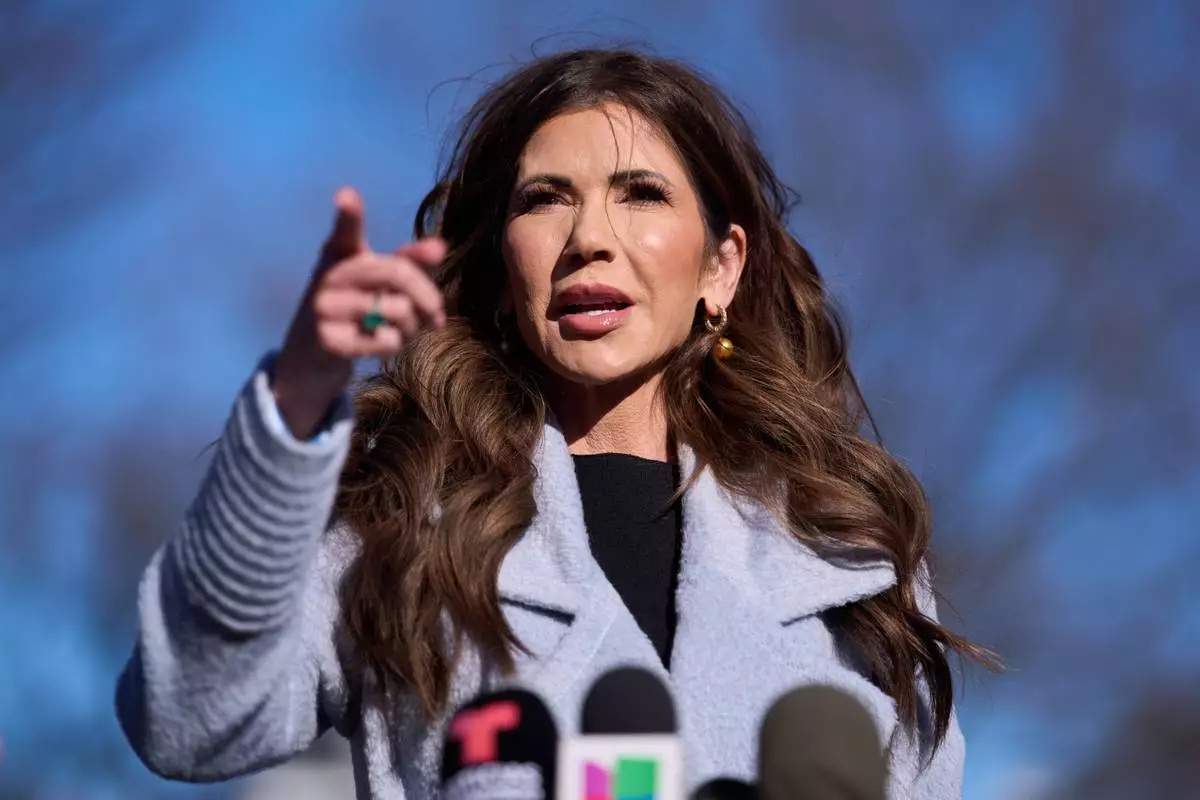
Homeland Security Secretary Kristi Noem speaks with reporters at the White House, Thursday, Jan. 15, 2026, in Washington. (AP Photo/Evan Vucci)
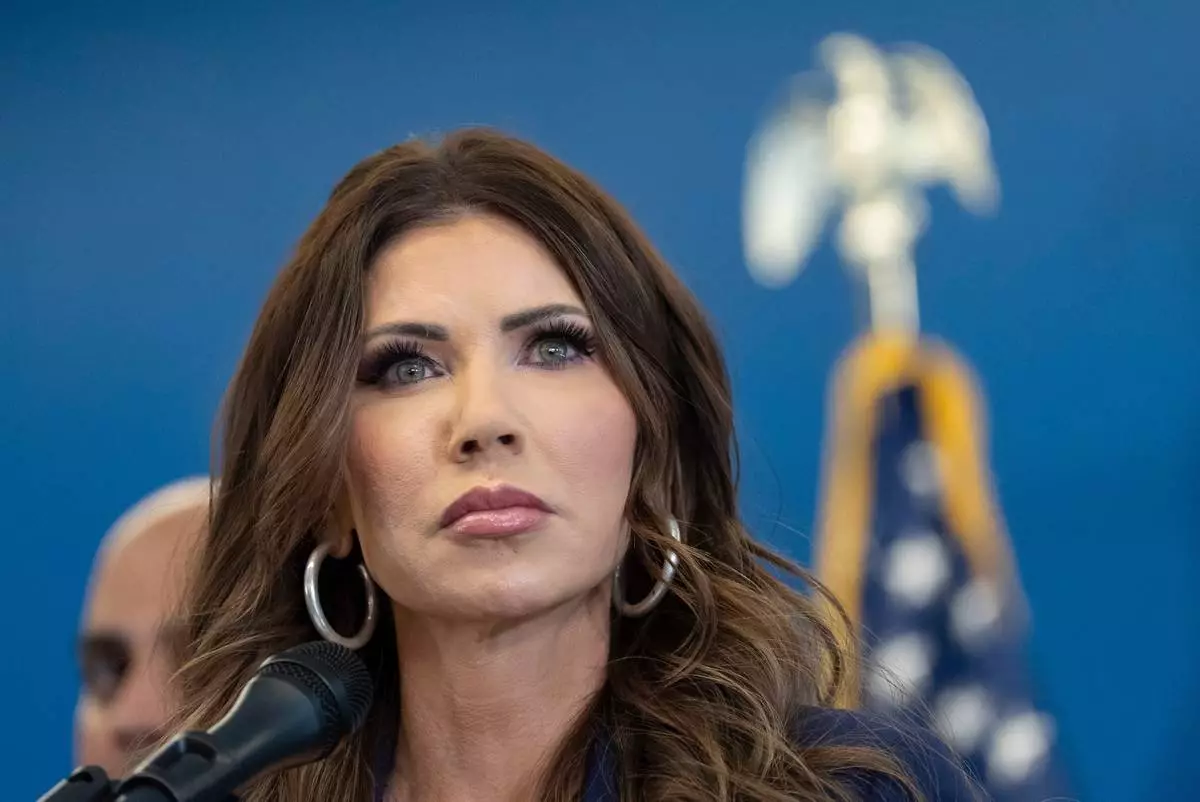
U.S. Homeland Security Secretary Kristi Noem speaks during a press conference, Thursday, Jan. 8, 2026, in New York. (AP Photo/Yuki Iwamura)
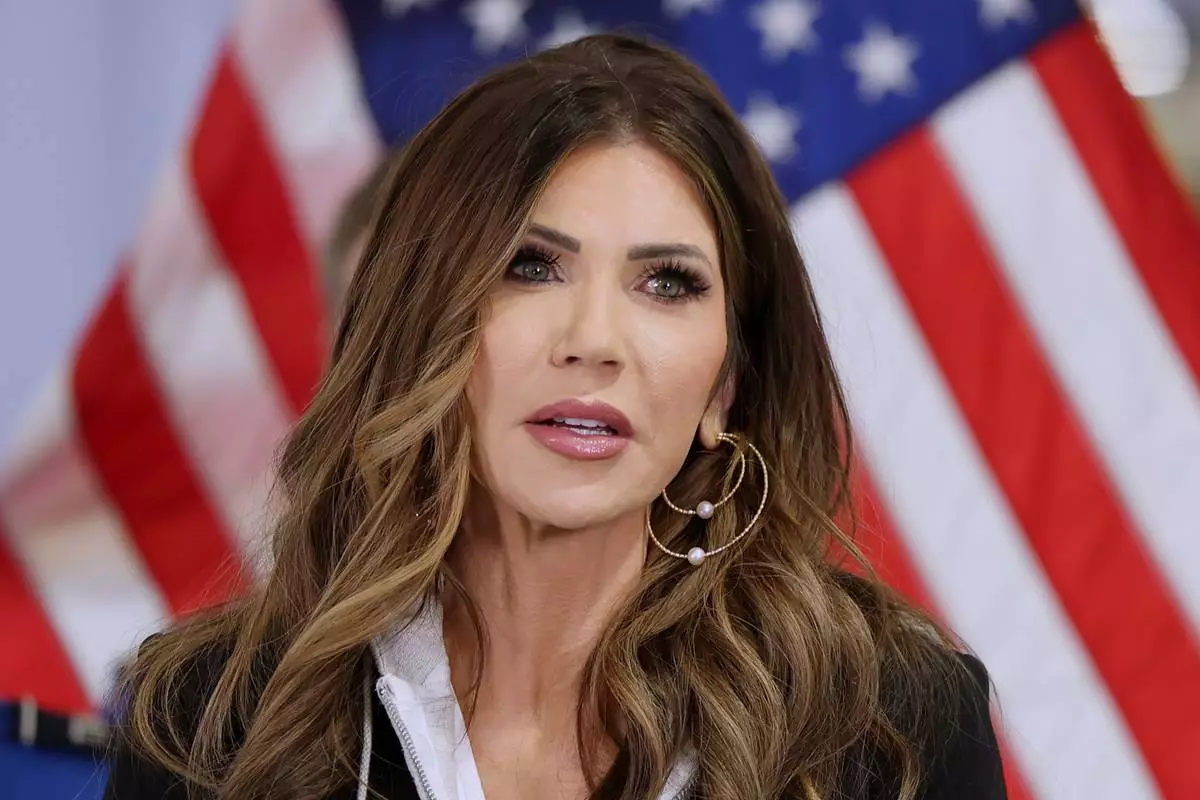
U.S. Homeland Security Secretary Kristi Noem speaks at a news conference at Harry Reid International Airport, Nov. 22, 2025, in Las Vegas. (AP Photo/Ronda Churchill, File)