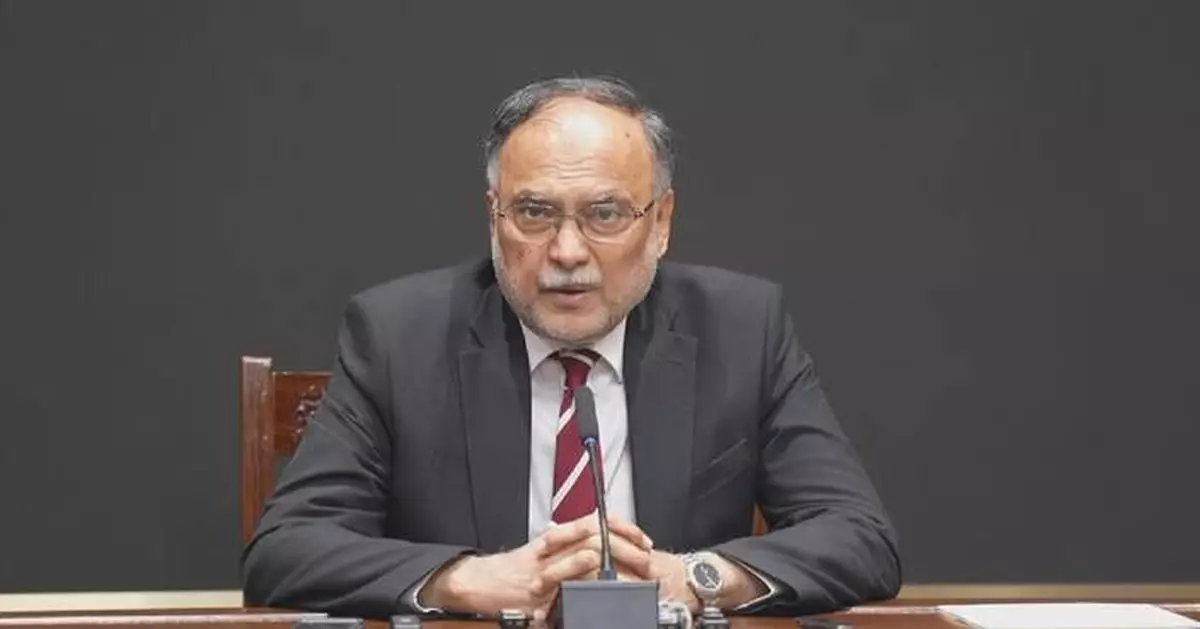
China's successful launch of Pakistan Remote-Sensing Satellite demonstrates that the bilateral friendship is now "higher than the sky", Pakistani Minister for Planning, Development and Special Initiatives Ahsan Iqbal said Monday in Beijing.
China launched the Pakistan satellite (PRSS-1) from the Xichang Satellite Launch Center in southwest China's Sichuan Province on July 31.
The satellite, being primarily used in the fields of land resource surveys and disaster prevention and mitigation, will help promote the development of Pakistan, Iqbal said in a recent interview with the China Central Television (CCTV).
"[Satellite] is becoming a very important tool for development of mankind in future. Because through satellite technology and communication, you can observe earth to prevent or to manage disasters. You can manage agriculture better. You can manage cities better. And there are so many economic applications which satellites offer and promise. So, this is key to our futures," said Iqbal.
Iqbal said the satellite launch is a good example of the close bilateral ties, hoping the two countries will expand cooperation in various fields in the future.
"With this launch of satellite, I can proudly say that Pakistan-China friendship, which used to be higher than the Himalayas, now is higher than the sky. We certainly look forward to expanding our cooperation in the area of science, technology, engineering as well as economic development," said Iqbal.
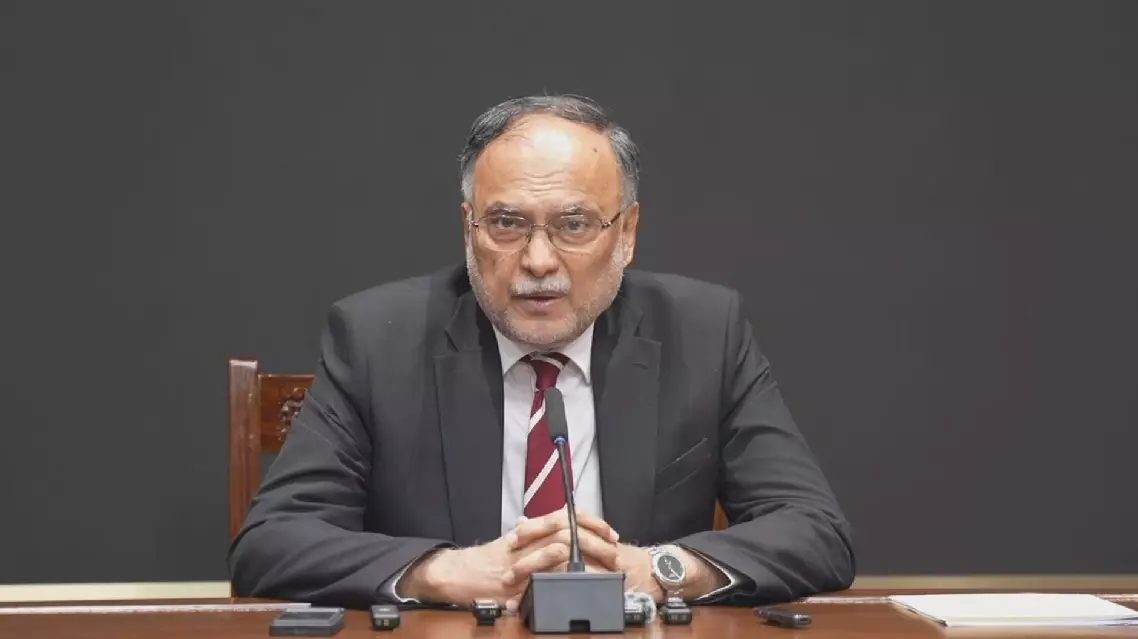
Pakistan-China friendship "higher than sky": minister
The Republic of Korea (ROK)'s former impeached President Yoon Suk-yeol on Friday was sentenced to five years in prison on arrest obstruction charges.
The criminal division of the Seoul Central District Court in charge of Yoon's obstruction of justice case handed down the prison sentence to Yoon for abusing the presidential security service to hinder the anti-corruption agency from executing its arrest warrant in January 2025.
The Corruption Investigation Office for High-ranking Officials (CIO) was once thwarted in its attempt to arrest Yoon as the presidential security service formed human shields and bus blockades to prevent investigators from entering the presidential residence.
The team of Cho Eun-suk, an independent counsel who led investigations into Yoon's insurrection and other charges, demanded a 10-year prison term for Yoon.
The court said Yoon privatized the presidential security service for personal safety and private interests by blocking the law enforcement agencies' lawful execution of an arrest warrant and attempting to destroy evidence, pointing out that despite the very bad nature of his crime, he consistently offered unconvincing excuses and showed no remorse.
The court stressed that severe punishment was necessary, considering the need to restore the rule of law damaged by Yoon's crime, but it noted that the fact that he was a first-time offender with no criminal record was considered a favorable factor.
The sentencing, which was broadcast live, was Yoon's first verdict coming from his botched martial law bid.
The first-instance sentencing for Yoon's insurrection charges was scheduled for Feb 19. The special counsel sought a death penalty for Yoon on the charges.
Yoon declared emergency martial law on the night of Dec 3 in 2024, but it was revoked hours later by the National Assembly.
The constitutional court upheld a motion to impeach Yoon in April 2025, officially removing him from office.
The ousted leader was indicted while in detention in January 2025 on charges of leading an insurrection, becoming the first sitting ROK president facing such prosecution.
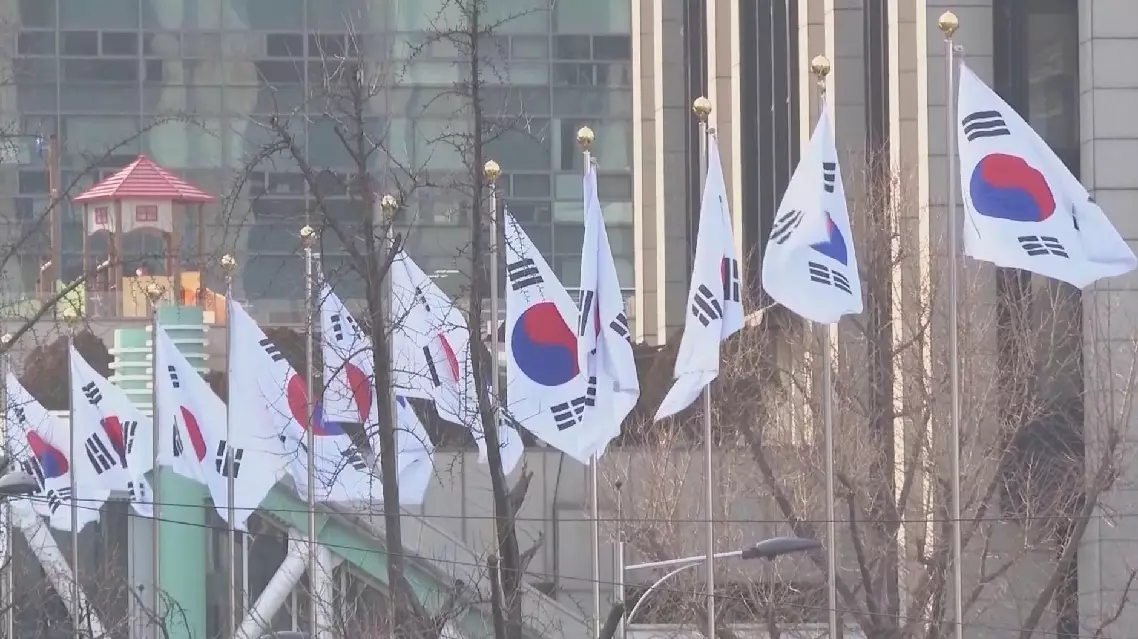
ROK ex-president Yoon sentenced to 5 years in prison on arrest obstruction charges