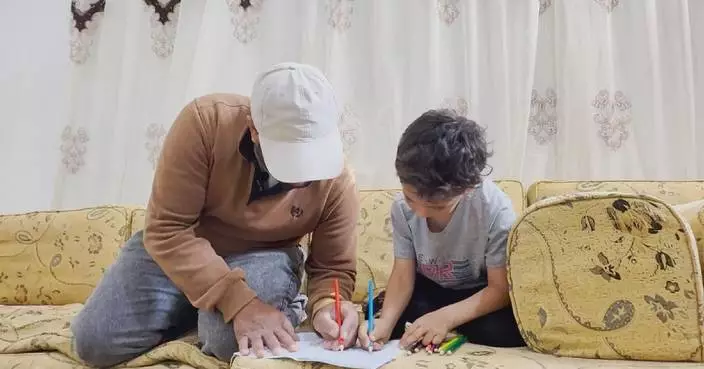
China is at the forefront of integrating artificial intelligence (AI) and robotics into elderly care services, pioneering groundbreaking solutions to address the challenges of an aging population.
The latest data shows that by the end of 2024, China's population aged 60 and above reached 310 million, accounting for roughly 22 percent of its total population.
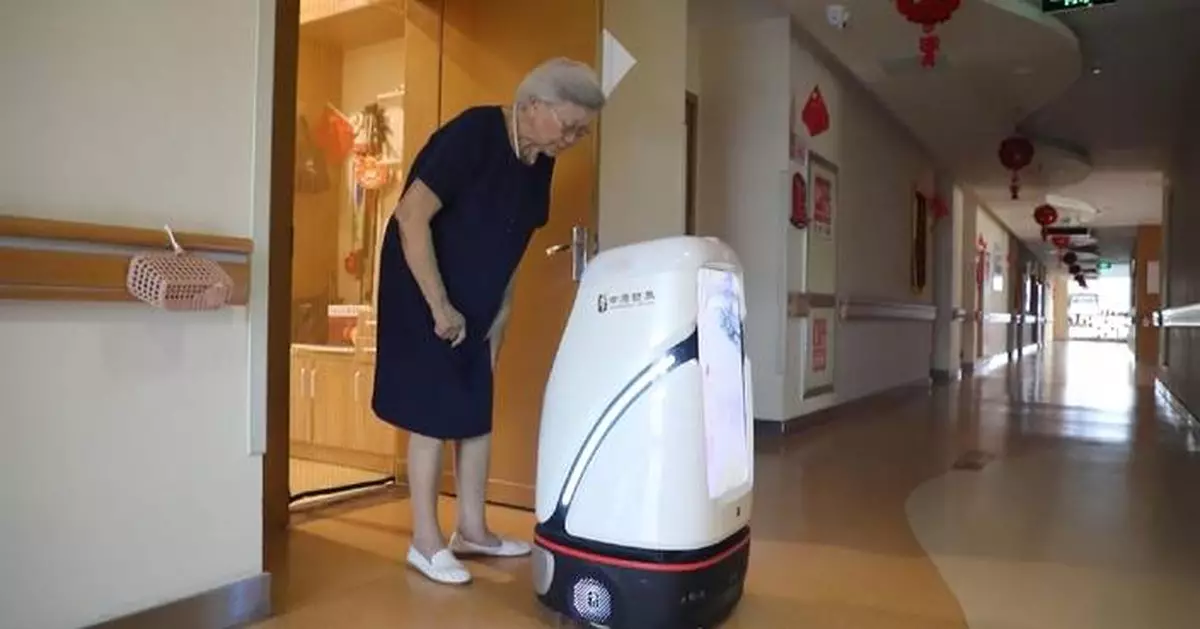
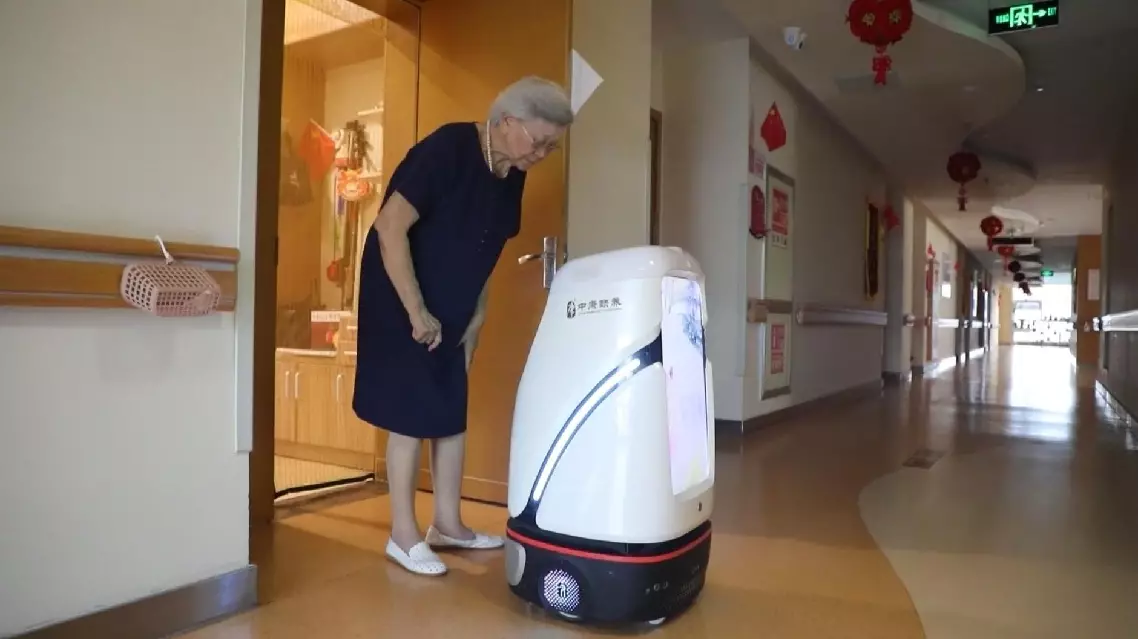
Elderly-care robots, once a distant concept, are quickly becoming a reality for China's aging population. Although elderly-care robots are still in their infancy compared to industrial robots, some users have already begun to experience the convenience they offer. At a nursing home in Qingdao City, east China's Shandong Province, a robot named Kangkang can chat with the elderly, tell jokes, report the weather, play music, and even pick up medicine from nurse station, deliver newspapers, or remind the caregivers that the elderly have needs.
"They have brought more happiness to us. I feel very good, as we don't feel lonely in the nursing home anymore," said Hu Yuling, a senior at the local social welfare center.
"Robots are new to seniors. These interactive robots can play music and chat with the seniors. They can also help semi-disabled elderly people to stand and walk," said Qin Nan, director of nursing at the social welfare center.
At a nursing home in south China's Shenzhen, robots are now an integral part of daily life, playing chess with seniors, offering AI-assisted moxibustion therapy, and providing enhanced mobility assistance.
In Wuxi City, east China's Jiangsu Province, robots of a local company can not only chat and interact with the elderly, but also automatically make ward rounds at fixed times to remind caregivers to turn the elderly over and give them medicine.
In addition, if it is found that an elderly person has been away from the bed for a long time or has not responded after repeated calls, robots will immediately send a warning message to medical staff.
"This robot is equipped with a vital sign monitoring system, as well as a device for patient positioning and safety alerts for medical staff," said Guo Shuanghai, deputy head of a nursing home in Wuxi. The company has developed over 100 applications for four major scenarios, namely home services, intelligent social interaction, home security, and elderly people living alone.
"It features companionship and protection as it can monitor your living conditions in real time. If there is something wrong, the robot will call the police itself, without the need for the elderly to call it for help. Some people may think that it is not smart enough now, and what we need to overcome in the future is to make it smart. The robot needs to understand the seniors' living habits, including their state, and then it will make judgments through these states," said Ran Chenglong, person in charge of the company.
China advances AI, robotics in elderly care services