A big increase in the tax on university endowments is adding to financial uncertainty for the wealthiest colleges in the U.S., leading several already to lay off staff or implement hiring freezes.
Spending more endowment money on taxes could also lead colleges to reduce financial aid, cutting off access to elite institutions for lower-income students, colleges and industry experts have warned. President Donald Trump signed the tax increase into law last month as part of his signature spending bill.
The new tax rates take effect in 2026, but colleges such as Harvard, Yale and Stanford already are citing the tax as one of many reasons for making cuts across their universities. Each will be on the hook to pay hundreds of millions more in taxes, while also navigating reductions in research grants and other threats to funding by the Trump administration.
A tax on college endowments was introduced during Trump's first administration, collecting 1.4% of wealthy universities' investment earnings. The law signed by Trump last month creates a new tiered system that taxes the richest schools at the highest rates.
The new tax will charge an 8% rate at schools with $2 million or more in assets for each enrolled student. Schools with $750,000 to $2 million will be charged 4%, and schools with $500,000 to $750,000 will continue to be charged the 1.4% rate.
The tax applies only to private colleges and universities with at least 3,000 students, up from the previous cutoff of 500 students.
“The tax now will really solely apply to private research universities,” said Steven Bloom, assistant vice president of government relations for the American Council on Education. “It’s going to mean that these schools are going to have to spend more money under the tax, taking it away from what they primarily use their endowment assets for — financial aid.”
The law will increase the endowment tax for about a dozen universities, according to an Associated Press analysis of data from the National Association of College and University Business Officers.
Harvard, Yale, Stanford, Princeton and the Massachusetts Institute of Technology are expected to pay the 8% rate next year. The schools facing the 4% rate include Notre Dame, Dartmouth College, Rice University, University of Pennsylvania, Washington University in St. Louis and Vanderbilt University.
Some universities are on the edge of the law's parameters. Both Duke and Emory, for instance, were shy of the $750,000-per-student endowment threshold based on last fiscal year.
Endowments are made up of donations to the college, which are invested to maintain the money over time. Colleges often spend about 5% of their investment earnings every year to put toward their budgets. Much of it goes toward scholarships for students, along with costs such as research or endowed faculty positions.
Despite the colleges' wealth, the tax will drastically impact their budgets, said Phillip Levine, an economist and professor at Wellesley College.
“They’re looking for savings wherever possible,” Levine said, which could impact financial aid. “One of the most important things they do with their endowment is lower the cost of education for lower- and middle-income students. The institutions paying the highest tax are also the ones charging these students the least amount of money to attend.”
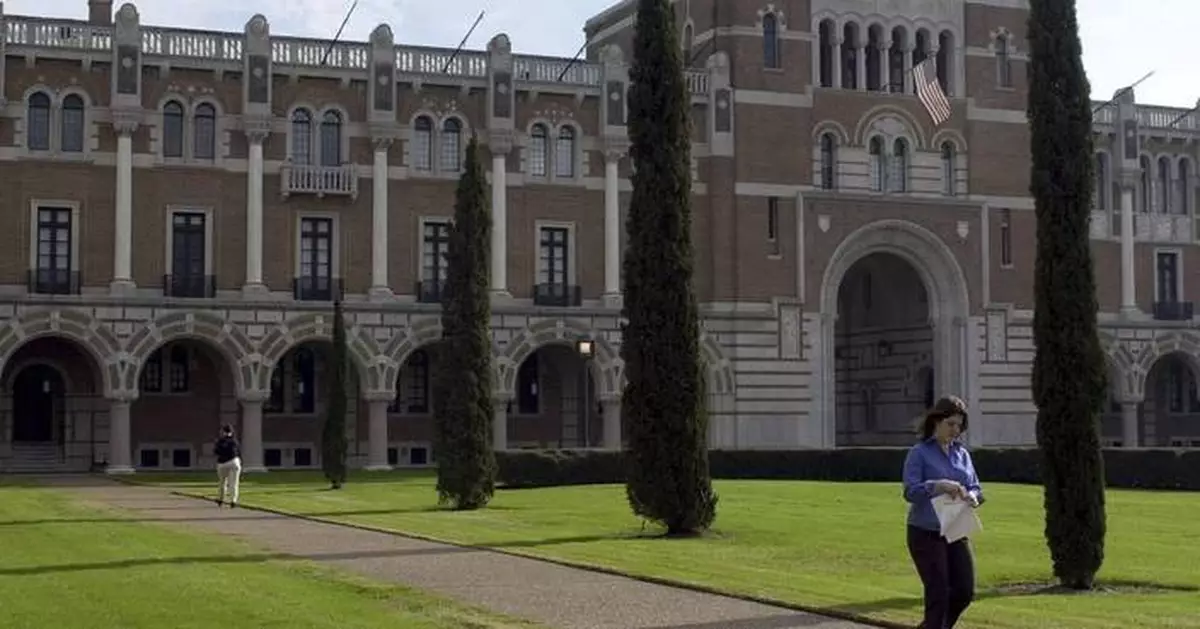
For example, at Rice University in Houston, officials anticipate the college will need to pay $6.4 million more in taxes. That equates to more than 100 student financial aid packages, the university said, but Rice officials will explore all other options to avoid cutting that support.
In the meantime, some universities are going forward with staff cuts.
Yale University says it will have to pay an estimated $280 million in total endowment taxes, citing the tax in a campus message implementing a hiring freeze. Stanford University announced plans to reduce its operating budget by $140 million this upcoming school year, which included 363 layoffs and an ongoing hiring freeze. The university spent months trying to determine where to reduce its budget, but said it would continue to support undergraduate financial aid and funding for Ph.D. students.
Research universities are under increasing financial pressure from reductions in funding from the National Institutes of Health, the National Science Foundation and other federal agencies.
No university knows this pressure better than Harvard, the country's wealthiest college. Its $53 billion endowment puts it at the top of the list for the new tax, but it's also seeing massive portions of research funding under threat in its ongoing battle with the White House.
The federal government has frozen $2.6 billion in Harvard's research grants in connection with civil rights investigations focused on antisemitism and Harvard's efforts to promote diversity on campus. But the impact of other administration policies on the university could approach $1 billion annually, Harvard said in a statement.
“It’s not like Harvard is going to go from one of the best institutions in the world to just a mediocre institution. That’s probably not going to happen," Levine said. “But that doesn’t mean it’s not going to be a bad thing — that there won't be pain and that students won't suffer.”
Mumphrey reported from Phoenix. Associated Press writer Sharon Lurye in Philadelphia contributed to this report.
The Associated Press’ education coverage receives financial support from multiple private foundations. AP is solely responsible for all content. Find AP’s standards for working with philanthropies, a list of supporters and funded coverage areas at AP.org.
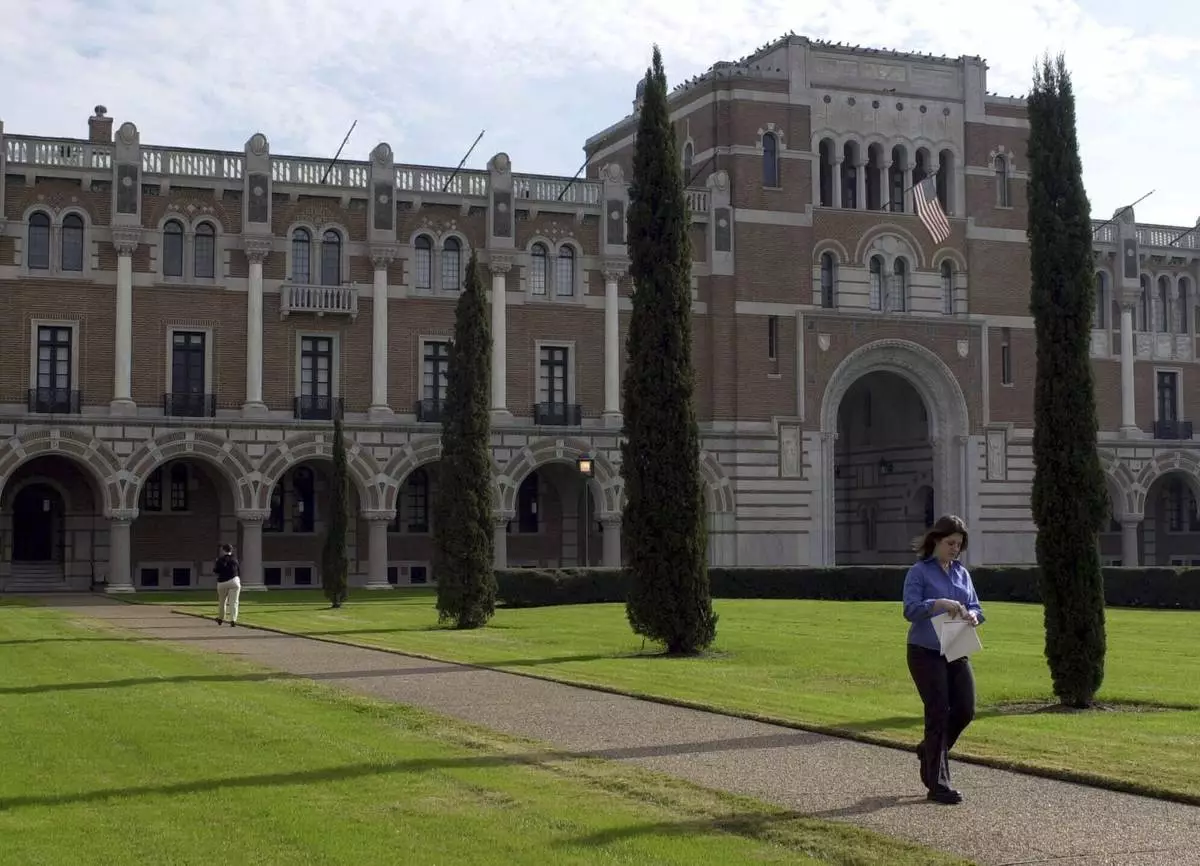
FILE - An woman walks past Rice University's Lovett Hall, the oldest building on campus, Jan. 23, 2001, in Houston. (AP Photo/Pat Sullivan, File)