Southwest China's Xizang Autonomous Region has been endeavoring to make the plateau green with extensive afforestation efforts.
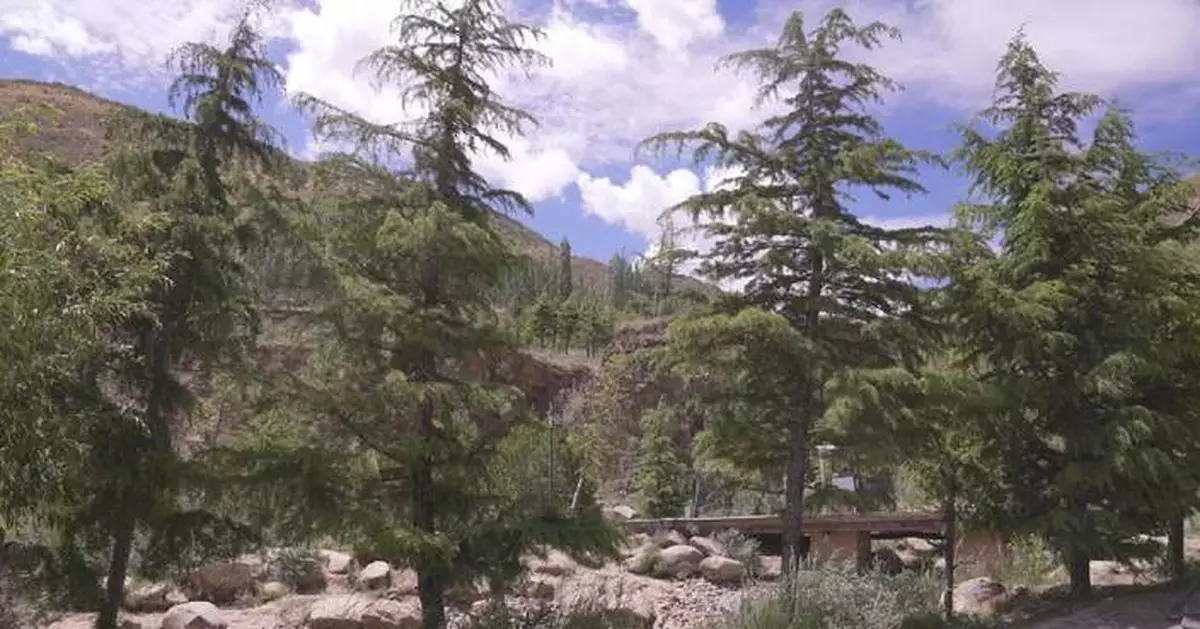
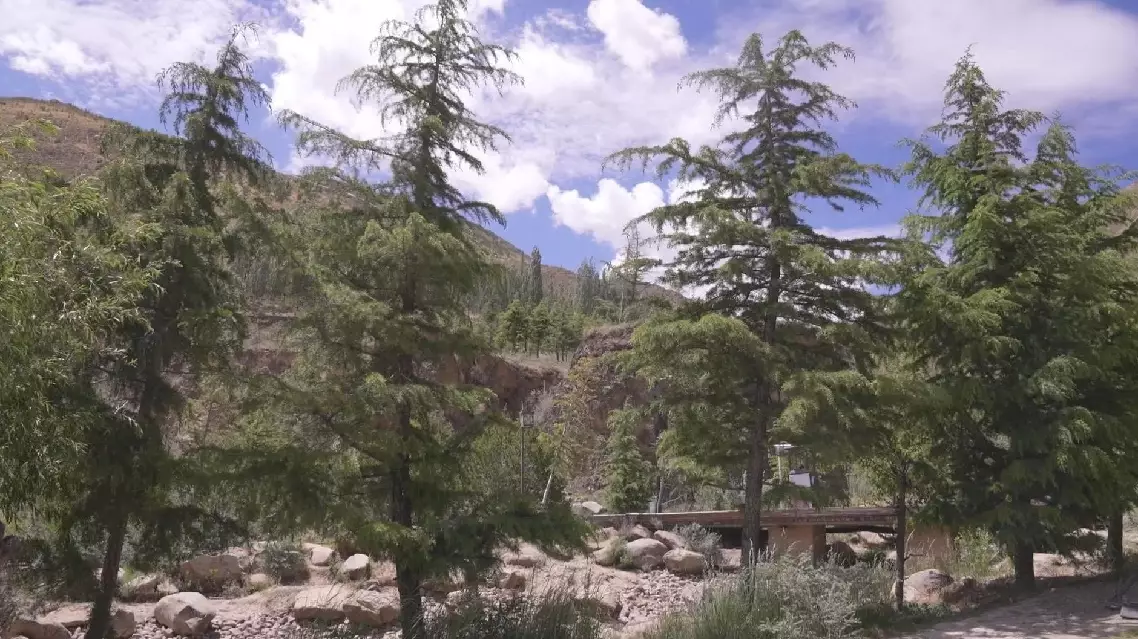
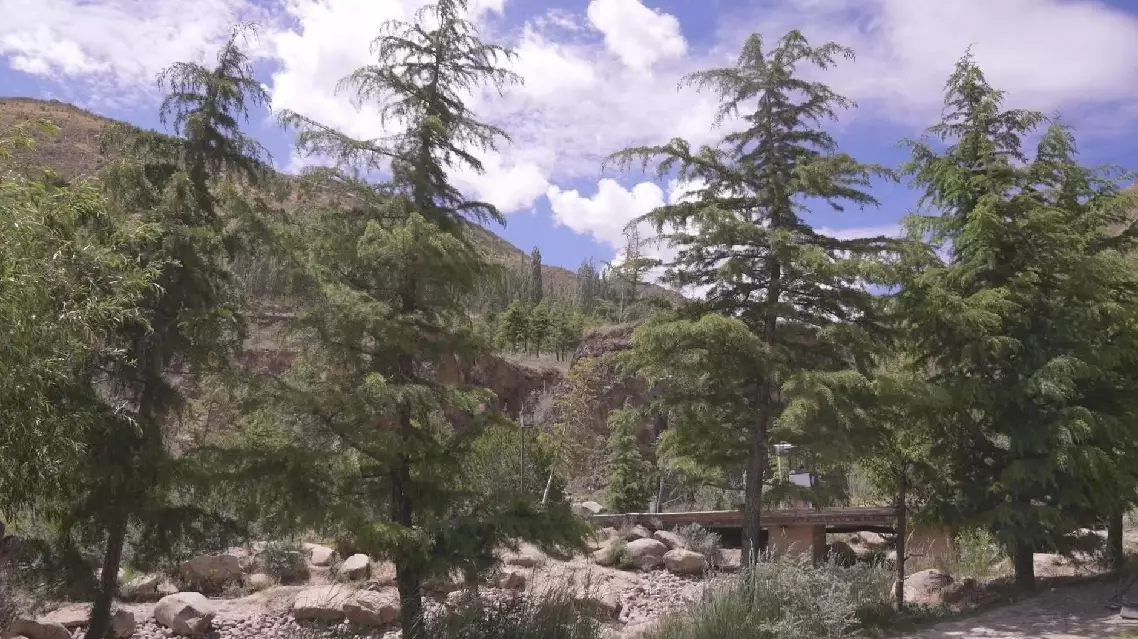
Nanshan Park in Xizang's Lhasa City faces the Potala Palace across a river. This park is home to over 800,000 plants that are suitable for growing on high altitudes. Tashi Chophel, a forest ranger, has been working here for 13 years. He has witnessed what greenery can do.
"These mountains have all turned green and are full of plants. There is fresh air, and even animals can survive. They (the deer) are my friends," said Tashi Chophel.
Started in 2012, the construction of the park is Xizang's first large-scale afforestation pilot project in a river valley. The adaptation of tree species is the biggest challenge encountered in high-altitude greening. They must be cold-resistant, wind-resistant, and able to thrive in poor soil.
Below 3,900 meters, tree species such as cedar, and mountain apricot grow very well. However, in the higher altitude areas between 3,900 and 4,100 meters, only shorter shrub species can be planted.
"You can see such rocks are not so solid. We just need to dig a large pit that is 80 centimeters deep and 60 centimeters wide, transport the soil here, cover it with soil and plant a tree. Then the tree can survive," said the forest ranger.
Today's Nanshan Park is already a popular tourist destination for Lhasa residents.
"I came here with my parents during the last Dragon Boat Festival holiday. I think the scenery here is very beautiful, so I'm here again," said Tenzin Chozom, a high school student.
In 2018, Nanshan Park was initially completed, verifying the feasibility of greening barren mountains at high altitudes. Since 2021, Xizang has officially launched the afforestation projects on the mountains to the north and south of Lhasa, covering nine counties and districts and 35 towns along both banks of the Lhasa River, stretching nearly 200 kilometers from east to west. A total of 9 million farmers and herdsmen have been employed.
"There's only sand, and it's challenging to grow trees here, primarily because sand lacks any nutrients. So we have to take into consideration fertilizers and everything else. All the saplings we planted came with root balls, which helps retain moisture better," said Nyima, a technical staff of the Qushui County Forestry and Grassland Bureau in Lhasa.
"If we use the mules to transport, a large amount of root balls will fall down and the cost will also be very high. However, if we use drones, although they can only carry a small amount at one time, their round-trip speed is very fast. We have some 1,000 seedlings on the spot, and all of them could be planted within today," said Nyima.
It is expected that by 2030, the afforestation projects on the mountains to the north and south of Lhasa will create forests totaling 2.06 million mu (around 137,868 hectares), equivalent to creating 600 new Nanshan Parks.
Xizang endeavors to make plateau green through afforestation
Xizang endeavors to make plateau green through afforestation