Intensive pre-competition training is underway at Beijing's "Panda Eye," the world's first competition and training base for humanoid robots, as teams prepare for the inaugural World Humanoid Robot Games.
Slated to take place from Aug. 14–17 at Beijing's National Speed Skating Oval, the Games will see robots compete in 26 categories, ranging from traditional sports to practical workplace tasks.
Eighteen elite teams from 14 countries -- including China, Brazil, Germany, Italy and Portugal -- have qualified for the Games' football competition. As of Friday, 13 teams had arrived in Beijing and were engaged in intensive pre-competition training at the venue.
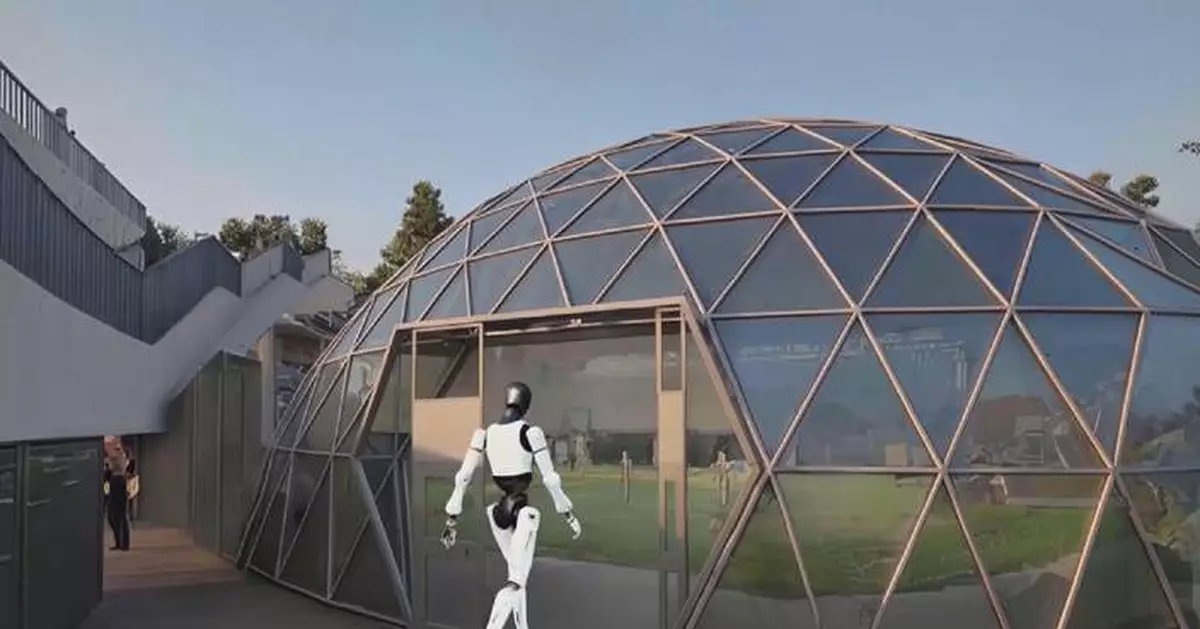
The "Panda Eye," which opened on July 30, will host training sessions and some of the five-on-five humanoid robot matches.
The "Panda Eye" sits in the sunken plaza west of the National Speed Skating Oval, topped by a 32-meter-diameter dome rising 12 meters high. Its name comes from the hemispherical design, which resembles a panda's eye when paired with surrounding architectural elements. At night, the dome becomes a luminous high-tech spectacle with integrated dynamic LED lighting.
Constructed with ETFE -- a lightweight yet ultra-durable fluorine-based polymer -- the structure uses a fully recyclable material widely adopted in modern stadium projects. Its modular design allows rapid assembly and disassembly, while advanced environmental controls maintain precise temperature, humidity, and air quality to ensure optimal conditions for competing robots.
After the Games, the venue will serve as a training and testing base for top robot teams worldwide, supporting technical trials and pre-competition preparations.
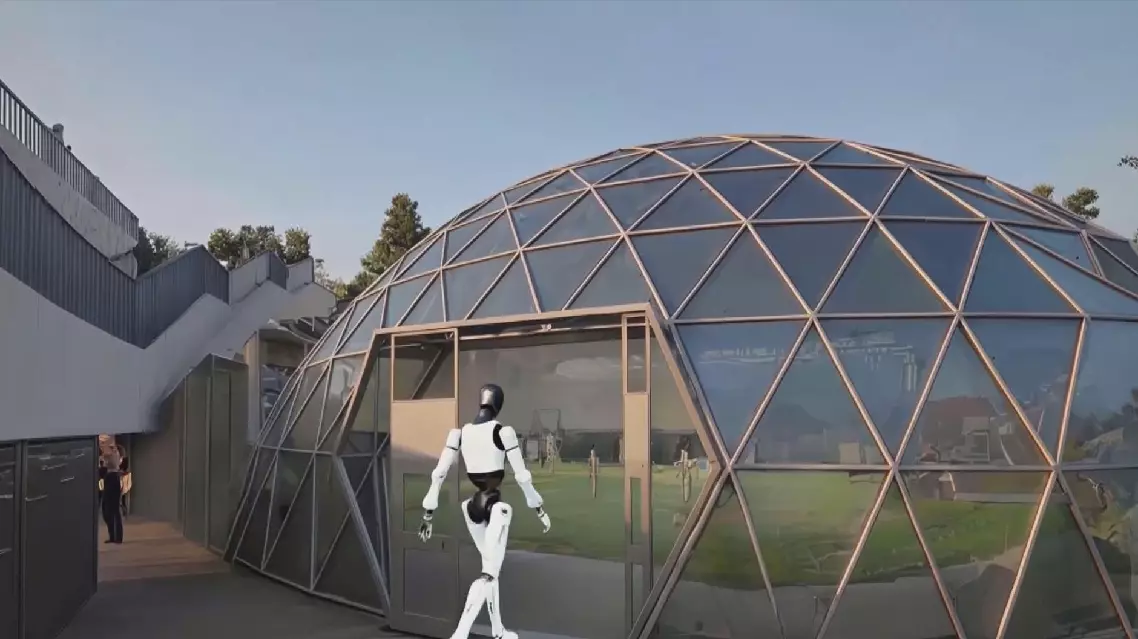
Pre-game training in full swing at 'Panda Eye' ahead of inaugural World Humanoid Robot Games
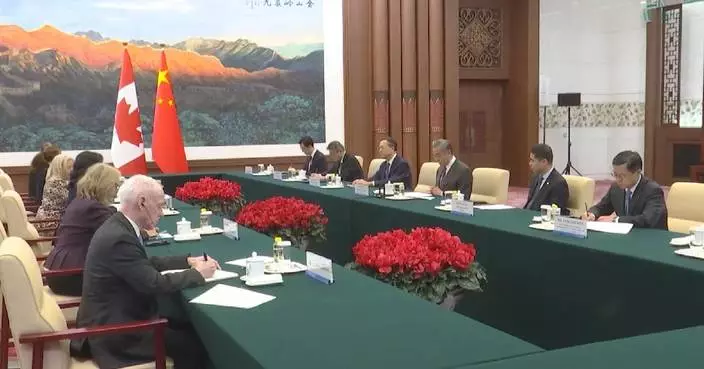
China is willing to strengthen communication, enhance trust, eliminate interference, and deepen cooperation with Canada to bring bilateral relations forward on a steady and sound track in solid strides under the new circumstances, said Chinese Foreign Minister Wang Yi on Thursday.
Wang, also a member of the Political Bureau of the Communist Party of China Central Committee, met with Canadian Foreign Minister Anita Anand in Beijing on the day.
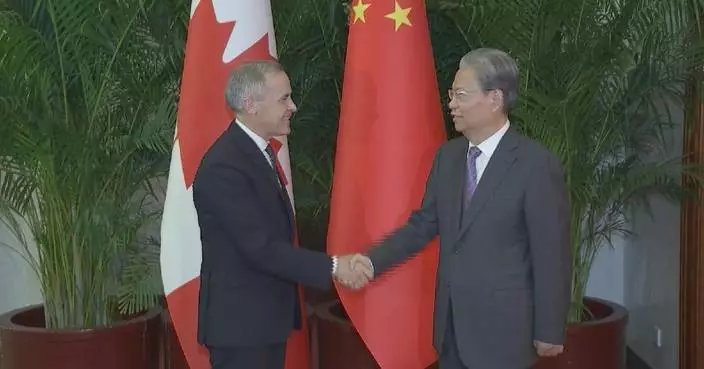
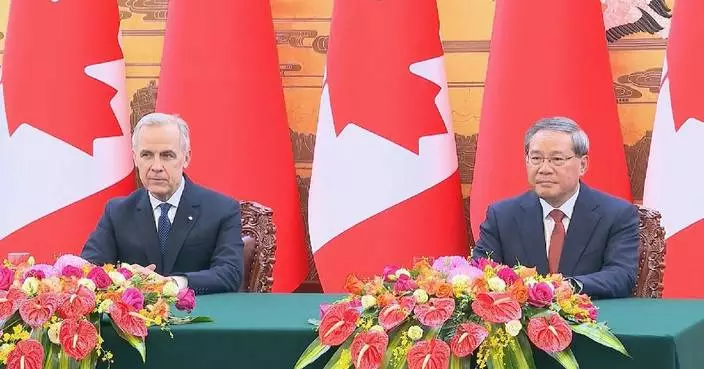
Referring to Canadian Prime Minister Mark Carney's visit to China, the first by a Canadian prime minister in eight years, Wang said the trip marks a milestone in bilateral ties and signals a turning point in the relationship.
The leaders of the two countries will hold meetings and talks, which are expected to open up new prospects for bilateral relations, said Wang.
The world today is undergoing profound and complex changes, and the impact of China-Canada relations transcends the bilateral scope, Wang noted.
Wang said that China and Canada have different social systems, stemming from different historical and cultural heritage, and based on the choices of their respective people.
He urged both sides to view each other in a rational and amicable manner with an inclusive mindset, handle issues on the basis of mutual respect, focus on the agenda of cooperation, and send positive messages so as to foster optimism, inject greater confidence into the development of bilateral relations, and jointly build a new type of strategic partnership between China and Canada.
Anand said the new Canadian government attaches great importance to relations with China. She also added that Prime Minister Carney looks forward to engaging in in-depth exchanges with Chinese leaders during the visit to set the course for the development of bilateral relations, resume dialogue in various fields, pursue more mutually beneficial outcomes, enhance coordination and cooperation in multilateral affairs, and further advance the strategic partnership between the two countries.
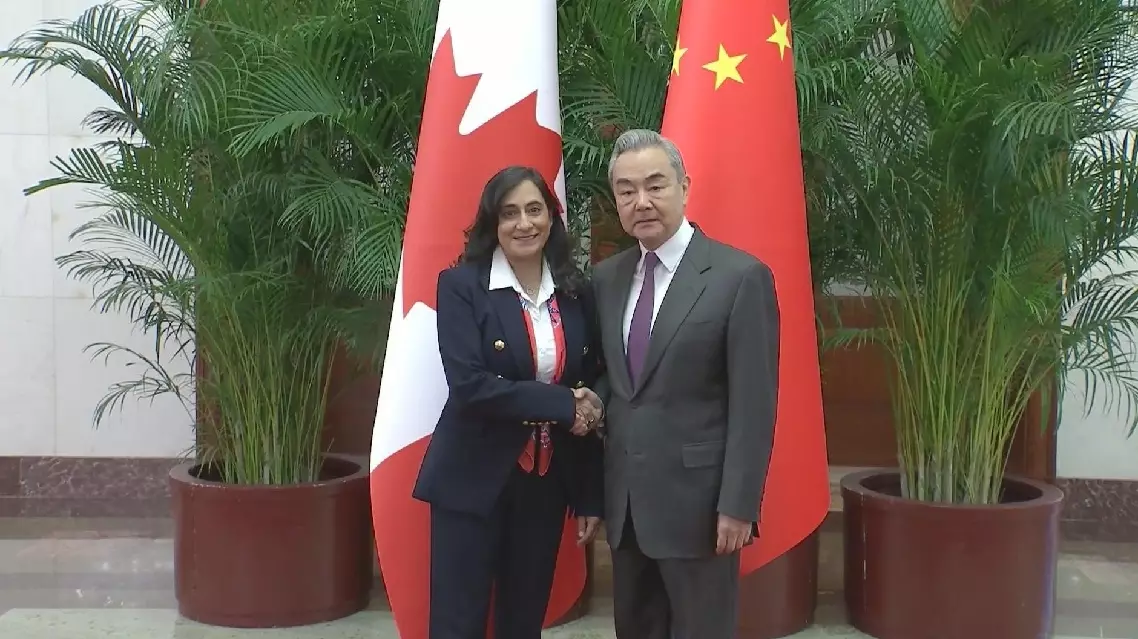
China ready to work for steady, sound ties with Canada: FM