Skip to Content Facebook Feature Image

Ancient Tibetan medicine gains global reach as China modernizes traditional practice

China

Ancient Tibetan medicine gains global reach as China modernizes traditional practice
China

China

Ancient Tibetan medicine gains global reach as China modernizes traditional practice

2025-08-09 17:12 Last Updated At:08-10 02:27

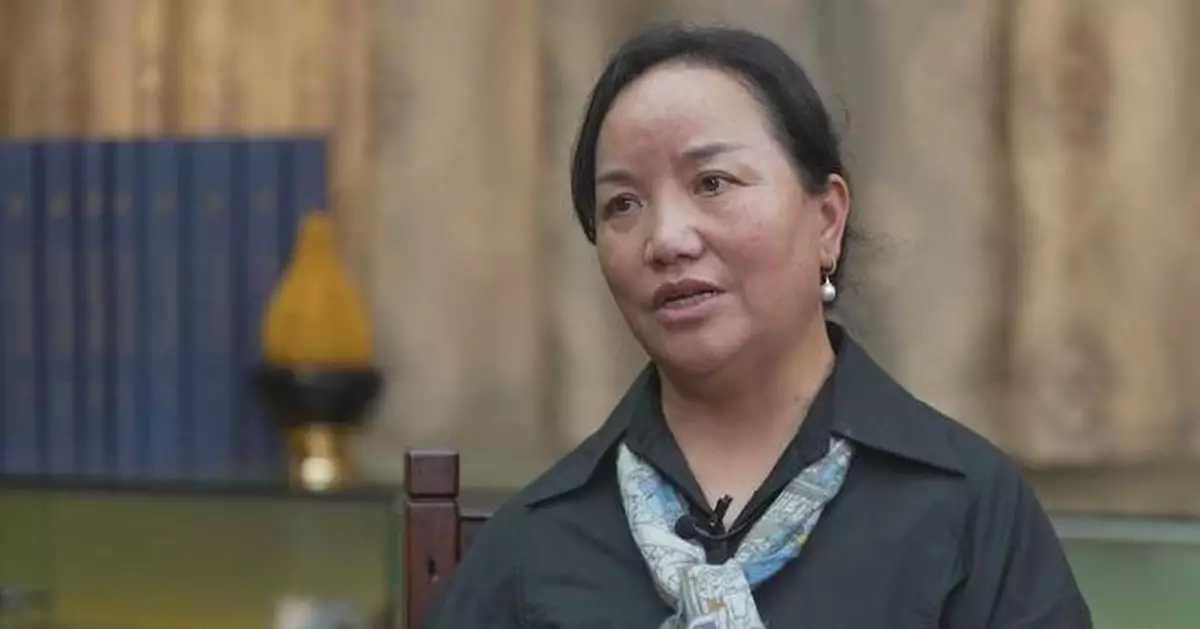
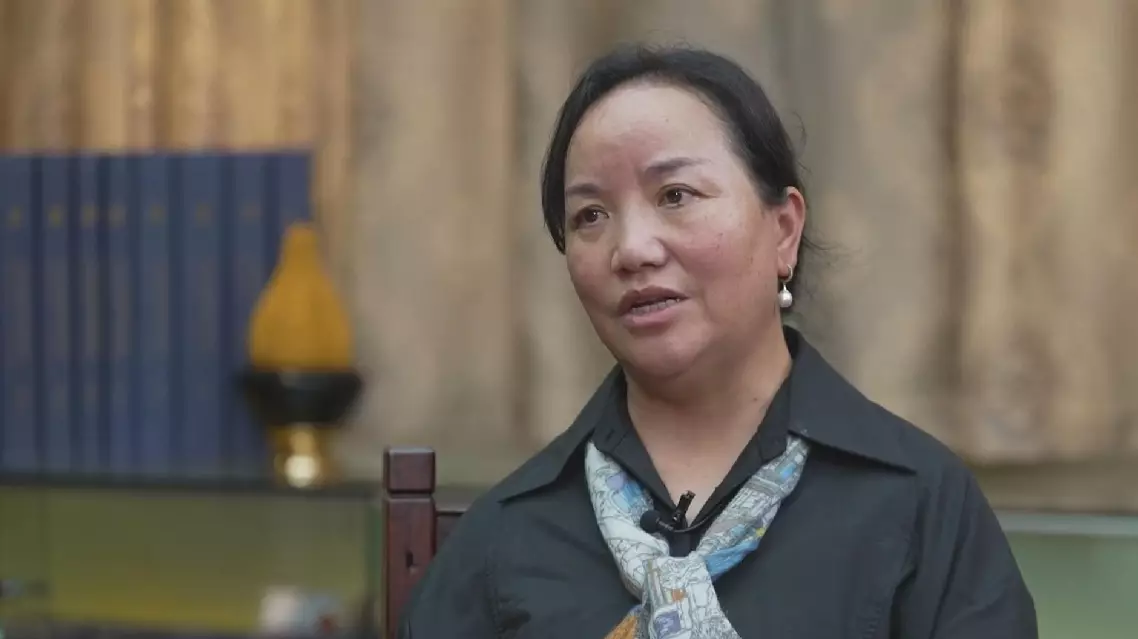
Tibetan medicine has been reaching far beyond the Himalayas thanks to experts in this healing tradition like Professor Mikyi Tsomo, whose students have treated patients around the world.

Tibetan medicine is known in the Tibetan language as Sowa Rigpa, with Sowa meaning "nourishment" and Rigpa meaning "knowledge system." It is a unique medical tradition developed by the Tibetan people in a high-altitude environment and one of China's important systems of traditional medicine.

Born in 1972 in Xainza County, Nagqu City, located in the heart of the Qiangtang Grasslands, Professor Mikyi grew up surrounded by the flourishing culture of Tibetan medicine. Her name, "Mikyi," means "good medicine" in Tibetan.

Now a leading Tibetan medicine expert and intangible cultural heritage inheritor, Mikyi combines traditional practice with Western academia, witnessing the once-isolated system's global expansion.

After receiving her master's degree in 2004, she went abroad and earned a PhD in medical anthropology from Humboldt University of Berlin in 2010. She later completed postdoctoral research at Oxford University and the Austrian Academy of Sciences.

"When I was in the West, I'd do medical visits every three months for few days. It doesn't matter where I go. When I just landed on these different countries, I really somehow purified my motivation. I feel as a foreigner, why do you come to this place? You have to really benefit wherever you go," she said in an interview with China Media Group (CMG).

Since Xizang's peaceful liberation in 1951, Tibetan healthcare has undergone a dramatic transformation.

At that time, there were only three Tibetan medicine institutions across the entire region. Today, a comprehensive medical system has been established. Life expectancy in Xizang has risen from 35.5 years in 1951 to 72.19 years in 2021.

From her base at Xizang University of Tibetan Medicine, Mikyi has helped cultivate a new flowering of the ancient practice.

"Nowadays after incorporating Tibetan medicine education into the university or college education, we have improved so much the number of the patients. Tibetan Medical University was founded in 1989 and since then probably we've trained 10,000 (students) or more. Our students went to America, to India, to many places of China, also other places of the West. We can say all over the world," she said.

In recent years, China has stepped up efforts to promote and preserve traditional medicine as part of its national healthcare strategy. Tibetan medicine, along with other ethnic medical systems, has received increased policy support and academic attention.

"This somehow supported our profession, all other areas of Tibetan medicine, such as the medical service or the protection of Tibetan medicine and also research of the Tibetan medicine. I think Tibetan medicine has come to a very flourishing (state) under the leadership of the party members," said Mikyi.
Ancient Tibetan medicine gains global reach as China modernizes traditional practice
Ancient Tibetan medicine gains global reach as China modernizes traditional practice
A former television host from Taiwan, Zhai Xuan, has made a pivotal decision to leave mainstream broadcasting in order to create content that provides a better understanding of the Chinese mainland and cross-strait relations.

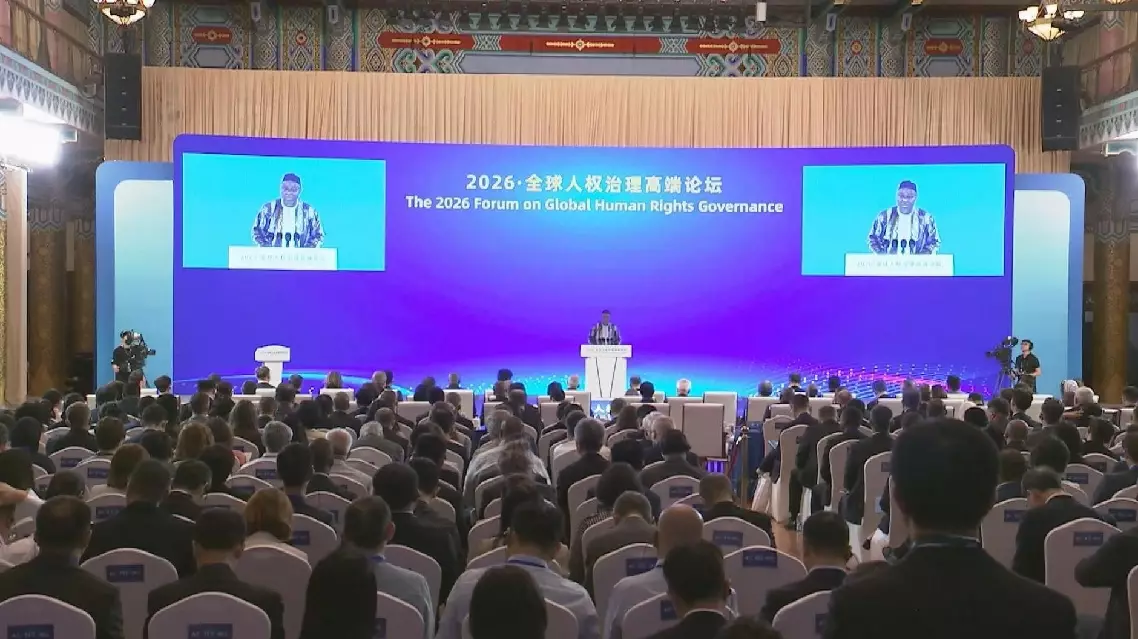
Zhai, a seasoned television host with over a decade of experience in Taiwan's media landscape, recently addressed an audience at an event in Beijing, where she revealed her complete transition into independent online media.

In her remarks, she articulated her aspiration to bridge what she perceives as a significant information gap between audiences on both sides of the Strait, highlighting her commitment to fostering a deeper understanding and connection through her new endeavors.

"I was really surprised by all the fake news. There were stories saying people on the mainland can't afford tea eggs or that they live in mud houses and in Taiwan, this was the main information many people received," said Zhai.

Zhai said she initially began producing online videos to challenge such perceptions while continuing her work as a television host.

In April 2025, she travelled to the mainland with her father to fulfill her late grandfather's wish to return to his hometown. The trip, which reunited family members separated since 1949, was recorded in a video series titled "Journey to Find Our Roots", drawing attention from viewers in both Taiwan and the mainland.

"Many people in Taiwan told me that after watching, they wanted to apply for a mainland travel permit immediately and go looking for their relatives. Some had long forgotten these things, but after seeing my story, they began thinking about their hometowns and family members they had never met and decided to search for their roots," Zhai shared her story at the event.

By mid-2025, Zhai said she began to feel increasing pressure amid rising political tensions and a tightening atmosphere around cross-Strait exchanges in Taiwan.

After more than 12 years in the industry, Zhai resigned from her position, believing it was the right thing to do.

"At that moment, I felt this was a major issue,not just for me, but for Chinese people on both sides of the Strait. If I backed down then, I wouldn’t be standing on the right side," said Zhai.

Since leaving television, Zhai has broadened her online programming to encompass a range of daily-life topics, including practical guidance on applying for a mainland travel permit and using commonly employed mobile applications, in addition to content that delves into historical memory and cultural connections across the Strait.

As the debate over cross-Strait relations continues in Taiwan, Zhai said she remains committed to her current path.

Former Taiwan TV host bridges cross-Strait divide via online media

Former Taiwan TV host bridges cross-Strait divide via online media

Recommended Articles