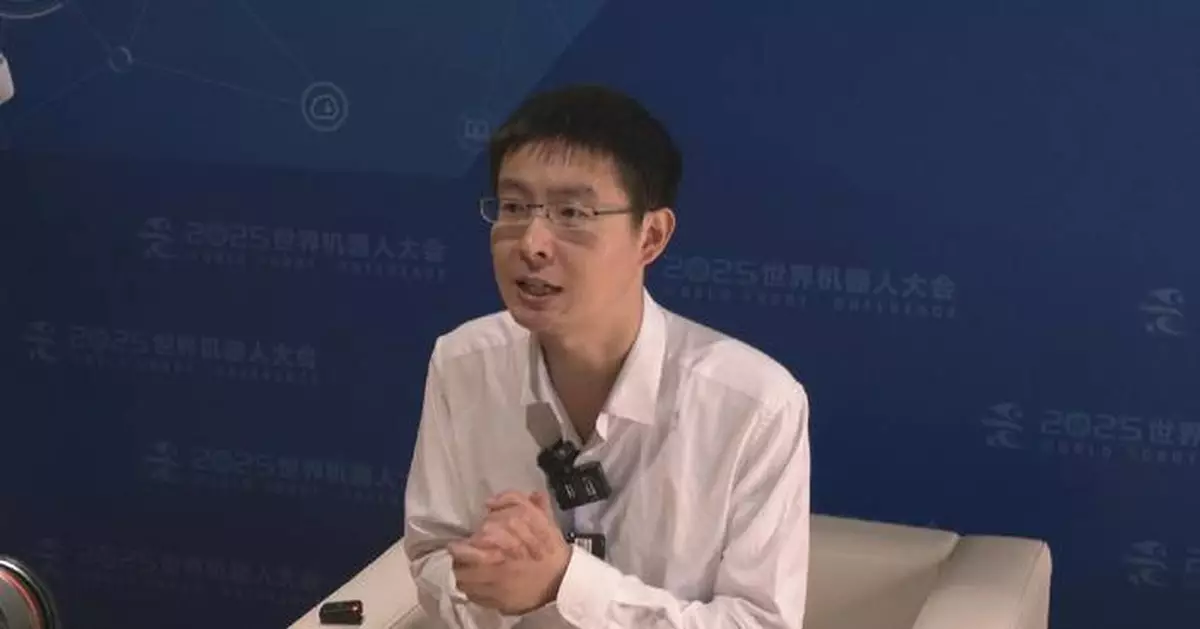
Better embodied AI models are needed before robots can substantially take over human jobs in the future, said Wang Xingxing, founder and CEO of Unitree Robotics.
As one of the main speakers at this year's World Robot Conference (WRC), Wang shared his insight into the outlook of the robot industry at the event.
Click to Gallery
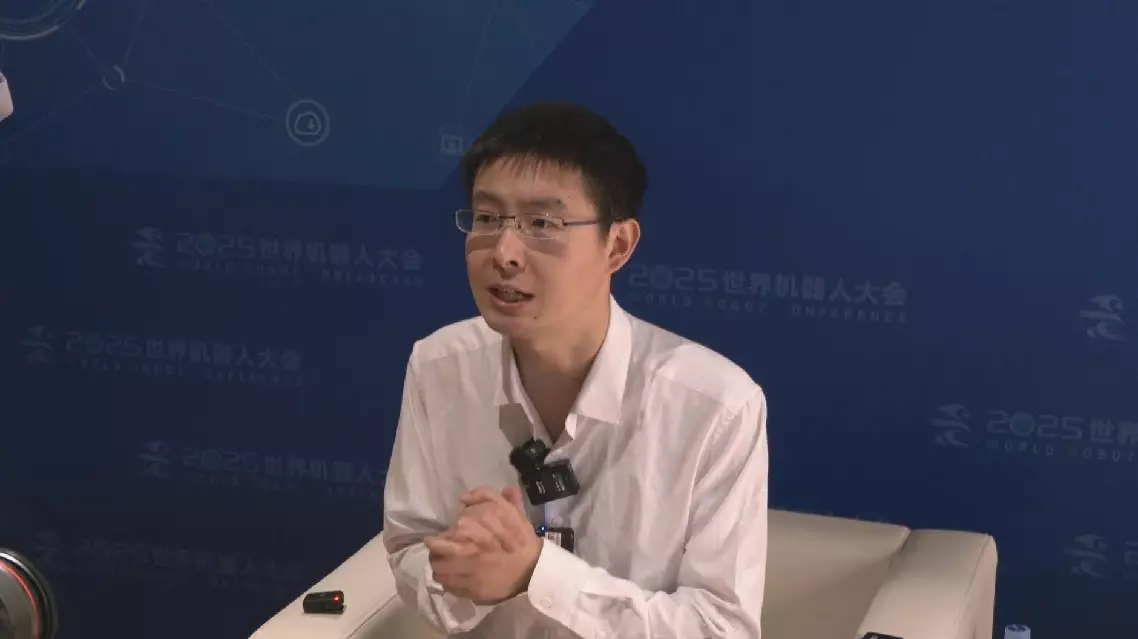
Unitree CEO cites embodied AI as key challenge to replacing human jobs with robots
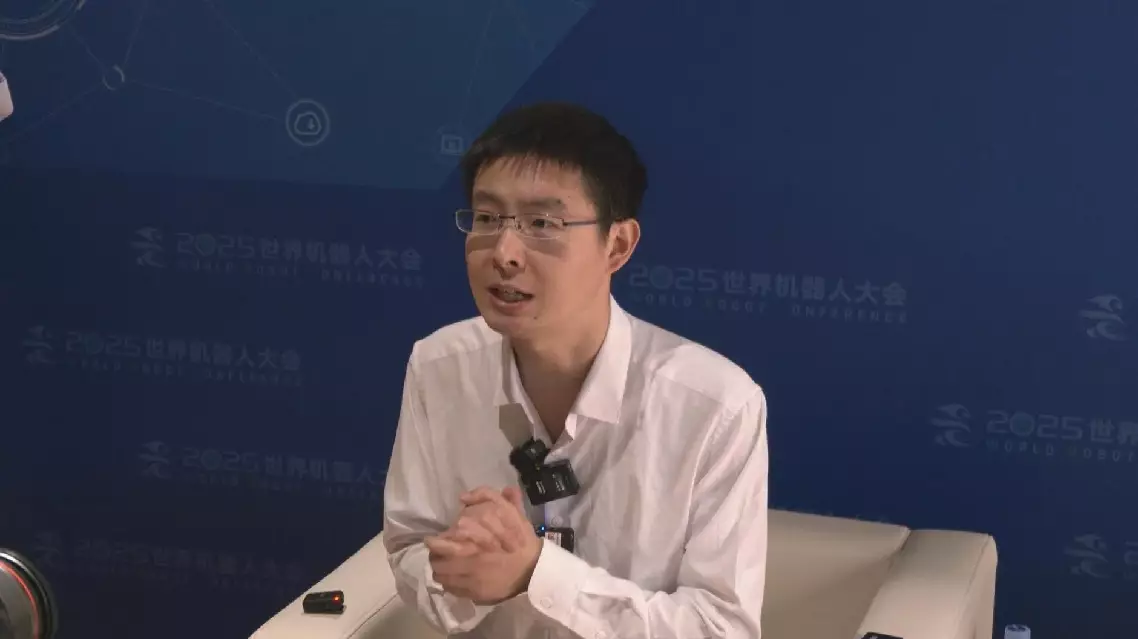
Unitree CEO cites embodied AI as key challenge to replacing human jobs with robots
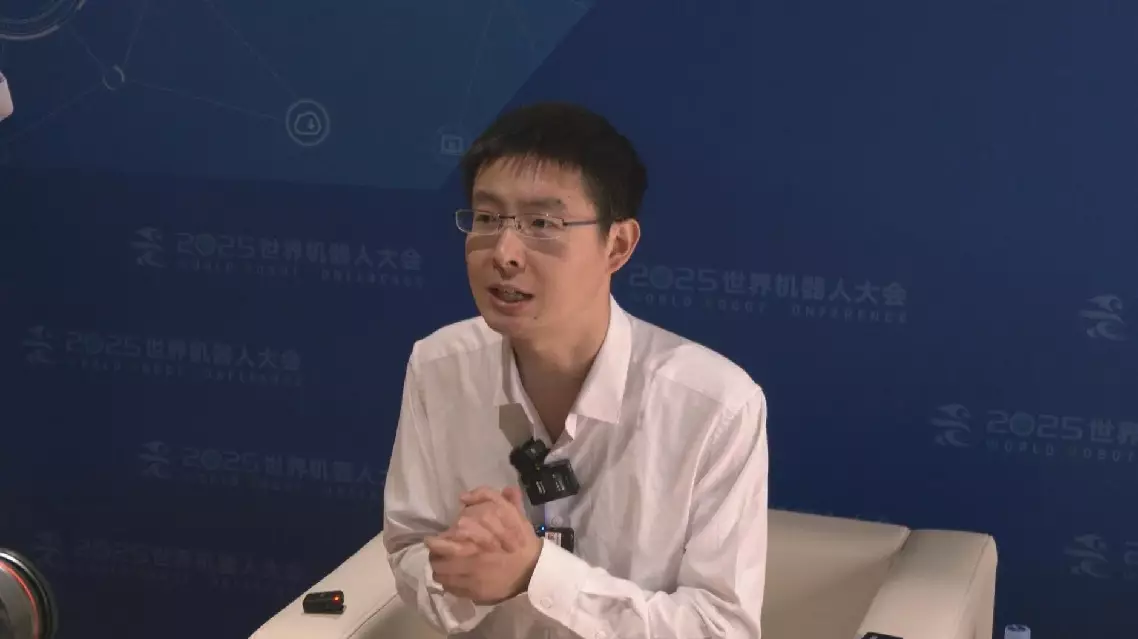
Unitree CEO cites embodied AI as key challenge to replacing human jobs with robots
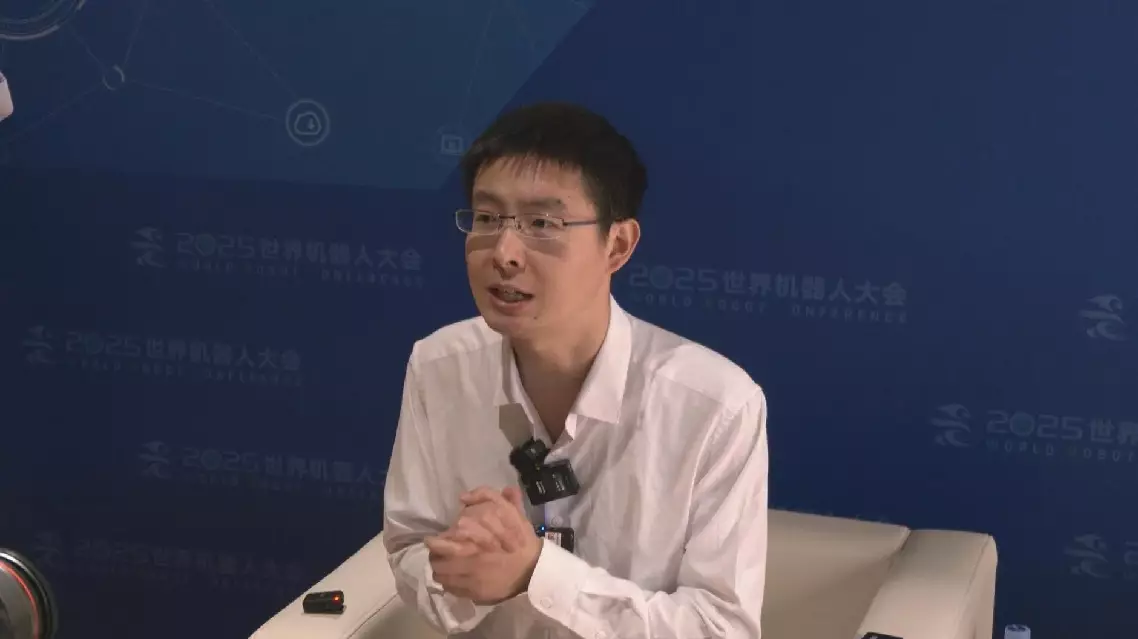
Unitree CEO cites embodied AI as key challenge to replacing human jobs with robots
"Since the first half of 2025, because of the boom in robot industry as well as favorable policies, I think the average sell-in per company, from robot manufacturer to component supplier, has reached a growth by 50 to 100 percent," he said.
Wang once said robots could be free in the future. He shared his idea with the press on the sidelines of the conference.
"We hope that the price of robots will be more affordable in the future, so that more people will be willing to purchase and use robots. I used to say that robots could be free of charge some day. I believe when robots can actually take over human jobs, the global concept of robots will be drastically changed." Wang said.
During a series of events this year, Unitree's robots have impressed spectators with their mobility and agility, sparking questions about when these humanoids can actually replace human workers.
"Currently, the existing hardware remains capable of supporting the robotic development. However, the biggest challenge lies in AI robot or embodied AI model. Last year, we had cooperation with some automakers, using robots to take over certain human jobs. At this moment, applying AI technologies to certain scenarios like sports and performances is actually more feasible. If there would be bigger technological breakthroughs, it's possible that our output can surge to even one million units in a matter of two to three years," Wang said.
Kicked off on Friday, the five-day WRC features forums, exhibitions, competitions and networking events, with over 200 robotics companies from around the world presenting their latest innovations.
Co-organized by the China Institute of Electronics and the World Robot Cooperation Organization, the event is themed "Making Robots Smarter, Making Embodied Agents More Intelligent."
Unitree CEO cites embodied AI as key challenge to replacing human jobs with robots
Unitree CEO cites embodied AI as key challenge to replacing human jobs with robots
Unitree CEO cites embodied AI as key challenge to replacing human jobs with robots
Unitree CEO cites embodied AI as key challenge to replacing human jobs with robots