MARACAIBO, Venezuela (AP) — The hands of Yosbelin Pérez have made tens of thousands of the aluminum round gridles that Venezuelan families heat every day to cook arepas. She takes deep pride in making the revered “budare,” the common denominator among rural tin-roofed homes and city apartments, but she owns nothing to her name despite the years selling cookware.
Pérez, in fact, owes about $5,000 because she and her family never made it to the United States, where they had hoped to escape Venezuela’s entrenched political, social and economic crisis. Now, like thousands of Venezuelans who have voluntarily or otherwise returned to their country this year, they are starting over as the crisis worsens.
Click to Gallery
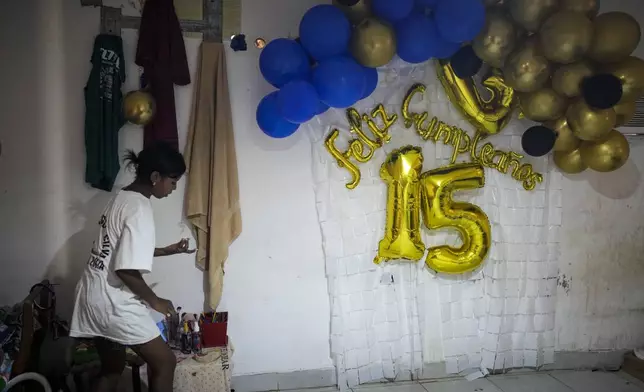
Yaribel Romero, one of five children who returned to Venezuela from Mexico with their parents after abandoning plans to reach the United States amid President Donald Trump's migration crackdown, tidies her room the day after her fifteenth birthday, in Maracaibo, Venezuela, Monday, June 16, 2025. (AP Photo/Matias Delacroix)

Aluminum pots made by the Romero Perez family, who returned to Venezuela from Mexico after abandoning plans to reach the United States amid President Donald Trump's migration crackdown, sit in a pile at their workshop in Maracaibo, Venezuela, Monday, June 16, 2025. (AP Photo/Matias Delacroix)
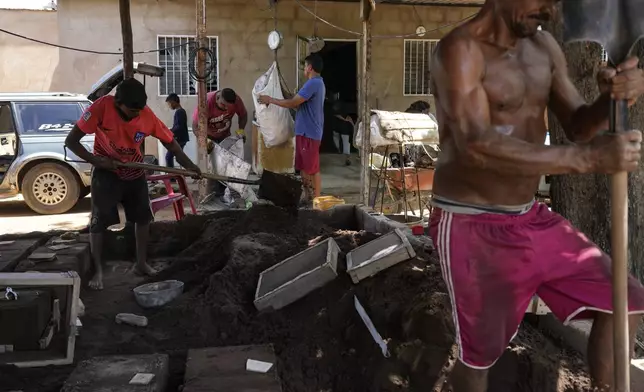
Jolber Romero, left, one of five children who returned to Venezuela from Mexico with his parents after abandoning plans to reach the United States amid President Donald Trump's migration crackdown, shovels sand into molds to cast aluminum pots, in Maracaibo, Venezuela, Monday, June 16, 2025. (AP Photo/Matias Delacroix)
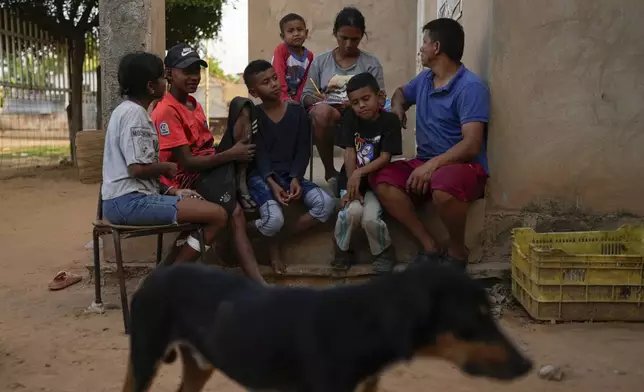
Jose Romero, right, his wife Yoselin Perez and their five children, who returned to Venezuela from Mexico after abandoning plans to reach the United States amid President Donald Trump's migration crackdown, sit on their porch in Maracaibo, Venezuela, Monday, June 16, 2025. (AP Photo/Matias Delacroix)
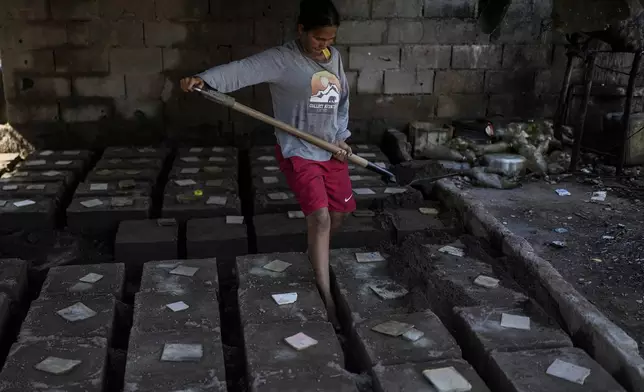
Yosbelin Perez, who returned to Venezuela from Mexico with her husband and five children after abandoning plans to reach the United States amid President Donald Trump's migration crackdown, covers molds with molten aluminum to make griddles, in Maracaibo, Venezuela, Monday, June 16, 2025. (AP Photo/Matias Delacroix)
“When I decided to leave in August, I sold everything: house, belongings, car, everything from my factory — molds, sand. I was left with nothing,” Pérez, 30, said at her in-laws’ home in western Venezuela. “We arrived in Mexico, stayed there for seven months, and when President (Donald Trump) came to power in January, I said, ‘Let’s go!’”
She, her husband and five children returned to their South American country in March.
More than 7.7 million Venezuelans have migrated since 2013, when their country’s oil-dependent economy unraveled. Most settled in Latin America and the Caribbean, but after the COVID-19 pandemic, migrants saw the U.S. as their best chance to improve their living conditions.
Many Venezuelans entered the U.S. under programs that allowed them to obtain work permits and shielded them from deportation. But since January, the White House has ended immigrants’ protections and aggressively sought their deportations as U.S. President Donald Trump fulfills his campaign promise to limit immigration to the U.S.
Venezuelan President Nicolás Maduro had long refused to take back deported Venezuelans but changed course earlier this year under pressure from the White House. Immigrants now arrive regularly at the airport outside the capital, Caracas, on flights operated by either a U.S. government contractor or Venezuela's state-owned airline.
The U.S. government has defended its bold moves, including sending more than 200 Venezuelans to a prison in El Salvador for four months, arguing that many of the immigrants belonged to the violent Tren de Aragua street gang. The administration did not provide evidence to back up the blanket accusation. However, several recently deported immigrants have said U.S. authorities wrongly judged their tattoos and used them as an excuse to deport them.
Many of those returning home, like Pérez and her family, are finding harsher living conditions than when they left as a currency crisis, triple-digit inflation and meager wages have made food and other necessities unaffordable, let alone the vehicle, home and electronics they sold before migrating. The monthly minimum wage of 130 bolivars, or $1.02 as of Monday, has not increased in Venezuela since 2022. People typically have two, three or more jobs to cobble together money.
This latest chapter in the 12-year crisis even prompted Maduro to declare an “economic emergency” in April.
David Rodriguez migrated twice each to Colombia and Peru before he decided to try to get to the U.S. He left Venezuela last year, crossed the treacherous Darien Gap on foot, made it across Central America and walked, hopped on a train and took buses all over Mexico. He then turned himself in to U.S. immigration authorities in December, but he was detained for 15 days and deported to Mexico.
Broke, the 33-year-old Rodriguez worked as a mototaxi driver in Mexico City until he saved enough money to buy his airplane ticket back to Venezuela in March.
“Going to the United States ... was a total setback,” he said while sitting at a relative’s home in Caracas. “Right now, I don’t know what to do except get out of debt first.”
He must pay $50 a week for a motorcycle he bought to work as a mototaxi driver. In a good week, he said, he can earn $150, but there are others when he only makes enough to meet the $50 payment.
Some migrants enrolled in beauty and pastry schools or became food delivery drivers after being deported. Others already immigrated to Spain. Many sought loan sharks.
Pérez’s brother-in-law, who also made aluminum cookware before migrating last year, is allowing her to use the oven and other equipment he left at his home in Maracaibo so that the family can make a living. But most of her earnings go to cover the 40% monthly interest fee of a $1,000 loan.
If the debt was not enough of a concern, Pérez is also having to worry about the exact reason that drove her away: extortion.
Pérez said she and her family fled Maracaibo after she spent several hours in police custody in June 2024 for refusing to pay an officer $1,000. The officer, Pérez said, knocked on her door and demanded the money in exchange for letting her keep operating her unpermitted cookware business in her backyard.
She said officers tracked her down upon her return and already demanded money.
“I work to make a living from one day to the next ... Last week, some guardsmen came. ‘Look, you must support me,’” Pérez said she was told in early July.
“So, if I don’t give them any (money), others show up, too. I transferred him $5. It has to be more than $5 because otherwise, they’ll fight you.”
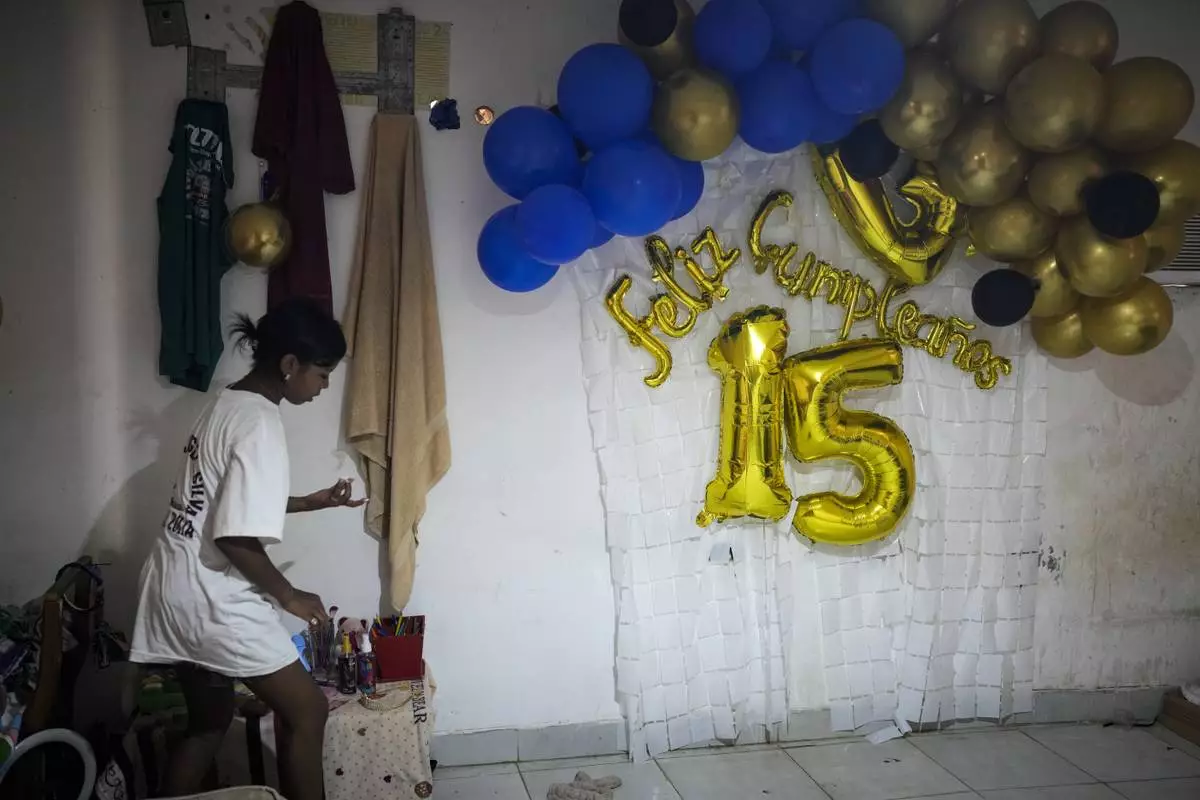
Yaribel Romero, one of five children who returned to Venezuela from Mexico with their parents after abandoning plans to reach the United States amid President Donald Trump's migration crackdown, tidies her room the day after her fifteenth birthday, in Maracaibo, Venezuela, Monday, June 16, 2025. (AP Photo/Matias Delacroix)
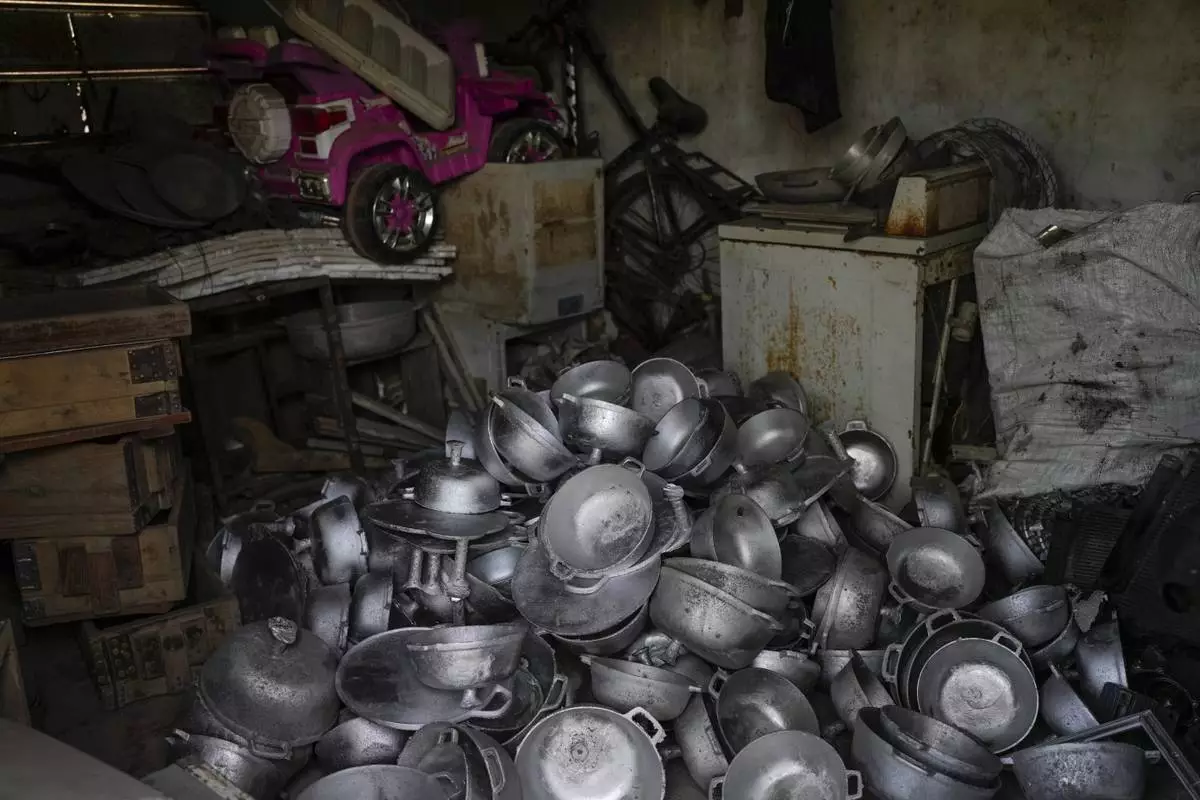
Aluminum pots made by the Romero Perez family, who returned to Venezuela from Mexico after abandoning plans to reach the United States amid President Donald Trump's migration crackdown, sit in a pile at their workshop in Maracaibo, Venezuela, Monday, June 16, 2025. (AP Photo/Matias Delacroix)
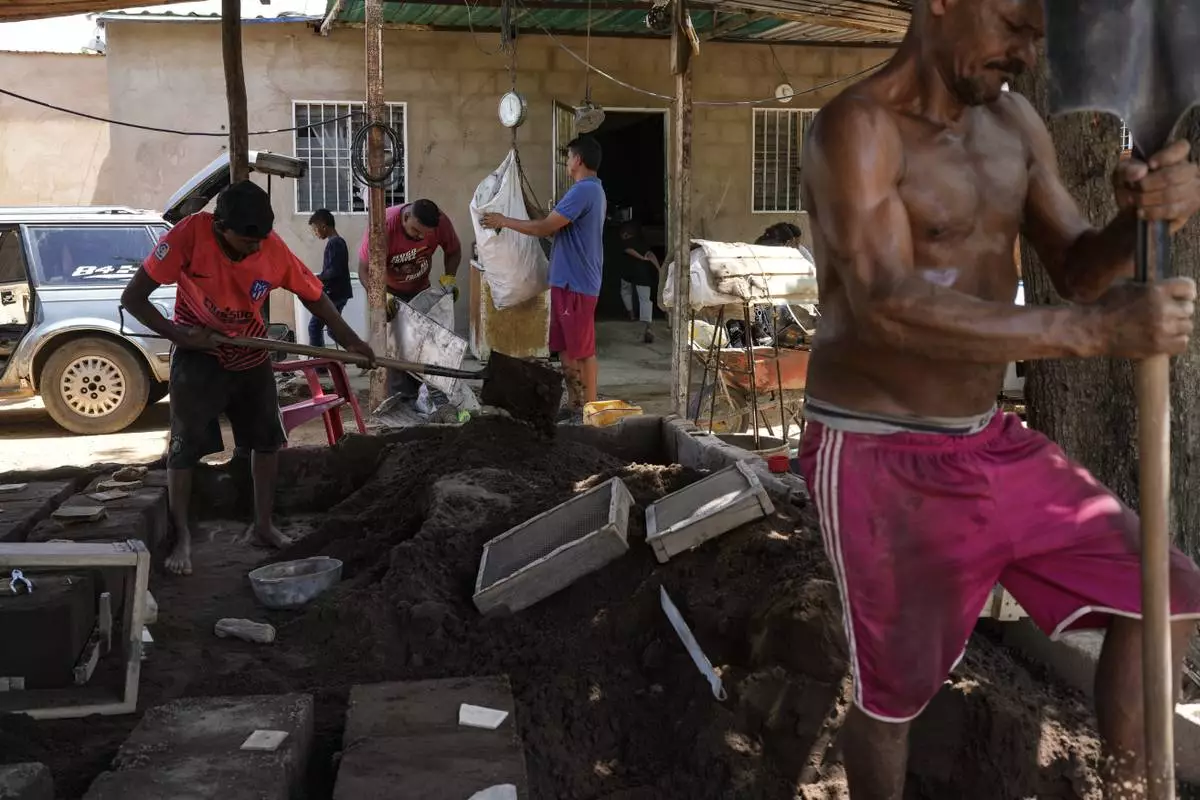
Jolber Romero, left, one of five children who returned to Venezuela from Mexico with his parents after abandoning plans to reach the United States amid President Donald Trump's migration crackdown, shovels sand into molds to cast aluminum pots, in Maracaibo, Venezuela, Monday, June 16, 2025. (AP Photo/Matias Delacroix)
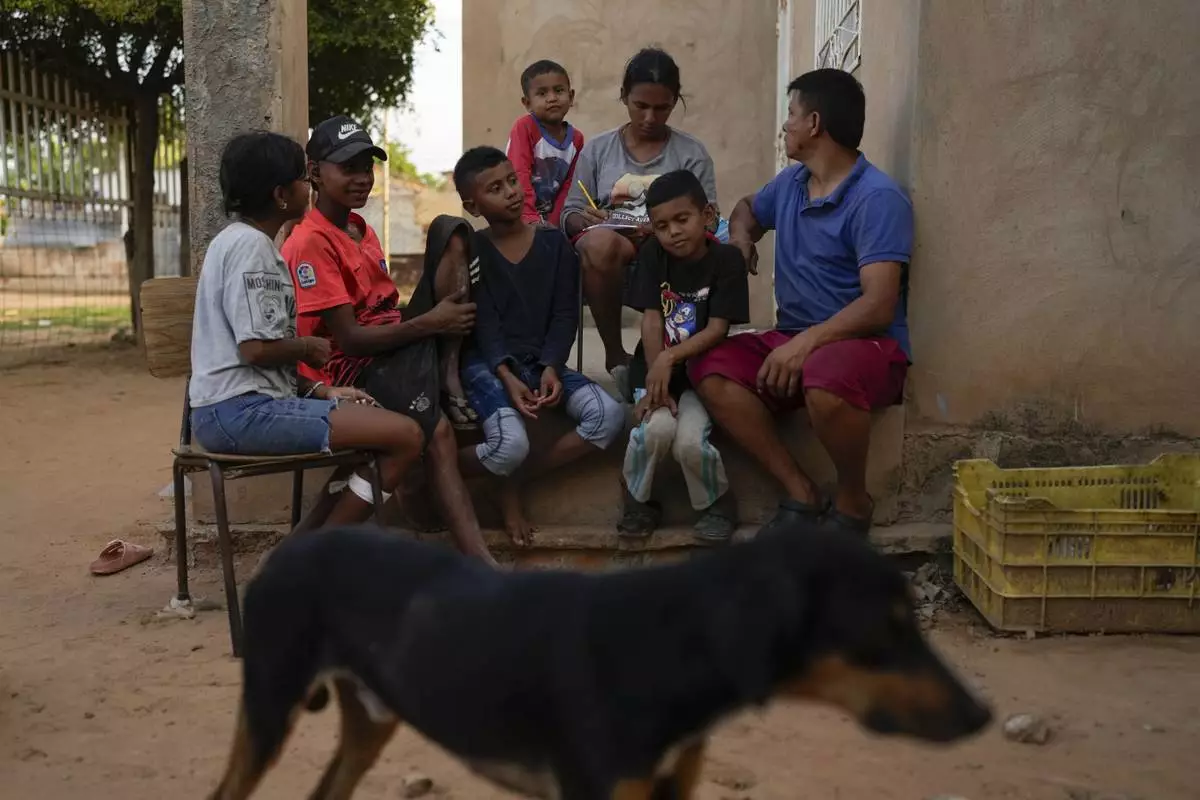
Jose Romero, right, his wife Yoselin Perez and their five children, who returned to Venezuela from Mexico after abandoning plans to reach the United States amid President Donald Trump's migration crackdown, sit on their porch in Maracaibo, Venezuela, Monday, June 16, 2025. (AP Photo/Matias Delacroix)
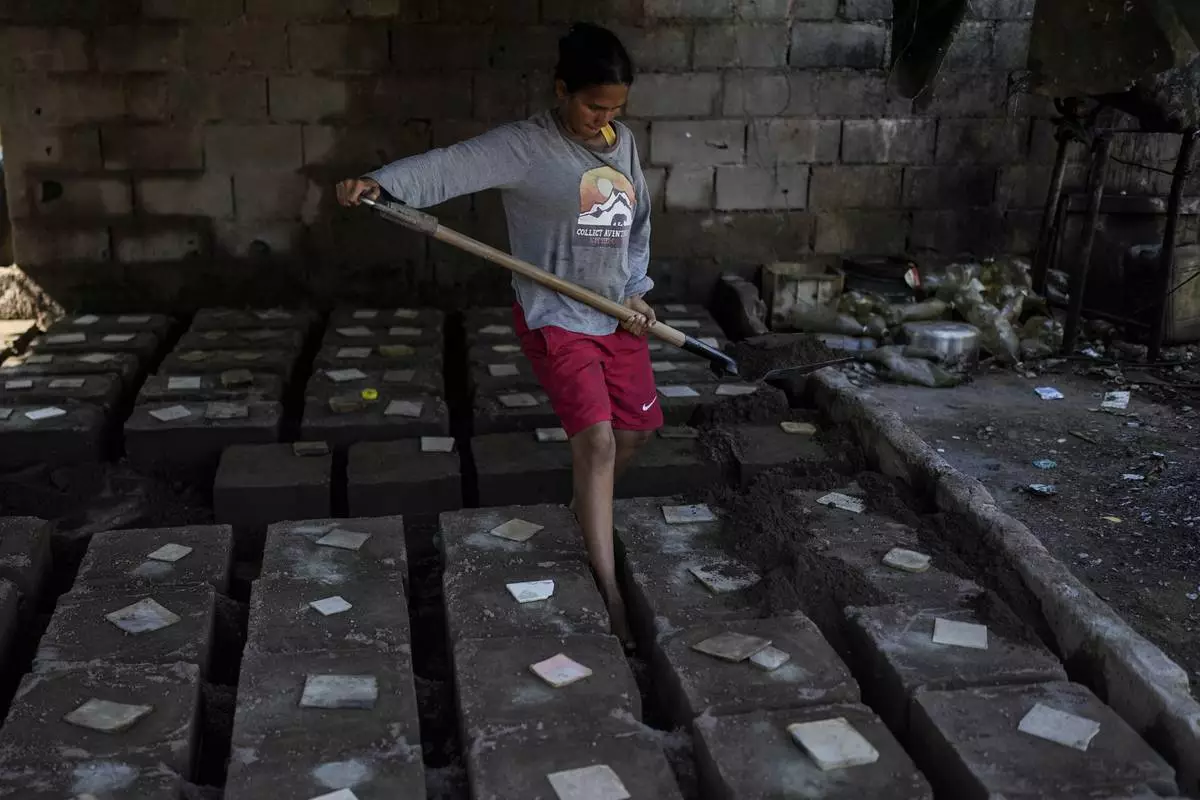
Yosbelin Perez, who returned to Venezuela from Mexico with her husband and five children after abandoning plans to reach the United States amid President Donald Trump's migration crackdown, covers molds with molten aluminum to make griddles, in Maracaibo, Venezuela, Monday, June 16, 2025. (AP Photo/Matias Delacroix)