Skip to Content Facebook Feature Image

Scientists search for DNA of an endangered salamander in Mexico City’s canals

News

Scientists search for DNA of an endangered salamander in Mexico City’s canals
News

News

Scientists search for DNA of an endangered salamander in Mexico City’s canals

2025-08-12 07:09 Last Updated At:07:11

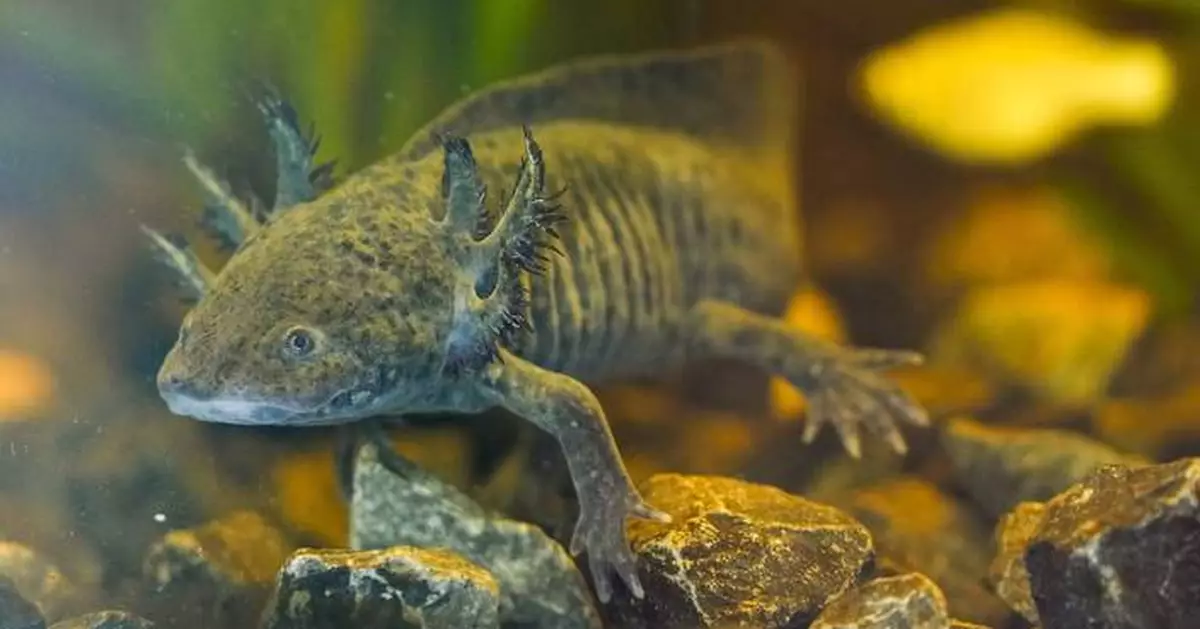
MEXICO CITY (AP) — Sixty years ago, residents of a canal-crossed borough in Mexico City could pluck axolotls — the large salamander reminiscent of a tiny dragon — out of the water with their hands because they were so plentiful. Now it’s almost impossible to find them in the wild.

That's why scientists from Mexico’s National Autonomous University are filtering Xochimilco’s murky waters for traces of the endangered creature’s DNA.

“We all shed DNA along our path across the world and that can be captured by filtering air or water,” said biologist Luis Zambrano, from the university's ecological restoration lab.

As they try to monitor the axolotls’ dwindling numbers, scientists increasingly rely on this technique as their nets come back empty during periodic surveys of the population, which is only found in Xochimilco.

They sample water taken from the canals and filter it for environmental DNA, or the genetic particles left by animals and plants that have contact with the water. That’s then compared to the profiles contained in a genetic library put together some years ago by British scientists, said Esther Quintero of Conservation International in Mexico, which has collaborated with Zambrano since 2023.

Scientists collected water from 53 locations in Xochimilco: 10 inside refuges where water is filtered and the water is cleaner and 43 outside those areas. They found axolotl DNA inside the protected areas and in one site outside them.

Referring to the one unprotected area, Zambrano said “it’s very little,” but a sign that there is the possibility of resilience, even with continuing environmental degradation and pollution of the canals.

So far, the researchers have only searched a third of Xochimilco with the environmental DNA technique and the manual work with nets, but they plan to continue the work and hopefully present an updated census early next year.

The trend, however, is not good. From an estimated 6,000 axolotls per square kilometer in 1998, there were only 36 per square kilometer in the last census, in 2014.

Zambrano highlights that his team’s work has shown that conservation works and that the effort to protect the species is also improving water quality, increasing the number of pollinizers in the area and means that Mexico City makes better use of Xochimilco’s water, among other benefits.

But policymakers can do more, he said, such as prohibiting the opening of dance clubs, spas and soccer fields on Xochimilco’s traditional man-made islands, known as chinampas. Instead, the government should incentivize the islands’ traditional agricultural production, ensuring that farmers can actually make a living at it.

If its habitat is fixed, the axolotl can take care of the rest.

“The axolotl reproduces a lot because it lays a lot of eggs … it can easily recover and we know how,” Zambrano said.

Follow AP’s coverage of Latin America and the Caribbean at https://apnews.com/hub/latin-america
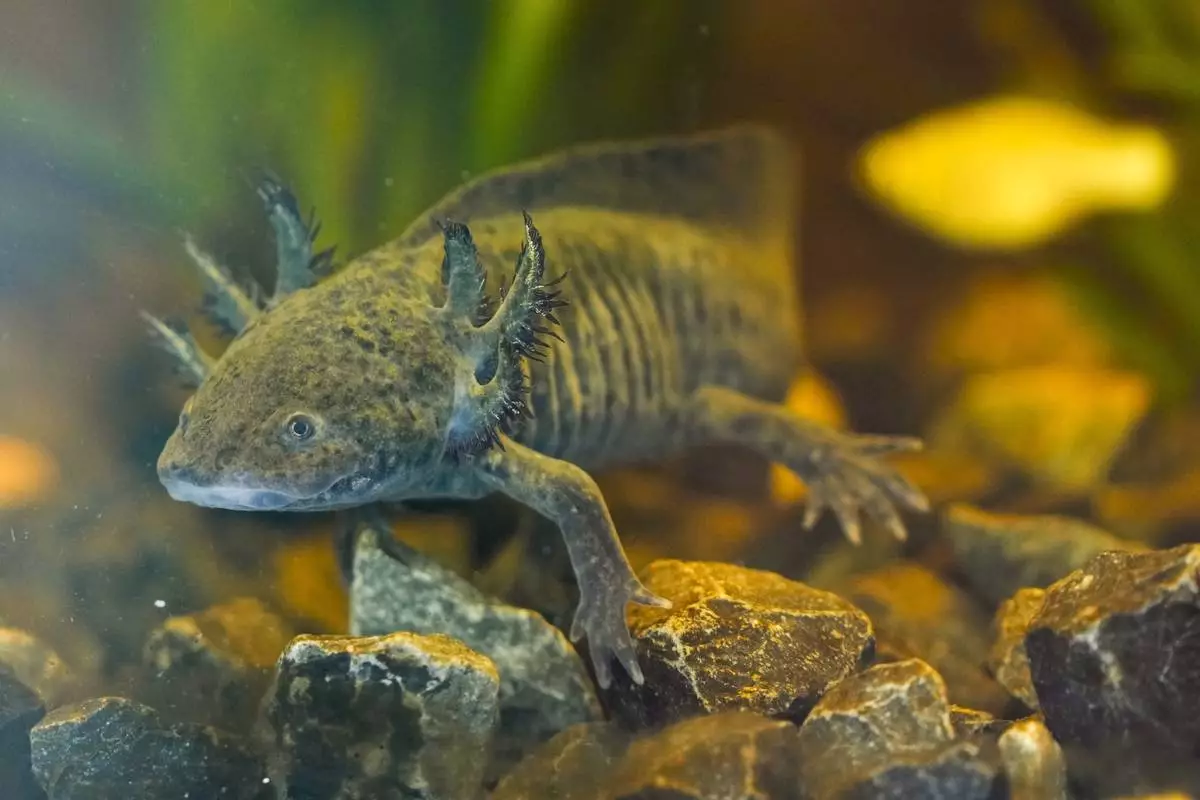
FILE - An axolotl swims in an aquarium at a museum at the Xochimilco Ecological Park, in Mexico City, Feb. 11, 2025. (AP Photo/Marco Ugarte, File)

FILE - An axolotl swims in an aquarium at a museum at the Xochimilco Ecological Park, in Mexico City, Feb. 11, 2025. (AP Photo/Marco Ugarte, File)

KOHALA, Hawai‘i--(BUSINESS WIRE)--Jan 15, 2026--

Kuleana Rum Works, the Hawai‘i-based distillery known for its additive-free, award-winning rums, today announced the release of An Open Letter on Additive-Free Rum,” written by Founder & CEO Steve Jefferson, addressing why rum is now facing the same scrutiny and market shift that reshaped tequila a decade ago.

This press release features multimedia. View the full release here: https://www.businesswire.com/news/home/20260107792953/en/

Consumers across spirits are demanding more honesty about how products are made. Additive-free labeling has already transformed tequila and is reshaping whiskey and RTDs. Drinkers now expect producers to protect natural flavor instead of masking it, and bartenders increasingly use transparency as a measure of quality. The letter positions rum as the next category entering this accountability cycle, as more consumers begin to question undisclosed sweeteners, flavorings and added color.

Tequila provides the clearest precedent. Producers who embraced additive-free methods helped premiumize the category, while brands relying on undisclosed additives now face growing skepticism. According to the letter, rum is approaching the same turning point. Jefferson explains that Kuleana Rum Works was founded on additive-free principles: growing heirloom Hawaiian kō (sugarcane), fermenting and distilling fresh juice at lower proof to preserve natural character, adding nothing after distillation and holding all blending partners to the same standards. Every rum — whether distilled in Hawai‘i or sourced — is verified additive-free through independent lab testing and supplier documentation.

“Consumer expectations are changing fast across spirits,” said Steve Jefferson, Founder and CEO of Kuleana Rum Works. “People want honesty in what they drink, and they’re rewarding producers who protect natural flavor rather than covering it up. Additive-free isn’t a trend — it’s becoming the standard, and rum is now facing that shift head-on.”

Additional detail in the letter underscores how production choices such as fresh juice fermentation, low-proof distillation and a strict no-additives policy create transparency and flavor integrity that align with what the market is valuing.

About Kuleana Rum Works

Founded on the island of Hawai‘i in 2013, Kuleana Rum Works crafts award-winning, additive-free rums — led by its signature Hawaiian Rum Agricole® — from fresh kō (heirloom Hawaiian sugarcane) grown on its regenerative Kohala farm. Now available in 17 states and Japan, Kuleana Rum Works champions excellence, transparency and community stewardship. Visit kuleanarum.com to learn more.

https://kuleanarum.com/additive-free/

https://kuleanarum.com/additive-free/

Recommended Articles