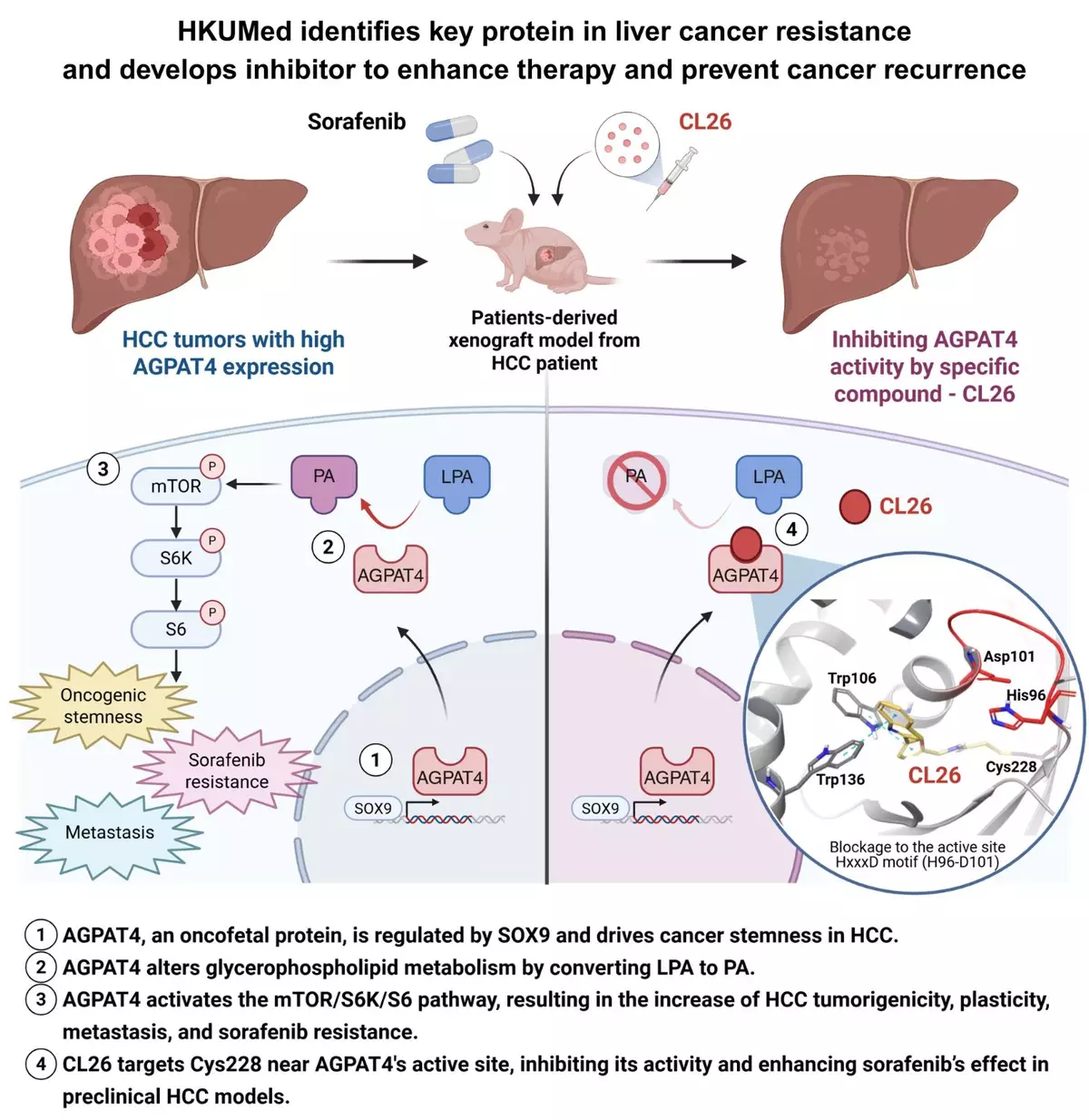
Researchers from the School of Biomedical Sciences at the LKS Faculty of Medicine, the University of Hong Kong (HKUMed), have made a significant advancement that could reshape the treatment landscape for hepatocellular carcinoma (HCC), the most common type of liver cancer, which often resists treatment and recurs. This cancer is especially prevalent in Southeast Asia and China. The research, published in the journal Science Translational Medicine [link to publication], revealed a previously unknown mechanism that allows HCC to grow more aggressively and evade existing therapies. The team also developed a new small molecule inhibitor that could improve treatment options for HCC patients.
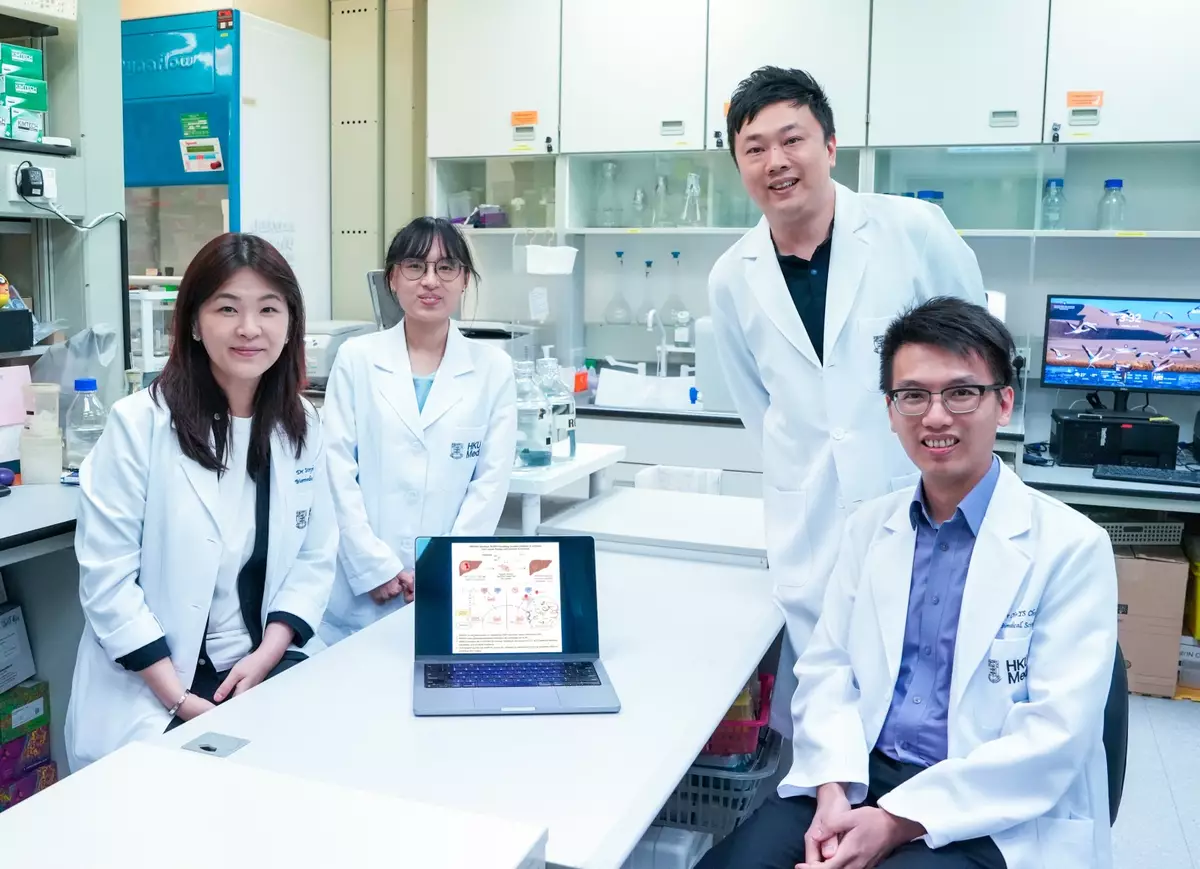
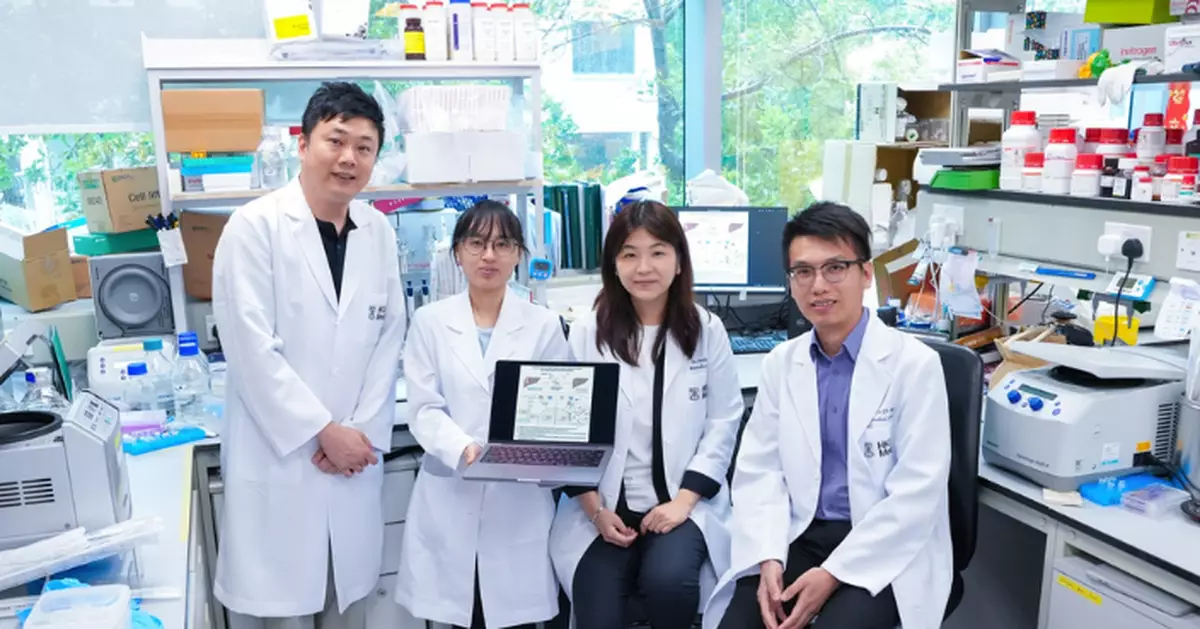
A HKUMed research co-led by Professor Stephanie Ma Kwai-yee (first left) and Professor Clive Chung Yik-sham (first right), paves the way for significant advancement in hepatocellular carcinoma (HCC) treatment by identifying a key protein that fuels tumour growth and developing an inhibitor that can improve treatment outcomes.
Unravelling the mystery of tumour resistance
The liver plays a crucial role in various metabolic functions. In HCC, cancerous cells significantly alter these metabolic processes fuelling tumour growth. ‘In our study, we found that a specific metabolic pathway helps cancer cells maintain their stemness, which refer to their enhanced ability to grow, spread and survive,’ explained Professor Stephanie Ma Kwai-yee, co-lead author of the study, and Jimmy and Emily Tang Professor in Molecular Genetics in the School of Biomedical Sciences at HKUMed. Professor Ma is also Associate Vice-President (Research and Innovation) at HKU.
This pathway involves a protein called AGPAT4, which is abundant in both embryonic stem cells and HCC tumour cells, but is rarely found in normal tissues. ‘Our data show that AGPAT4 acts like a switch that makes cancer cells more flexible and aggressive,’ said Professor Ma. ‘This flexibility, known as tumour plasticity, is linked to a higher chance of the cancer to recur, spread and resist existing treatments like sorafenib, a widely used drug for liver cancer.’
The research team discovered that AGPAT4 increases the conversion of a fat molecule called LPA (lysophosphatidic acid) into another molecule called PA (phosphatidic acid). This process activates a signalling pathway involving cell manager mTOR and other proteins, which promote tumour growth and survival. Professor Ma added, ‘When we blocked AGPAT4 in a mouse model, tumour growth slowed down and the cancer became more sensitive to sorafenib.’
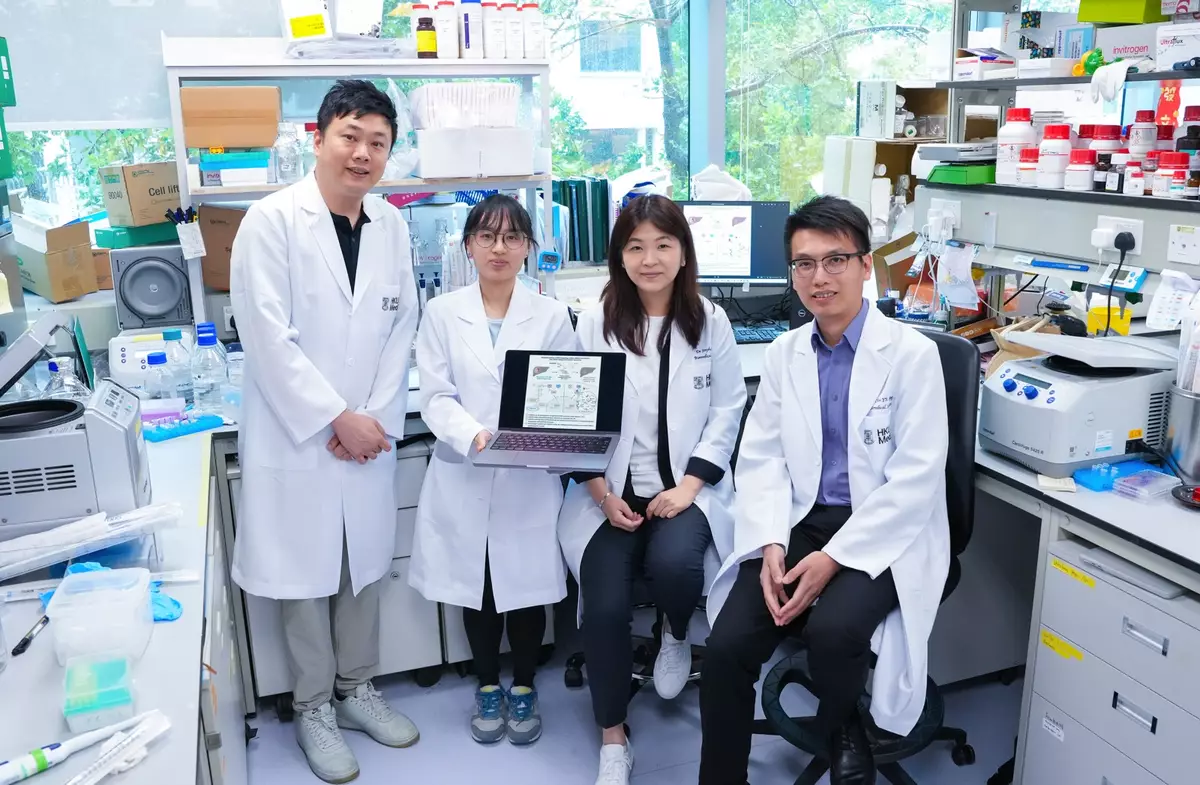
HKUMed researchers have identified key protein in liver cancer resistance and developed inhibitor to enhance therapy and prevent cancer recurrence. The research is co-led by Professor Stephanie Ma Kwai-yee (second right) and Professor Clive Chung Yik-sham (first right).
Developing an inhibitor to target AGPAT4
Building on these findings, the team developed a compound called CL26, which specifically targets AGPAT4. In preclinical models using patient-derived tumours, CL26 worked in combination with sorafenib to significantly suppress tumour growth. Toxicological assessments showed minimal side effects, suggesting the compound may be safe for future clinical use.
‘This is a promising step forward,’ said Professor Clive Chung Yik-sham, Assistant Professor in the School of Biomedical Sciences, HKUMed, who also co-led the study. ‘CL26 allows us to target liver cancer cells with precision, potentially improving outcomes for patients who no longer respond to standard treatments.’
Eyes on clinical trials to validate treatment potential
‘Our research suggests that AGPAT4 helps HCC cancer cells become more adaptable and resistant to therapy,’ said Professor Ma. ‘By targeting this protein, we may enhance the effectiveness of sorafenib and expand the therapeutic options for patients in clinical settings. We aim to offer hope to countless patients battling this challenging disease.’Professor Chung added, ‘CL26’s ability to precisely target AGPAT4 is likely one of the key reasons it works so well. We are conducting larger-scale preclinical studies to further assess the efficacy and safety of CL26 and hope to advance to investigational new drug studies and clinical trials.’
About the research team
The collaborative study was co-led by Professor Stephanie Ma Kwai-yee and Professor Clive Chung Yik-sham from the School of Biomedical Sciences at HKUMed. The co-first authors were Dr Johnson Ng Kai-yu and Amy Koo Tin-yan. Major collaborators included professors from The Hong Kong Polytechnic University, the Fourth Military Medical University in Xi’an, the Sun Yat-sen University Cancer Centre, and Guangzhou Medical University in Guangzhou; and Professor Guan Xinyuan from the Department of Clinical Oncology of the School of Clinical Medicine at HKUMed.
Acknowledgements
This research was funded by various grants from the Hong Kong Research Grants Council, including the Theme-Based Research Scheme, the Research Impact Fund, the Collaborative Research Fund, the General Research Fund, the Early Career Scheme and the Research Fellow Scheme. Additional support was provided by the Croucher Foundation’s Senior Research Fellowship and the Guangdong Science and Technology Department. The project also received separate grants through the Innovation and Technology Support Programme under the Innovation and Technology Fund, as well as funding for the Laboratory for Synthetic Chemistry and Chemical Biology, the Centre for Oncology and Immunology, and the Centre for Translational and Stem Cell Biology under the Health@InnoHK Programme initiated by the Innovation and Technology Commission of the HKSAR Government
Women sit at outdoor cafes without headscarves and wearing crop tops. Men in shorts and women in leggings exercise together in parks. At sidewalk concerts, women stop to dance and literally let their hair down.
The scenes from the Iranian capital of Tehran, shared in social media videos, point to how dramatically enforcement of social restrictions has eased in the Islamic Republic in recent years.
That's in part because of the mass protests that erupted after the Sept. 16, 2022, death of Mahsa Amini, a 22-year-old woman who was detained by morality police for allegedly not wearing her headscarf properly. Security forces crushed the protests with a crackdown that killed more than 500 people, and thousands were arrested. But to keep the peace, authorities backed off on enforcement of the rules mandating the hijab, or headscarf, and modest dress for women.
The question now is whether that can be reversed.
Hard-liners in Iran’s ruling establishment increasingly demand a clampdown on women’s dressing habits. But top leaders caution against triggering a public backlash at a time of war, when U.S. attacks, sanctions and a naval blockade are pushing the crippled economy toward collapse.
“We can’t enter into that front as we ought to because of wartime conditions,” Gholam Ali Haddad Adel, a politician and father-in-law of Supreme Leader Mojtaba Khamenei, said last week in public remarks about headscarves.
An activist and former political prisoner who lives in Tehran, Pouran Nazemi said disagreements about the hijab became more acute after the war started. “They are afraid of protests,” she said in a phone call.
A university student in her early 20s who lives in an affluent northern area of the capital said she doesn’t wear a headscarf but wears outfits that cover most of her arms and legs — and “I feel like I am wearing too much.”
Her friends, she said, go out in tops that show their bare shoulders and shorts that stop at the knee. She spoke with The Associated Press on the condition of anonymity out of security fears.
At its strictest, Iran's ruling theocracy requires women to wear a scarf covering the hair and loose-fitting clothes that hide the entire body. Religious police in the streets have fined, harassed or arrested women skirting the rules. But over the past decade, many women challenged the limits, moving the scarf to show more hair and wearing more closely fitting clothes.
Since 2022, many stopped wearing the headscarf entirely. Even more recently, women in some parts of Tehran have bared their arms, legs or even stomachs.
In a piece published Wednesday, four years after Amini’s death, a hard-line newspaper overseen by the supreme leader said the removal of headscarves had grown into “promoting nudity and permissiveness” and called it a “security threat.” The report in Kayhan added that the judiciary chief, Gholamhossein Mohseni-Ejei, had called for “prudent and urgent action” on headscarves.
Hard-liners hold nightly rallies across the country attended by women in black conservative robes and head coverings. But even there, a few women without headscarves can be seen.
Hijab rules have become a lightning-rod issue dividing pragmatists from hard-liners among Iran’s ruling theocracy, much like questions of whether to negotiate with the U.S. or escalate the war.
Many of the calls for enforcing headscarves have come from figures linked with the supreme leader’s office, though it is not known if they reflect Khamenei’s stance. The supreme leader has not appeared in public — nor released any audio or video recordings — since succeeding his father, Ayatollah Ali Khamenei, who was killed by an Israeli strike on Feb. 28. The elder Khamenei long called for firm enforcement on the hijab.
In a sermon on Aug. 28, a top cleric in the eastern shrine city of Mashhad portrayed women without the hijab and others he described as irreligious as a domestic force that the U.S. could use against Iran. Ahmad Alamolhoda, who is the city’s Friday prayer leader and the supreme leader’s representative in the province, called on officials to use “all their resources” to curb such behavior.
Some conservative figures and media have blamed the pragmatist President Masoud Pezeshkian for preventing a stricter hijab policy.
“As soon as we say anything, they say there’s a war, let’s not make trouble,” Abdol Hossein Khosrowpanah told reporters last week after a meeting with officials about headscarves. Khosrowpanah heads a state body overseeing universities and cultural institutions that is controlled by the supreme leader.
Authorities have briefly shuttered some Tehran cafes and public places for violations of hijab rules, but the effort has not expanded.
Iranian leaders are cautious, particularly in the face of intensified U.S. sanctions they say aim to foment popular unrest. In January, protests over a currency crash snowballed into nationwide marches calling for the Islamic Republic’s overthrow. The ensuing crackdown killed thousands.
Women are finding they can pass with their hair uncovered even in places where they long had to be the most wary.
One Tehran resident in her mid-30s said she recently went without a headscarf on an errand to a government office, where hijab rules are normally strongly enforced. She spoke to AP by phone on condition of anonymity because of security fears.
Three women in Tehran contacted by AP said security forces hadn’t commented on their lack of a hijab while going through street checkpoints, which often include members of the feared Basij, the all-volunteer force that enforces morality rules and is used to crush protests.
The new head of the Basij, hard-line cleric Hossein Taeb, a former intelligence chief, cautioned a gathering of commanders last week that the headscarf issue should be addressed in a way that does not harm “internal cohesion,” according to the semiofficial news agency Mehr.
That echoed a statement by Khamenei last month that prioritized the war struggle above other issues.
Women are still targeted on morals-related charges. In a video posted to her Instagram page on Aug. 19, singer Hiwa Seyfizade said she had been sentenced to four years in prison after performing a public concert in the capital last year.
Turning points in Iran’s modern history have often been linked with the hijab issue. The Iranian monarchy forced women to remove headscarves in its drive to Westernize society in the 1930s. After the shah’s overthrow in 1979, the mandatory hijab became a defining tenet of clerical rule.
“Women who don’t put it on are, in a way, carrying out civil disobedience toward the government,” Sedigheh Vasmaghi, a lawyer and former political prisoner, said by phone from northern Iran.
The deaths of Amini and other women targeted for dress violations prompted Vasmaghi to discard the headscarf in 2023, after decades of wearing it. Vasmaghi is a scholar of Islamic jurisprudence and has written widely on women in Islam.
“Taking off the headscarf wasn’t an easy thing, especially for a person like myself,” she explained. She was detained in 2024 after openly arguing that there was no basis for the mandatory hijab in Islam.
Vasmaghi said she fears authorities could try a new crackdown after the war. But she noted that past attempts have failed.
“People aren’t going to go back to how it was,” the activist Nazemi said. “They aren’t capable of doing it.”
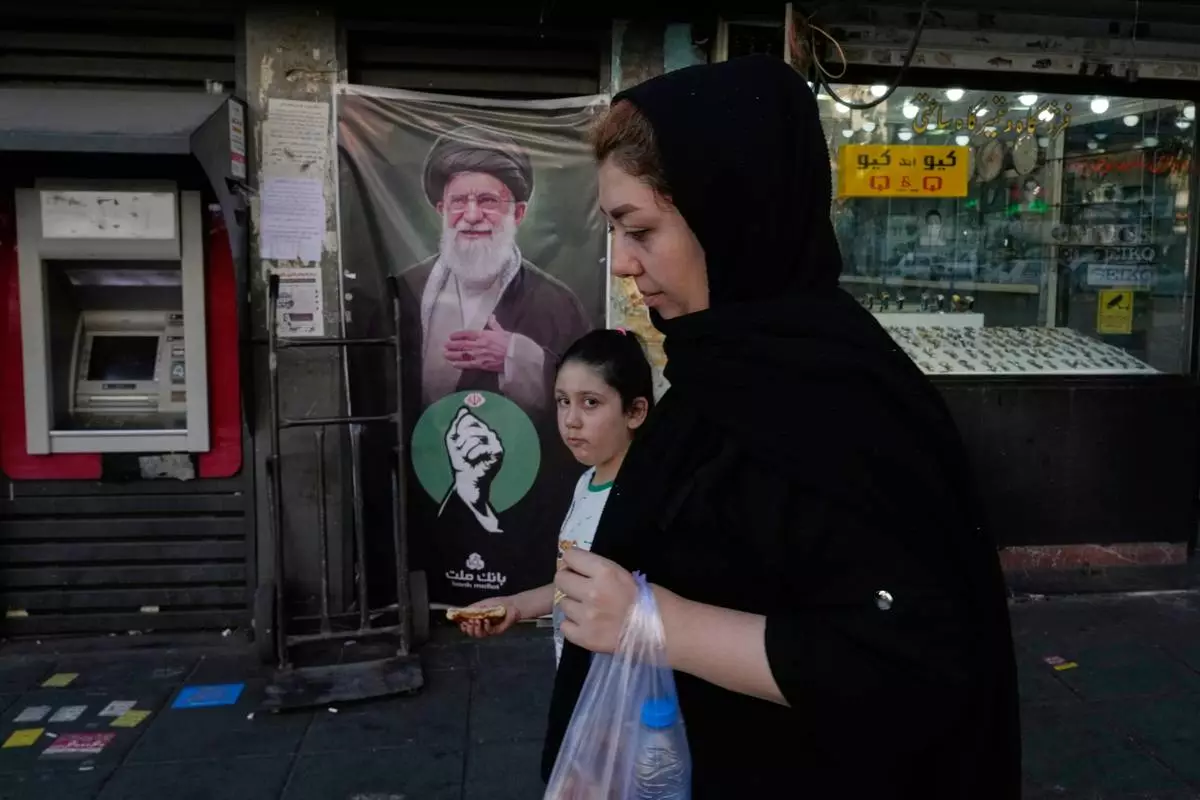
People pass a portrait of the late Iranian Supreme Leader Ayatollah Ali Khamenei, who was killed in the U.S and Israel strike on Feb. 28, at the Islamic Revolution square in Tehran, Tuesday, Sept. 15, 2026. (AP Photo/Vahid Salemi)
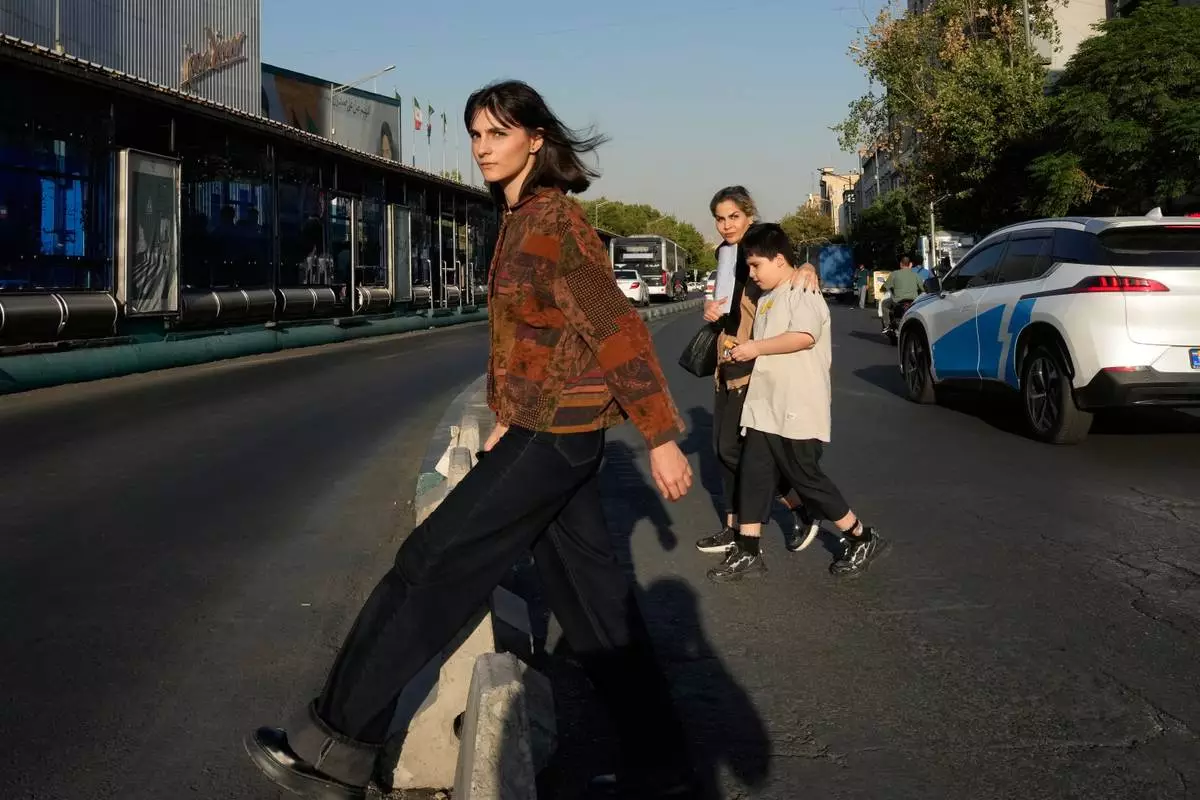
Pedestrians cross the Islamic Revolution street in downtown Tehran, Tuesday, Sept. 15, 2026. (AP Photo/Vahid Salemi)
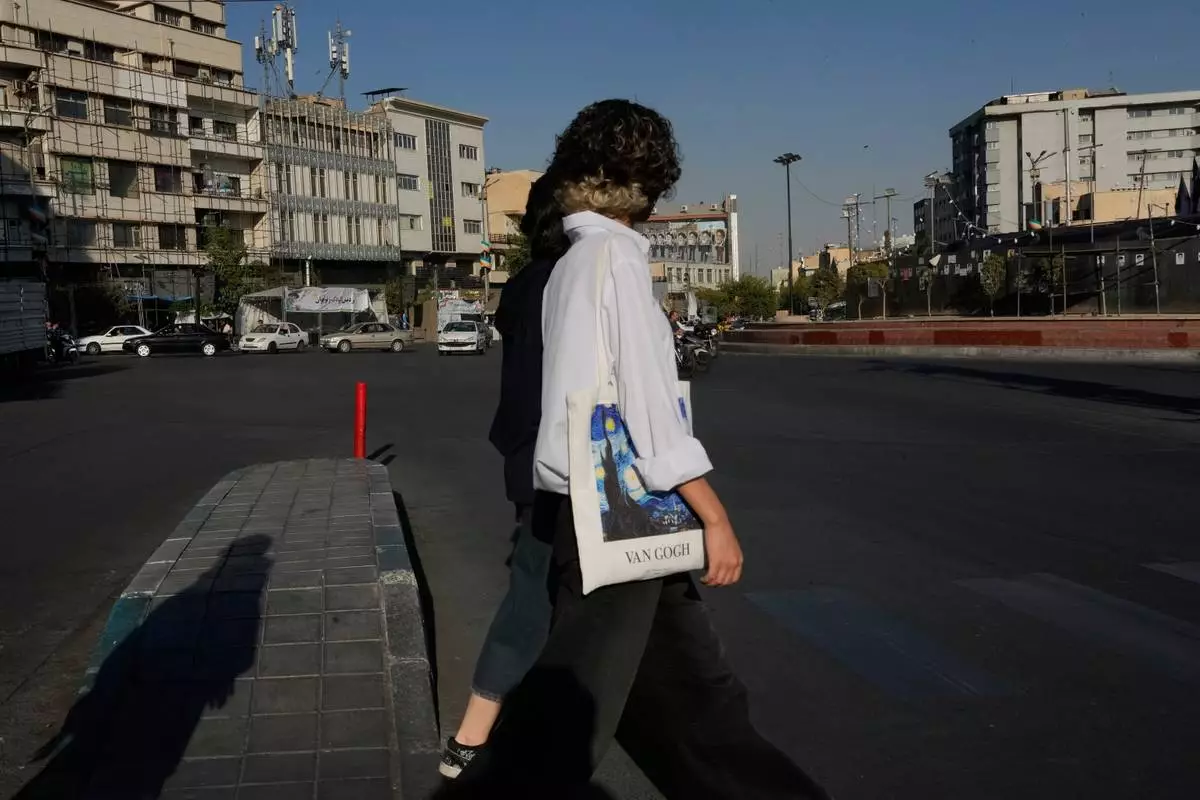
Women walk at the Islamic Revolution square in downtown Tehran, Tuesday, Sept. 15, 2026. (AP Photo/Vahid Salemi)
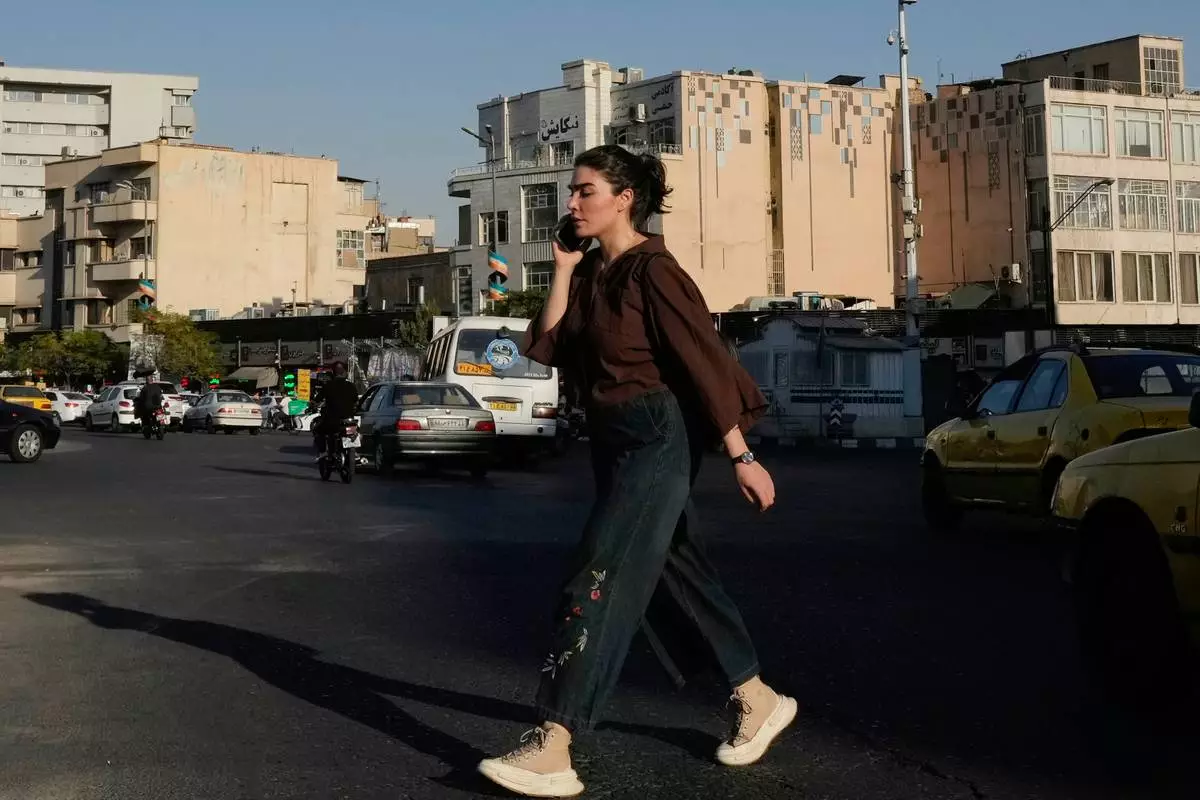
A woman talks on her cellphone as she walks across the Islamic Revolution square in downtown Tehran, Tuesday, Sept. 15, 2026. (AP Photo/Vahid Salemi)