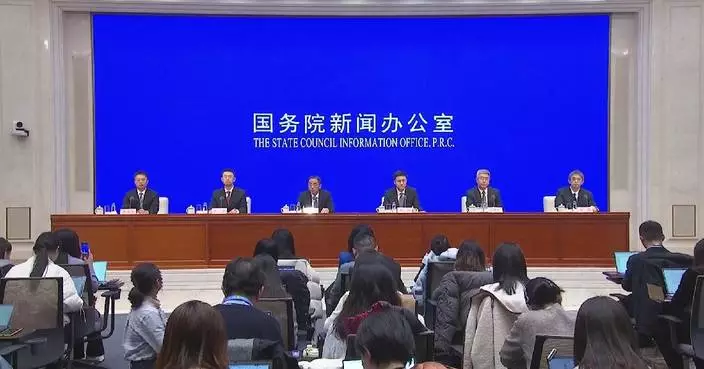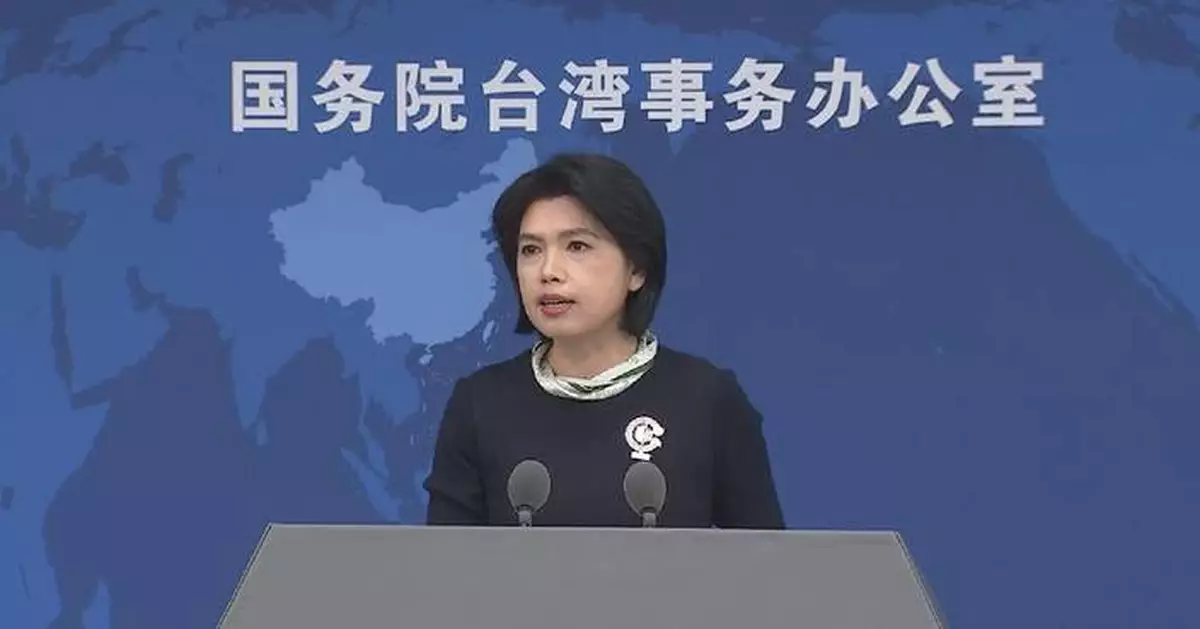
The historical drama "Dead To Rights," portraying the Nanjing Massacre during Japan's invasion of China, vividly commemorates the sacrifices and triumphs of all Chinese people on both sides of the Taiwan Strait, said Zhu Fenglian, spokeswoman for the State Council Taiwan Affairs Office, during a press conference in Beijing on Wednesday.
This year marks the 80th anniversary of the victory of the Chinese People's War of Resistance against Japanese Aggression and the World Anti-Fascist War, as well as the 80th anniversary of the recovery of the island of Taiwan.
Reflecting on the enduring significance of the War of Resistance and Taiwan's recovery, Zhu highlighted the shared sacrifices of Chinese people on both sides of the Taiwan Strait and highlighted the importance of remembering history through powerful narratives such as the wartime drama "Dead To Rights."
"The recovery of Taiwan island was a significant achievement of the victory in the War of Resistance, a great triumph forged through the successive struggles and bloody sacrifices of all Chinese people, including our compatriots on the island. It is a moment worthy of commemoration by compatriots on both sides of the Taiwan Strait," Zhu said at a regular press conference, responding to reporters' questions on recent cross-Strait hot topics.
"Recently many Taiwan compatriots have watched the film "Dead To Rights" in various places on the Chinese mainland. This film is based on the real criminal evidence of the Japanese army during the Nanjing Massacre (of 1937). With historical photos as the foundation, it showcases the resolute resistance of ordinary Chinese people against the atrocities of the Japanese army with film negatives as their 'weapons.' It is a vivid history lesson, warning us to remember history and be self-reliant. It is hoped that all compatriots in the island will join us in remembering the history of the Chinese People's War of Resistance against Japanese Aggression, safeguarding the victory of Taiwan's recovery and return to the motherland, upholding national righteousness, resolutely opposing Taiwan secession and foreign interference, jointly promoting the reunification of the motherland, and jointly realizing the great dream of national rejuvenation," said Zhu.
The spokeswoman also briefed reporters about recent cross-Strait activities held to mark the victory of War of Resistance.
Between July 30 and August 6, a cross-Strait reporting event brought together 44 journalists from over 30 media outlets in central China's Hunan Province. Participants visited historic cities such as Changsha, Changde, Hengyang, and Huaihua, where they toured battlefield sites and memorial halls, interviewed veterans and historians, and attended a memorial ceremony at the Martyrs Shrine of Mount Heng. The event highlighted the history and spirit of the War of Resistance while showcasing achievements in rural revitalization and technological innovation, Zhu said.
From July 18 to 25, the "Honoring the Martyrs of the War of Resistance and Revisiting Chinese Culture -- 2025 Hubei-Taiwan Teacher-Student History and Culture Exchange" took place in Xiangyang City, central China's Hubei Province. Over 100 teachers and students from both sides of the Straits solemnly paid tribute at the Monument to General Zhang Zizhong and the Tomb of Fallen Soldiers. Through historical lectures, they engaged in dialogues on ancient and modern culture, including Chu culture and the history of Three Kingdoms 220-280, studied Chinese history, revisited the course of the War of Resistance, and reflected on its great spirit, according to Zhu.
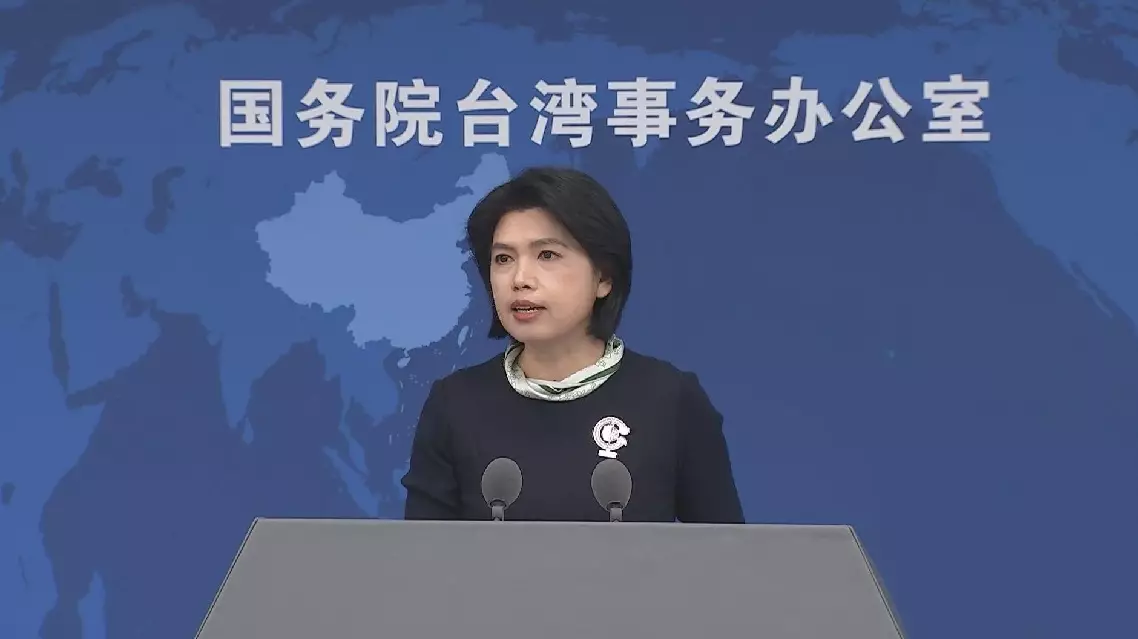
"Dead to Rights" a powerful history lesson, highlights cross-Strait unity: spokeswoman