LOS ANGELES--(BUSINESS WIRE)--Aug 13, 2025--
The Conrad N. Hilton Foundation today announced that the Mines Advisory Group — a humanitarian, development and peacebuilding organization focused on landmine removal and armed violence reduction in communities affected by conflict — has been selected as the 2025 recipient of the Conrad N. Hilton Humanitarian Prize. Since 1989, the Mines Advisory Group has helped over 23 million people in more than 70 countries rebuild their lives after war. It has played a leading role in the international effort to prevent the use of landmines — saving countless lives, protecting human rights and contributing to sustainable peace for communities across the world.
Click to Gallery
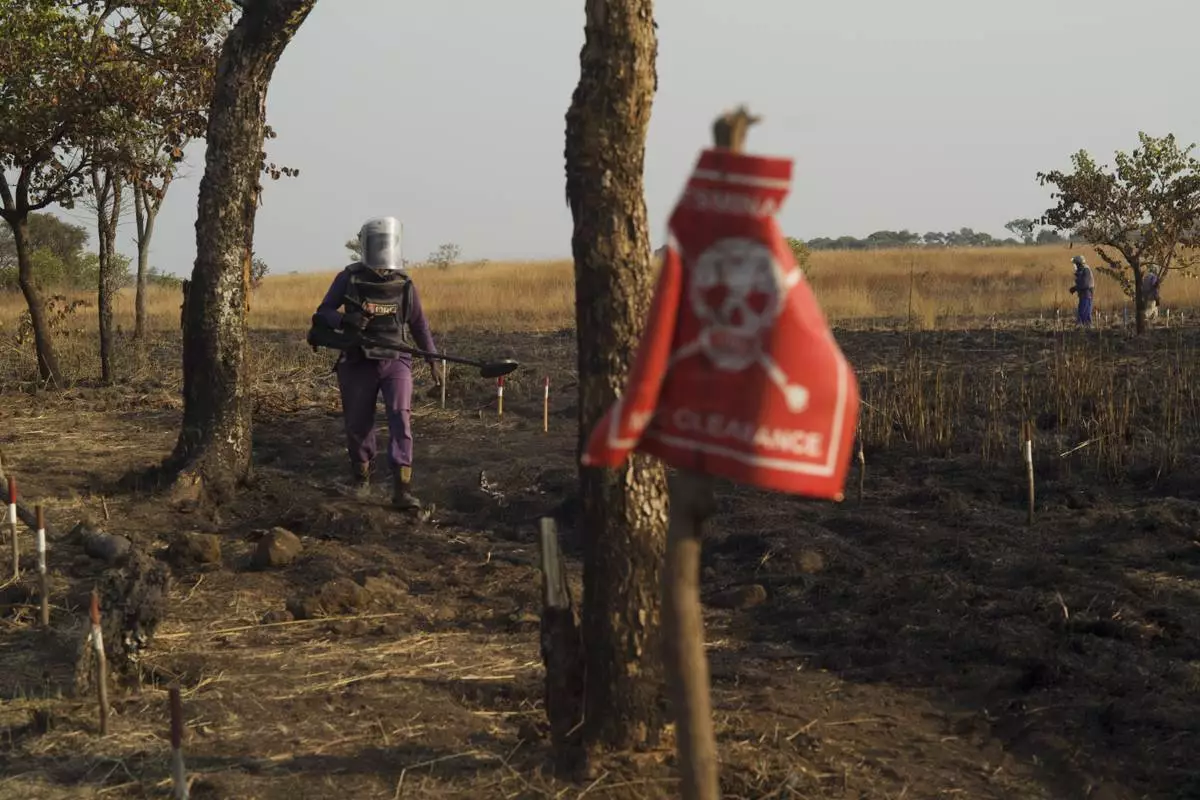
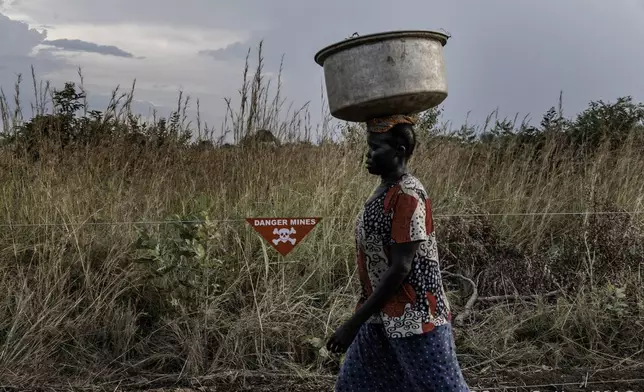
A villager in South Sudan walks past a landmine warning sign. Landmines and explosive remnants of war continue to block safe access to land that could be used for agriculture, schools, housing, infrastructure and water access. Too many families are still living in daily fear. The Mines Advisory Group has worked in South Sudan for over 20 years, helping to save and protect lives through clearing land and raising awareness of the dangers posed by these deadly items.
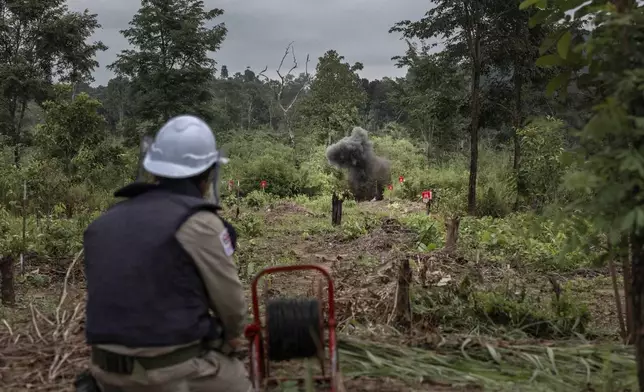
Every one of Cambodia’s 25 provinces is contaminated with landmines, cluster munitions, or other items of unexploded ordnance as a result of years of conflict, including the Vietnam War. The Mines Advisory Group has worked in Cambodia for 30 years, helping to make land safe for communities. In this photo, a supervisor safely detonates a landmine in Battambang Province, an area near the Thai border still deeply scarred by the fighting that ended long ago.
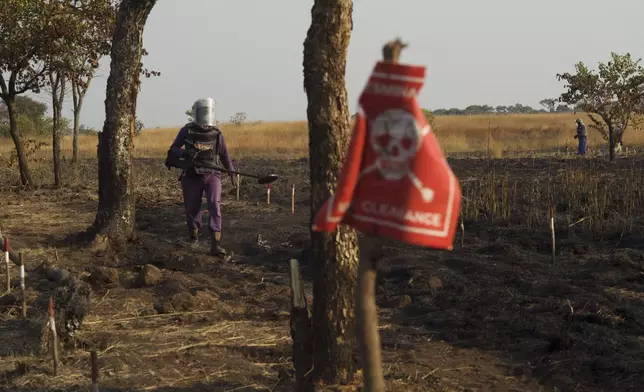
Angola remains one of the most heavily mined countries in the world. Nearly 30 years of conflict left landmines and unexploded bombs scattered across the country. The Mines Advisory Group has been working in Angola since 1994, with demining teams – made up entirely of local staff – clearing land to protect communities from the hidden threat of explosive weapons.
This press release features multimedia. View the full release here: https://www.businesswire.com/news/home/20250813303089/en/
The Mines Advisory Group was chosen through the same deliberative process that has defined the Prize for three decades. The Hilton Foundation reviews nomination submissions from nonprofits throughout the world, and an independent, international panel of distinguished jurors makes the final selection after a rigorous vetting process. The following individuals served on the 2025 Hilton Humanitarian Prize jury: The Right Honorable Helen Clark; Leymah Gbowee; Conrad N. Hilton III; Sister Joyce Meyer; Her Majesty Queen Noor; Kennedy Odede; Zainab Salbi; and Dr. Ernesto Zedillo Ponce de León.
“The selection of the Mines Advisory Group as this year’s Hilton Humanitarian Prize recipient serves as a reminder that compassion and peace should still be at the top of our global agenda,” saidPeter Laugharn, President and CEO of the Conrad N. Hilton Foundation. “Through its extraordinary efforts to help communities return to safety and prosperity after conflict, the Mines Advisory Group exemplifies the kind of humanitarian excellence our Prize has sought to celebrate and inspire over the last three decades.”
Today, amidst rising levels of geopolitical conflict — and humanitarian needs — the need to uplift nonprofit organizations on the frontlines has never been greater. This year’s Prize, therefore, honors the Mines Advisory Group for its work to address the lasting and devastating impacts that landmines, unexploded ordnance and armed violence have on human lives and post-conflict development. In 2023, more than 8 out of 10 landmine casualties were civilians, and more than a third of civilian casualties were children. Landmines and other explosive weapons are still being used in conflicts today, including in Gaza, Myanmar, Sudan, Ukraine and Yemen.
“For 35 years, MAG has stood resolute in its mission to respond to the urgent needs of people in communities ravaged by conflict and in places still grappling with conflict’s legacy, long after the wars have ended,” said Darren Cormack, Chief Executive of the Mines Advisory Group. “We’re honored to receive the Hilton Humanitarian Prize in recognition of the tireless and courageous work of our global staff. Our hope is that this spotlight can help underscore the fundamental human right to live free from the fear of landmines and armed violence. Every landmine cleared is a life saved, a community restored and a future reclaimed.”
The Mines Advisory Group is working to counteract and raise awareness of this growing threat through a community-centered approach to landmine removal, armed violence reduction programming and international advocacy. The vast majority of the organization’s 5,500 staff come from communities that have been directly affected by conflict. In 1997, the nonprofit was a co-laureate of the Nobel Peace Prize for its founding role in the International Campaign to Ban Landmines that led to the formation of the landmark Anti-Personnel Mine Ban Convention (APMBC) — also known as the Ottawa Treaty.
“As levels of conflict rise across the world and as several countries have expressed intent to exit the Ottawa Treaty amidst escalating conflict in Eastern Europe, our work has never been more important,” said Shari Bryan, Executive Director of the Mines Advisory Group U.S. “The Hilton Humanitarian Prize will enable us to better meet the needs of this moment. Using the Prize funding, our team will be able to invest in research and innovation to deepen our impact, respond to emergency contexts and secure sustainable funding to carry our work forward.”
As the largest annual humanitarian award for nonprofits, the Prize shines a light on extraordinary organizations innovating, advocating and creating change to improve the lives of people experiencing disadvantage throughout the world. Since 1996, the Hilton Humanitarian Prize has awarded $46.5 million to 29 nonprofit organizations working in some of the world’s most challenging environments. While the landscape for humanitarian aid and philanthropy continues to evolve, the legacy of the Prize underscores an enduring commitment to celebrating humanitarian leadership and inspiring greater action to alleviate human suffering worldwide. The Prize’s unrestricted funding award will increase from $2.5 million to $3 million this year to mark the 30th anniversary.
The 2025 Prize Ceremony honoring Mines Advisory Group will take place during the 30th Anniversary Event this October in New York, NY, USA. Nominations for the Hilton Humanitarian Prize are open year-round.
About the Hilton Foundation
Founded by international hotelier Conrad N. Hilton in 1944, the Foundation invests in organizations tackling some of the world’s toughest challenges. We think big about solutions, working in partnership with local communities to improve lives, strengthen systems, and advocate for change. The Foundation partners with organizations worldwide, with a special focus on Africa, South America, and the United States, including our home in Los Angeles. Additionally, the Foundation is proud to fund the world’s largest annual humanitarian prize for nonprofits — the Conrad N. Hilton Humanitarian Prize. For 30 years, the Prize has recognized nonprofit organizations setting a global benchmark for excellence and advancing the collective progress of humanity. Visit our website for more information.
About the Mines Advisory Group
The Mines Advisory Group is a global humanitarian and advocacy organization that finds, removes and destroys landmines, cluster munitions and unexploded bombs from places affected by conflict. It also provides education programs, particularly for children, so people can live, work and play as safely as possible until they clear the land. The organization also delivers work to reduce armed violence by educating people about the risks of small arms and light weapons and by destroying and marking weapons and helping authorities to safely store arms and ammunition to prevent their diversion and to protect communities from unplanned explosions. Since 1989, the Mines Advisory Group has helped over 23 million people in 70-plus countries rebuild their lives after war. In 1997, the Mines Advisory Group shared the Nobel Peace Prize for its role in banning landmines. More info: Mines Advisory Group International and Mines Advisory Group US.
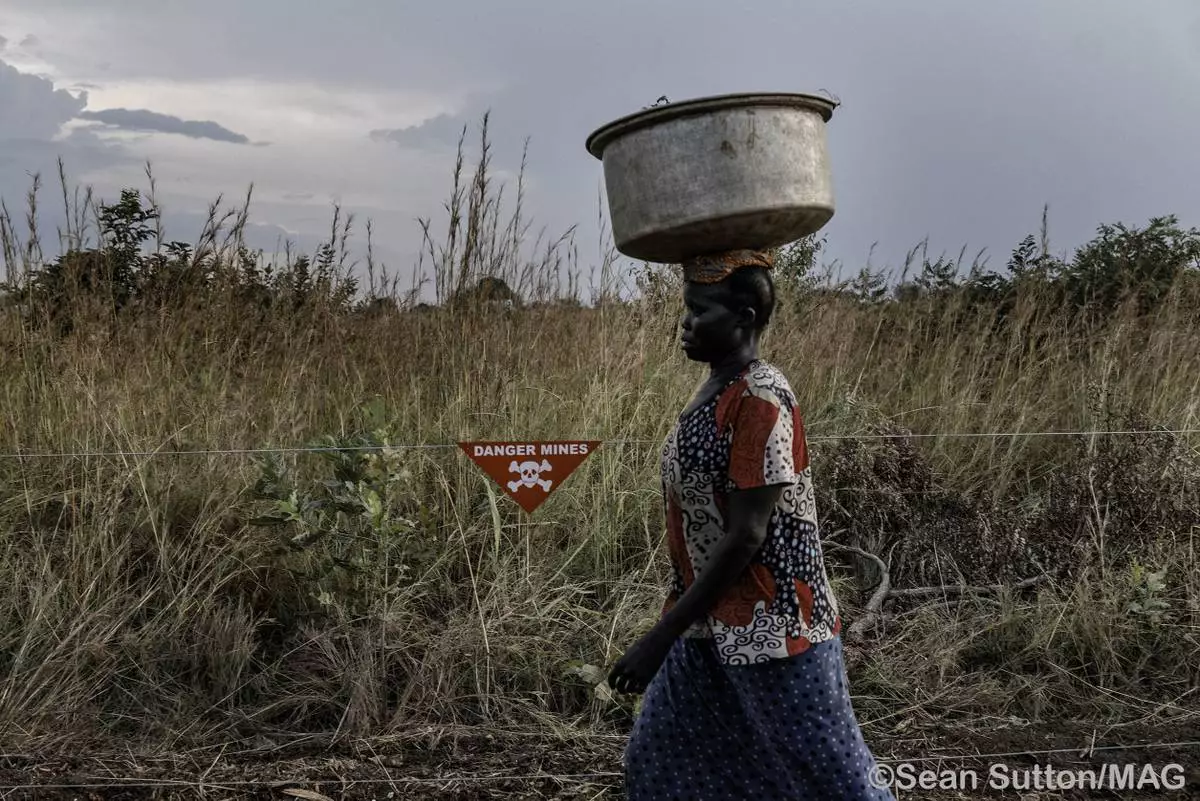
A villager in South Sudan walks past a landmine warning sign. Landmines and explosive remnants of war continue to block safe access to land that could be used for agriculture, schools, housing, infrastructure and water access. Too many families are still living in daily fear. The Mines Advisory Group has worked in South Sudan for over 20 years, helping to save and protect lives through clearing land and raising awareness of the dangers posed by these deadly items.
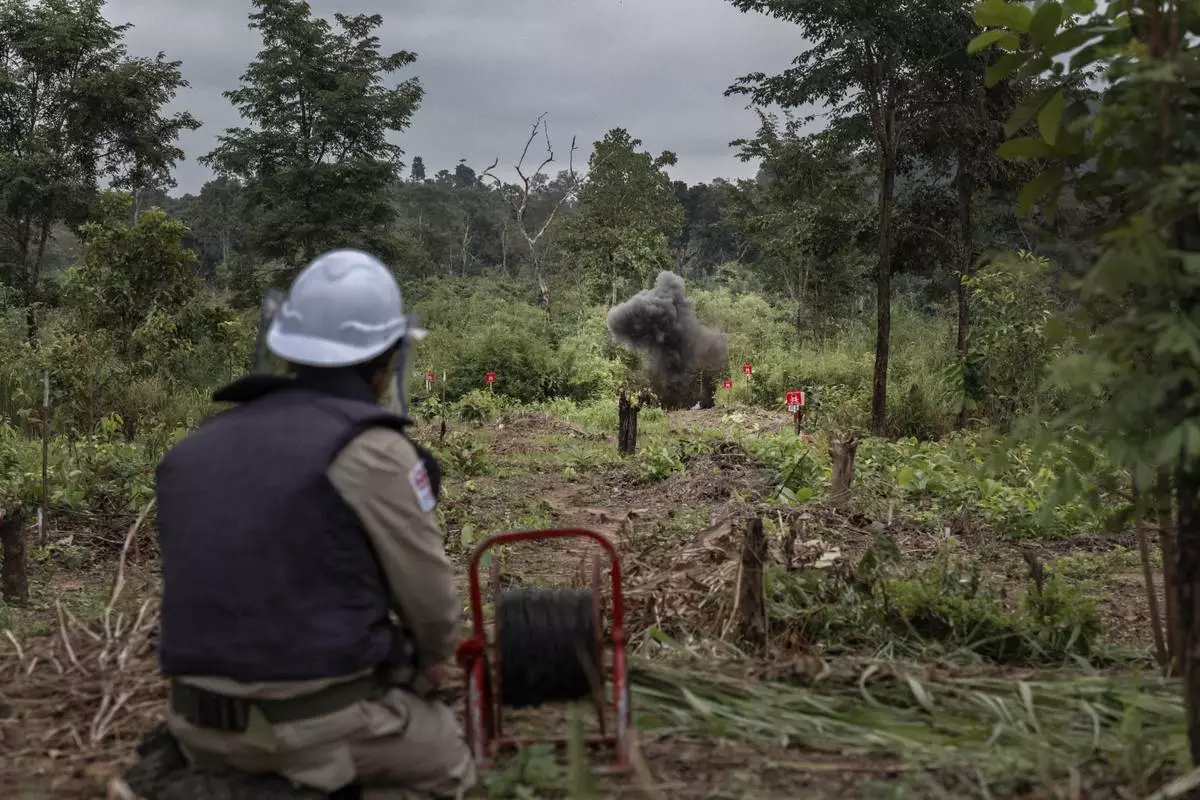
Every one of Cambodia’s 25 provinces is contaminated with landmines, cluster munitions, or other items of unexploded ordnance as a result of years of conflict, including the Vietnam War. The Mines Advisory Group has worked in Cambodia for 30 years, helping to make land safe for communities. In this photo, a supervisor safely detonates a landmine in Battambang Province, an area near the Thai border still deeply scarred by the fighting that ended long ago.
Angola remains one of the most heavily mined countries in the world. Nearly 30 years of conflict left landmines and unexploded bombs scattered across the country. The Mines Advisory Group has been working in Angola since 1994, with demining teams – made up entirely of local staff – clearing land to protect communities from the hidden threat of explosive weapons.