Russian President Vladimir Putin on Thursday suggested that Russia and the United States could reach an agreement on nuclear arms control at their meeting in Alaska on Friday, while President Donald Trump shared more details on where the U.S. stands regarding his upcoming high-stakes talks with the Russian leader.
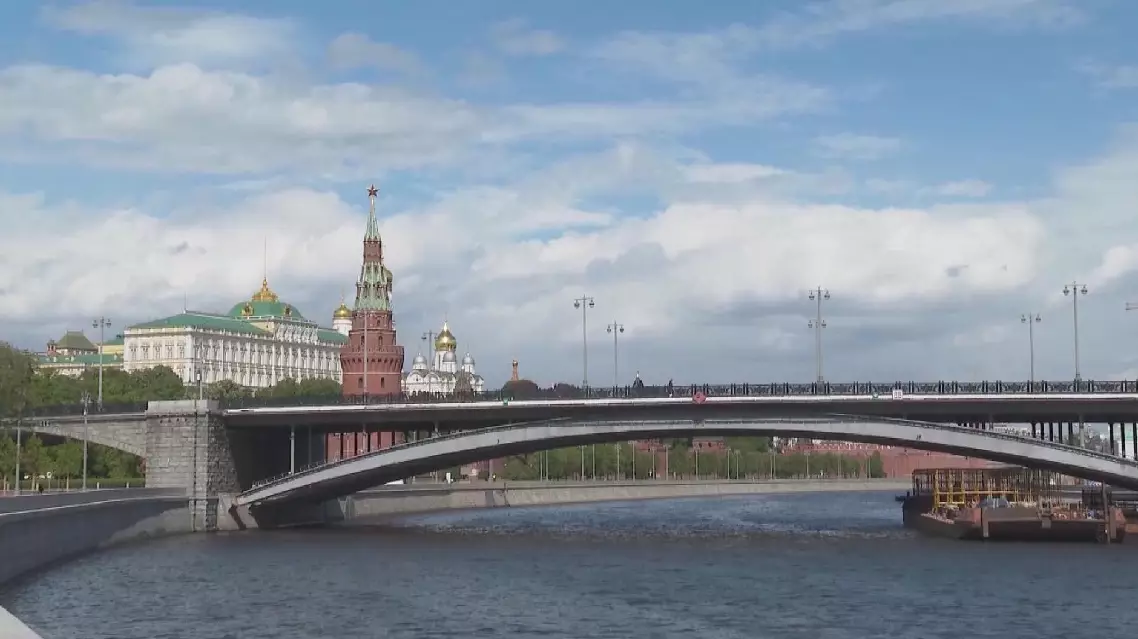
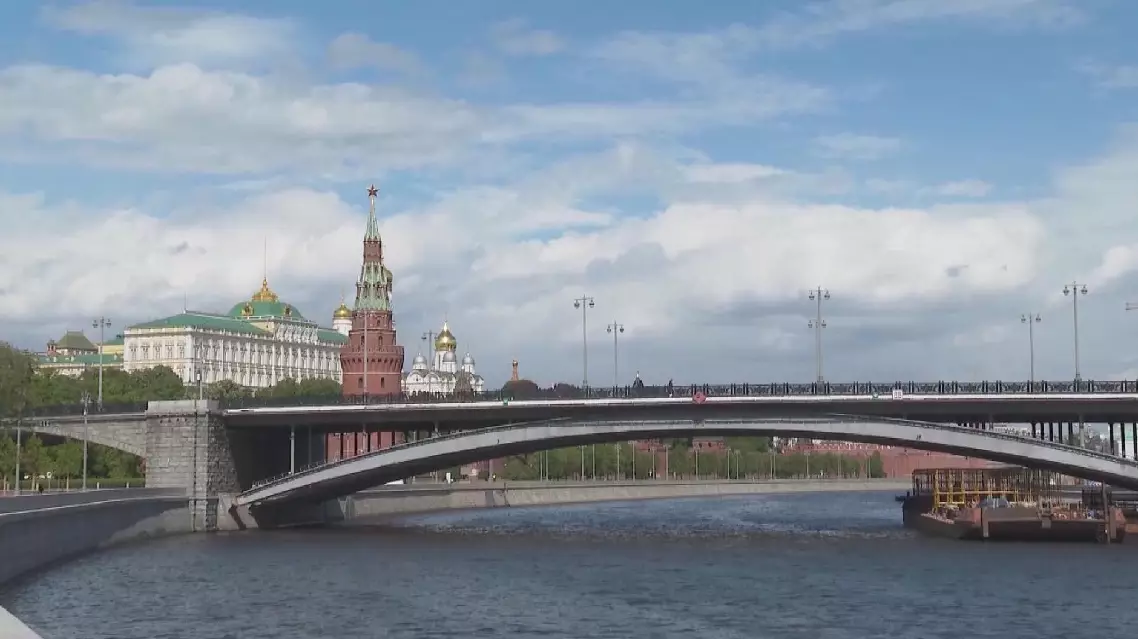
According to Kremlin spokesman Dmitry Peskov, Putin floated the prospect of a nuclear arms agreement between Russia and the U.S. when chairing a meeting of senior Russian officials at the Kremlin, on the eve of the meeting between the Russian and U.S. presidents in Alaska.
Click to Gallery
Putin floats potential Russia-U.S. nuclear deal ahead of Alaska meeting with Trump
Putin floats potential Russia-U.S. nuclear deal ahead of Alaska meeting with Trump
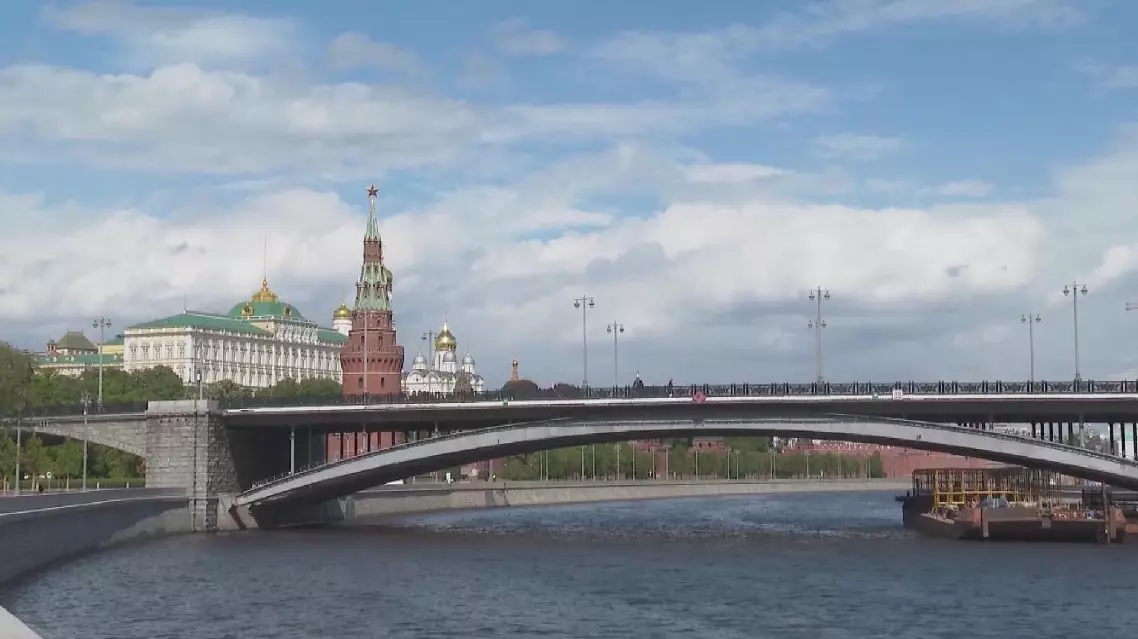
Putin floats potential Russia-U.S. nuclear deal ahead of Alaska meeting with Trump
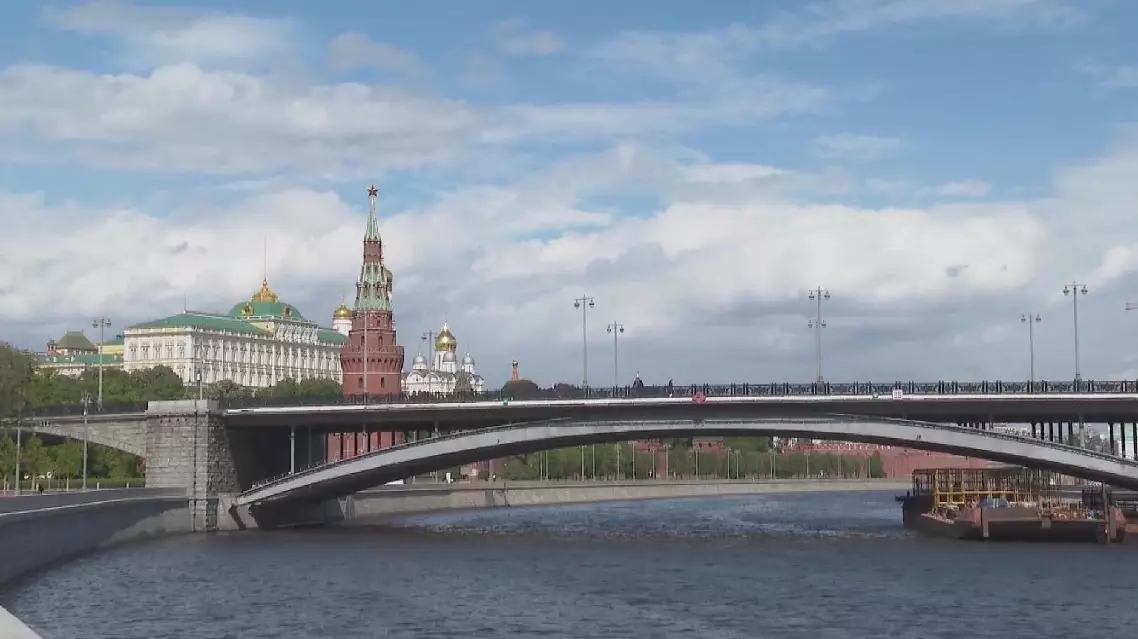
Putin floats potential Russia-U.S. nuclear deal ahead of Alaska meeting with Trump
Putin said such an agreement would be conducive to safeguarding world peace.
He also praised the Trump administration's sincere efforts to end the Ukraine crisis.
The meeting between Putin and Trump is scheduled to take place at 11:30 local time (1930 GMT) on Friday in the Elmendorf-Richardson military base in Anchorage, the largest city in Alaska. The two heads of state will hold one-on-one talks centering on "the settlement of the Ukrainian crisis and the most pressing international and regional issues," before a meeting of delegations from both countries, Russian presidential aide Yury Ushakov said Thursday.
Putin and Trump will hold a joint press conference following the talks, Ushakov added.
Peskov, the Kremlin spokesman, said on Thursday that he did not expect to see any document signed between Putin and Trump after their meeting on Friday.
Also on Thursday, Trump, in a Fox News radio interview, said he "thinks he's going to make a deal" on the Ukraine crisis at the Alaska meeting, referring to Putin.
The aim of the Alaska talks with Putin is to set up a second meeting including Ukraine, Trump said, adding that he did not know "that we're going to get an immediate ceasefire."
Trump said that there would be a give and take on boundaries and lands.
Trump also said that Friday's meeting has a 25-percent chance of failing, warning of economic sanctions on Russia if the talks fails.
He said if the meeting went well, he would call Ukrainian President Volodymyr Zelensky and European leaders afterwards and that if it went badly, he would not.
He also said there would be a press conference following the meeting, but that he did not know whether it would be a joint one.
Putin floats potential Russia-U.S. nuclear deal ahead of Alaska meeting with Trump
Putin floats potential Russia-U.S. nuclear deal ahead of Alaska meeting with Trump
Putin floats potential Russia-U.S. nuclear deal ahead of Alaska meeting with Trump
Putin floats potential Russia-U.S. nuclear deal ahead of Alaska meeting with Trump