A batch of historical evidence released on Friday shows collaboration of Japanese medical personnel in the Imperial Japanese Army's germ warfare and other war crimes committed on Chinese soil.
The evidence, including photos, video footage and documents, were collected by the Exhibition Hall of Evidences of Crime Committed by Unit 731 of the Japanese Imperial Army in northeast China's Harbin. They proved medics involvement in germ warfare, and the connections between Japanese medical organizations and the notorious Unit 731 which conducted biochemical warfare research and human medical experiments.
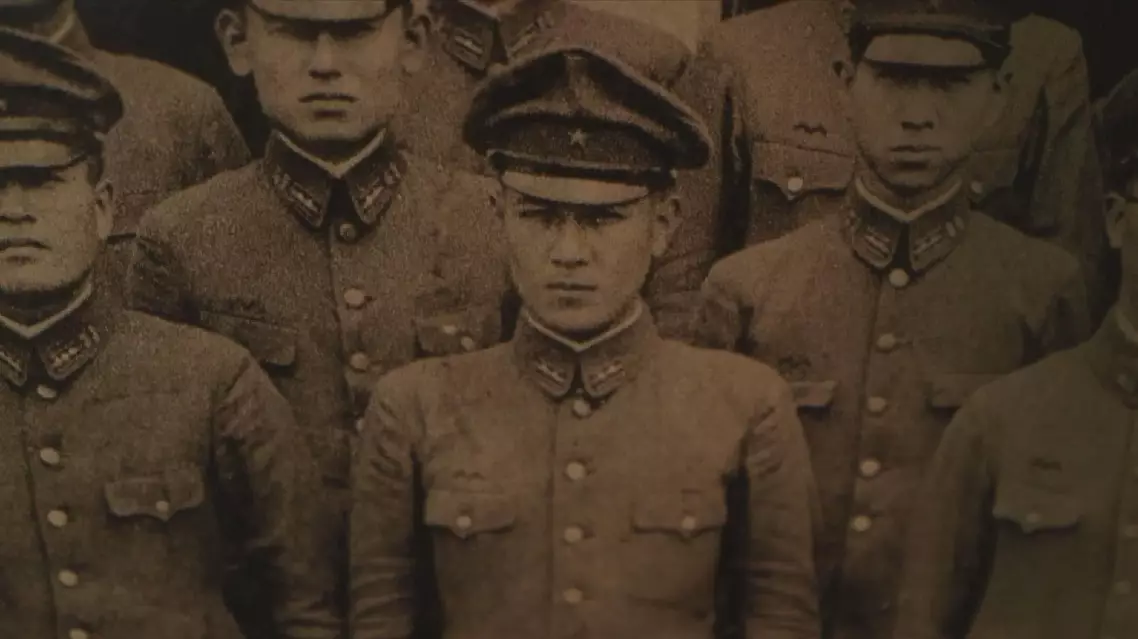
The evidences included a well-preserved commemorative photo album of a graduating class of Japanese Army Military Medical School students from 1943, containing 281 photos and 329 student names. One name in particular caught historians' attention.
"In this photo album, through comparison and research, we can confirm one person has served in Unit 731. His name is Hiroshi Hosoya. This person joined Unit 731's Branch 162 as a deputy commander. Under his command, Branch 162 conducted a large amount of biological weapon development and germ attacks," said Jin Shicheng, a researcher with the exhibition hall.
Researchers noted that Unit 731 was in fact formerly the epidemic prevention research department of the Japanese Army Military Medical School, and the school has trained and supplied a large number of personnel to Unit 731.
"Students who graduated from the Japanese Army Military Medical School and entered Unit 731 were mostly skilled high-ranking officers. They were the core force for conducting bacterial research and live dissections," Jin said.
In addition to medical schools in Japan, some medical institutions established by the Japanese Imperial Army in China also had intricate connections with Unit 731.
In the newly released complete oral testimony of former Unit 731 youth corps member Kikuta Sunaga, he mentioned the connection between the unit and the First Army Hospital of the Japanese Army in Harbin.
"As an army hospital, the Seventh Unit (a reference to First Army Hospital of the Japanese Army in Harbin) was considered a large hospital in Harbin. One or two people from our unit also moved from places like the research labs to the Seventh Unit," Sunaga recalled.
Researchers said that the Army Hospital was an extension of Unit 731's medical crimes and a key participant and affiliate in the Japanese Imperial Army's germ warfare. In a newly unveiled 220-page book of personnel declaration forms from the hospital, one person's files showed he had served in a chemical warfare unit.
"This person's name is Takeo Okada. He was a technical employee at the First Army Hospital of the Japanese Army in Harbin. From this document, it shows his former unit was the Kwantung Army's chemical department, which is what we often refer to as Unit 516. It was a chemical warfare unit at the time. Through this information, we can learn that there were personnel exchanges and interactions between the hospital and Unit 516," Jin said.
Researchers say many Japanese medical schools and some hospitals were also engaging in germ experiments at the time, reflecting Japan's intention of using germ warfare as a shortcut to victory after it waged a war of aggression against China.
Japan launched a bloody invasion of China with the September 18 Incident in 1931.
The Chinese People's War of Resistance Against Japanese Aggression lasted until 1945, with Japan announcing its unconditional surrender on Aug. 15.
Historical evidence reveals Japanese medics' involvement in germ warfare