Skip to Content Facebook Feature Image

Cross-border tourism, trade thrive at Xizang border town linking China, Nepal

China

China

China

Cross-border tourism, trade thrive at Xizang border town linking China, Nepal

2025-08-16 16:46 Last Updated At:08-17 10:37

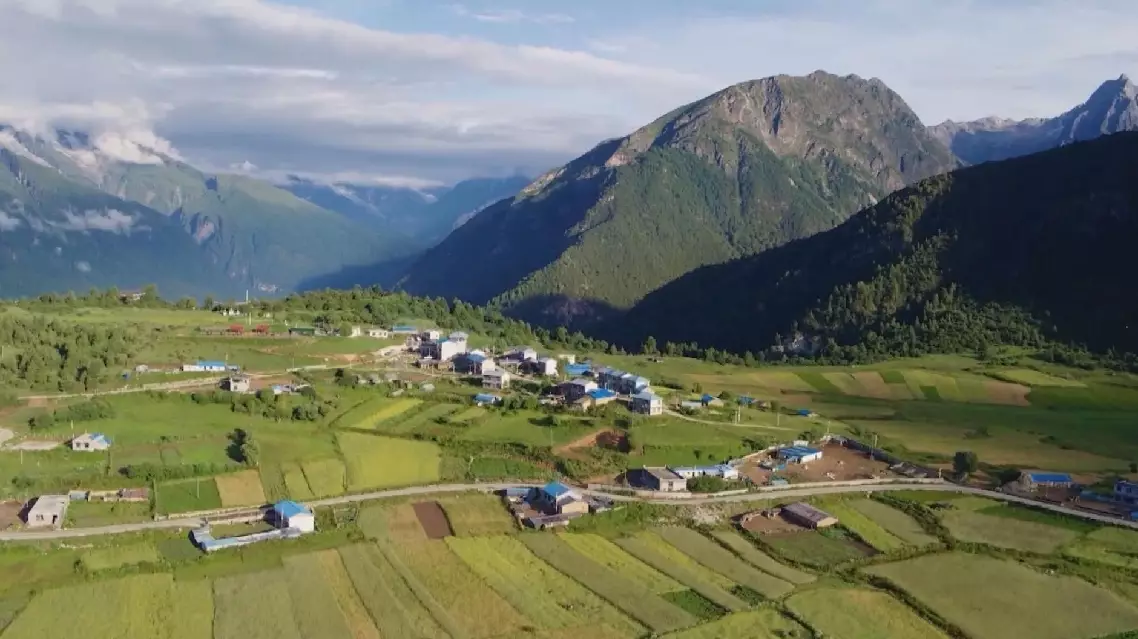
Cross-border tourism and trade have been thriving in Gyirong, a vibrant border town in southwest China's Xizang Autonomous Region connecting the country with Nepal, bringing cultural exchanges and fostering business between Nepalese and Chinese border residents.

Located in southwestern Xigaze City and bordering Nepal, Gyirong has served since ancient times as one of Xizang's vital corridors for friendly exchanges and trade with the outside world. Today, it also functions as a key transfer station for global travelers journeying from Xizang to Nepal.

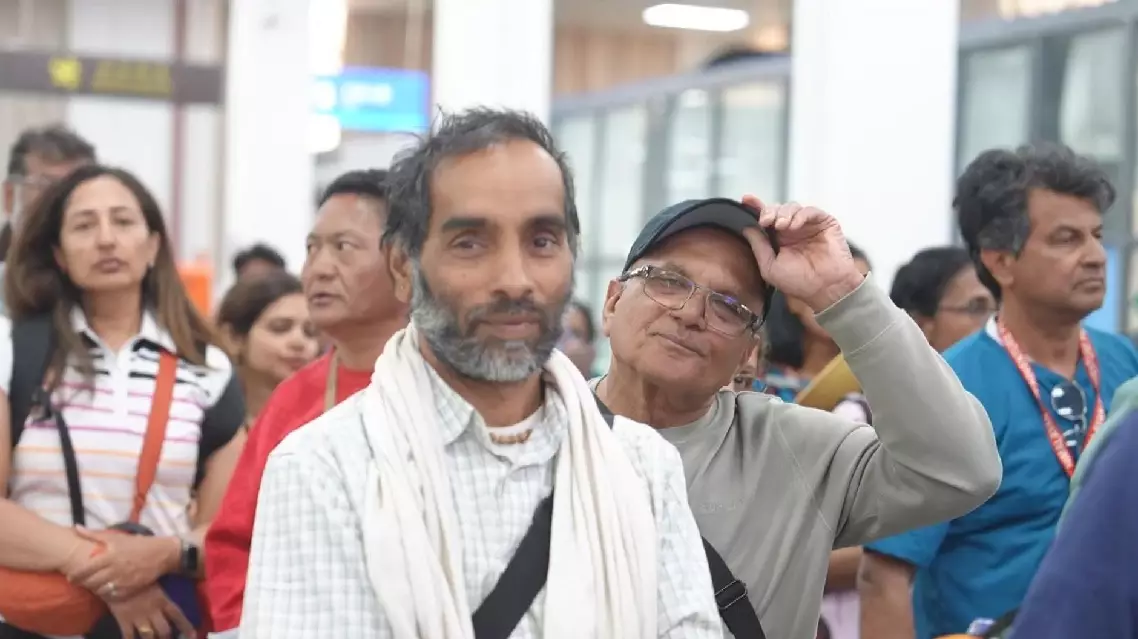
"We just stayed there for two days, once going to (Mount) Kailash and then coming back. (Gyirong is a) vibrant place. (It's) very nice and clean," said a foreign traveler headed for Gyirong Port.

The immigration hall at Gyirong Port was recently packed with foreign travelers who had high praise for Xizang and the experiences the region offers.

"(Xizang is) much more beautiful than I expected, and the hotel was really nice, and people are very friendly," said a Russian traveler.

"It's been really nice. It's been very humbling to see them really immersed in their culture and their spiritual practice," an American traveler said.

"I really like Lhasa. I thought Lhasa is really cool. It was very open, very beautiful, people are very cool. It was very enjoyable to walk around, and have food, and put clothes on, and participate in some of the activities in the square as well, which is quite fun," said a British traveler.

Gyirong Town is located 20 kilometers from the China-Nepal border and just 160 kilometers from the Nepali capital, Kathmandu. Nepalese-style storefronts, including shops, restaurants, and cafes, line its busiest street. Many of these businesses are jointly run by Chinese and Nepalese border residents.

Tsewang Nyima, a Nepalese border resident and owner of a shop in the town, explained that she regularly visits Nepal and brings goods back over the border for her partner to sell in China.

Nyima and her business partner, Penpa Drolma, both agree that business has been good as of late. Drolma has also had success incorporating e-commerce into their business model.

"Many Nepalese people don't have access to live streaming, so I assist them in collectively selling products through live streams. Some mothers enjoy purchasing these distinctive Nepalese-style skirts for kids from my shop," said Drolma.

Nepal's trade with China has been increasing significantly in recent years. In 2024, its exports to China surged by over 57 percent, and imports from China grew by more than 34 percent, according to Nepal Rastra Bank figures.
Cross-border tourism, trade thrive at Xizang border town linking China, Nepal
Cross-border tourism, trade thrive at Xizang border town linking China, Nepal

Cross-border tourism, trade thrive at Xizang border town linking China, Nepal

Cross-border tourism, trade thrive at Xizang border town linking China, Nepal

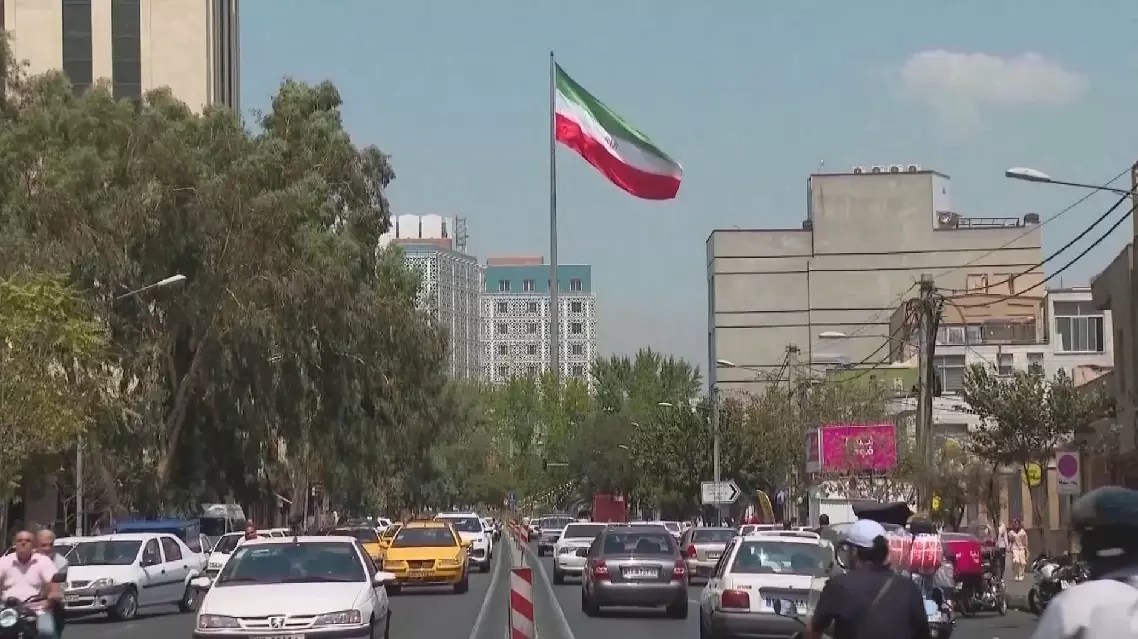
The Navy of Iran's Islamic Revolution Guards Corps (IRGC) said that the Strait of Hormuz has been blocked since Saturday evening and will not reopen until the United States lifts its naval blockade on the waterway.

In a statement carried by its official news outlet Sepah News, the IGRC said that the move came after the United States violated its commitments under the two-week ceasefire, which took effect on April 8, and failed to end its naval blockade against Iranian vessels and ports.

The IRGC Navy called on all vessels and their owners to follow official updates via its channel and VHF Channel 16, the international maritime distress, safety, and calling frequency. The statements by U.S. President Donald Trump hold no credibility in the strait and the Gulf, it added.

The IRGC warned that no vessel should move from its anchorage in the Gulf or the Gulf of Oman, and any approach to the strait would be deemed "cooperation with the enemy" and targeted accordingly.

Tehran's political leadership echoed the IRGC's firm position. Parliament Speaker Mohammad Bagher Ghalibaf asserted that the Strait of Hormuz is under Iran's control, revealing that during previous negotiations, Iran had firmly countered U.S. attempts to carry out minesweeping operations, which Tehran viewed as a ceasefire violation.

He said the situation had come close to conflict, but the U.S. had eventually backed off.

Calling the U.S. maritime blockade "reckless and ignorant," Ghalibaf warned that passage through the strait would certainly be restricted if Washington does not lift the blockade.

Underpinning these public announcements, Iran's Supreme National Security Council on Saturday affirmed the country's resolve to exercise control and supervision over traffic through the Strait of Hormuz until the war is definitively ended and lasting peace is achieved in the region.

For its part, the United States pressed ahead with its own military measures.

The U.S. Central Command (CENTCOM) said in a statement on Saturday that the U.S. military is imposing a maritime blockade on ships entering and exiting Iranian ports and nearby coastal areas. Since the blockade began on April 13, 23 ships have complied with U.S. directions to turn around.

Meanwhile, the U.S. military is preparing in the coming days to board Iran-linked oil tankers and seize commercial ships in international waters, The Wall Street Journal reported on Saturday, citing U.S. officials.

The move will enable the U.S. to take control of Iran-linked vessels around the world, including ships carrying Iranian oil that are already sailing outside the Persian Gulf and those carrying arms that could support Tehran, the report said.

Iran's IRGC says Strait of Hormuz blocked, demands end to US naval blockade

Iran's IRGC says Strait of Hormuz blocked, demands end to US naval blockade

Recommended Articles