China's financial sector is stepping up efforts to support consumers and business operators during the current summer travel season by distributing coupons and issuing targeted loans.
Zhu Chencheng and his family from Yancheng City, east China's Jiangsu Province are planning a trip at the end of the month to watch an amateur football game of the Jiangsu Football City League, also known as Su Super League, in the province's Zhenjiang City.
While booking tickets, he discovered banks have offered promotional discounts on accommodation, dining and sightseeing. He then proceeded to book a local hotel and arrange follow-up travel itineraries.
"I've roughly calculated that from hotel and ticket booking to meals and scenic spots visit, the discounts add up to nearly a 10 percent off. It's a really good deal," Zhu said.
In addition to the discounts, the local financial institutions have also rolled out credit card offers and holiday spending reward, with some even participating in shopping festivals launched by the local government to fuel summer consumption.
"We are actively exploring new models for financial institutions to stimulate consumption. We've introduced 24 targeted measures, further expanding consumer finance products such as customized loans and credit card installments to meet residents' daily spending demand. Through this combination of financial services, we're helping keep Jiangsu's consumer spending continuously prosperous," said Yao Chenxia, senior manager at the Bank of China Jiangsu Branch.
Meanwhile, many online platforms have integrated financial service with catering by offering group dining discounts and point redemption programs to stimulate demand. Data show that Chinese online life service provider Meituan has recorded double-digit growth in hotel bookings, tickets and food experiences paid with credit cards since the launch of summer promotions.
The support extends beyond the consumer side. Financial institutions are also backing the local cultural and tourism companies with tailored credit products to attract more tourists with better services.
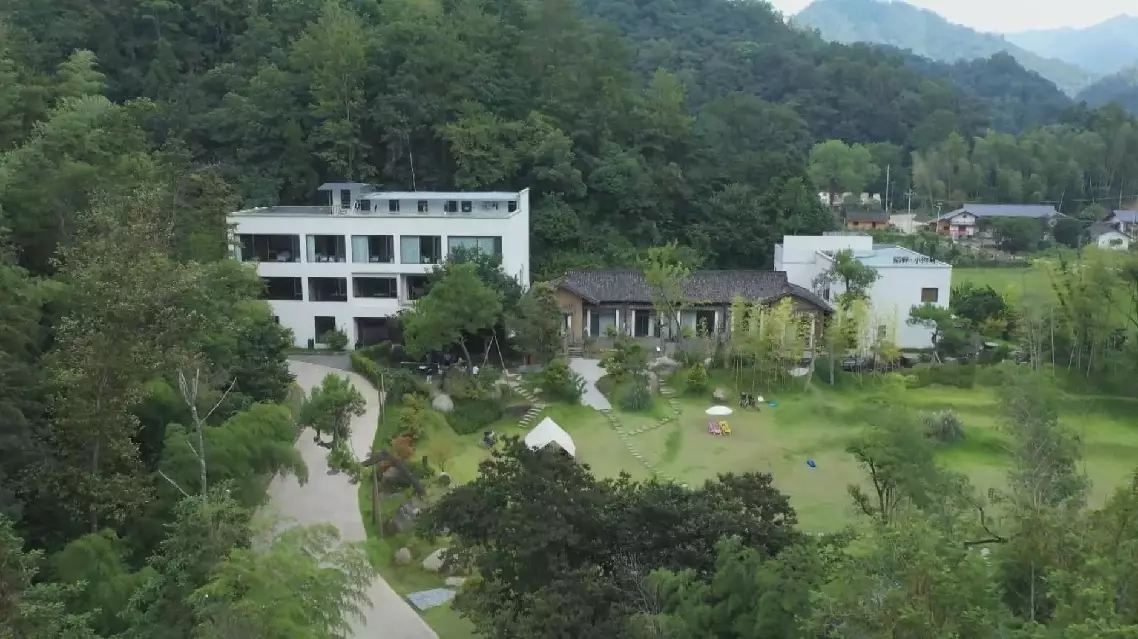
With the average temperature of 22 degree Celsius during summer, Daweishan Mountain in Liuyang City, central China's Hunan Province has received an influx of visitors seeking cool air.
Facing the tourism boom, many guesthouses at the resort are racing to upgrade facilities, but many small operators face financing challenges.
Zou Zhibin, a local homestay owner, plans to add a waterfall cafe and floating bar to attract more visitors but was short of 1.5 million yuan (around 208,906 U.S. dollars).
To his relief, local financial institutions have introduced special loans designed for cultural and tourism businesses with seasonal demand. Zou soon secured a loan he needed.
"Even without new collateral, we can extend loans based on the cash flow and operating performance of the homestay, which helps the homestay owners solve their financing bottlenecks," said He Yang, deputy general manager of the Agricultural Bank of China, Changsha Branch.
With the construction of new facilities underway, Zou expects the occupancy rates of his homestay to reach at least 70 percent this summer and revenue to grow by around 20 percent per year.
"After receiving the loans, we expect the occupancy rates to reach at least 70–80 percent and revenue to grow by around 20 percent annually, to better meet the needs of our customers," Zou said.
So far, Hunan has set up financial task forces, introduced dedicated credit quotas, and opened green channels for financing by the local cultural and tourism sector.
By the end of July, the balance of cultural tourism loans in Hunan had exceeded 100 billion yuan (around 13.9 billion U.S. dollars).
China's financial sector ramps up efforts to boost summer consumption
China's financial sector ramps up efforts to boost summer consumption