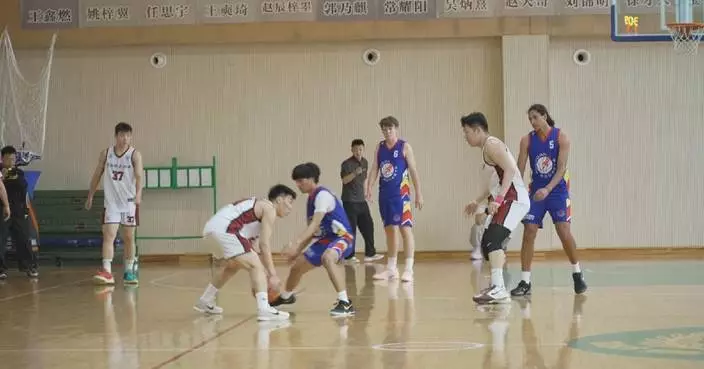
Ten years after their last appearance in the FIBA Asia Cup final, China's men's basketball team fell just short of the title this year but has its sights set firmly on the 2027 World Cup and the 2028 Olympic Games, head coach Guo Shiqiang said.
China lost to Australia by a single point in Sunday's final to finish as runner-up in the 2025 FIBA Asia Cup in Saudi Arabia.
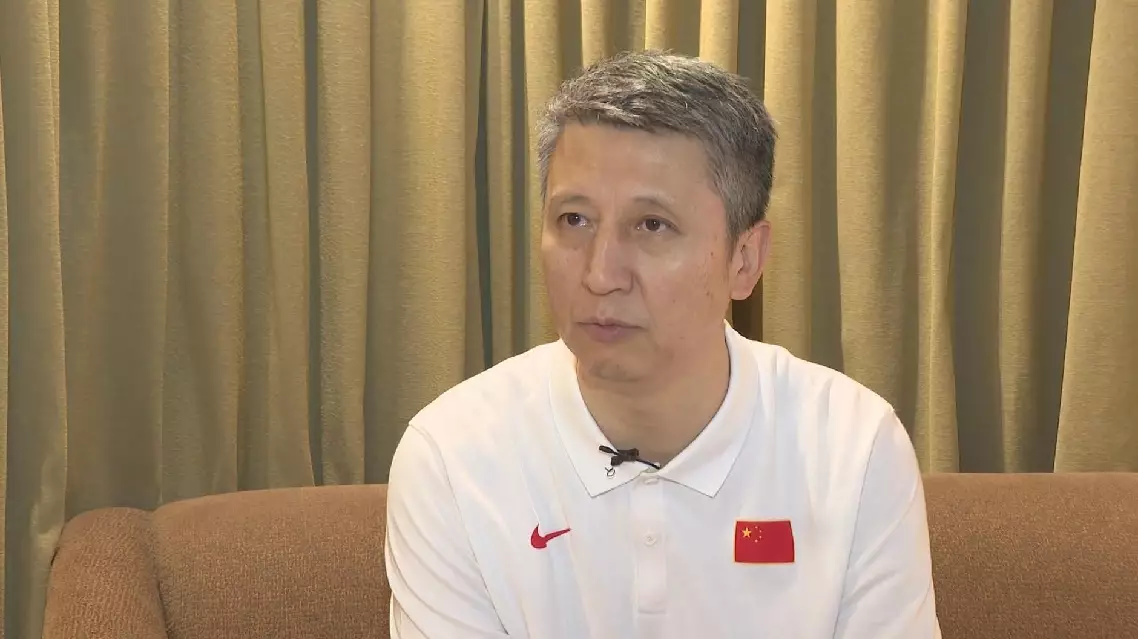
Injuries took a heavy toll on the team during the tournament, making the campaign especially challenging for its younger players, Guo said in an interview with China Media Group (CMG) after the final.
"This Asia Cup presented quite a challenge to our new roster of Chinese National Basketball Team because of changes regarding our team members. Seven of our players had to miss this Asia Cup due to injuries and other issues. That meant only three of our players had prior Asia Cup experience, while nine were competing for the first time. We also had many young players in the squad," said Guo.
Despite the disappointment, Guo said his talented young squad had the spirit and passion to aim for future goals.
"The Asia Cup was just one of our short-term targets. We are working within a four-year Olympic cycle with detailed plans and respective goals for each year. We have basically achieved what we hoped for the Asia Cup. The ultimate goal is to perform well at the 2027 World Cup and secure a spot at the 2028 Olympic Games," said Guo.
China men's basketball team aims high despite narrow loss in Asia Cup final: head coach
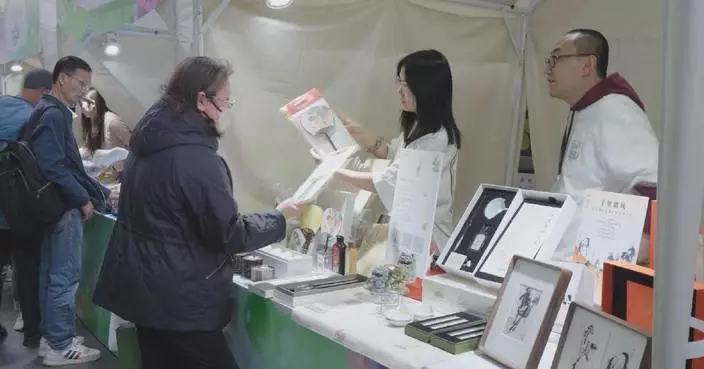
Participants from both sides of the Taiwan Strait gathered in Shanghai for the inaugural Oriental Chic Development Summit on Saturday to present the fusion of 5,000 years of Chinese civilization and contemporary creativity.
With young designers and artists across the Strait taking center stage, the event means to explore collaborated efforts to bring Chinese aesthetics to the world.
Lin Jiun-ting, a New Media Artist from Taipei, Taiwan of China, said that with shared history and cultural roots, creativity sparks through exchange of fashion industries across the Strait.
"So how can we bring this inner elegance of ours to the world? I believe that it is through exchange that we get to know each other. And only then is it easy for us to create new possibilities," he said.
Gao Qing, representative inheritor of the intangible heritage of traditional incense making techniques, shared her experiences, saying the same culture brings closer mainland and Taiwan compatriots.
"Back in 2018, we went to Taiwan for exchanges. And in recent years, we have also had two students from Taiwan coming over to study. Through this incense, we have been able to further draw our hearts closer," she said.
At the summit, Hung Hsiu-Chu, former chairperson of the Chinese Kuomintang Party (KMT) and chair of the Chinese Cyan Geese Peace Education Foundation, based in China's Taiwan region, delivered a speech emphasizing the importance of mutual communication.
"It is essential to uphold the 1992 Consensus and oppose Taiwan secession as the basis for rebuilding mutual trust and deepening exchanges. We will promote industrial collaboration and create entrepreneurship and employment opportunities for young people on both sides of the Strait," she said.
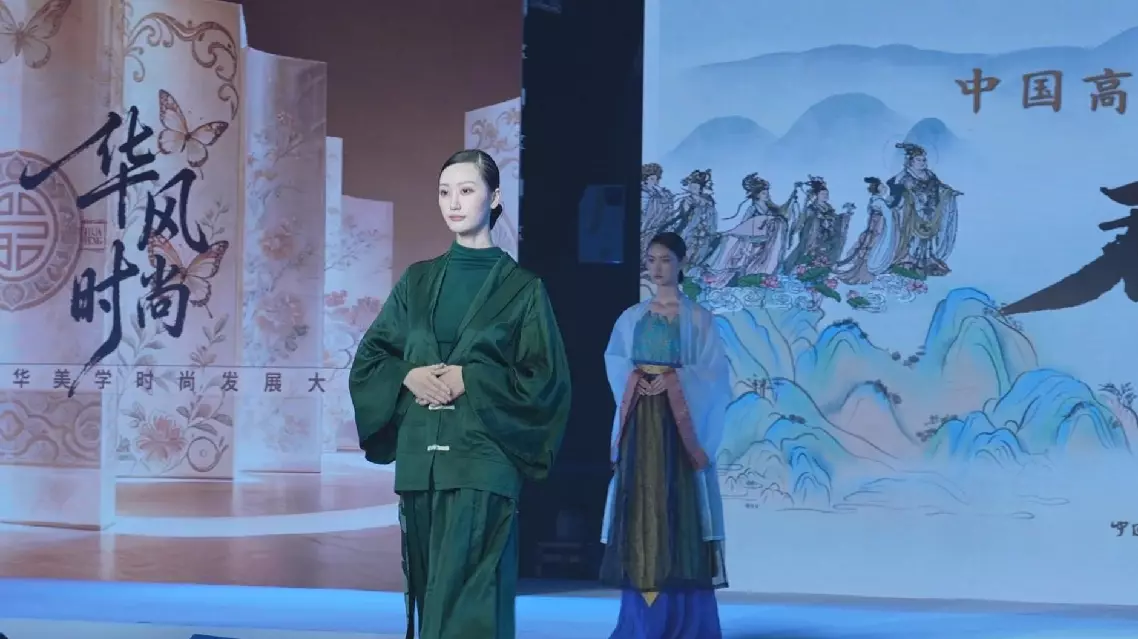
Cross-Strait fashion summit featuring Chinese aesthetics opens in Shanghai