Artists in southwest China's Xizang Autonomous Region are adopting innovative approaches to preserving and promoting their distinct traditional ethnic culture.
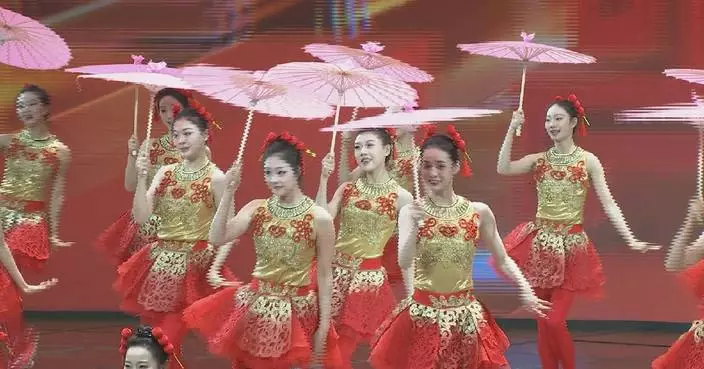
In Beijing Xizang Hotel, a cultural event named "Hello Xizang" Theater drew crowds of audience who came to appreciate the energetic, rhythmic, and joyful performance with strong Tibetan characteristics.
The colorful event featuring both traditional culture and modern art forms like rap echoed with viewers who were seen enthusiastically taking photos of and recording the performance.
To offer customers comprehensive and immersive experience of Tibetan culture, the hotel also held additional events where visitors can have the opportunity to try on traditional Tibetan clothes and taste delicately made snacks.
"We also offer our customers the opportunity to try on traditional Tibetan clothes as supporting activities to the theatre performance so that they can have a more diverse and more in-depth experience of the Tibetan culture," said Ma Qiang, manager of the cultural promotional department at Beijing Xizang Hotel.
Galsang Yangla, chief producer of the theater, is from Lhasa, capital of Xizang. Leading a group of creators at similar ages with her, the artist said they are aiming at increasing greater popularity of Tibetan culture among youth by presenting it in an innovative way.
"Our generation and the following generations should add our own thoughts and perspectives into the traditional culture. What we should do is not limited to preserving and protecting it, but also further develop it. The traditional culture should be accepted and adored by the young people and it should be something that they can relate to," she said.
The team of Galsang Yangla held a wide variety of events including organizing art seasons and inviting tourists to embark on characteristic travel routes to help them better emerge into the rich natural and cultural resources of the plateau.
The historical buildings in Xizang are also the subjects of the broad cultural promotional effort. In Lhasa, a city with 1,300 years of history, an increasing number of ancient buildings were updated and currently function as venues for holding cultural events, where visitors can see the panorama of Tibetan culture through Tibetan history, arts, festivals,, architecture, and more.
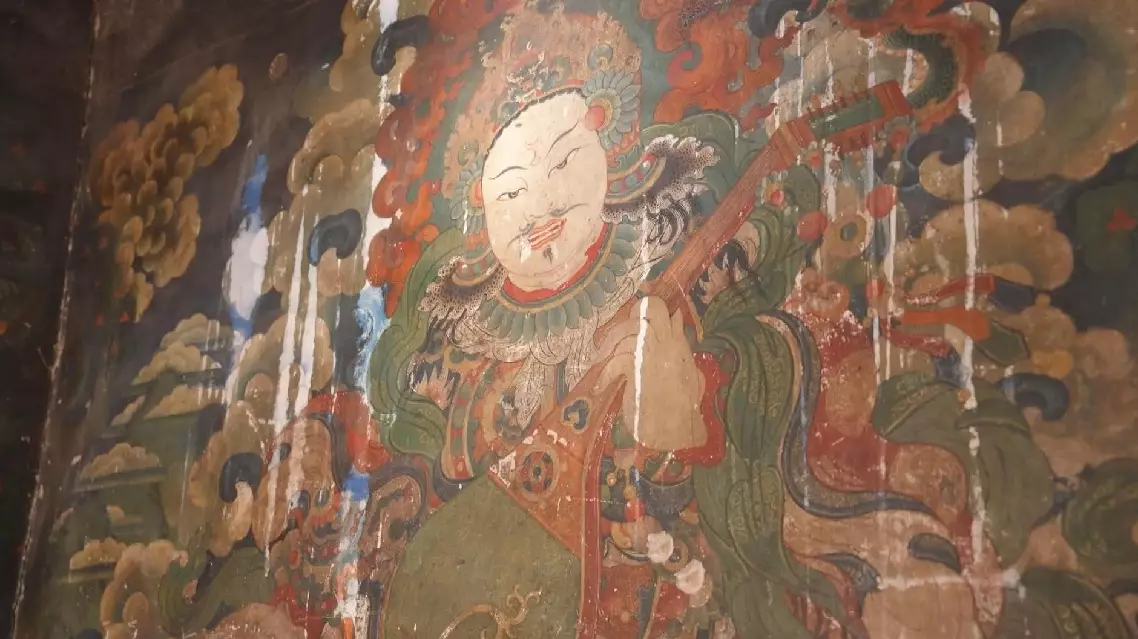
As a landmark of the old city of Lhasa, Jebum-gang Art Center was built in late 19th century and has a great number of delicately painted murals. Functioning as a cultural institute, the center now attracts visitors with a wide range of offerings that cover both historical exhibitions and personal art show of individual creators.
"We set a permanent exhibition on the outer corridor of the art center, which is about the historical landscape of the old city of Lhasa. Our institute also functions as an art gallery and many leading artists from both Tibetan and Han ethnic groups hold their personal exhibitions here," said Fang Kun, co-founder of Jebum-gang Art Center.
Tibetan artists promote distinct ethnic culture with innovative approaches