Bosten Lake, China's largest inland freshwater lake, has turned into a bustling winter paradise with its vast, frozen surface.
Located in Bohu County, Xinjiang in the northwest, the lake, which covers an area of over 1,600 square kilometers, draws many ice-and-snow lovers each winter, and this year it offers even better experience.
The expansive ice sheet has been developed into a comprehensive park that integrates entertainment and dining, offering visitors an immersive winter experience. A wide array of ice-based recreational activities, such as ice bumper cars and go-karts, have been set up near the shore, attracting tourists from across the country and infusing the frozen landscape with energy.
Visitors have praised the solid ice and the thrilling, joyful atmosphere.
"I feel that the ice here is frozen really solid. Everyone is having a great time here," said a visitor.
"Today we played on the ice bumper cars and the ice go-karts. It felt really thrilling," said another.
A unique new feature this year is the introduction of dining directly on the ice. The most popular offering is the "ice-top hot pot," which allows visitors to enjoy a steaming, savory meal in the middle of the snow-covered scenery. The hot pot features exceptionally fresh ingredients, with fish such as carp, black fish, and local "five-striped" fish caught directly from the waters beneath the ice and prepared on-site.
According to the management of the Bosten Lake scenic area, the goal is to create a multi-layered and diverse tourist destination.
"We want to create a multi-layered and diverse tourist and leisure resort, so that visitors are willing to stay longer. Through our entertainment projects, we aim to enhance in-depth tourism and turn the cold resources of winter into a hot economy for tourism," said Gao Fengxia, manager of the Dahekou scenic area of Bosten Lake.
The Bosten Lake ice and snow season is scheduled to continue through March. A series of festive events are planned throughout the season, including drone and firework shows, a local Spring Festival gala, and a Lantern Festival celebration.

Xinjiang's Bosten Lake turns into vast winter wonderland
The 36th extraordinary session of the Council of the International Maritime Organization (IMO) concluded on Thursday in London, with member states split over who should be held accountable for the closure of the Hormuz Strait.
As a specialized UN agency, the IMO's responsibility is to safeguard global shipping safety and the rights and interests of seafarers. At the meeting, all parties had obvious differences regarding the root causes of the situation and the wording of the documents.
According to data provided by the IMO, since the outbreak of the conflict involving the United States, Israel and Iran, at least seven seafarers have been killed in attacks on merchant vessels in the Strait of Hormuz area, with several others seriously injured. Around 20,000 seafarers remain stranded aboard ships in the region.
Some countries urged condemning the actions of certain country that led to the blockade, while others believe that the root cause of the current maritime tensions in the Middle East lies in the military action launched by the United States and Israel against Iran, and that unilaterally blaming one country is neither objective nor comprehensive.
Multiple representatives emphasized that the IMO should not serve as a platform for political confrontation. They called for balanced, neutral language in resolutions and urged the organization to focus on pragmatic measures within the framework of IMO regulations to safeguard maritime corridors.
Iran's delegate pointed out that the IMO must not become a tool for political pressure, and any coordination on navigation security must involve Iran.
The Russian delegate warned that current international maritime declarations appear biased and one-sided, which hinders efforts to ease the crisis. He called on the IMO to adopt a more balanced stance.
China's delegate echoed the need for inclusive and impartial language, proposing that the resolutions reflect a constructive consensus rather than unilateral accusations. The Chinese side also suggested that language condemning or opposing military actions that lead to the escalation of tensions in the Strait should be added to proposal.
The IMO Council highlighted the urgent need to address the peril faced by numerous stranded commercial ships. It encouraged exploring frameworks, such as maritime safety corridors, as an emergency humanitarian measure to facilitate the voluntary evacuation of ships from high-risk zones to safer waters.
Regarding the U.S. proposal to provide naval escort operations, IMO Secretary-General Arsenio Dominguez said that naval escorts are not a long-term sustainable solution to the current crisis in the Strait of Hormuz, and only an end to the conflict can prevent shipping from becoming collateral damage.
While acknowledging that the root causes of the crisis lie beyond the IMO's mandate, he said he would continue to work with countries engaged in diplomatic efforts to address the situation.
Over the past few days, U.S. President Donald Trump has urged European countries and other allies to join naval escort operations in the Strait of Hormuz. However, European powers have largely rebuffed the request, citing concerns that direct military involvement would escalate regional tensions and risk drawing them into a wider conflict.
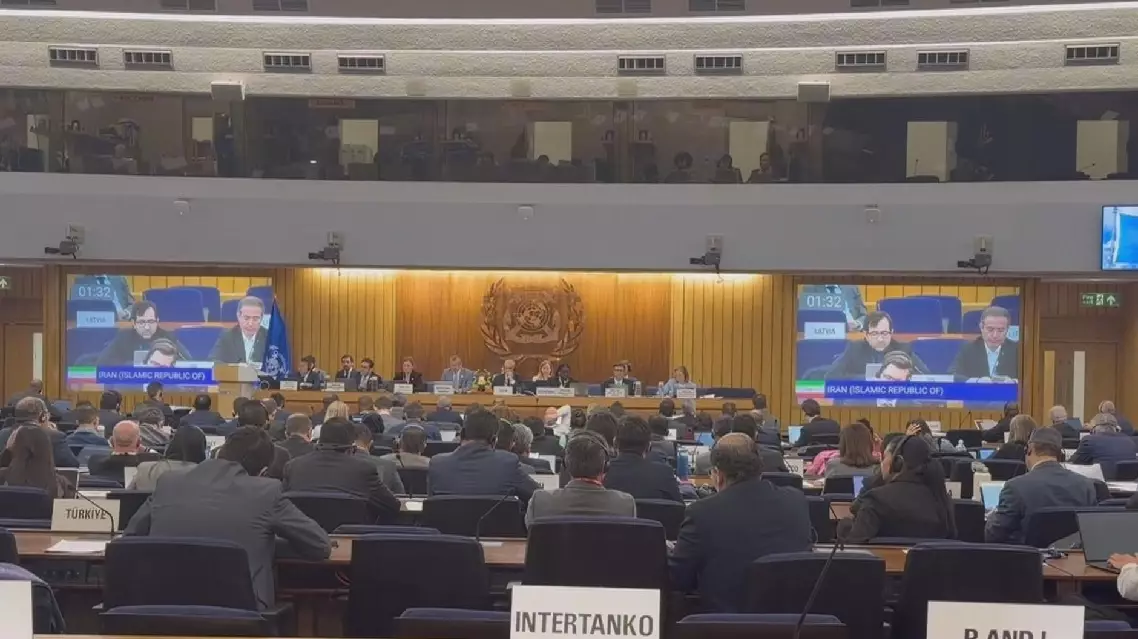
IMO members divided over accountability for closure of Hormuz Strait