A recent study by Kyoto University has revealed the presence of per- and polyfluoroalkyl substances (PFAS) in sludge samples from 34 wastewater treatment plants across Japan, raising concerns over widespread environmental contamination.
According to the study, published on Wednesday, the findings suggest that these harmful chemicals, often referred to as "forever chemicals" due to their persistence in the environment, are likely pervasive in sewage sludge throughout Japan.
Since 2023, multiple cases of PFAS contamination exceeding national safety levels have been reported in water sources in Okinawa, Osaka, and Tokyo Metropolis.
Notably, many of the affected sites are located near U.S. military bases and Japanese Self-Defense Forces facilities, leading to growing suspicion that these installations may be a source of the pollution.
Local civic groups have repeatedly called for access to environmental surveys inside the U.S. bases, but their requests have yet to be approved.
PFAS could lead to health problems such as liver damage, thyroid disease, obesity, fertility issues and cancer.
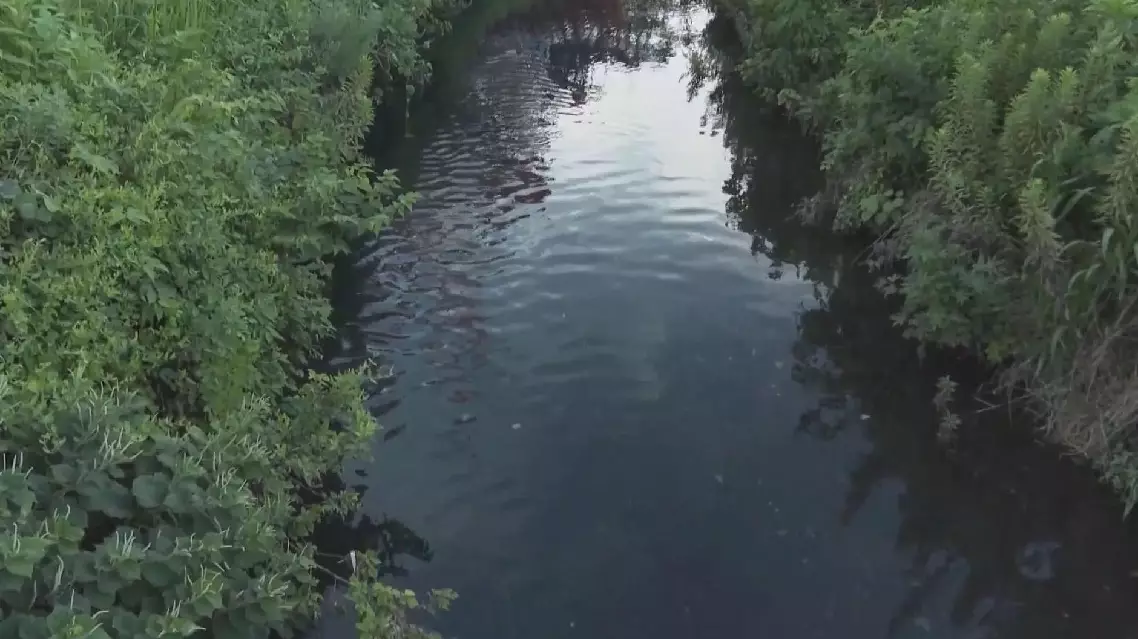
PFAS contamination detected in sewage sludge across Japan, U.S. military bases suspected
China has established more than 5,500 green mines at or above the provincial level, marking positive progress in the country's green mining development, an official from the Ministry of Natural Resources said at a news conference in Beijing on Tuesday ahead of this year's World Earth Day.
According to Dong Qingji, deputy director general of the Ministry of Natural Resources' department of mineral resources protection and supervision, green mining requirements have been written into the Mineral Resources Law and the Ecological Environment Code, providing strong legal backing. A working system featuring government guidance, departmental coordination, enterprise leadership and public supervision is now largely in place.
China is accelerating the construction of green mines and will organize the selection of a new batch of national-level green mines. Currently, there are over 1,000 national-level green mines and more than 4,500 provincial-level green mines in the country.
Looking ahead, the ministry will continue to promote the construction and operation of all newly built mines in accordance with green mine standards, while speeding up the green transformation and upgrading of existing operating mines. For mines that have not yet initiated green transition, they are required to launch green mine construction as soon as possible, fulfill their obligations for ecological restoration in mining areas, and strengthen ecological restoration and governance in these areas.
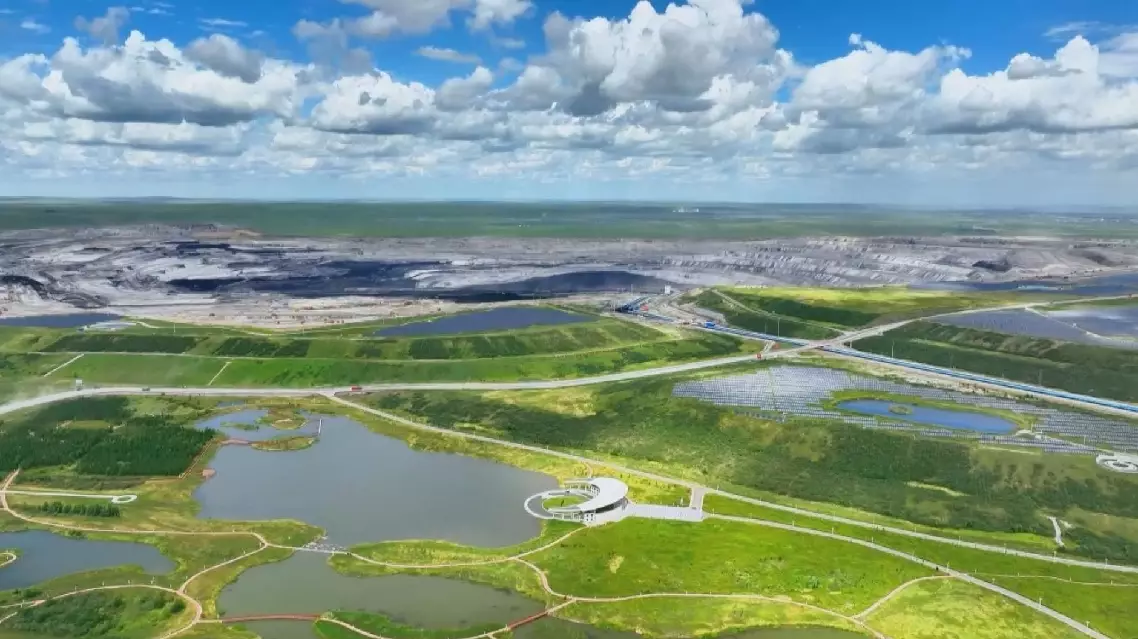
China builds over 5,500 green mines, advances sustainable mining