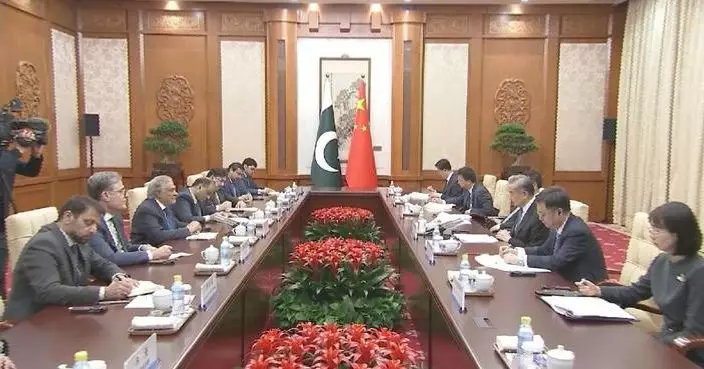
A decades-old farmers' market in the southwestern Chinese city of Kunming has become a popular destination for tourists and locals, as it blends traditional commerce with modern aesthetics and regional culinary culture.
Originally established in 1997, the Daguan Zhuanxin Farmers' Market now hosts over 700 stalls and serves between 50,000 and 60,000 people daily. It not only offers traditional farm produces, but also local fruits, wild mushrooms, and seasonal vegetables, earning the name of a "living museum of Yunnan specialties" among visitors.
"There are a lot of products here. It's a really refreshing experience and full of surprises," said Feng Yunyao, a visitor from the neighboring province of Guandong.
In addition to fresh produce, the market has gained attention for its regional cuisine. Popular items include rice noodles, a local breakfast staple, as well as deep-fried beef, lotus root cakes, and papaya drinks.
"It's different from other trendy tourist destinations. It's more homely and much closer to everyday life," said Guo Wei, a visitor for Shandong, a northern Chinese province.
Through years of development, the market has evolved into a multi-functional farmers' market integrating agriculture, culture, tourism and retail, contributing to a more than 30 percent increase in foot traffic to surrounding commercial areas.
"Prioritizing public service is our true nature. We will continue to reserve prime locations for daily goods. While we develop tourism, we will also serve the public. We are planning to set up a service center and self-service luggage lockers, to enhance the consumer experience," said Wu Xianji, manager of the farmers' market.
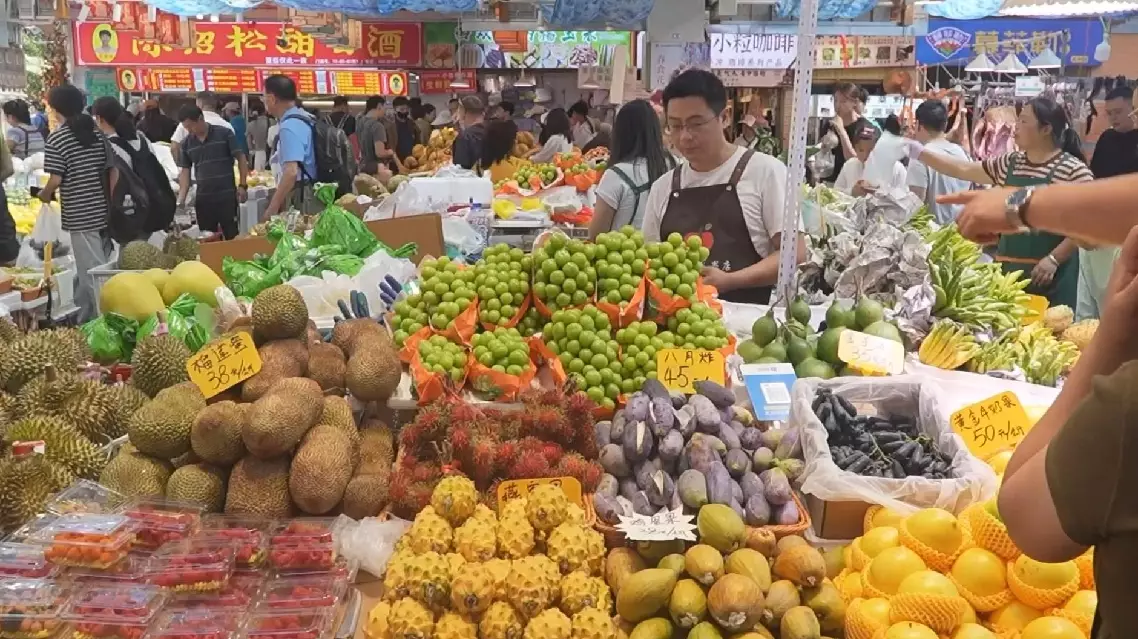
Kunming’s historic farmers’ market draws crowds as trendy food, cultural hub
The price of aluminum, a key industrial metal used in automotive manufacturing, construction and packaging, has been climbing as production cuts in the Gulf region, logistical constraints and Iranian attacks on two regional producers over the weekend tightened supply.
On March 31, the benchmark London Metal Exchange (LME) three-month price for aluminum rose to 3,535 U.S. dollars per metric ton, a year-on-year increase of around 40 percent.
Iran's Islamic Revolutionary Guard Corps (IRGC) said on Sunday that they launched missile and drone strikes on aluminum plants in Bahrain and the UAE that are linked to the U.S. military and aerospace industries, in retaliation for U.S.-Israeli attacks on Iranian steel factories.
Emirates Global Aluminium issued a statement saying that its Al Taweela site in the Khalifa Economic Zone in Abu Dhabi was severely damaged after Iranian strikes, with some employees injured.
Aluminum Bahrain confirmed in a statement on Sunday that some of its facilities were struck by Iranian attacks, resulting in injuries to two employees.
The two aluminum plants have a combined annual output of 3.2 million tons, more than half of the approximately 6 million tons of aluminum produced every year by Gulf Cooperation Council (GCC) member states.
The region is a key source of aluminum supply, accounting for about 9 percent of global production.
Goldman Sachs on Tuesday raised its LME aluminum price forecast from 3,200 U.S. dollars to 3,450 U.S. dollars per ton for the second quarter of 2026 after the attacks on the facilities.
Goldman Sachs also predicted a global primary aluminum market supply deficit of 570,000 tons in 2026, a sharp turnaround from its previous forecast of a 550,000-ton surplus.
Analysts point out that the aluminum market is currently facing multiple shocks, with shipping in the Strait of Hormuz disrupted, aluminum production facilities in the Gulf damaged or even shut down, and production in other parts of the world currently limited.
The impact will also spread to downstream enterprises in the coming months, with higher-cost aluminum alloys, primarily used in the aerospace, automotive, and construction industries, facing the most constrained supply, analysts said.
The Gulf region has long been a significant source of these high-end products, particularly for the European market, and also supplies manufacturers in the United States.
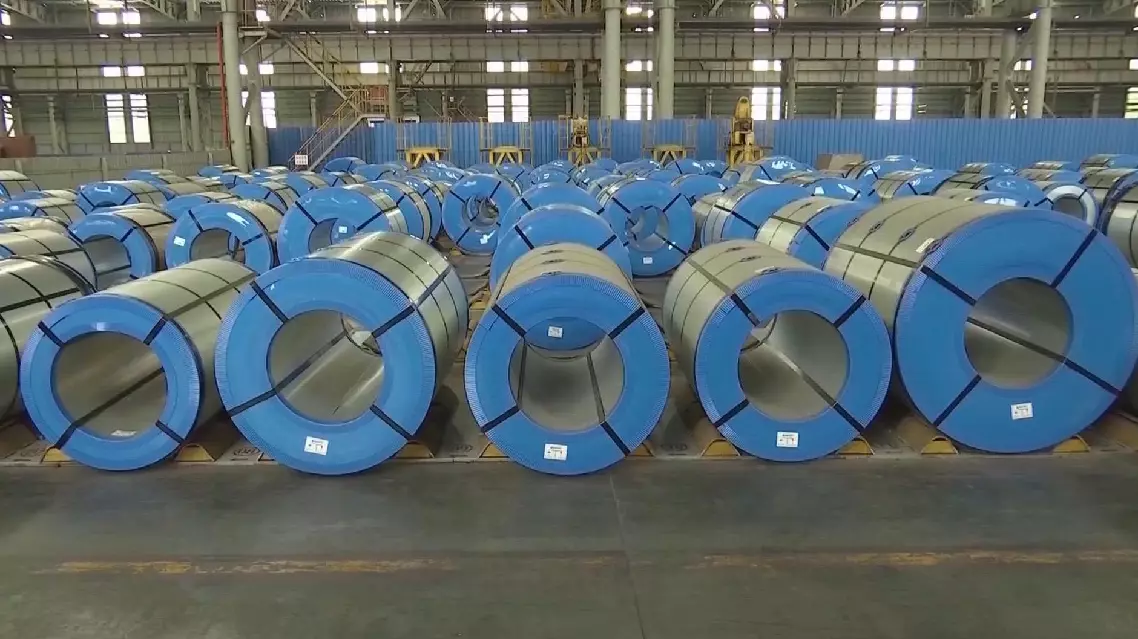
Aluminum prices climb as effects of Middle East tensions spread through global economy