The Palestinian death toll in the Gaza Strip has risen to 62,686, with 157,951 others injured since the conflict between Hamas and Israel erupted on Oct 7, 2023, Gaza's health authorities said in a statement on Sunday.
Over the past 24 hours alone, Israeli offensives in the enclave have killed 64 people and wounded 278 others, the statement noted.
Since Israel resumed military operations in Gaza on March 18 this year, 10,842 people have been killed and another 45,910 injured, according to the statement.
A statement released by the Israel Defense Forces (IDF) on the same day said that one of its brigades had returned to the Jabalia region, near Gaza City, to carry out military operations.
According to the IDF, this move enables it to expand operations across a broader area around Gaza City.
The statement also said that the IDF is strengthening its control over the Jabalia region by removing both above-ground and underground Hamas facilities, further weakening the group's military capabilities.
So far, the IDF said its forces have discovered an underground tunnel, from which they removed armed personnel and infrastructure used to launch attacks against Israeli troops.
The Israeli security cabinet on Aug 8 approved a plan to defeat Hamas and to take over Gaza City, a move that sparked opposition and condemnation both at home and abroad.
Located in northern Gaza, Gaza City is regarded by Israel as a stronghold of Hamas and a location where hostages are being held.
On Aug 20, the Israeli military announced that it had taken control of the area surrounding Gaza City and is preparing to take over the city itself.
The military is planning to launch offensives against the city by mid-September, according to Israeli media outlets.
A statement released by Hamas on Sunday said the group strongly condemned Israeli Prime Minister Benjamin Netanyahu's approval of the plan to take over Gaza City, which came after Hamas had accepted a new ceasefire proposal put forward by mediators.
Hamas said the decision showed that Israel was deliberately hindering efforts to reach a ceasefire agreement.
The Gaza-based media office said in a statement on the same day that, against the backdrop of a threatened Israeli offensive on Gaza City, more than 2.4 million Palestinians are facing an unprecedented humanitarian crisis.
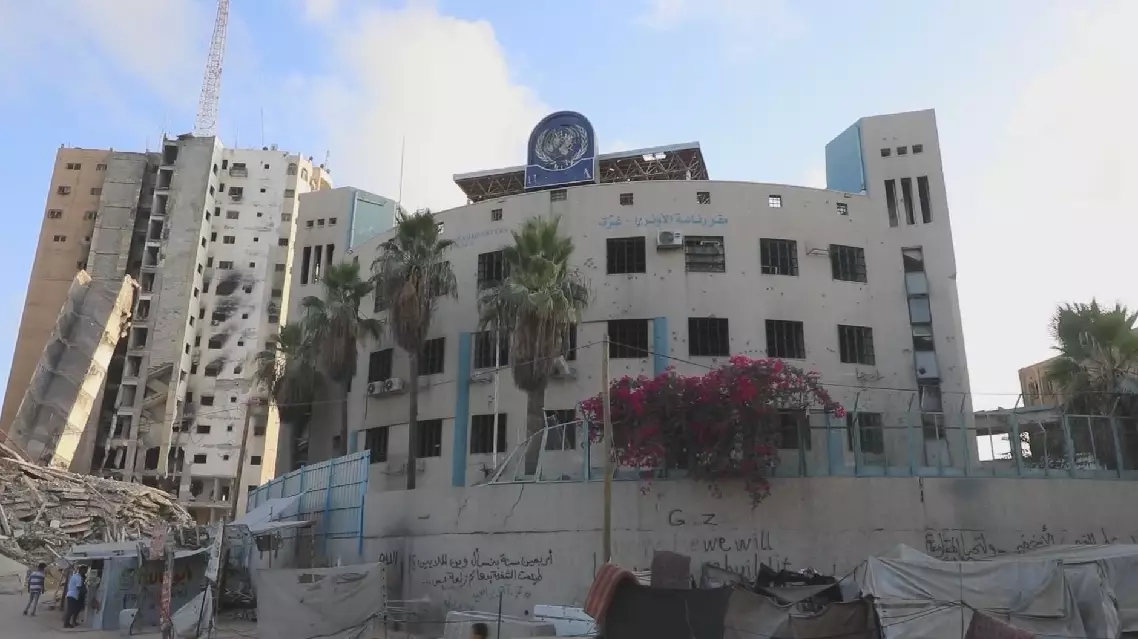
Palestinian death toll in Gaza rises to 62,686
The price of aluminum, a key industrial metal used in automotive manufacturing, construction and packaging, has been climbing as production cuts in the Gulf region, logistical constraints and Iranian attacks on two regional producers over the weekend tightened supply.
On March 31, the benchmark London Metal Exchange (LME) three-month price for aluminum rose to 3,535 U.S. dollars per metric ton, a year-on-year increase of around 40 percent.
Iran's Islamic Revolutionary Guard Corps (IRGC) said on Sunday that they launched missile and drone strikes on aluminum plants in Bahrain and the UAE that are linked to the U.S. military and aerospace industries, in retaliation for U.S.-Israeli attacks on Iranian steel factories.
Emirates Global Aluminium issued a statement saying that its Al Taweela site in the Khalifa Economic Zone in Abu Dhabi was severely damaged after Iranian strikes, with some employees injured.
Aluminum Bahrain confirmed in a statement on Sunday that some of its facilities were struck by Iranian attacks, resulting in injuries to two employees.
The two aluminum plants have a combined annual output of 3.2 million tons, more than half of the approximately 6 million tons of aluminum produced every year by Gulf Cooperation Council (GCC) member states.
The region is a key source of aluminum supply, accounting for about 9 percent of global production.
Goldman Sachs on Tuesday raised its LME aluminum price forecast from 3,200 U.S. dollars to 3,450 U.S. dollars per ton for the second quarter of 2026 after the attacks on the facilities.
Goldman Sachs also predicted a global primary aluminum market supply deficit of 570,000 tons in 2026, a sharp turnaround from its previous forecast of a 550,000-ton surplus.
Analysts point out that the aluminum market is currently facing multiple shocks, with shipping in the Strait of Hormuz disrupted, aluminum production facilities in the Gulf damaged or even shut down, and production in other parts of the world currently limited.
The impact will also spread to downstream enterprises in the coming months, with higher-cost aluminum alloys, primarily used in the aerospace, automotive, and construction industries, facing the most constrained supply, analysts said.
The Gulf region has long been a significant source of these high-end products, particularly for the European market, and also supplies manufacturers in the United States.
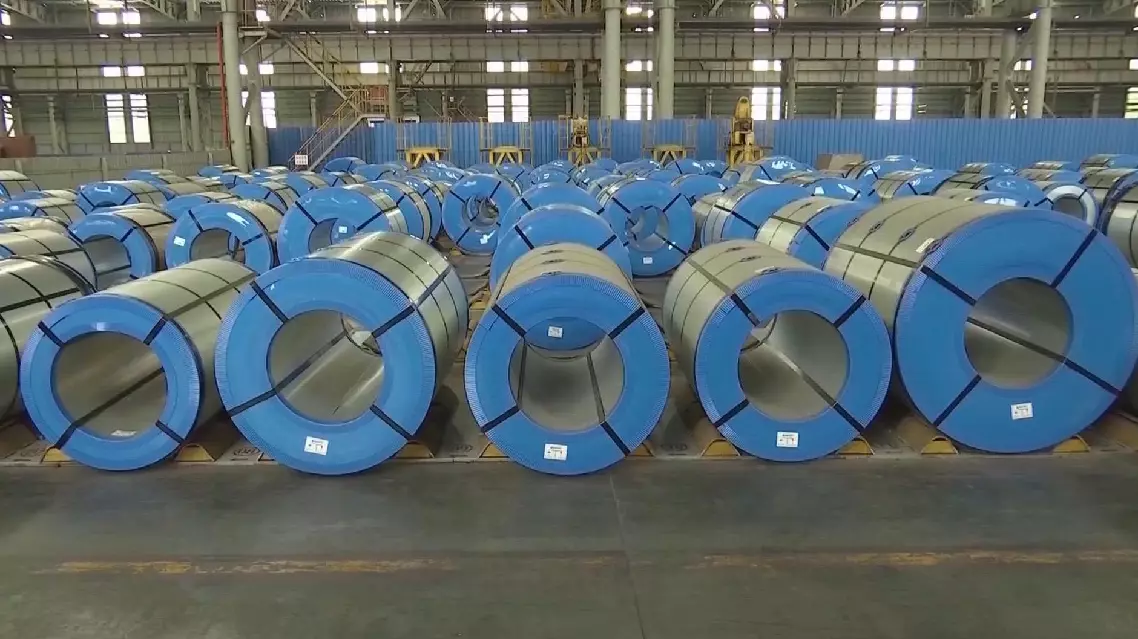
Aluminum prices climb as effects of Middle East tensions spread through global economy