The situation in Venezuelan capital Caracas is generally stable as tensions between the Latin American country and the United States are growing.
The United States has dispatched warships to waters off Venezuela under the pretext of "combating drug trafficking," provoking strong opposition from Venezuela and several other Latin American countries.
Despite the mixed rumors circulating on social media, the overall situation in Caracas remains stable, with transportation and commercial activities operating normally.
Meanwhile, the Venezuelan government has initiated defense plans in response to military threats from the United States.
"I have not seen any military deployments. Everyone's activities over the weekend were all normal, with no unusual situations reported," said Angel Alvarado, a resident in Caracas.
Experts believe that the U.S. military deployments may be aimed at creating political instability in Venezuela, thereby seizing the opportunity to gain control over the country's oil resources amid the chaos.
"I believe that invading Venezuela would require at least 250,000 to 300,000 troops. While the United States holds an advantage, truly occupying a country relies on the advancement of ground forces," said Manuel Isidro Molina, a military scientist.
"The true intention of the United States is to exert extreme pressure to force the Venezuelan government to compromise, thereby gaining favorable negotiating conditions for itself. The essence of this struggle is the contest for control over Venezuela's oil, rather than the so-called combating drug trafficking," said John Beens, an international affairs expert.
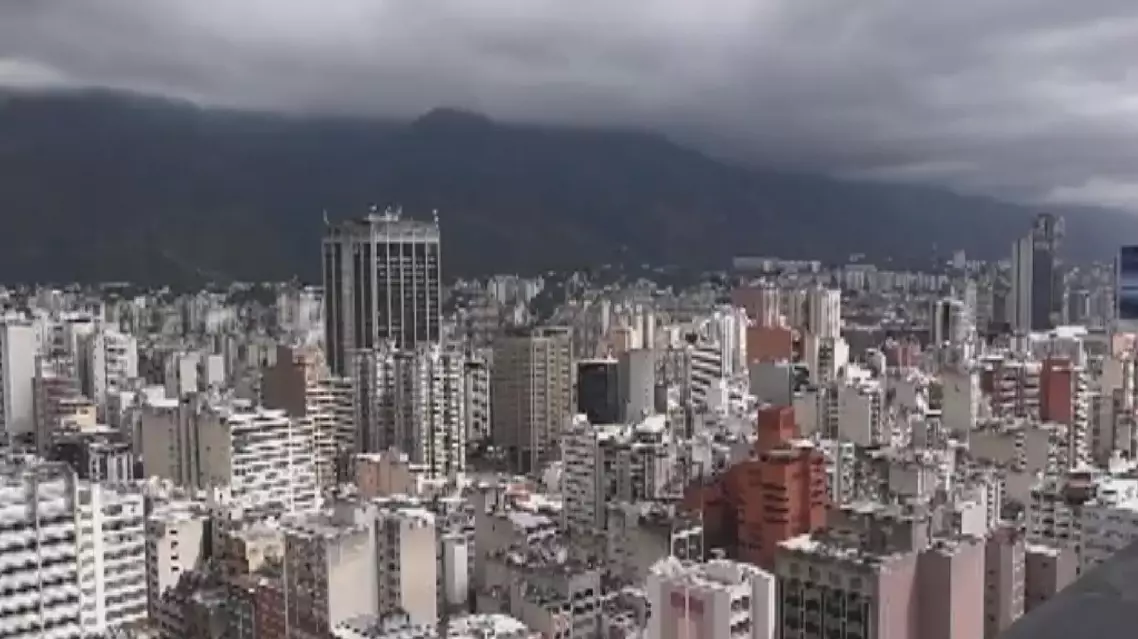
Situation in Venezuelan capital remains generally stable despite growing tensions with US
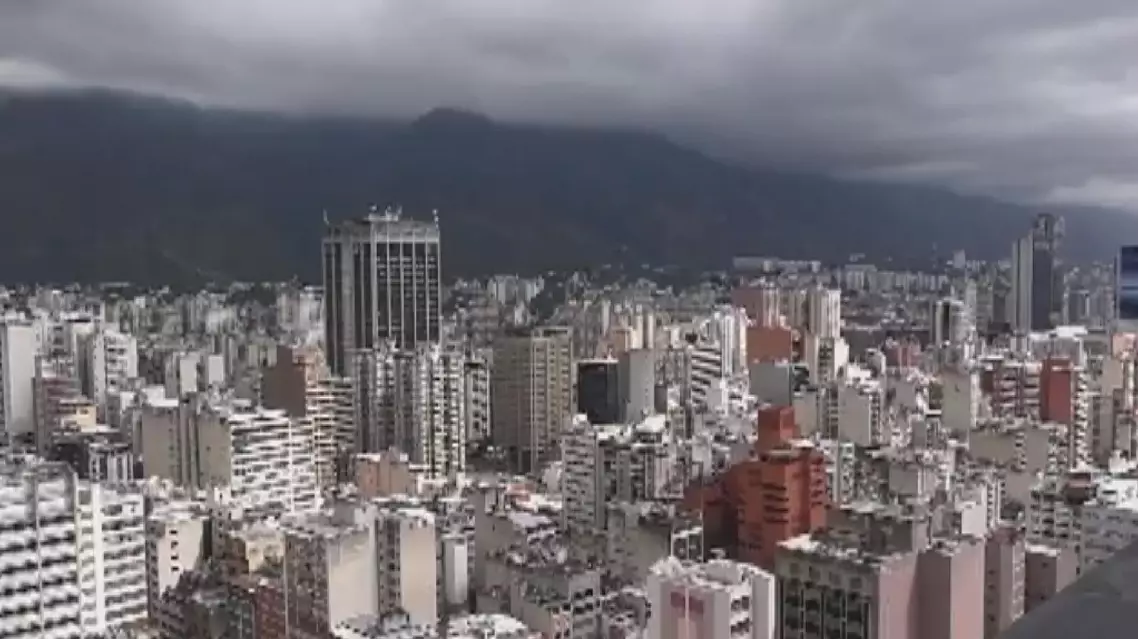
Situation in Venezuelan capital remains generally stable despite growing tensions with US
The Republic of Korea (ROK)'s former impeached President Yoon Suk-yeol on Friday was sentenced to five years in prison on arrest obstruction charges.
The criminal division of the Seoul Central District Court in charge of Yoon's obstruction of justice case handed down the prison sentence to Yoon for abusing the presidential security service to hinder the anti-corruption agency from executing its arrest warrant in January 2025.
The Corruption Investigation Office for High-ranking Officials (CIO) was once thwarted in its attempt to arrest Yoon as the presidential security service formed human shields and bus blockades to prevent investigators from entering the presidential residence.
The team of Cho Eun-suk, an independent counsel who led investigations into Yoon's insurrection and other charges, demanded a 10-year prison term for Yoon.
The court said Yoon privatized the presidential security service for personal safety and private interests by blocking the law enforcement agencies' lawful execution of an arrest warrant and attempting to destroy evidence, pointing out that despite the very bad nature of his crime, he consistently offered unconvincing excuses and showed no remorse.
The court stressed that severe punishment was necessary, considering the need to restore the rule of law damaged by Yoon's crime, but it noted that the fact that he was a first-time offender with no criminal record was considered a favorable factor.
The sentencing, which was broadcast live, was Yoon's first verdict coming from his botched martial law bid.
The first-instance sentencing for Yoon's insurrection charges was scheduled for Feb 19. The special counsel sought a death penalty for Yoon on the charges.
Yoon declared emergency martial law on the night of Dec 3 in 2024, but it was revoked hours later by the National Assembly.
The constitutional court upheld a motion to impeach Yoon in April 2025, officially removing him from office.
The ousted leader was indicted while in detention in January 2025 on charges of leading an insurrection, becoming the first sitting ROK president facing such prosecution.
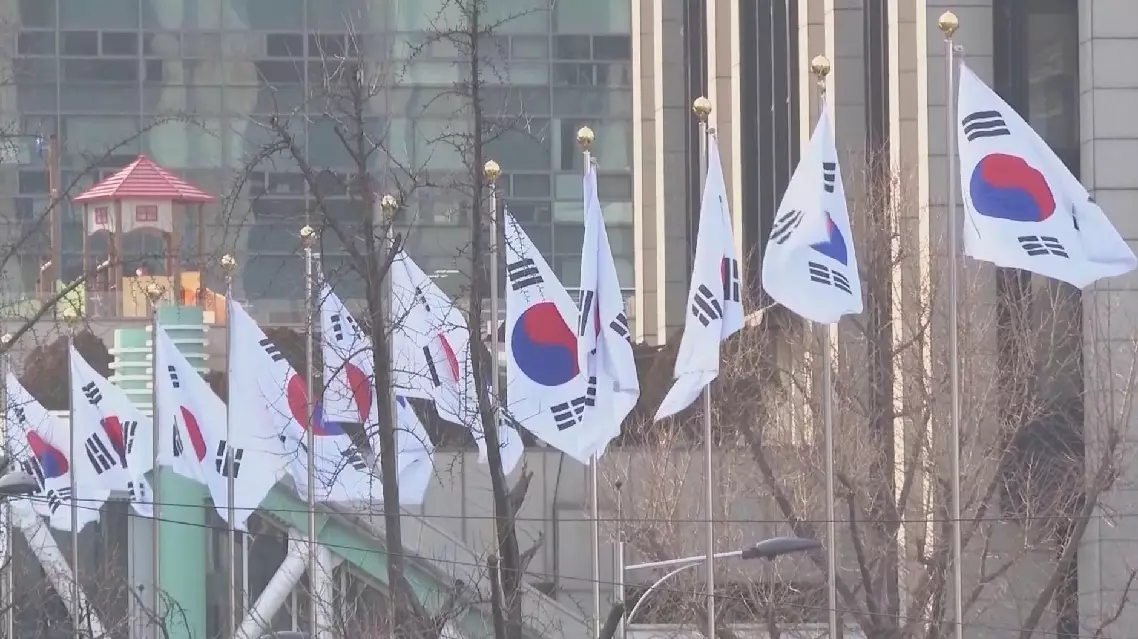
ROK ex-president Yoon sentenced to 5 years in prison on arrest obstruction charges