I didn't notice the scarlet tanager until the alert appeared on my phone: “Merlin heard a new bird!”
Despite its brilliant plumage — jet-black wings on a crimson body — the songbird can be a hard one to spot in a forest because it prefers to stay high in the canopy. It sounds a little like a robin to an untrained ear.
Click to Gallery
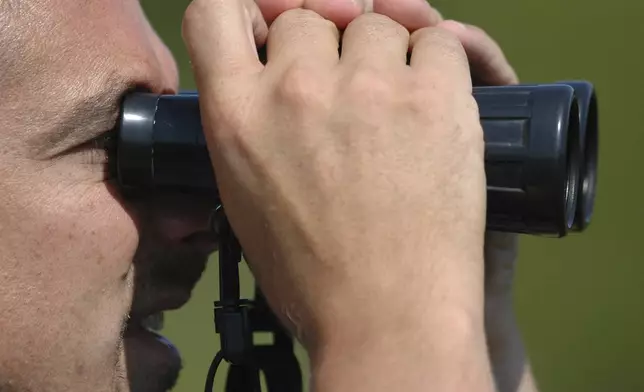
FILE - Jim Rapp, director of Delmarva Low-Impact Tourism Experiences, looks for birds through binoculars, Aug. 15, 2007 in Girdletree, Md. (AP Photo/Matthew S. Gunby, file)
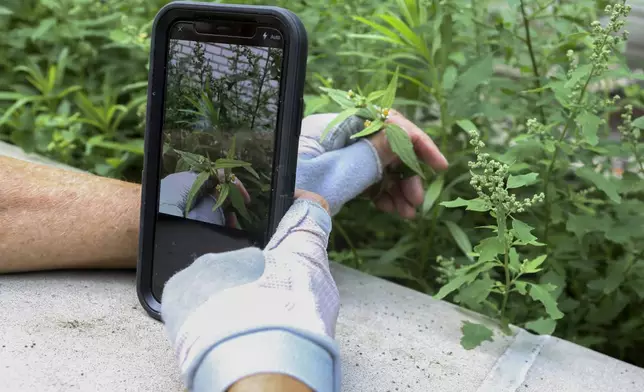
FILE - In this July 27, 2018 photo, Susan Hewitt photographs a daisy-like weed known as 'shaggy soldier' and adds it to iNaturalist in the New York City EcoFlora project. (AP Photo/Emiliano Rodriguez Mega, file)
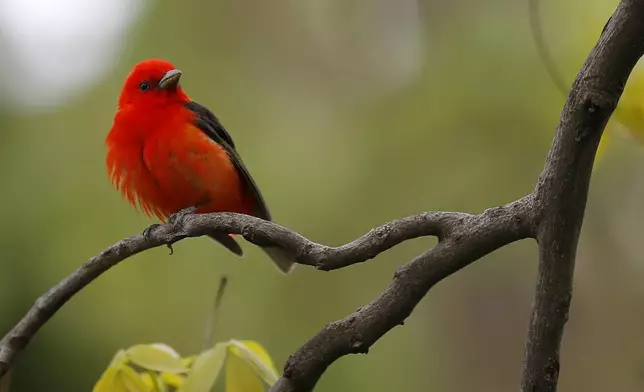
FILE - A male scarlet tanager is seen on a tree on World Migratory Bird Day, May 9, 2020, in Lutherville-Timonium, Md. (AP Photo/Julio Cortez, file)
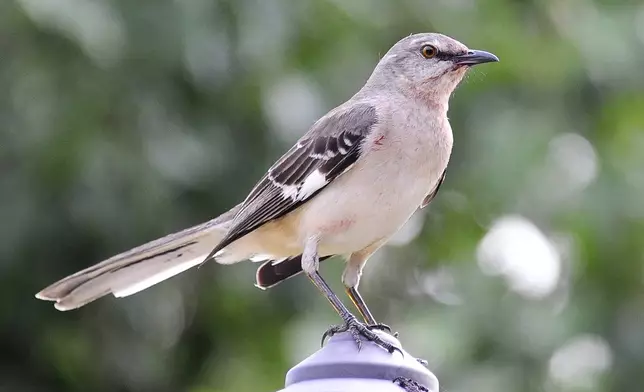
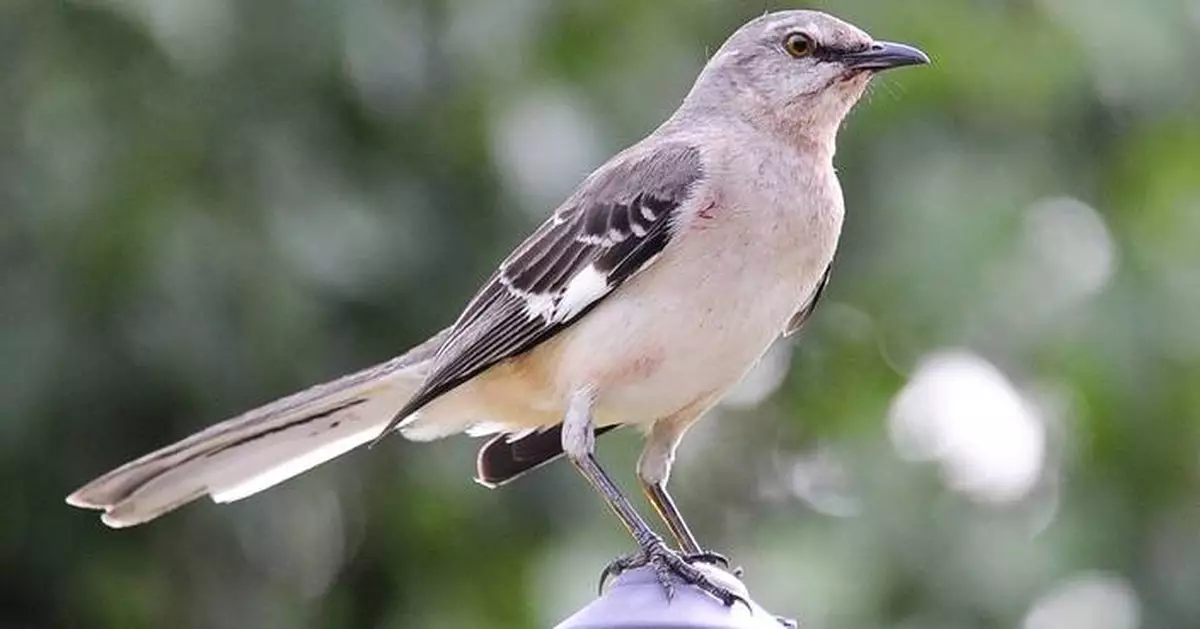
FILE - A northern mockingbird appears on April 28, 2015, in Houston. (AP Photo/Pat Sullivan, File)
But the free Merlin Bird ID app detected a scarlet tanager was likely nearby by using artificial intelligence to analyze my phone’s live sound recording. I paused my hike, quietly scanned the treetops, saw the bird as it kept singing and clicked a button to add the species to my growing "life list" of bird sightings. Digital confetti burst on my screen.
Like a real-world version of Pokémon Go, a gotta-catch-'em-all drive to add to my Merlin list has helped me find a great kiskadee in Mexico and a rusty-cheeked scimitar-babbler in the Himalayas. But sometimes the greatest revelations are close to home, as more AI nature app users are starting to discover.
“Our stereotypical demographic five years ago would have been retired people and already-avid birders,” said the Merlin app's manager, Drew Weber, of the Cornell Lab of Ornithology. “Now we’re seeing a lot of 20-and-30-year-olds posting stuff on their TikTok or Instagram.”
“Am I a bird person now? Am I a bird person now?” exclaims one incredulous TikTok user whose Merlin app detected a tufted titmouse, a cardinal and a Carolina wren within five seconds of her switching on the app.
Another video shows Seattle Seahawks quarterback Sam Darnold gushing about the technology.
“That was a northern mockingbird,” says a smirking Darnold, then 27 and now 28, holding his phone up high while sitting in an outdoor lounge chair.
The app isn't always perfect, and mockingbirds — because they mimic other bird sounds — can sometimes confuse the AI. Was that really a great horned owl that flew over your home and hooted while you left the app on record by the window screen? Maybe, maybe not.
“Low-frequency sounds can be challenging because there’s other low frequencies, like cars driving past, that can trick it,” Weber said.
Built-in computer vision technology on newer iPhones and Android devices makes it easier to identify plants and other creatures without having to download an app. Simply look at the flower you just photographed and — on iPhones — a leaf icon appears that, when clicked, can suggest the species.
But their AI accuracy isn't always the best for more obscure fauna and insects — and they are missing the immersive community and citizen science experience that free apps like Merlin and the image-based iNaturalist offer.
Every observation submitted to iNaturalist, run by a nonprofit, and Cornell's Merlin is potentially helping with conservation research as animal extinctions and biodiversity loss accelerate around the world.
iNaturalist’s executive director, Scott Loarie, sees someone's urge to identify a backyard plant as just the start of their engagement with the app. The nonprofit also owns a sibling app, Seek, that is kid-friendly and less complicated.
“Our strategy is really building this community of really passionate, engaged nature stewards who are not only learning and sharing knowledge about nature, but they’re actually huge engines for creating biodiversity data and conservation action,” Loarie said.
Submit an incorrect ID suggested by iNaturalist's AI and someone with real expertise will often politely correct you. Once there's enough consensus, you'll be notified that your observation has made it to “research grade.”
On the search for huckleberry, a favorite of jam makers and grizzly bears, I kept iNaturalist handy on an August hike through the Wyoming wilderness.
And while I had a hard time finding a huckleberry bush, iNaturalist helped me discover other fruits: a type of serviceberry known as the saskatoon; the big-leafed, raspberry-like thimbleberry and the vibrant orange berries of the Greene’s mountain-ash, a type of rowan. After cross-checking many other resources, I tasted all three. The first two were sweet, the last bitter and disgusting.
“You should never trust any sort of automatic ID or a stranger on the internet for something as important as edible plants,” Loarie said. "So, I definitely don’t want to endorse that. But I’d certainly endorse getting to know plants and animals.”
One common thread in the TikTok videos is the joy of discovering the variety of wildlife that live among us, if we pay enough attention.
Elsewhere, I've found it particularly helpful in identifying things to avoid – poison ivy, poison oak, disease-carrying ticks – and things to destroy, like a nymph of the invasive spotted lanternfly that’s now infesting at least 19 U.S. states.
————-
Is there a tech topic that you think needs explaining? Write to us at onetechtip@ap.org with your suggestions for future editions of One Tech Tip.
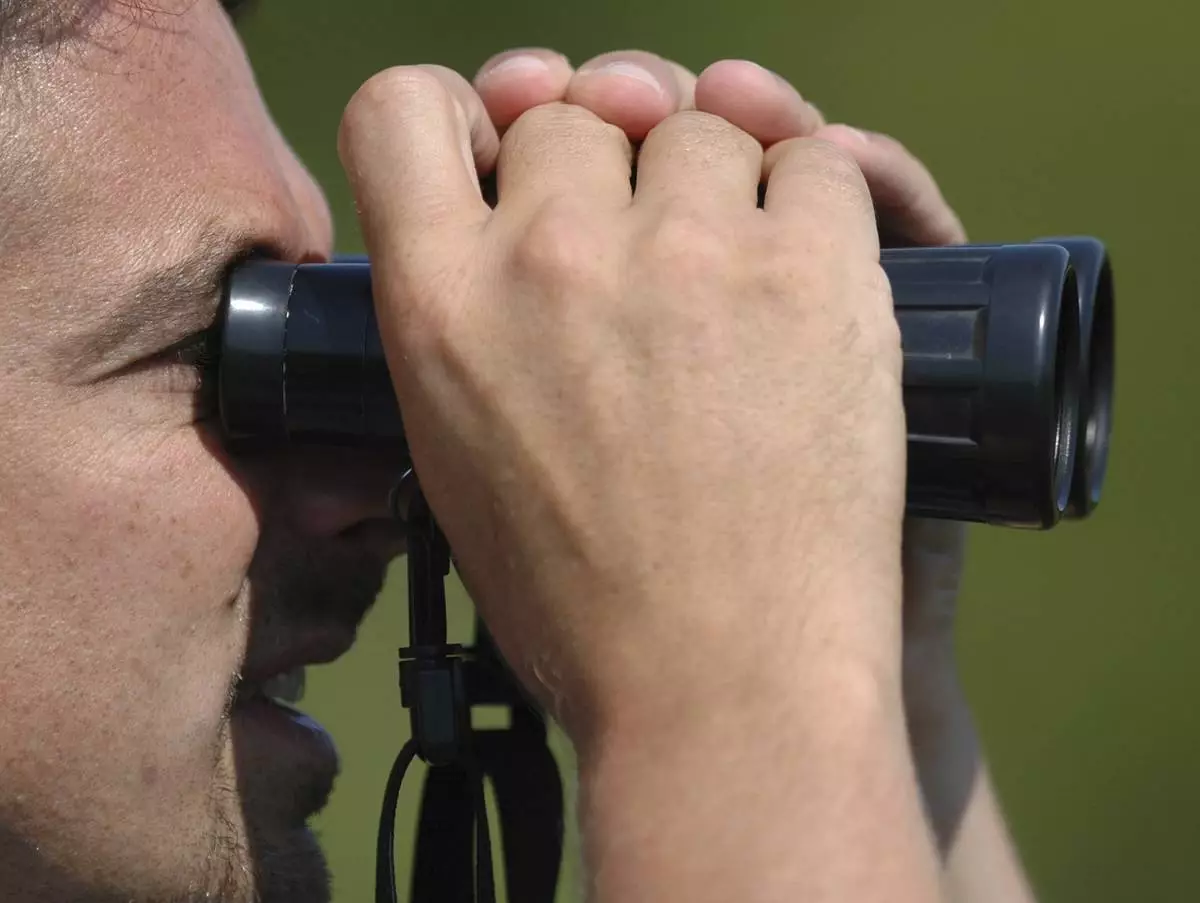
FILE - Jim Rapp, director of Delmarva Low-Impact Tourism Experiences, looks for birds through binoculars, Aug. 15, 2007 in Girdletree, Md. (AP Photo/Matthew S. Gunby, file)
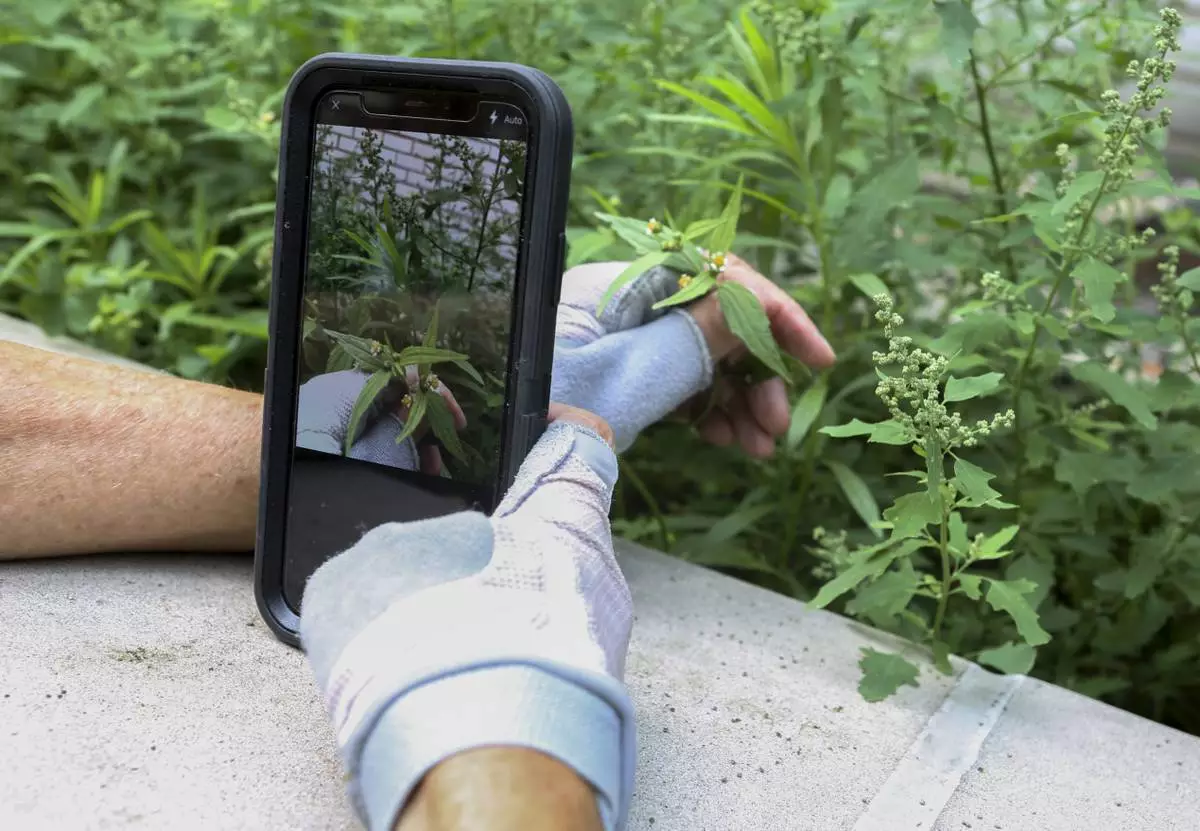
FILE - In this July 27, 2018 photo, Susan Hewitt photographs a daisy-like weed known as 'shaggy soldier' and adds it to iNaturalist in the New York City EcoFlora project. (AP Photo/Emiliano Rodriguez Mega, file)
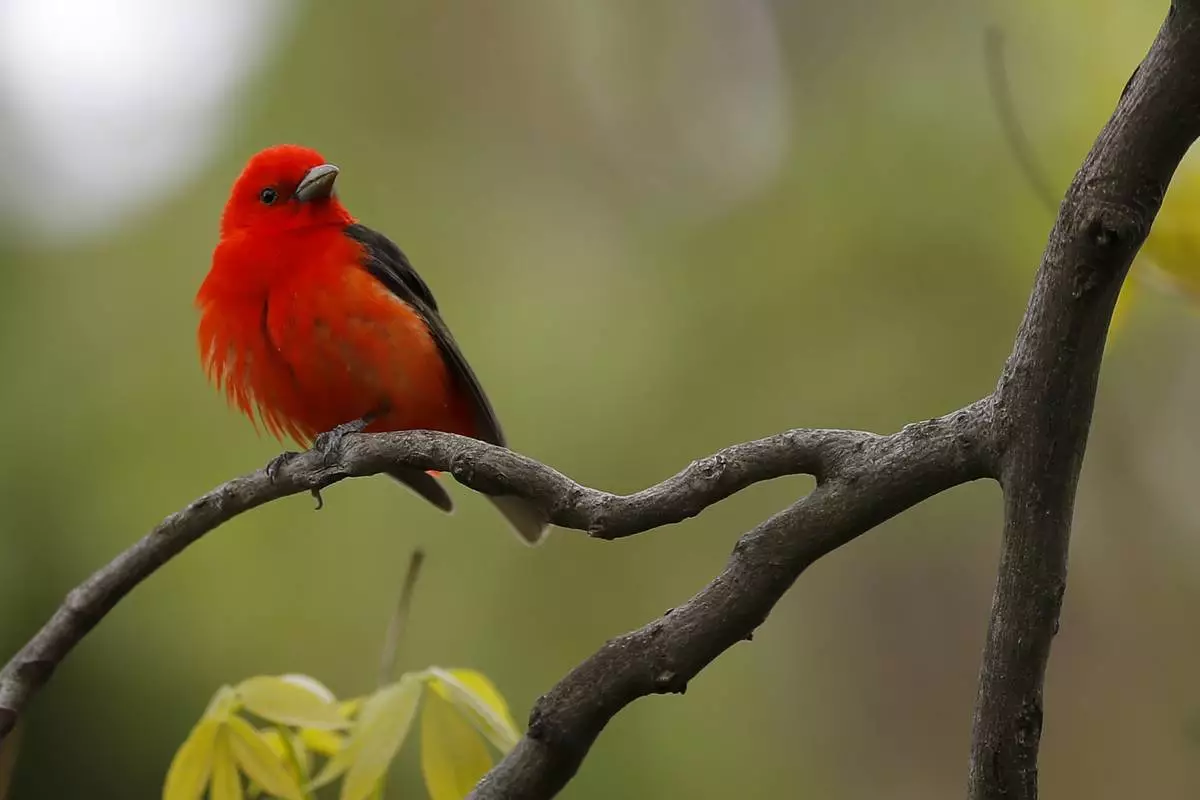
FILE - A male scarlet tanager is seen on a tree on World Migratory Bird Day, May 9, 2020, in Lutherville-Timonium, Md. (AP Photo/Julio Cortez, file)
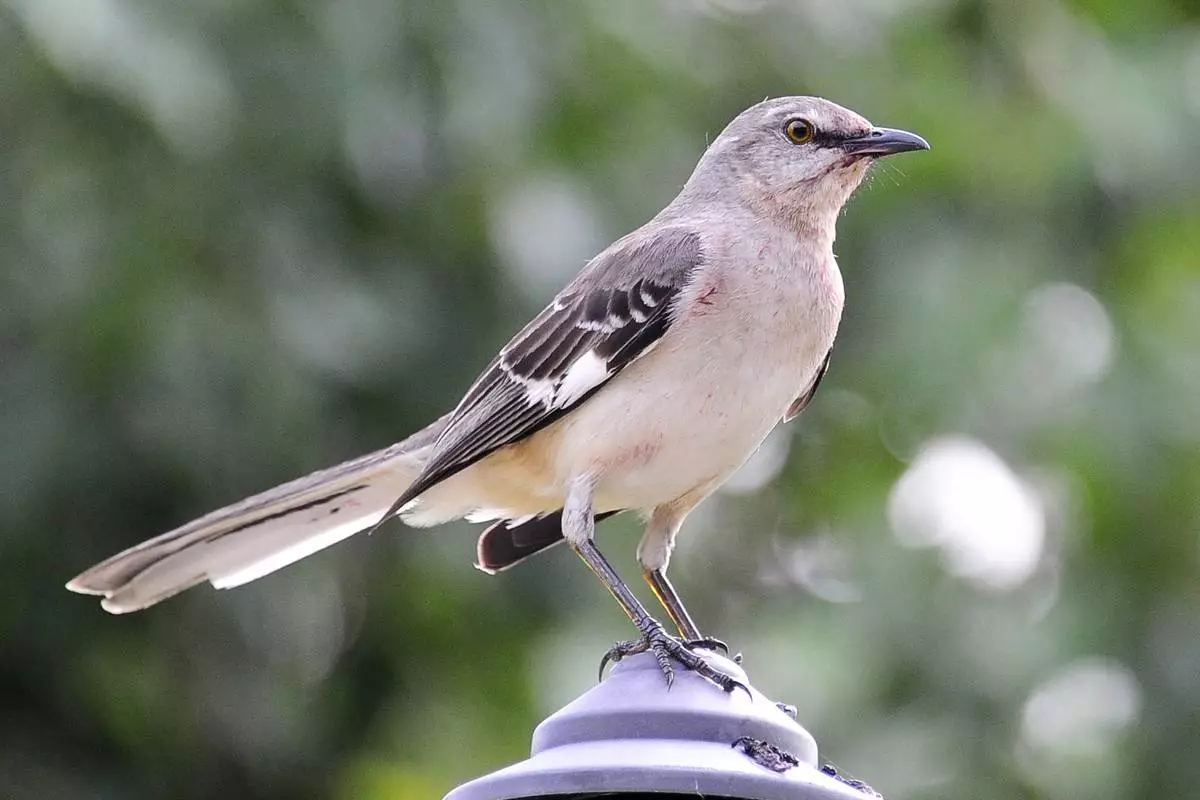
FILE - A northern mockingbird appears on April 28, 2015, in Houston. (AP Photo/Pat Sullivan, File)