Skip to Content Facebook Feature Image

Key criminal case against ex-interim leader Áñez annulled as Bolivia lurches to the right

News

Key criminal case against ex-interim leader Áñez annulled as Bolivia lurches to the right
News

News

Key criminal case against ex-interim leader Áñez annulled as Bolivia lurches to the right

2025-08-30 13:20 Last Updated At:13:30

LA PAZ, Bolivia (AP) — Bolivia’s highest court late Friday threw out criminal charges against former interim President Jeanine Áñez over her role in the 2019 killings of protesters, ordering the flashpoint case to restart in a special process for alleged crimes committed by former heads of state.

The contentious decision just before midnight Friday in Bolivia marked a legal victory for the opposition leader, who has spent almost four-and-a-half years in prison on different charges related to the 2019 ouster of her predecessor, left-wing former President Evo Morales, following his disputed reelection.

More Images
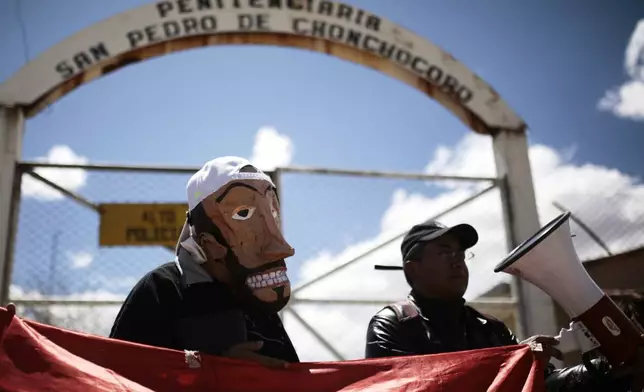
A supporter of opposition leader Luis Fernando Camacho wears a mask in his likeness outside the jail as he awaits the leader's release from jail who was allowed house arrest after almost three years in pretrial detention for his involvement in violent unrest that led to the 2019 ouster of then-President Evo Morales, in La Paz, Bolivia, Friday, Aug. 29, 2025. (AP Photo/Gaston Brito)
A supporter of opposition leader Luis Fernando Camacho wears a mask in his likeness outside the jail as he awaits the leader's release from jail who was allowed house arrest after almost three years in pretrial detention for his involvement in violent unrest that led to the 2019 ouster of then-President Evo Morales, in La Paz, Bolivia, Friday, Aug. 29, 2025. (AP Photo/Gaston Brito)

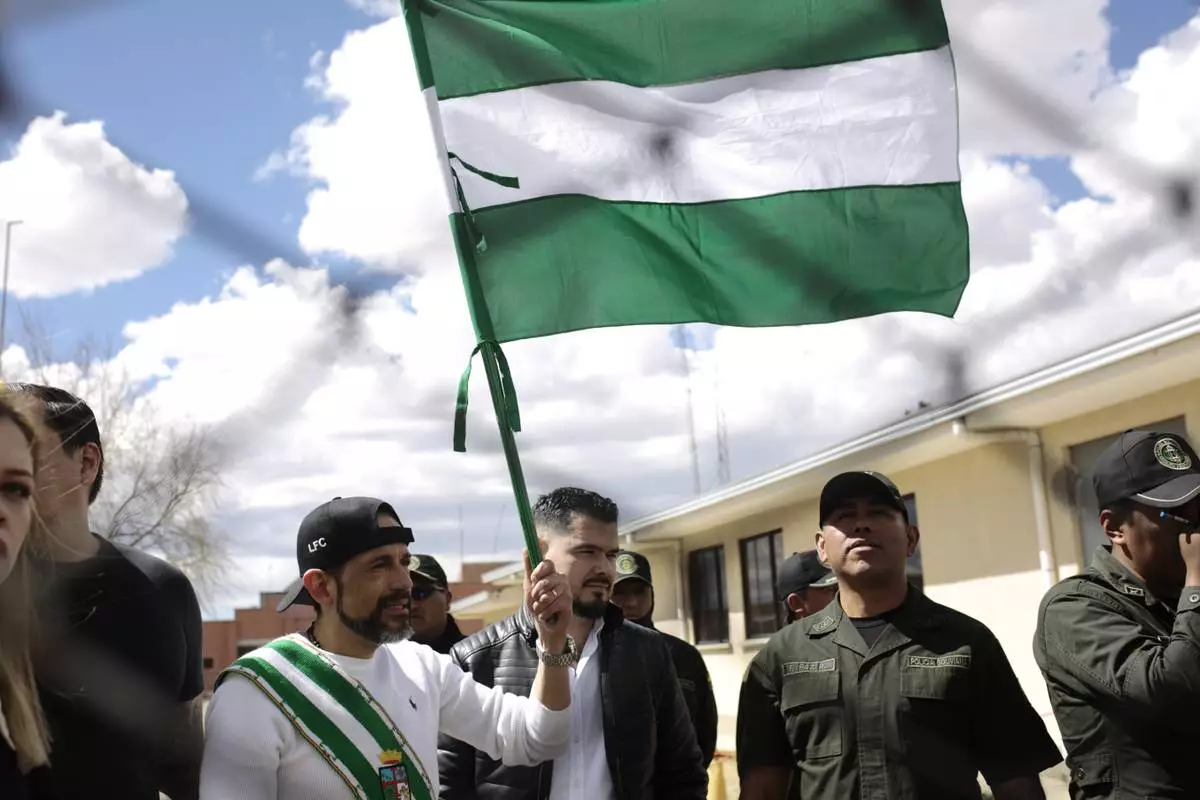
Opposition leader Luis Fernando Camacho, the suspended governor of Santa Cruz, holds up his department's flag as he is released from jail and allowed house arrest after almost three years in pretrial detention for his involvement in violent unrest that led to the 2019 ouster of then-President Evo Morales, in La Paz, Bolivia, Friday, Aug. 29, 2025. (AP Photo/Gaston Brito)
Opposition leader Luis Fernando Camacho, the suspended governor of Santa Cruz, holds up his department's flag as he is released from jail and allowed house arrest after almost three years in pretrial detention for his involvement in violent unrest that led to the 2019 ouster of then-President Evo Morales, in La Paz, Bolivia, Friday, Aug. 29, 2025. (AP Photo/Gaston Brito)
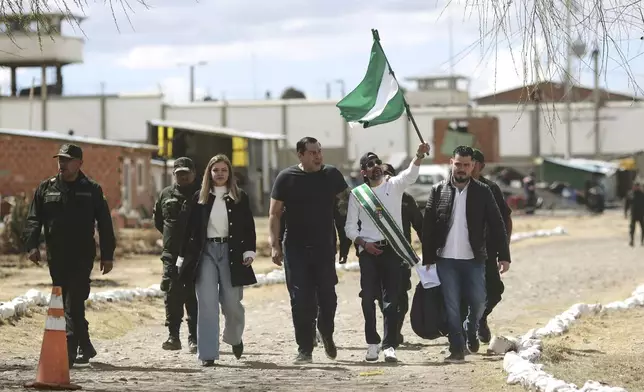
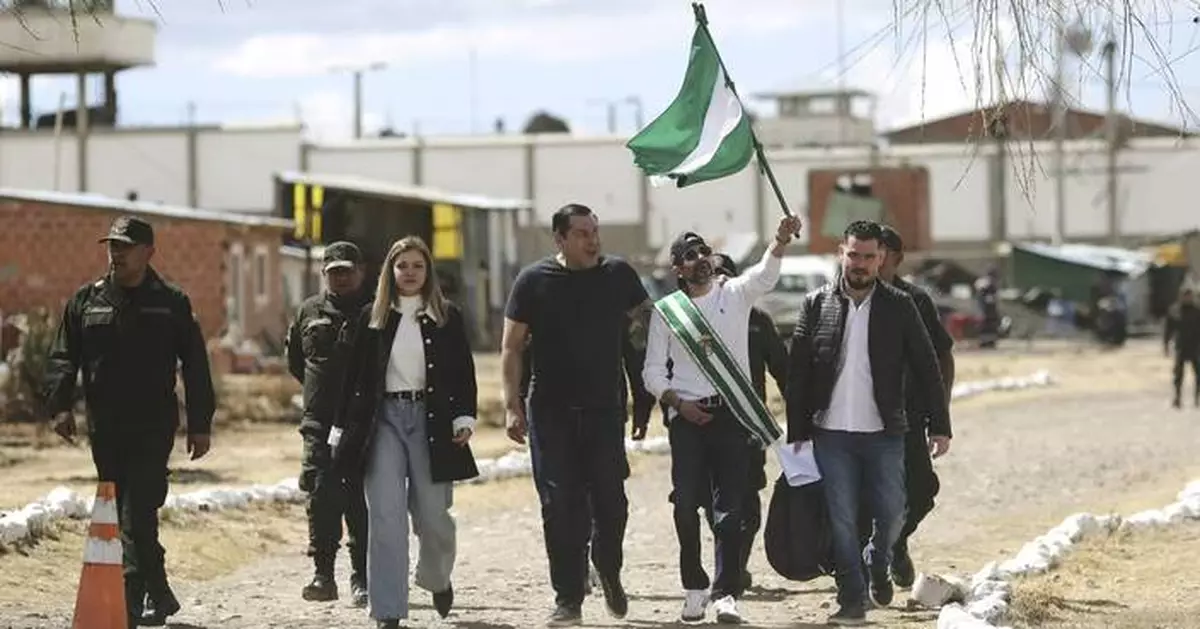
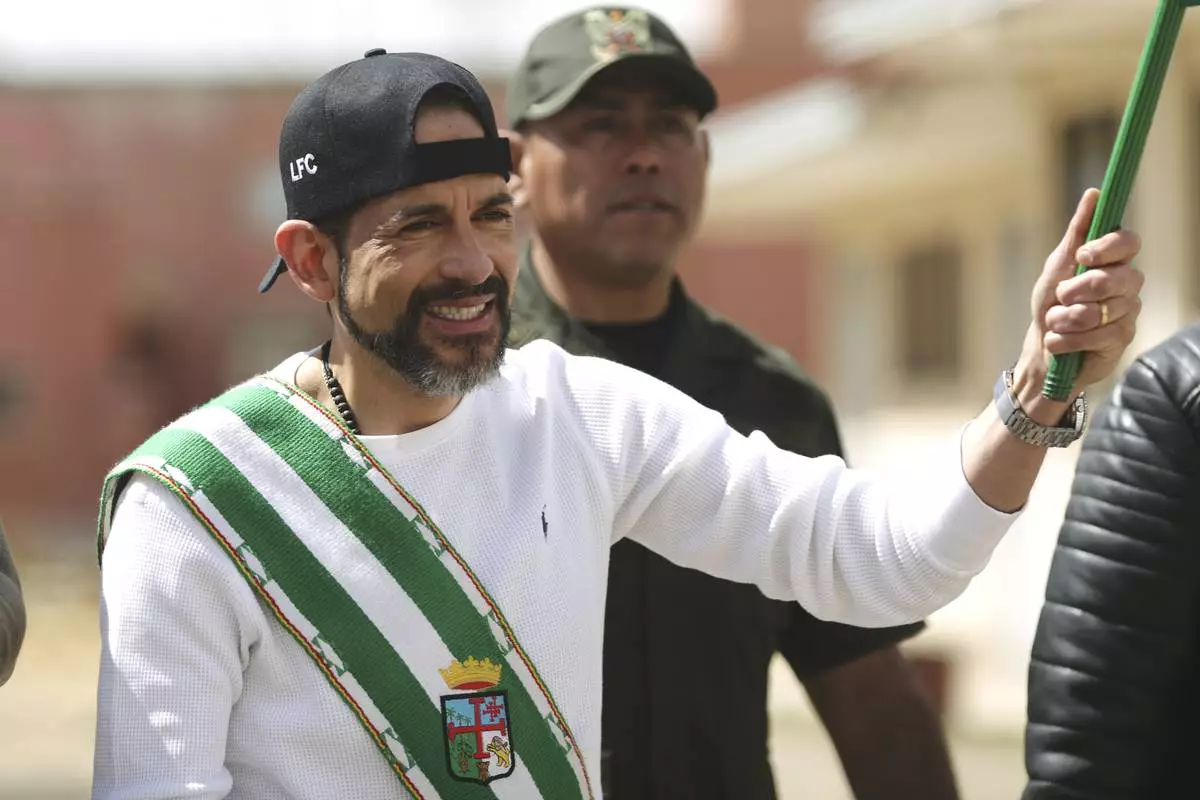
Opposition leader Luis Fernando Camacho, the suspended governor of Santa Cruz, wears a sash and flag of his department as he is released from jail and allowed house arrest after almost three years in pretrial detention for his involvement in violent unrest that led to the 2019 ouster of then-President Evo Morales, in La Paz, Bolivia, Friday, Aug. 29, 2025. (AP Photo/Gaston Brito)

Opposition leader Luis Fernando Camacho, the suspended governor of Santa Cruz, wears a sash and flag of his department as he is released from jail and allowed house arrest after almost three years in pretrial detention for his involvement in violent unrest that led to the 2019 ouster of then-President Evo Morales, in La Paz, Bolivia, Friday, Aug. 29, 2025. (AP Photo/Gaston Brito)

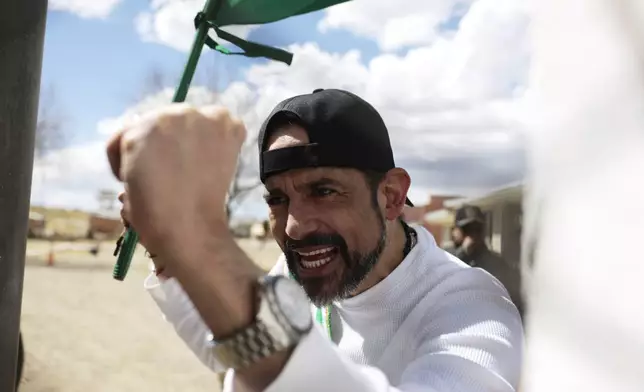
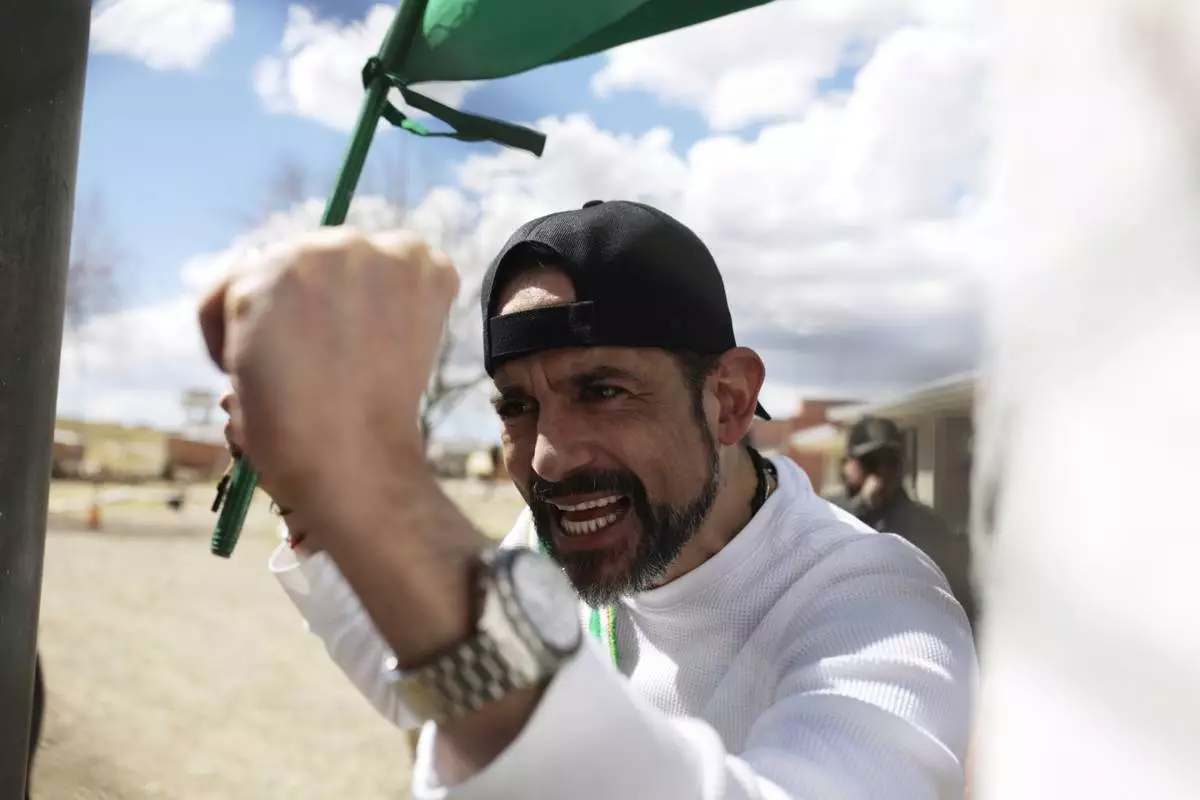
Opposition leader Luis Fernando Camacho, the suspended governor of Santa Cruz, holds up his fist and the Santa Cruz flag as he is released from jail and allowed house arrest after almost three years in pretrial detention for his involvement in violent unrest that led to the 2019 ouster of then-President Evo Morales, in La Paz, Bolivia, Friday, Aug. 29, 2025. (AP Photo/Gaston Brito)

Opposition leader Luis Fernando Camacho, the suspended governor of Santa Cruz, holds up his fist and the Santa Cruz flag as he is released from jail and allowed house arrest after almost three years in pretrial detention for his involvement in violent unrest that led to the 2019 ouster of then-President Evo Morales, in La Paz, Bolivia, Friday, Aug. 29, 2025. (AP Photo/Gaston Brito)

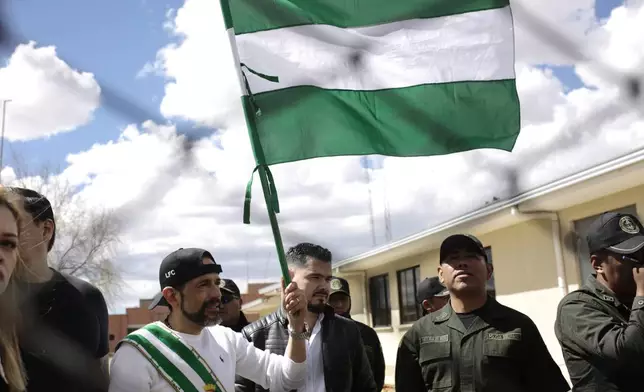
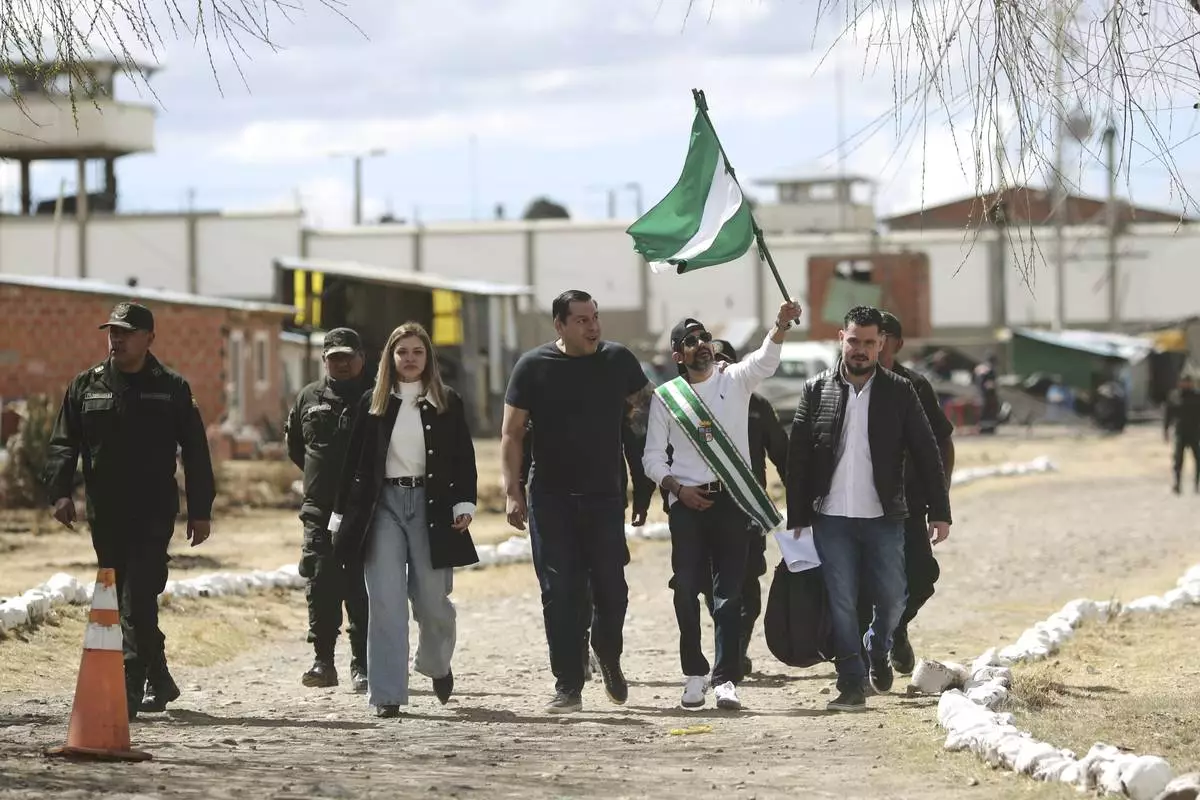
Opposition leader Luis Fernando Camacho, the suspended governor of Santa Cruz, holds up the Santa Cruz flag as he is released from jail and allowed house arrest after almost three years in pretrial detention for his involvement in violent unrest that led to the 2019 ouster of then-President Evo Morales, in La Paz, Bolivia, Friday, Aug. 29, 2025. (AP Photo/Gaston Brito)

Opposition leader Luis Fernando Camacho, the suspended governor of Santa Cruz, holds up the Santa Cruz flag as he is released from jail and allowed house arrest after almost three years in pretrial detention for his involvement in violent unrest that led to the 2019 ouster of then-President Evo Morales, in La Paz, Bolivia, Friday, Aug. 29, 2025. (AP Photo/Gaston Brito)

The sudden twist in her proceedings comes just weeks after Bolivia’s general election boosted the opposition for the first time in decades, raising concerns among critics who see a justice system subject to political manipulation.

A runoff presidential election in October pits a centrist pro-business senator against a right-wing former president.

Áñez was arrested as 2020 elections elevating her political rival, leftist President Luis Arce, cut short her stint in power. In 2022, she was sentenced to 10 years in prison on charges of terrorism and sedition in connection with her 2019 takeover as a little-known right-wing senator following Morales' resignation under pressure from the military.

Other cases against her, including the one heard Friday dealing with security forces’ killing of protesters under her watch, had landed her in preventative detention but not yet gone to trial.

The latest moves transfer key criminal cases against Áñez — dealing with security forces' fatal shooting of 22 civilian protesters in the districts of Sacaba and Senkata — to Congress, where a two-thirds majority must approve the trial before sending it to the Supreme Court.

Right-wing opposition parties sympathetic to Áñez this month won a congressional majority in Bolivia’s election that signaled an end to almost two decades of dominance by Morales’ ruling Movement Toward Socialism, or MAS, party. If Áñez scrapes together enough congressional support, her case could be blocked entirely and never reach trial.

The ruling on Áñez came the same day as another prominent opposition leader, Luis Fernando Camacho, left jail and jetted home to a hero’s welcome in his city of Santa Cruz, days after a judge lifted his preventative detention and granted him house arrest.

While Camacho will be confined to his home pending trial over his involvement in the 2019 political crisis, generous work-releases privileges allow him to resume his duties as governor of the prosperous eastern province of Santa Cruz for the first time since his 2022 arrest.

“The dark days are over. It’s an honor to have spent almost three years in prison for defending democracy,” Camacho, wearing his governor’s sash and dark sunglasses, told fervent flag-waving masses that met him at the Santa Cruz airport and lined the streets all the way into the city. Chants of “Governor! Governor! Governor!” filled the air.

Camacho stopped his motorcade to pop out, shake hands and pose for selfies with supporters. He picked up his governor’s baton to delirious cheers.

Camacho's former running mate in the 2020 elections, opposition activist Marco Antonio Pumari, also walked free from jail on Friday after nearly four years in pretrial detention in the southern region of Potosí. He is subject to a lax house-arrest arrangement pending trial, allowed to leave home for work purposes as long as he reports twice weekly to prosecutors.

“I’m not leaving defeated, but victorious,” he said through tears.

Lawyers for Áñez have repeatedly sought to invalidate the proceedings against her, arguing that a civil court has no jurisdiction to rule on the fate of a former president for crimes allegedly committed while in office.

Her defense hopes that Friday’s annulment of the case of the protester killings will pave the way for the court to similarly send back the clock on the main sedition case that resulted in her 10-year prison sentence.

“This sentence is null and void, because it was handed down by authorities whose competence did not come from the law,” her lawyer Luis Guillén told The Associated Press.

If the court agrees to invalidate the sentence, Áñez could walk free as the special process for ex-presidents kicks off.

Even if Congress sends her cases to trial, proceedings before the overburdened Supreme Court could drag out for years.

The process has long been criticized for being both too politically partisan and too lenient against former leaders whose parties have a majority in Congress.

Opponents argue that Áñez, who came to power in what Morales’ supporters view as a coup, should not benefit from the judicial privileges afforded to democratically elected former presidents.

But Bolivian history offers examples to the contrary, with former military dictator Luis García Meza granted a specialized trial on genocide charges despite the late general seizing power in a violent 1980 coup.

“Her release will take time, but the paths that have opened in recent days show we are moving toward recovering her freedom,” Guillén said.

As he emerged from jail Friday, Camacho sent mixed signals when asked how he views the political fortunes of Morales, Bolivia’s first Indigenous president who retains some popular support but was barred from running in this year’s election by a court ruling on term limits.

“We are not going to retaliate against him,” he said of his rival, who is hiding out in his tropical stronghold of Chapare evading an arrest warrant on charges related to statutory rape.

But, gesturing to Chonchocoro Jail behind him, he quickly added: “I believe that Evo Morales will soon be entering Chonchocoro.”

DeBre reported from Buenos Aires, Argentina. Carlos Valdez in La Paz, Bolivia, contributed to this report.

Follow AP’s coverage of Latin America and the Caribbean at https://apnews.com/hub/latin-america
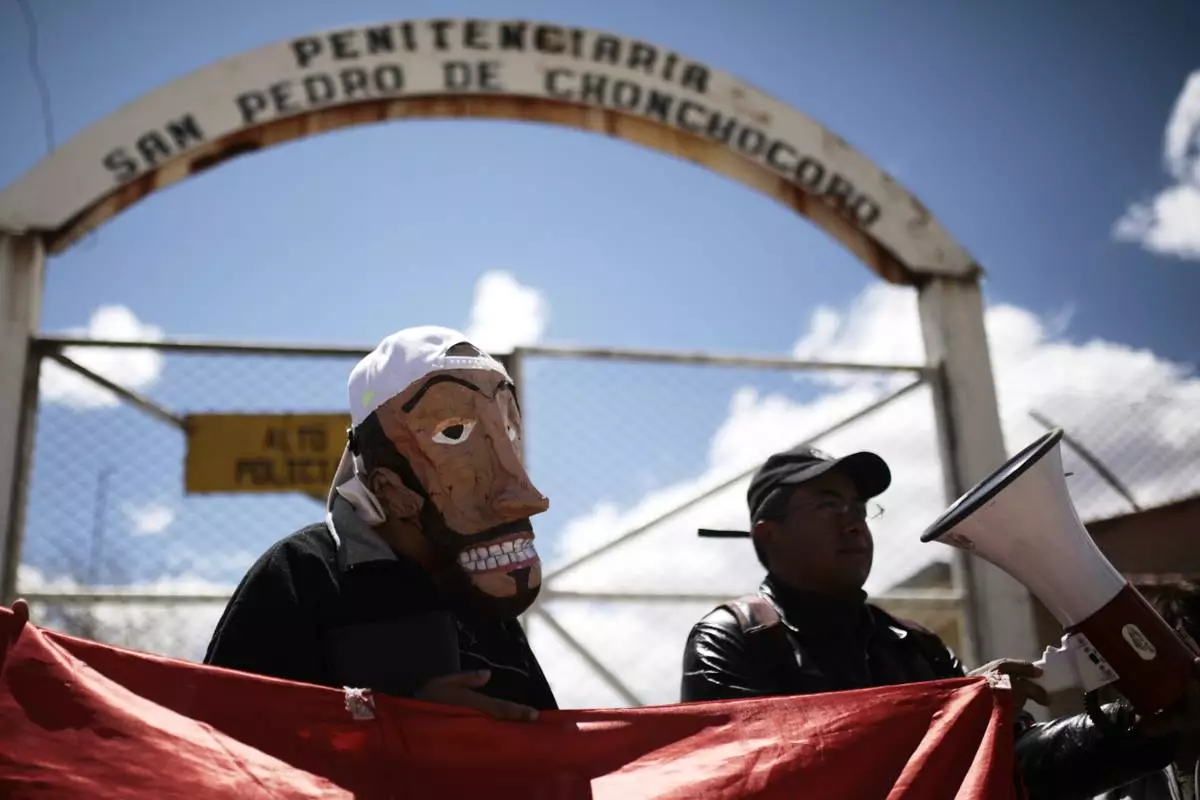
A supporter of opposition leader Luis Fernando Camacho wears a mask in his likeness outside the jail as he awaits the leader's release from jail who was allowed house arrest after almost three years in pretrial detention for his involvement in violent unrest that led to the 2019 ouster of then-President Evo Morales, in La Paz, Bolivia, Friday, Aug. 29, 2025. (AP Photo/Gaston Brito)
A supporter of opposition leader Luis Fernando Camacho wears a mask in his likeness outside the jail as he awaits the leader's release from jail who was allowed house arrest after almost three years in pretrial detention for his involvement in violent unrest that led to the 2019 ouster of then-President Evo Morales, in La Paz, Bolivia, Friday, Aug. 29, 2025. (AP Photo/Gaston Brito)
Opposition leader Luis Fernando Camacho, the suspended governor of Santa Cruz, holds up his department's flag as he is released from jail and allowed house arrest after almost three years in pretrial detention for his involvement in violent unrest that led to the 2019 ouster of then-President Evo Morales, in La Paz, Bolivia, Friday, Aug. 29, 2025. (AP Photo/Gaston Brito)
Opposition leader Luis Fernando Camacho, the suspended governor of Santa Cruz, holds up his department's flag as he is released from jail and allowed house arrest after almost three years in pretrial detention for his involvement in violent unrest that led to the 2019 ouster of then-President Evo Morales, in La Paz, Bolivia, Friday, Aug. 29, 2025. (AP Photo/Gaston Brito)
Opposition leader Luis Fernando Camacho, the suspended governor of Santa Cruz, wears a sash and flag of his department as he is released from jail and allowed house arrest after almost three years in pretrial detention for his involvement in violent unrest that led to the 2019 ouster of then-President Evo Morales, in La Paz, Bolivia, Friday, Aug. 29, 2025. (AP Photo/Gaston Brito)
Opposition leader Luis Fernando Camacho, the suspended governor of Santa Cruz, wears a sash and flag of his department as he is released from jail and allowed house arrest after almost three years in pretrial detention for his involvement in violent unrest that led to the 2019 ouster of then-President Evo Morales, in La Paz, Bolivia, Friday, Aug. 29, 2025. (AP Photo/Gaston Brito)
Opposition leader Luis Fernando Camacho, the suspended governor of Santa Cruz, holds up his fist and the Santa Cruz flag as he is released from jail and allowed house arrest after almost three years in pretrial detention for his involvement in violent unrest that led to the 2019 ouster of then-President Evo Morales, in La Paz, Bolivia, Friday, Aug. 29, 2025. (AP Photo/Gaston Brito)

Opposition leader Luis Fernando Camacho, the suspended governor of Santa Cruz, holds up his fist and the Santa Cruz flag as he is released from jail and allowed house arrest after almost three years in pretrial detention for his involvement in violent unrest that led to the 2019 ouster of then-President Evo Morales, in La Paz, Bolivia, Friday, Aug. 29, 2025. (AP Photo/Gaston Brito)

Opposition leader Luis Fernando Camacho, the suspended governor of Santa Cruz, holds up the Santa Cruz flag as he is released from jail and allowed house arrest after almost three years in pretrial detention for his involvement in violent unrest that led to the 2019 ouster of then-President Evo Morales, in La Paz, Bolivia, Friday, Aug. 29, 2025. (AP Photo/Gaston Brito)
Opposition leader Luis Fernando Camacho, the suspended governor of Santa Cruz, holds up the Santa Cruz flag as he is released from jail and allowed house arrest after almost three years in pretrial detention for his involvement in violent unrest that led to the 2019 ouster of then-President Evo Morales, in La Paz, Bolivia, Friday, Aug. 29, 2025. (AP Photo/Gaston Brito)

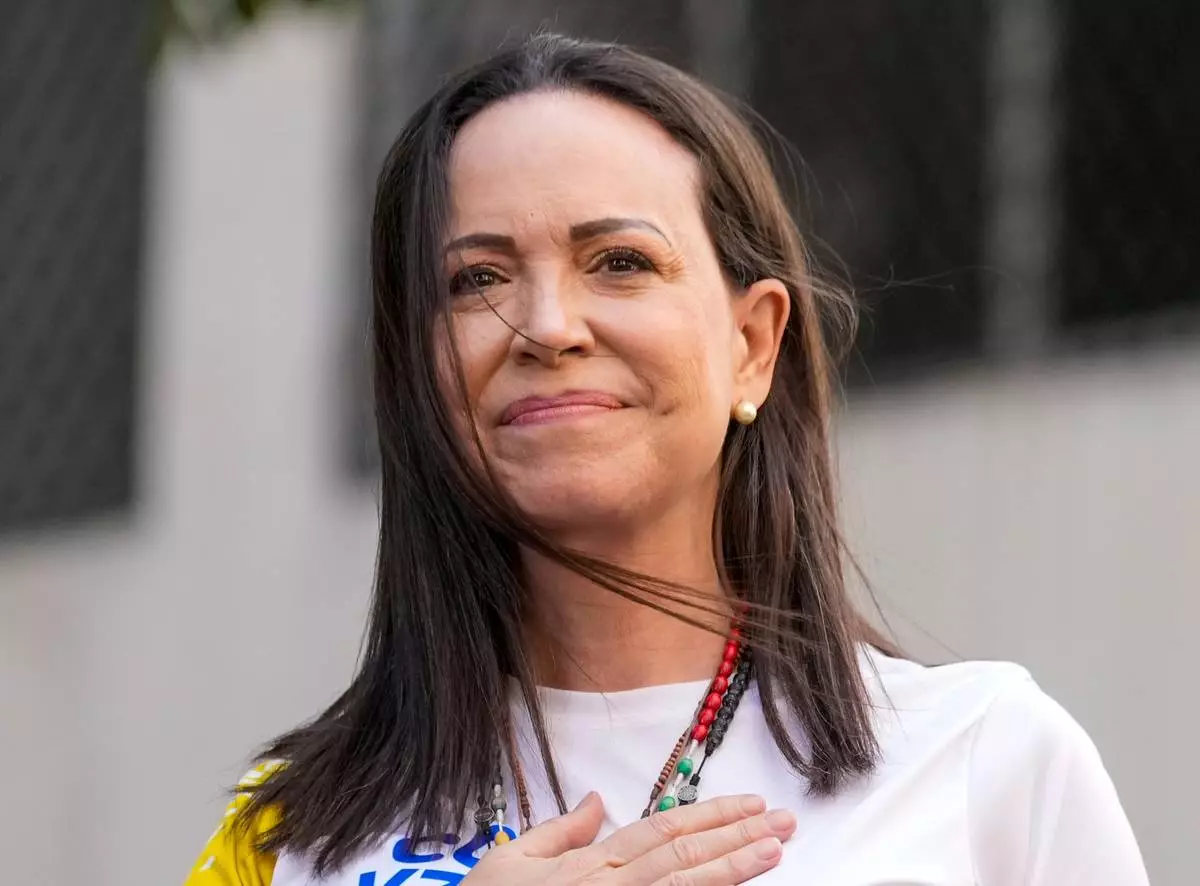
WASHINGTON (AP) — Venezuelan opposition leader María Corina Machado was at the White House on Thursday discussing her country's future with President Donald Trump even after he publicly dismissed her credibility to take over after an audacious U.S. military raid captured then-President Nicolás Maduro.

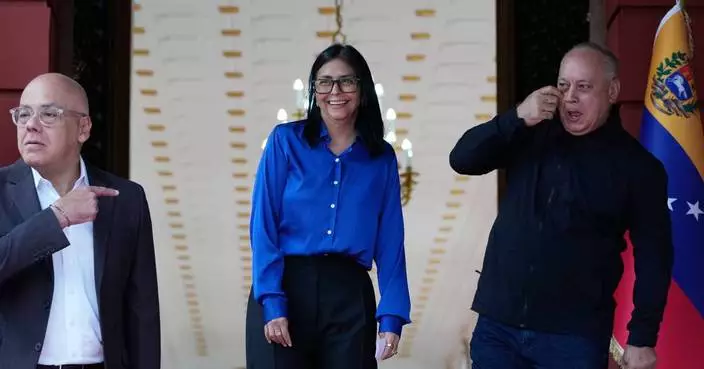
Trump has raised doubts about his stated commitment to backing democratic rule in Venezuela. His administration has signaled its willingness to work with acting President Delcy Rodríguez, who was Maduro’s vice president and, along with others in the deposed leader’s inner circle, remains in charge of day-to-day governmental operations.

In endorsing Rodríguez so far, Trump has sidelined Machado, who has long been a face of resistance in Venezuela and sought to cultivate relationships with Trump and key administration voices like Secretary of State Marco Rubio among the American right wing in a gamble to ally herself with the U.S. government.

White House press secretary Karoline Leavitt said Trump was expecting a positive discussion during the lunchtime meeting and called Machado “a remarkable and brave voice” for the people of Venezuela.

The White House said Machado sought the face-to-face meeting without setting expectations for what would occur. Her party is widely believed to have won 2024 elections rejected by Maduro. Machado previously offered to share with Trump the Nobel Peace Prize she won last year, an honor he has coveted.

Leavitt said Trump is committed to seeing Venezuela hold elections “one day,” but wouldn’t say when that might happen.

Machado plans to have a meeting at the Senate later Thursday. Trump has called her “a nice woman” while indicating they might not touch on major issues in their talks Thursday.

Her Washington swing began after U.S. forces in the Caribbean Sea seized another sanctioned oil tanker that the Trump administration says had ties to Venezuela. It is part of a broader U.S. effort to take control of the South American country’s oil after U.S. forces seized Maduro and his wife at a heavily guarded compound in the Venezuelan capital of Caracas and brought them to New York to stand trial on drug trafficking charges.

The White House says Venezuela has been fully cooperating with the Trump administration since Maduro’s ouster.

Rodríguez, the acting president, herself has adopted a less strident position toward Trump and his “America First” policies toward the Western Hemisphere, saying she plans to continue releasing prisoners detained under Maduro — a move thought to have been made at the behest of the Trump administration. Venezuela released several Americans this week.

Trump, a Republican, said Wednesday that he had a “great conversation” with Rodríguez, their first since Maduro was ousted.

“We had a call, a long call. We discussed a lot of things,” Trump said during an Oval Office bill signing. “And I think we’re getting along very well with Venezuela.”

Even before indicating the willingness to work with Venezuela's interim government, Trump was quick to snub Machado. Just hours after Maduro's capture, Trump said of Machado that “it would be very tough for her to be the leader. She doesn’t have the support within or the respect within the country.”

Machado has steered a careful course to avoid offending Trump, notably after winning last year’s Nobel Peace Prize, which Trump wanted to win himself. She has since thanked Trump. Her offer to share the peace prize with him was rejected by the Nobel Institute.

Machado’s whereabouts have been largely unknown since she went into hiding early last year after being briefly detained in Caracas. She briefly reappeared in Oslo, Norway, in December after her daughter received the Nobel Peace Prize on her behalf.

The industrial engineer and daughter of a steel magnate began challenging the ruling party in 2004, when the nongovernmental organization she co-founded, Súmate, promoted a referendum to recall then-President Hugo Chávez. The initiative failed, and Machado and other Súmate executives were charged with conspiracy.

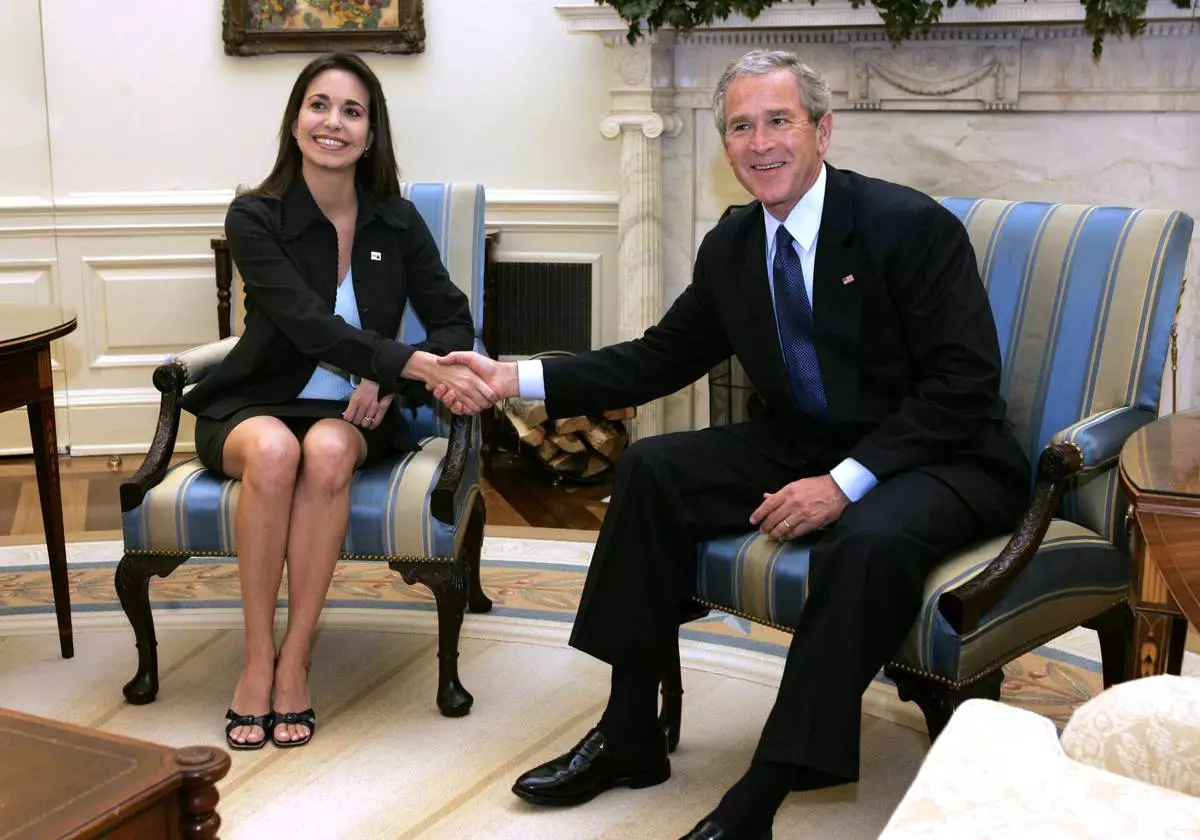
A year later, she drew the anger of Chávez and his allies again for traveling to Washington to meet President George W. Bush. A photo showing her shaking hands with Bush in the Oval Office lives in the collective memory. Chávez considered Bush an adversary.

Almost two decades later, she marshaled millions of Venezuelans to reject Chávez’s successor, Maduro, for another term in the 2024 election. But ruling party-loyal electoral authorities declared him the winner despite ample credible evidence to the contrary. Ensuing anti-government protests ended in a brutal crackdown by state security forces.

Garcia Cano reported from Caracas, Venezuela, and Janetsky from Mexico City. AP Diplomatic Writer Matthew Lee in Washington contributed to this report.

FILE - U.S. President George Bush, right, meets with Maria Corina Machado, executive director of Sumate, a non-governmental organization that defends Venezuelan citizens' political rights, in the Oval Office of the White House, Washington, May 31, 2005. (AP Photo/Charles Dharapak, File)

FILE - U.S. President George Bush, right, meets with Maria Corina Machado, executive director of Sumate, a non-governmental organization that defends Venezuelan citizens' political rights, in the Oval Office of the White House, Washington, May 31, 2005. (AP Photo/Charles Dharapak, File)

FILE - Opposition leader Maria Corina Machado gestures to supporters during a protest against President Nicolas Maduro the day before his inauguration for a third term, in Caracas, Venezuela, Thursday, Jan. 9, 2025. (AP Photo/Ariana Cubillos, file)

FILE - Opposition leader Maria Corina Machado gestures to supporters during a protest against President Nicolas Maduro the day before his inauguration for a third term, in Caracas, Venezuela, Thursday, Jan. 9, 2025. (AP Photo/Ariana Cubillos, file)

Recommended Articles