Skip to Content Facebook Feature Image

Trump's envoys are ticking off other countries. The White House isn't doing much about it

News

Trump's envoys are ticking off other countries. The White House isn't doing much about it
News

News

Trump's envoys are ticking off other countries. The White House isn't doing much about it

2025-08-30 12:00 Last Updated At:12:11

LONDON (AP) — Do not antagonize one's opponents unnecessarily, a basic principle of diplomacy says. But as the United States faces a trade war with China and various tensions overseas, President Donald Trump's emissaries are increasingly ticking off allied countries and being called to account.

Just this week, no fewer than three U.S. envoys scrambled to extricate themselves from diplomatic hot water.

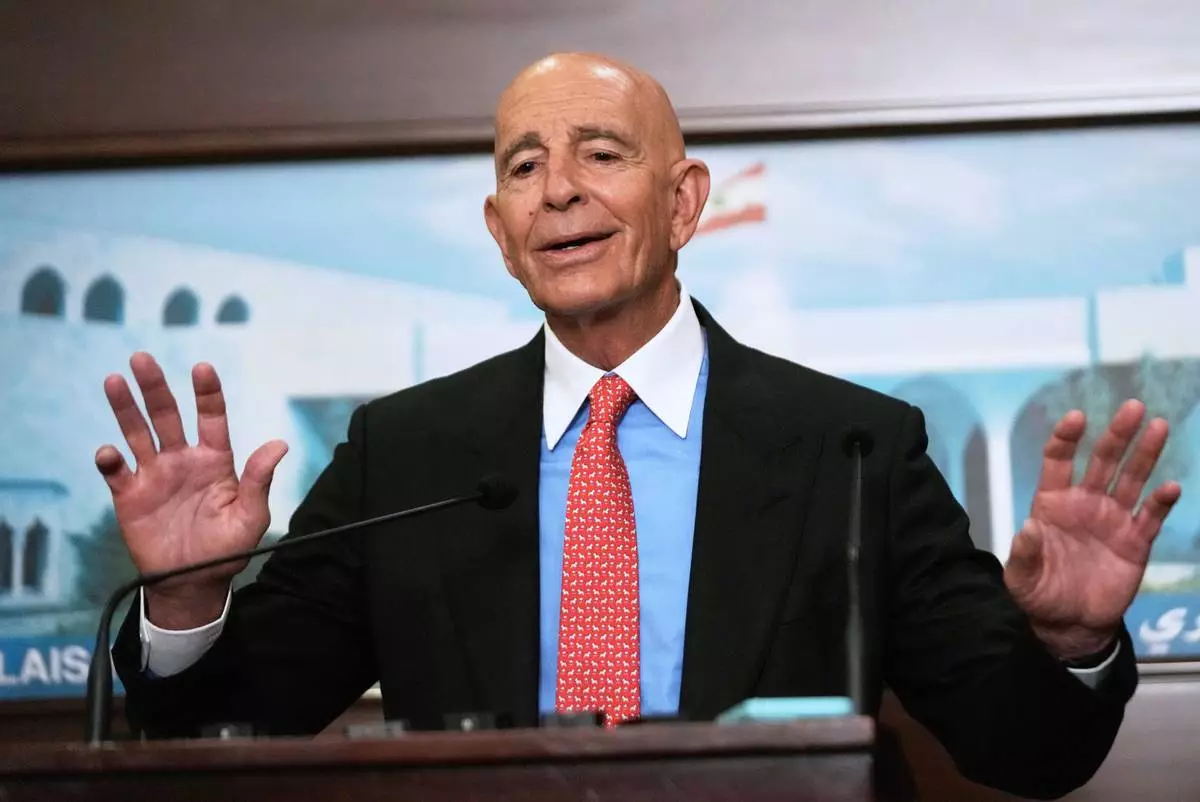
Denmark’s foreign minister summoned the top U.S. diplomat in the country to answer for reports that at least three people with connections to Trump have been carrying out covert influence operations in Greenland, a Danish territory. France summoned the U.S. ambassador, Trump in-law Charles Kushner, over his letter to President Emmanuel Macron alleging the country has not done enough to fight antisemitism. And the American ambassador to Turkey, longtime Trump friend Tom Barrack, apologized Thursday for using the word “animalistic” while calling for a gaggle of reporters to quiet down during a press conference in Lebanon.

But in the other two cases, the Trump administration stood pat. Kushner did not show up for his summonsing, leaving the French to take it up with his No. 2. The top diplomat in Denmark did attend his meeting in Copenhagen, and the State Department said a “productive conversation” ensued. But behind the scenes in Washington, the Trump administration — through an official who spoke only on condition of anonymity — had a far more casual response.

“The Danes," the official said, “need to calm down.”

There was much tsk-tsking from the diplomatic world over the indelicate exchanges, which would perhaps have been minor on their own.

But they're consistent with Trump's blunt-spoken style, his “America First” approach to foreign policy and his attitude toward reporters — all of which appeal to broad swaths of his political base. And they track with the president's record of upending norms. Indeed, the State Department has offered little in response, except to say that it supports Kushner's letter to Macron and that the government “does not control or direct” the actions of private citizens in Greenland.

White House spokeswoman Anna Kelly dismissed the notion that the recent diplomatic kerfuffles have undercut Trump’s global standing or dimmed his trust in his envoys.

“President Trump has restored America’s standing on the world stage, and his foreign policy accomplishments speak for themselves," Kelly said, citing Trump's trade deals, his strike on Iran 's nuclear facilities and the freeing of Americans detained in other countries as examples. “He has full confidence in his entire team to advance his America First foreign policy agenda.”

The trifecta of ire against American diplomats in recent days was only the latest against Trump's overseas appointees, several of whom raised eyebrows during the president's first term. That's in part due to the particularly American practice — in both parties — of handing coveted postings to campaign donors and presidential friends regardless of their diplomatic experience.

Trump's diplomats have something of a track record of annoying foreign governments. During his first term, numerous U.S. ambassadors from Iceland to Germany and South Africa as well as the European Union got under the skin of their host governments, prompting summonses if not private complaints.

One former senior State Department official said Trump loved the publicity these incidents received and often sent the ambassadors in question congratulatory notes when their actions produced news coverage.

The main exception to that was Gordon Sondland, the ambassador to the EU whom Trump fired just days after Sondland testified on Capitol Hill during Trump’s first impeachment proceedings over Ukraine.

The hearings touched on another messy diplomatic matter — Trump's ousting of his ambassador to Ukraine, Marie Yovanovitch, who testified that she felt pressured to issue statements of support for Trump. “The woman,” Trump said during a phone call with President Volodymyr Zelenskyy, “she’s going to go through some things.”

Still, the recent dustups were striking for their risk of amplifying tensions among Western allies as the U.S. and China vie for economic superiority and talk of a meetup between their leaders as soon as this fall.

“The Trump administration stresses, I think rightly, that the U.S.-China rivalry is now the major axis around which international affairs turn,” Iver B. Neumann, director of the Fridtjof Nansen Institute, an independent think tank in Norway, wrote in an email. “One of the major assets of the U.S. in that rivalry is that it has a high number of allies, whereas China only has one (North Korea). Present U.S. policy alienates allies on purpose, which risks losing them.”

It started with Macron’s decision to recognize a Palestinian state, which angered Israel and the U.S. because it revived the prospect of a two-state solution to the seemingly endless conflict.

Kushner's response, published Sunday by The Wall Street Journal, alleged that such “public statements haranguing Israel and gestures toward recognition of a Palestinian state embolden extremists, fuel violence and endanger Jewish life in France.” Kushner urged Macron, among other things, to "abandon steps that give legitimacy to Hamas and its allies.”

France's Foreign Ministry said it “firmly refutes” Kushner's allegation and declared that it fell “short of the quality of the transatlantic relationship between France and the United States and the trust that should result from it between allies."

(Trump has said several times and in several contexts, “I don't trust anybody,” including Israeli Prime Minister Benjamin Netanyahu.)

The ministry summoned the U.S. ambassador on Monday, a formal and public notice of displeasure. He did not show, so French officials met with the embassy’s No. 2 instead. Kushner, a real-estate developer, is the father of Trump’s son-in-law Jared Kushner.

Trump has been relatively quiet recently about his desire to acquire Greenland, the Danish territory in the Arctic, for security purposes. In March, Greenland voted to decide its own future as it moves toward independence from Denmark.

But Trump's hint that he could invade the massive island stands. So when Denmark's main broadcaster reported Wednesday that at least three people with connections to Trump had been carrying out covert influence operations in Greenland, Denmark's Foreign Ministry summoned the top U.S. diplomat in the country, Mark Stroh, a career member of the foreign service, for an explanation.

The State Department said "the U.S. government does not control or direct the actions of private citizens," values its relationship with Denmark and "respects the right of Greenlanders to determine their own future.”

Yun Sun, director of the China Program at the nonprofit Stimson Center in Washington, said Trump’s envoys are unlikely to be reprimanded or change their agendas. But the incidents might serve as a warning “to watch what they are saying and doing more carefully.”

“The ball is in other countries’ court to decide whether they are willing to jeopardize the diplomatic relations with (the) U.S. further,” Sun wrote in an email. Doing so would “have significant repercussions over much more critical domains.”

Associated Press writers Matthew Lee, Aamer Madhani and Amelia Thomson DeVeaux contributed to this story from Washington.
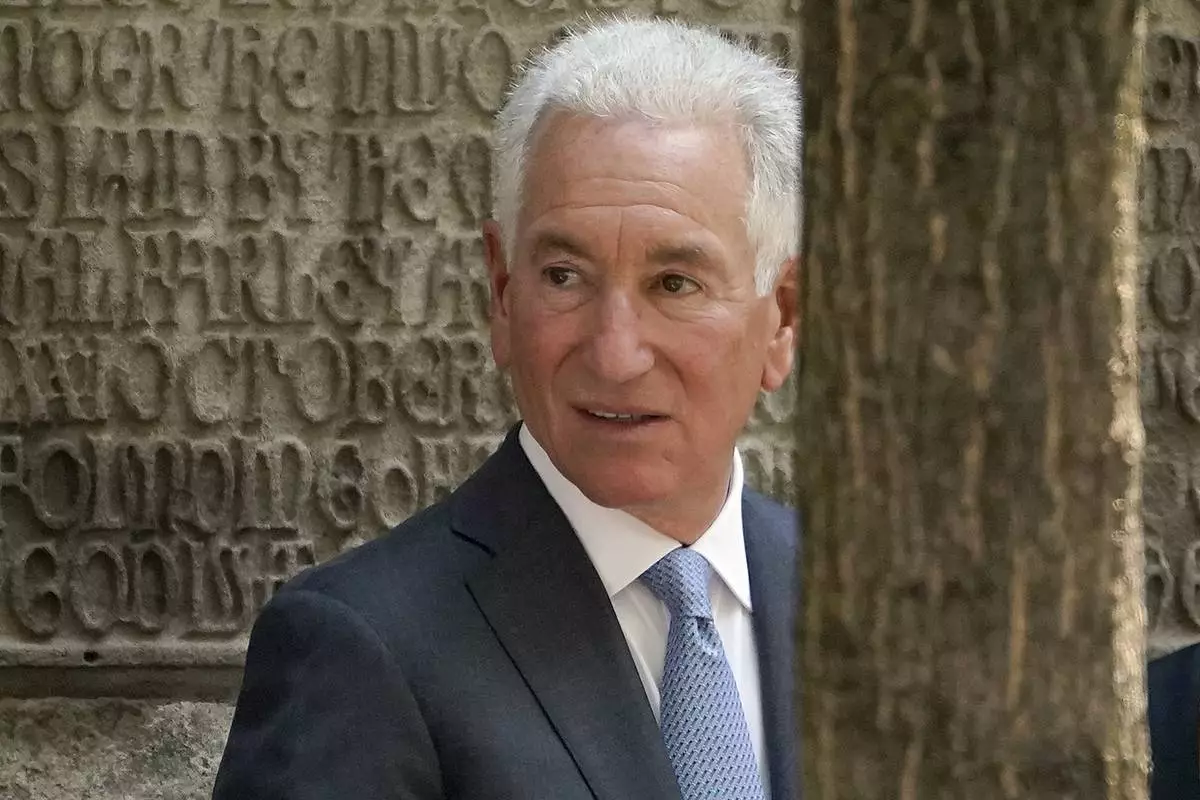
FILE - Charles Kushner arrives for the funeral of Ivana Trump, July 20, 2022, in New York. (AP Photo/John Minchillo, File)
FILE - Charles Kushner arrives for the funeral of Ivana Trump, July 20, 2022, in New York. (AP Photo/John Minchillo, File)

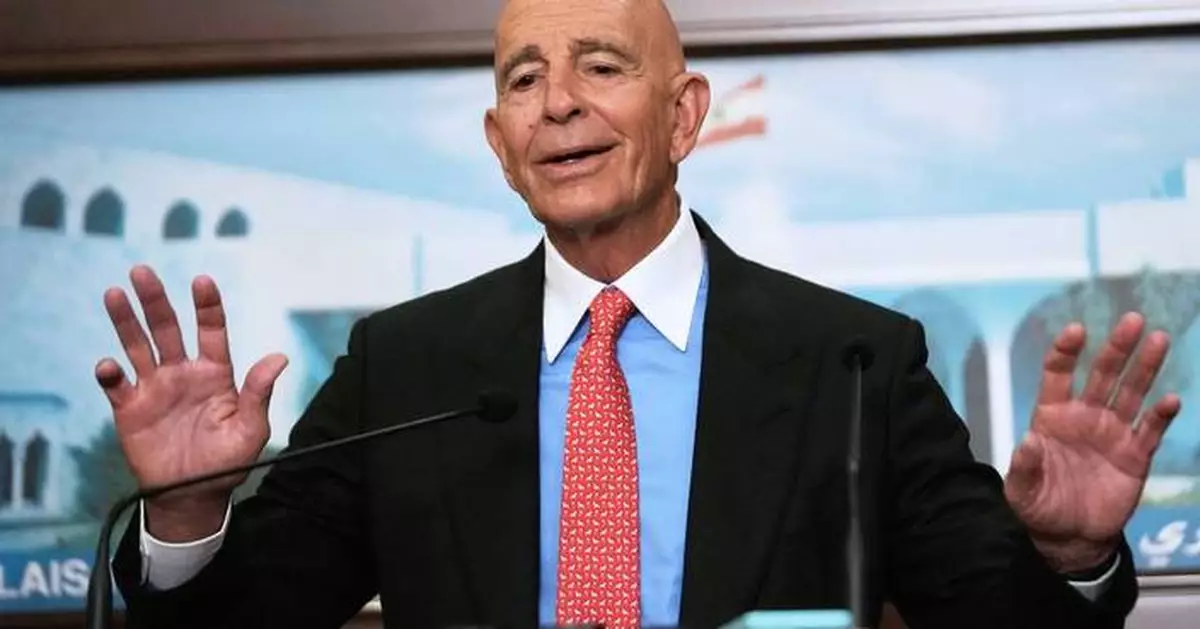
FILE - U.S. Ambassador to Turkey and Special Envoy to Syria Tom Barrack speaks during a press conference after he and other U.S. senators met with the Lebanese President Joseph Aoun, at the presidential palace in Baabda, east of Beirut, Lebanon, Aug. 26, 2025. (AP Photo/Hussein Malla, File)
FILE - U.S. Ambassador to Turkey and Special Envoy to Syria Tom Barrack speaks during a press conference after he and other U.S. senators met with the Lebanese President Joseph Aoun, at the presidential palace in Baabda, east of Beirut, Lebanon, Aug. 26, 2025. (AP Photo/Hussein Malla, File)
MINNEAPOLIS (AP) — President Donald Trump on Thursday threatened to invoke an 1807 law and deploy troops to quell persistent protests against the federal officers sent to Minneapolis to enforce his administration's massive immigration crackdown.

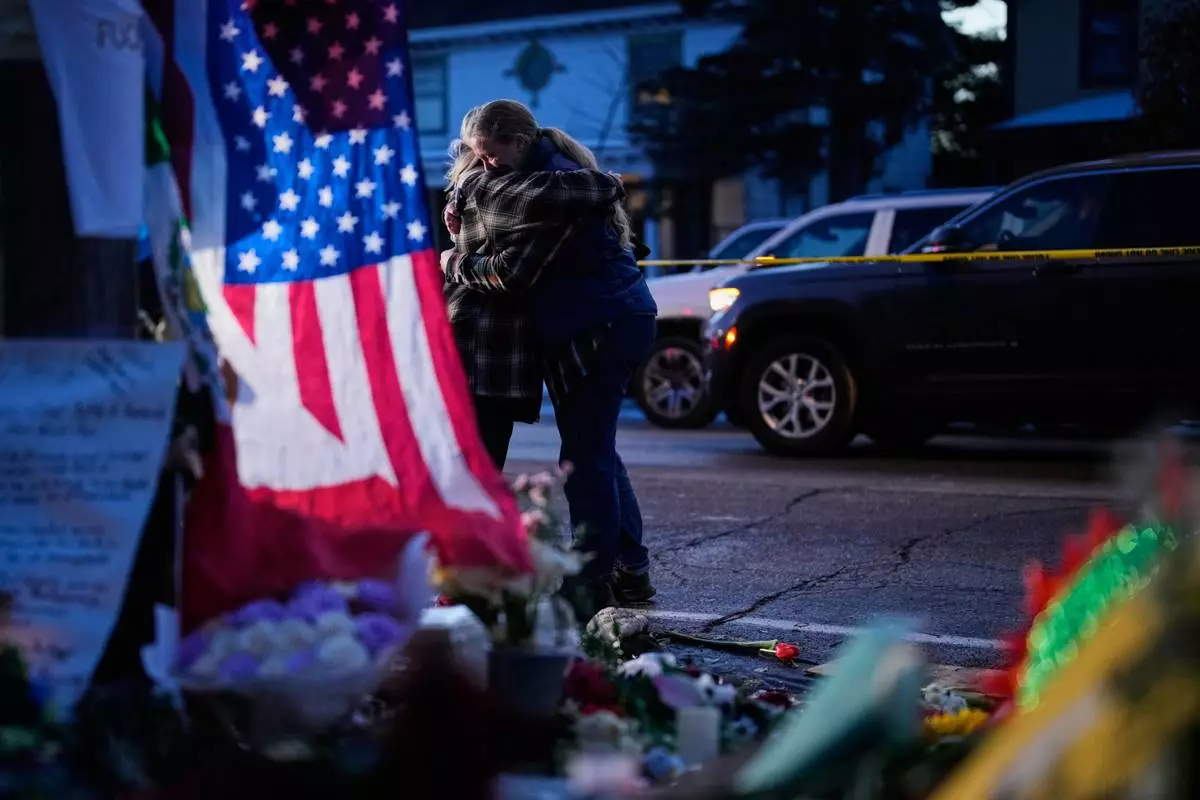
The threat comes a day after a man was shot and wounded by an immigration officer who had been attacked with a shovel and broom handle. That shooting further heightened the fear and anger that has radiated across the city since an Immigration and Customs Enforcement agent fatally shot Renee Good in the head.

Trump has repeatedly threatened to invoke the Insurrection Act, a rarely used federal law, to deploy the U.S. military or federalize the National Guard for domestic law enforcement, over the objections of state governors.

“If the corrupt politicians of Minnesota don’t obey the law and stop the professional agitators and insurrectionists from attacking the Patriots of I.C.E., who are only trying to do their job, I will institute the INSURRECTION ACT, which many Presidents have done before me, and quickly put an end to the travesty that is taking place in that once great State,” Trump said in social media post.

Presidents have invoked the law more than two dozen times, most recently in 1992 by President George H.W. Bush to end unrest in Los Angeles. In that instance, local authorities had asked for the assistance.

Trump has repeatedly toyed with the idea of invoking the Insurrection Act, starting in his first term, but hasn't followed through. In 2020, for example, he threatened to use the act to quell protests after George Floyd was killed by Minneapolis police.

“I’m making a direct appeal to the President: Let’s turn the temperature down. Stop this campaign of retribution. This is not who we are,” Gov. Tim Walz, a Democrat, said on X.

Minnesota Attorney General Keith Ellison said he would challenge any such action in court. He's already suing to try to stop the surge by the Department of Homeland Security, which says officers have arrested more than 2,500 people since Nov. 29 as part of an immigration operation in the Twin Cities called Metro Surge.

The operation grew when ICE sent 2,000 officers and agents to the area early in January. ICE is a DHS agency.

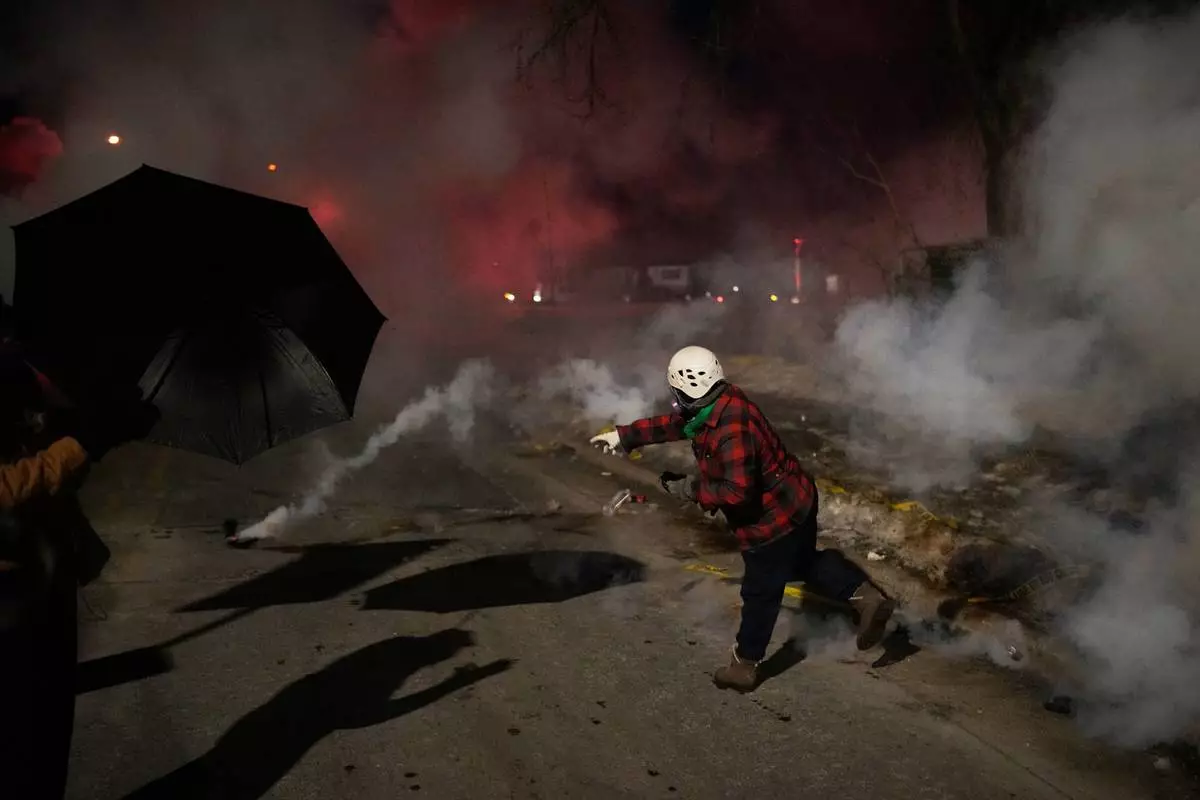
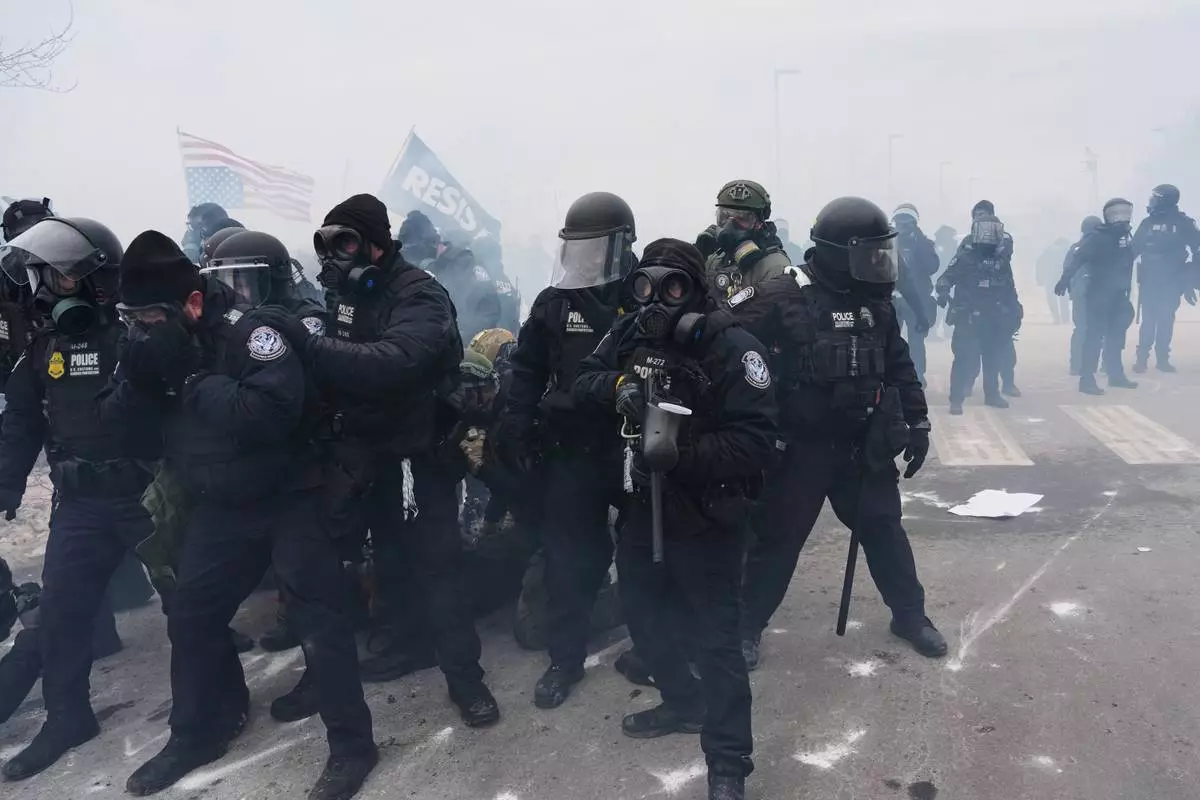
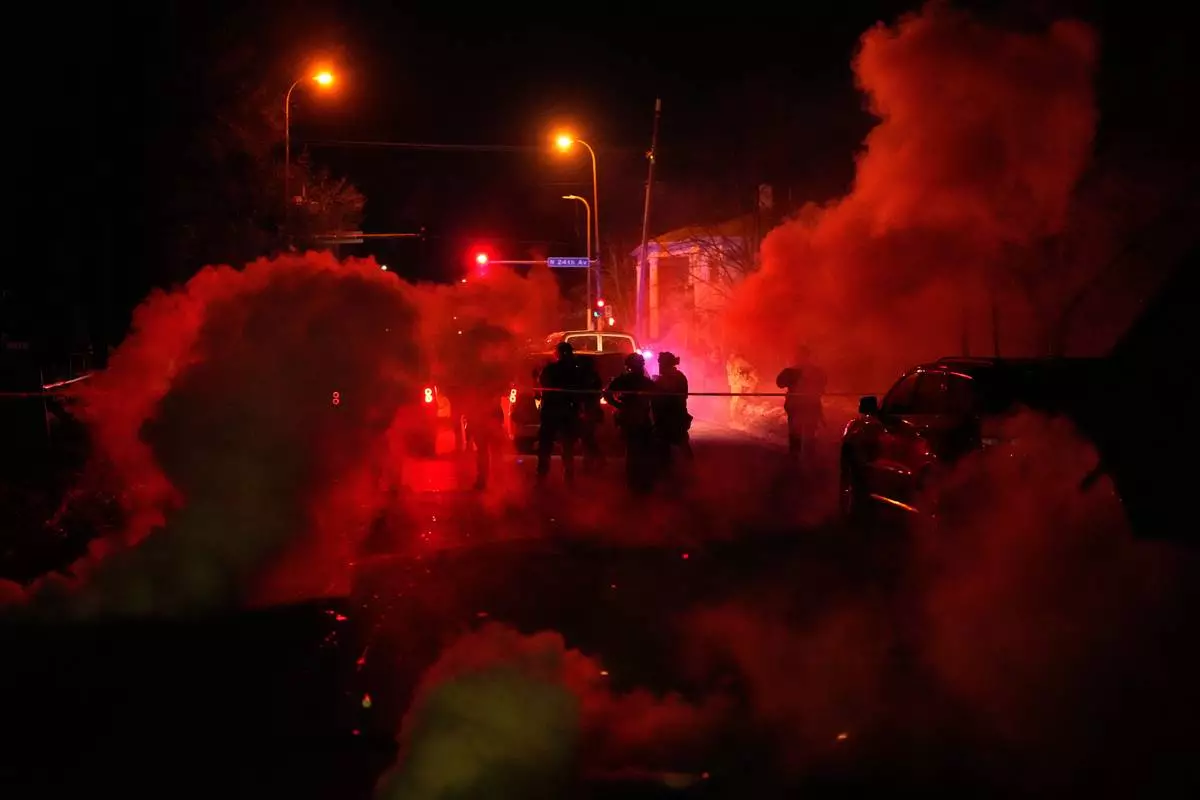
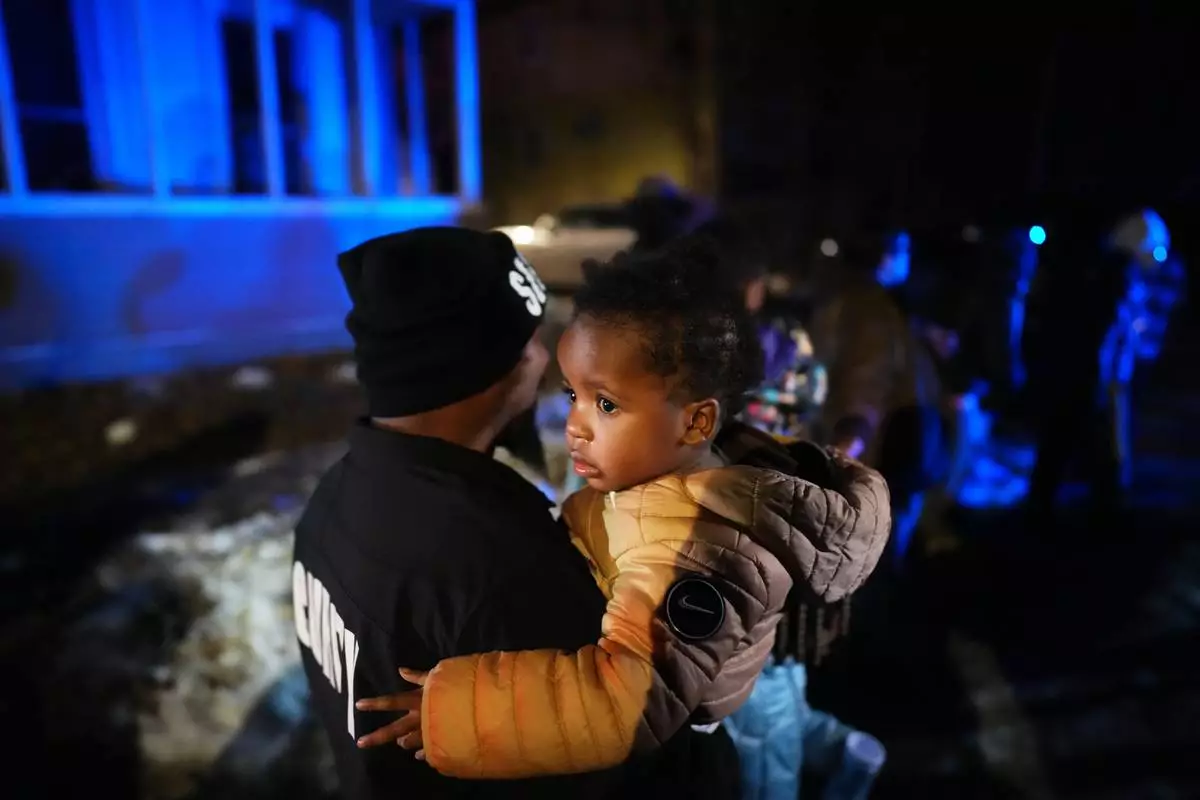
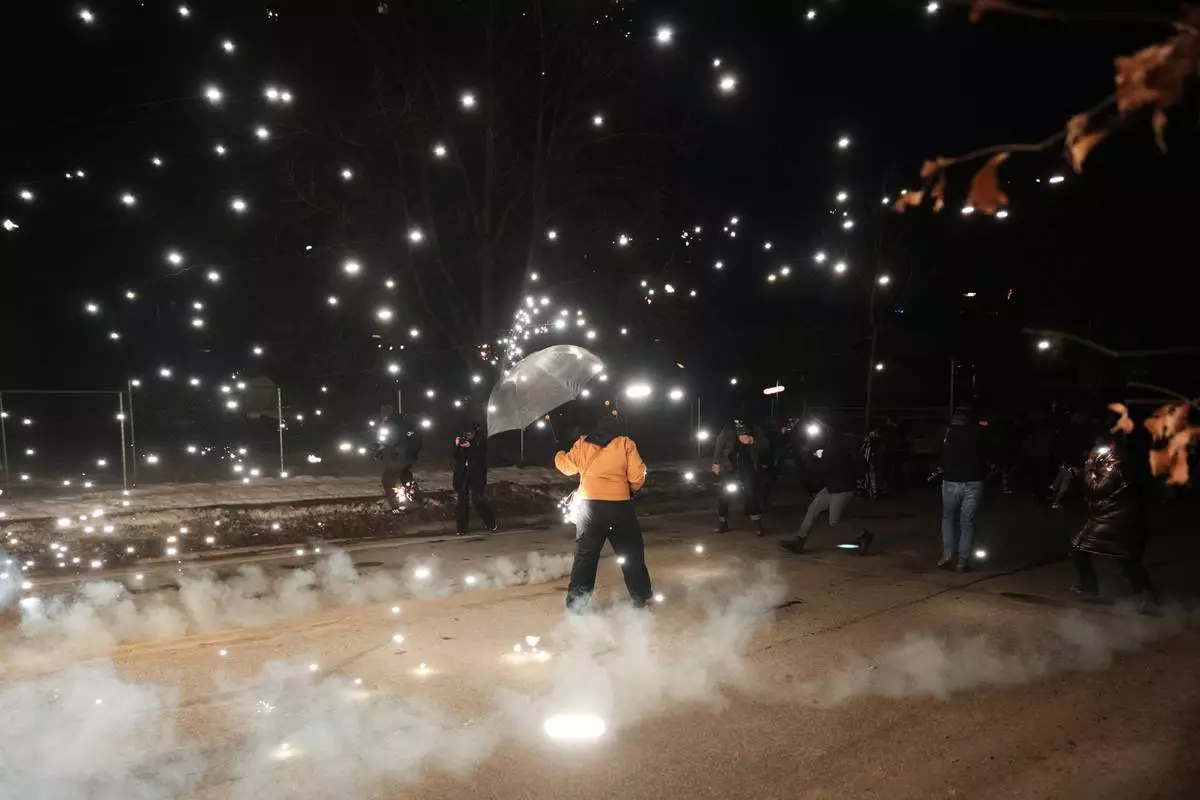
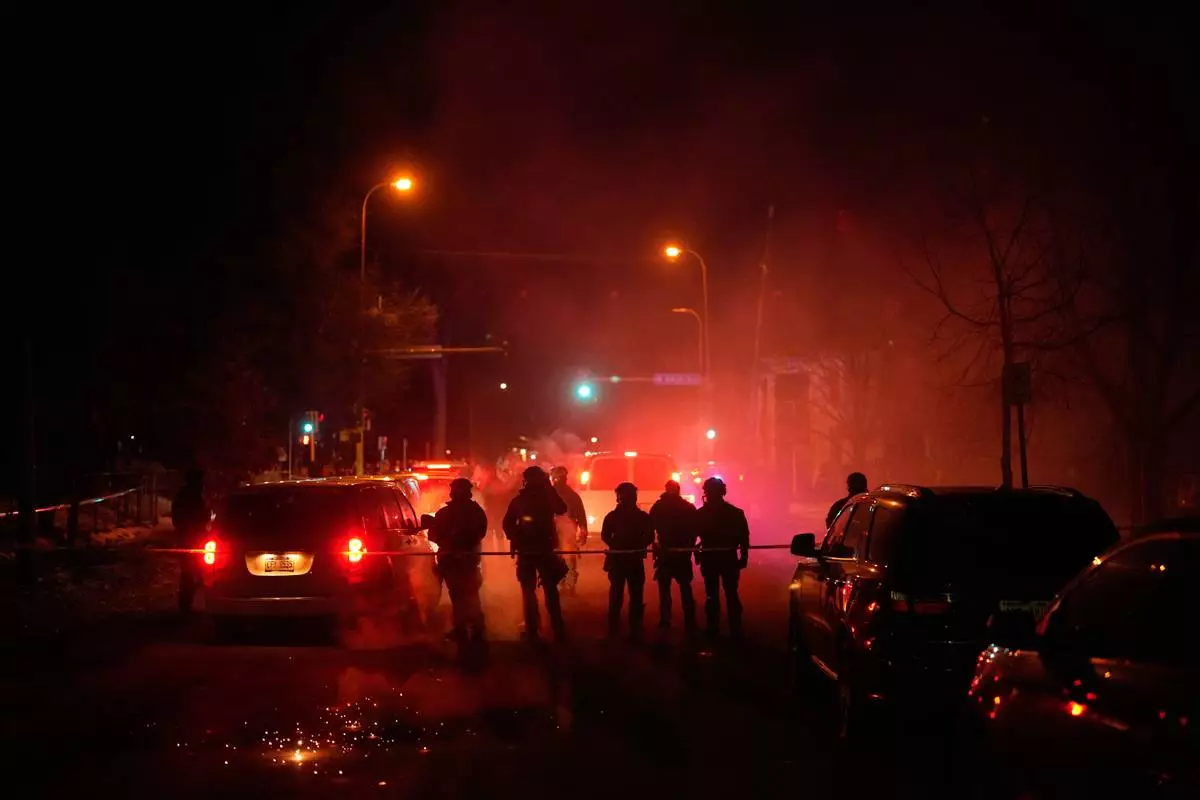
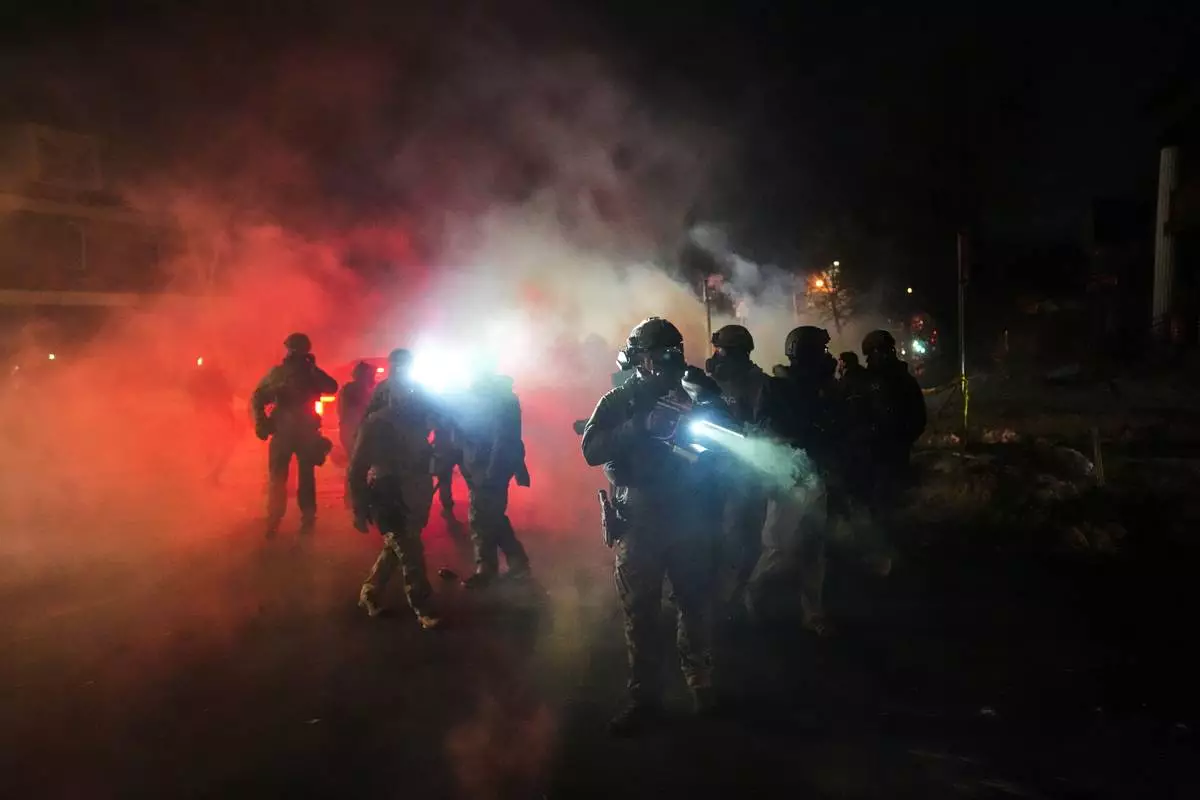
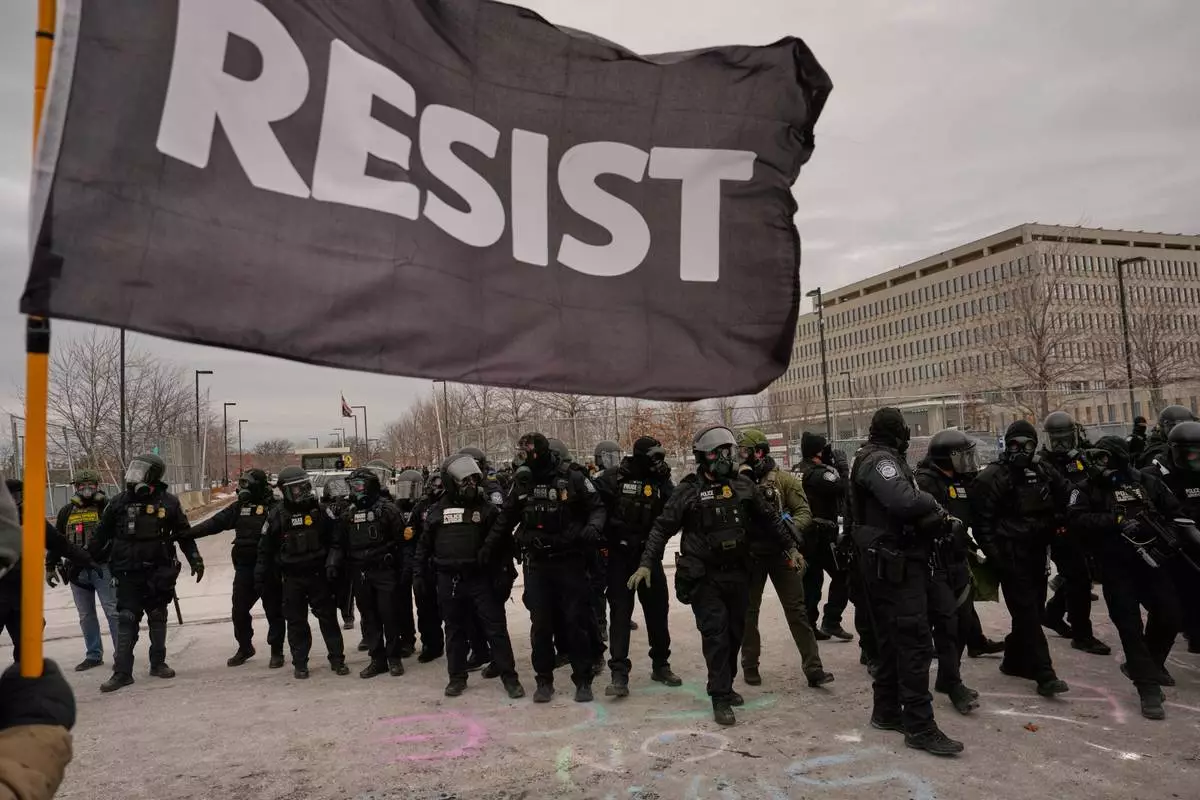
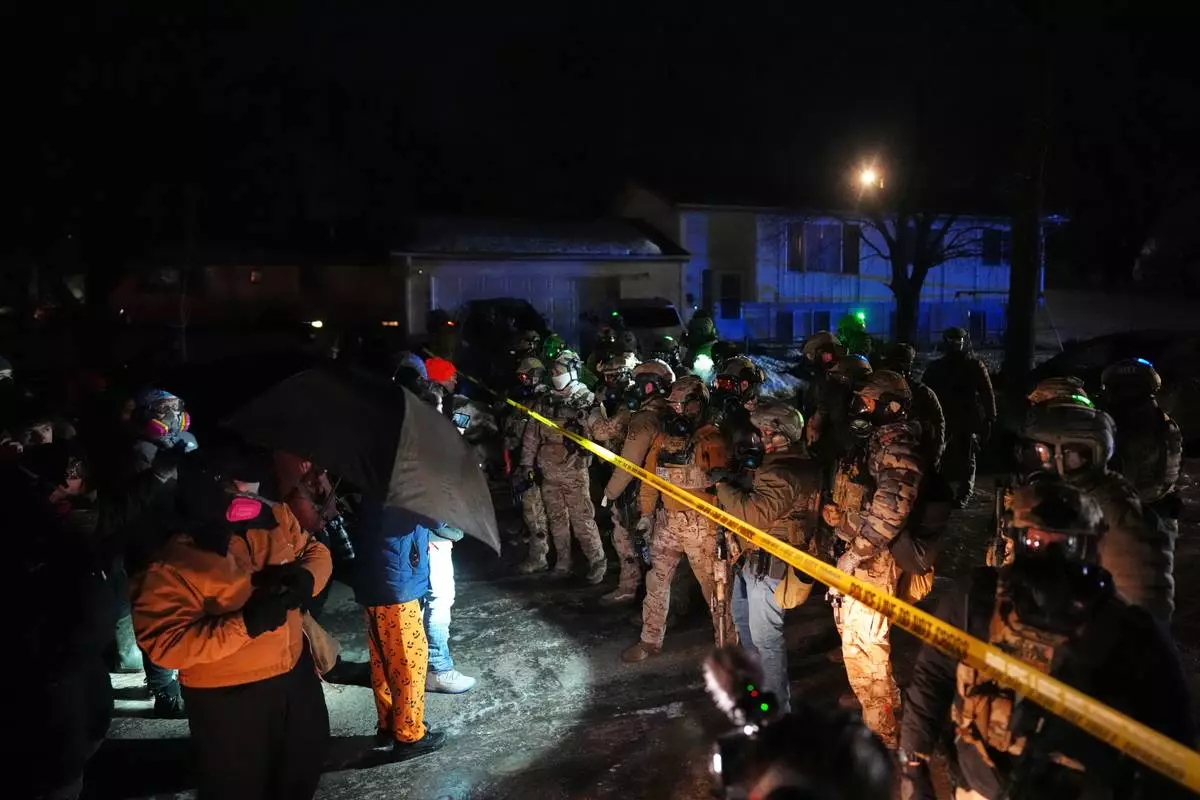
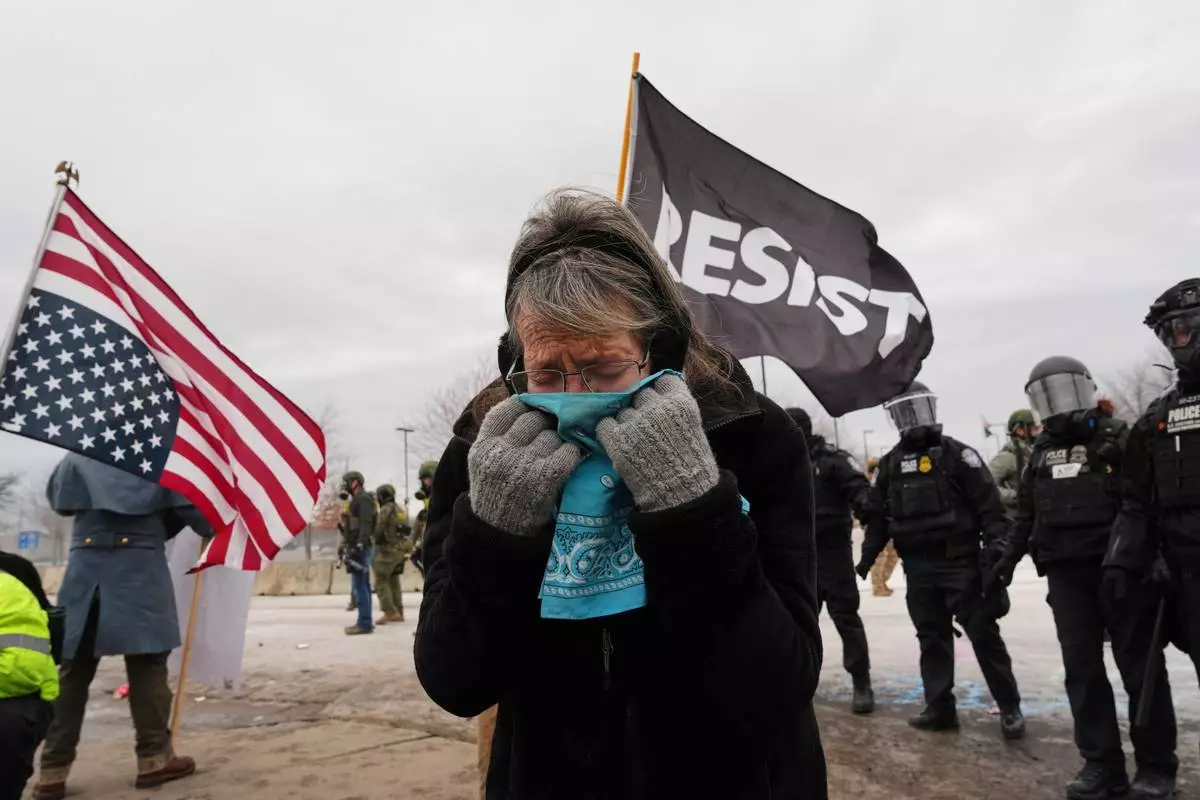
In Minneapolis, smoke filled the streets Wednesday night near the site of the latest shooting as federal officers wearing gas masks and helmets fired tear gas into a small crowd. Protesters responded by throwing rocks and shooting fireworks.

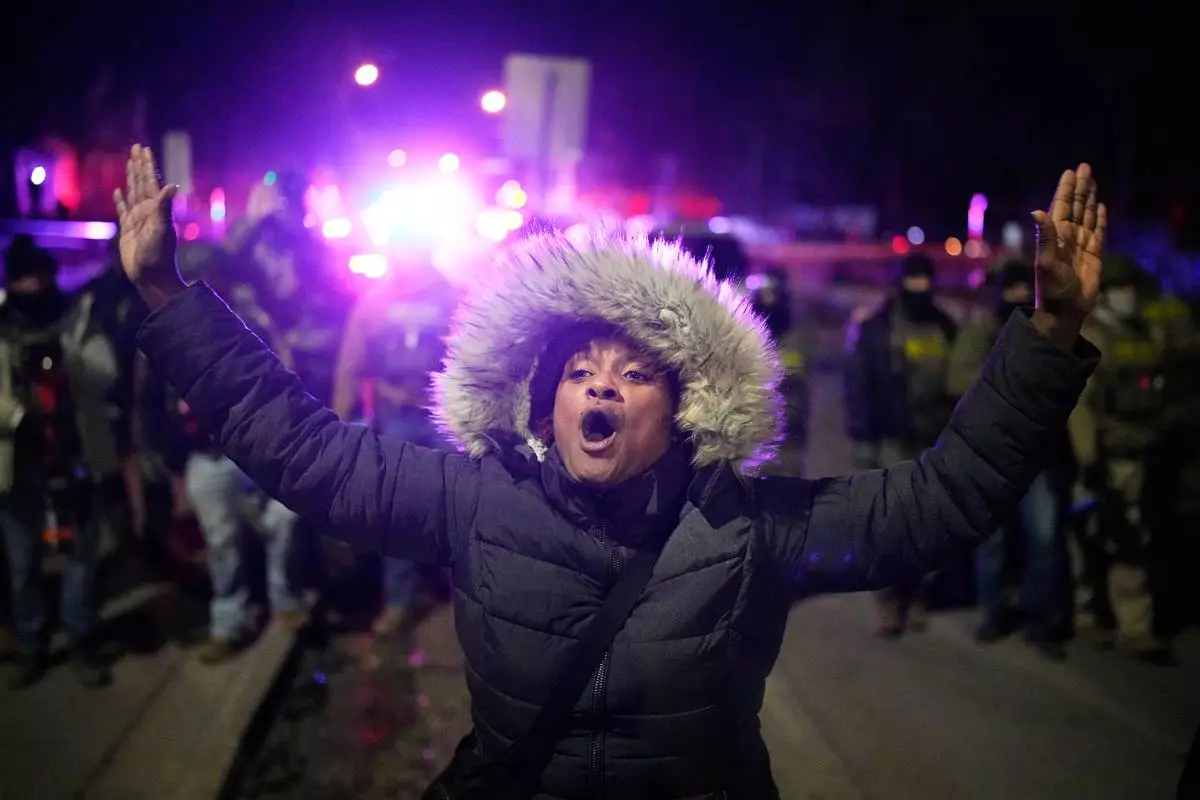
Demonstrations have become common in Minneapolis since Good was fatally shot on Jan. 7. Agents who have yanked people from their cars and homes have been confronted by angry bystanders demanding they leave.

“This is an impossible situation that our city is presently being put in and at the same time we are trying to find a way forward to keep people safe,” Minneapolis Mayor Jacob Frey said.

The American Civil Liberties Union of Minnesota filed a class-action lawsuit on behalf of three people who said they were questioned or detained in recent days. The lawsuit says two are Somali and one is Hispanic; all three are U.S. citizens. The lawsuit seeks an end to what the ACLU describes as a practice of racial profiling and warrantless arrests. The government did not immediately comment.

Similar lawsuits have been filed in Los Angeles and Chicago and despite seeing initial success, have tended to fizzle in the face of appeal. In Chicago, for example, last year a judge ordered a senior U.S. Border Patrol official to brief her nightly following a lawsuit by news outlets and protesters who said agents used too much force during demonstrations. But three days later, an appeals court stopped the updates.

Homeland Security said in a statement that federal law enforcement officers on Wednesday stopped a driver from Venezuela who is in the U.S. illegally. The person drove off then crashed into a parked car before fleeing on foot, DHS said.

Officers caught up, then two other people arrived and the three started attacking the officer, according to DHS.

“Fearing for his life and safety as he was being ambushed by three individuals, the officer fired a defensive shot to defend his life,” DHS said. The confrontation took place about 4.5 miles (7.2 kilometers) from where Good was killed.

Police chief Brian O’Hara said the man who was shot did not have a life-threatening injury. O’Hara's account of what happened largely echoed that of Homeland Security, which later said the other two men were also in the U.S. illegally from Venezuela.

The FBI said several government vehicles were damaged and property inside was stolen when agents responded to the shooting. Photos show broken windows and insults made with paint. A reward of up to $100,000 is being offered for information. The FBI’s Minneapolis office did not immediately reply to messages seeking more details.

St. Paul Public Schools, with more than 30,000 students, said it would begin offering an online learning option for students who do not feel comfortable coming to school. Schools will be closed next week until Thursday to prepare for those accommodations.

Minneapolis Public Schools, which has a similar enrollment, is also offering temporary remote learning. The University of Minnesota will start a new term next week with different options depending on the class.

Madhani reported from Washington, D.C. and Golden reported from Seattle. Associated Press reporters Sophia Tareen in Chicago; Bill Barrow in Atlanta; Rebecca Santana in Washington; and Ed White in Detroit contributed.

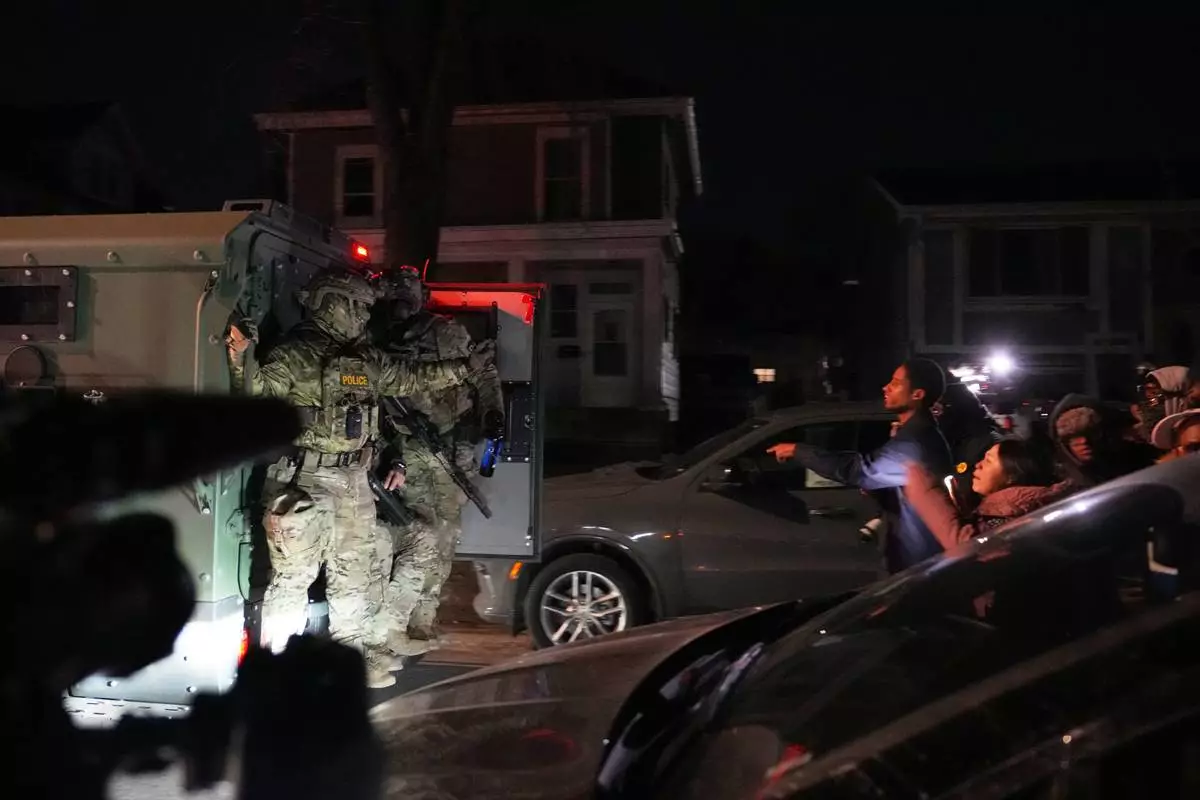
Federal immigration officers confront protesters outside Bishop Henry Whipple Federal Building, Thursday, Jan. 15, 2026, in Minneapolis. (AP Photo/John Locher)

Federal immigration officers confront protesters outside Bishop Henry Whipple Federal Building, Thursday, Jan. 15, 2026, in Minneapolis. (AP Photo/John Locher)

Law enforcement officers at the scene of a reported shooting Wednesday, Jan. 14, 2026, in Minneapolis. (AP Photo/Adam Gray)

Law enforcement officers at the scene of a reported shooting Wednesday, Jan. 14, 2026, in Minneapolis. (AP Photo/Adam Gray)

A woman covers her face from tear gas as federal immigration officers confront protesters outside Bishop Henry Whipple Federal Building, Thursday, Jan. 15, 2026, in Minneapolis. (AP Photo/Adam Gray)

A woman covers her face from tear gas as federal immigration officers confront protesters outside Bishop Henry Whipple Federal Building, Thursday, Jan. 15, 2026, in Minneapolis. (AP Photo/Adam Gray)

A protester throws back a tear gas canister during a protest after a shooting on Wednesday, Jan. 14, 2026, in Minneapolis. (AP Photo/John Locher)

A protester throws back a tear gas canister during a protest after a shooting on Wednesday, Jan. 14, 2026, in Minneapolis. (AP Photo/John Locher)

Federal immigration officers confront protesters outside Bishop Henry Whipple Federal Building, Thursday, Jan. 15, 2026, in Minneapolis. (AP Photo/Adam Gray)

Federal immigration officers confront protesters outside Bishop Henry Whipple Federal Building, Thursday, Jan. 15, 2026, in Minneapolis. (AP Photo/Adam Gray)

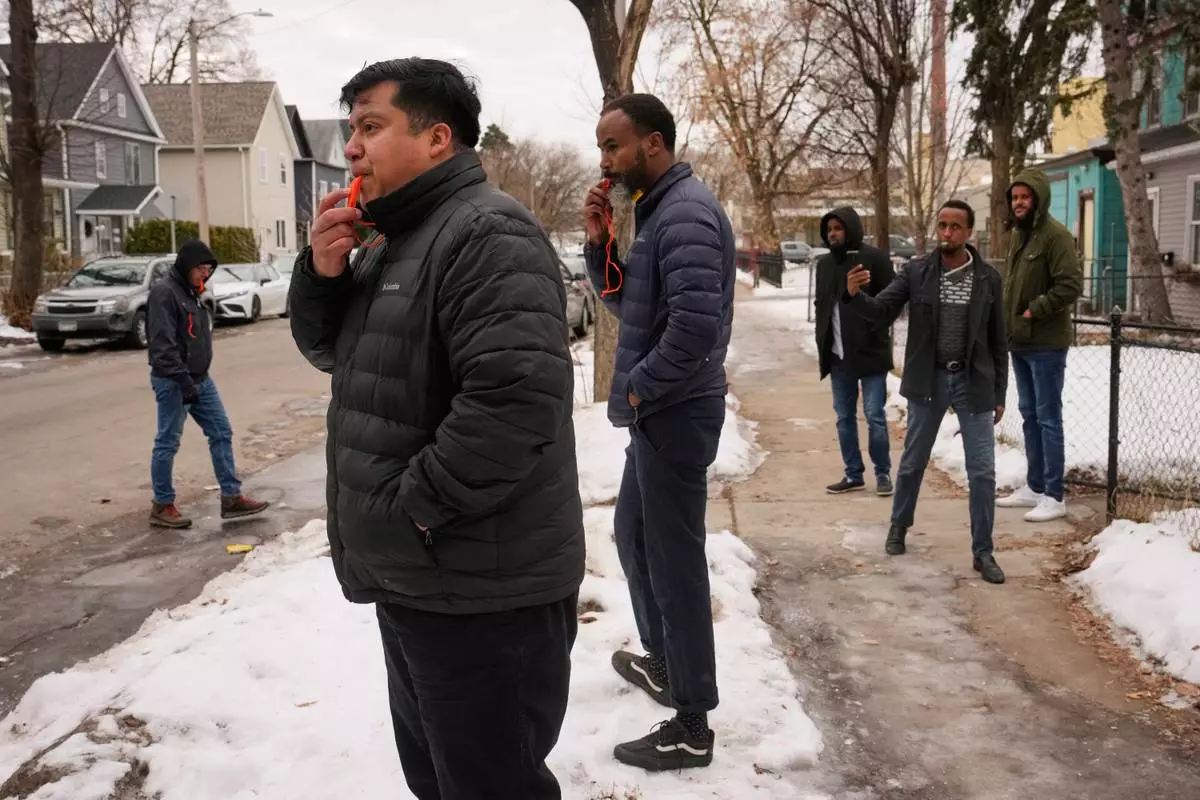
Minneapolis City Council Member Jason Chavez, second from left, blows a whistle with other activists to warn people of federal immigration officers Thursday, Jan. 15, 2026, in Minneapolis. (AP Photo/John Locher)

Minneapolis City Council Member Jason Chavez, second from left, blows a whistle with other activists to warn people of federal immigration officers Thursday, Jan. 15, 2026, in Minneapolis. (AP Photo/John Locher)

Tear gas surrounds federal law enforcement officers as they leave a scene after a shooting on Wednesday, Jan. 14, 2026, in Minneapolis. (AP Photo/John Locher)

Tear gas surrounds federal law enforcement officers as they leave a scene after a shooting on Wednesday, Jan. 14, 2026, in Minneapolis. (AP Photo/John Locher)

A child and family are escorted away after federal law enforcement deployed tear gas in a neighborhood during protests on Wednesday, Jan. 14, 2026, in Minneapolis. (AP Photo/Adam Gray)

A child and family are escorted away after federal law enforcement deployed tear gas in a neighborhood during protests on Wednesday, Jan. 14, 2026, in Minneapolis. (AP Photo/Adam Gray)

A protester holds an umbrella as sparks fly from a flash bang deployed by law enforcement on Wednesday, Jan. 14, 2026, in Minneapolis. (AP Photo/Adam Gray)

A protester holds an umbrella as sparks fly from a flash bang deployed by law enforcement on Wednesday, Jan. 14, 2026, in Minneapolis. (AP Photo/Adam Gray)

Monica Travis shares an embrace while visiting a makeshift memorial for Renee Good, who was fatally shot by an ICE officer last week, Monday, Jan. 12, 2026, in Minneapolis. (AP Photo/John Locher)

Monica Travis shares an embrace while visiting a makeshift memorial for Renee Good, who was fatally shot by an ICE officer last week, Monday, Jan. 12, 2026, in Minneapolis. (AP Photo/John Locher)

A protester yells in front of law enforcement after a shooting on Wednesday, Jan. 14, 2026, in Minneapolis. (AP Photo/John Locher)

A protester yells in front of law enforcement after a shooting on Wednesday, Jan. 14, 2026, in Minneapolis. (AP Photo/John Locher)

Tear gas surrounds federal law enforcement officers as they leave a scene after a shooting on Wednesday, Jan. 14, 2026, in Minneapolis. (AP Photo/John Locher)

Tear gas surrounds federal law enforcement officers as they leave a scene after a shooting on Wednesday, Jan. 14, 2026, in Minneapolis. (AP Photo/John Locher)

Protesters shout at law enforcement officers after a shooting on Wednesday, Jan. 14, 2026, in Minneapolis. (AP Photo/Abbie Parr)

Protesters shout at law enforcement officers after a shooting on Wednesday, Jan. 14, 2026, in Minneapolis. (AP Photo/Abbie Parr)

Law enforcement officers stand amid tear gas at the scene of a reported shooting Wednesday, Jan. 14, 2026, in Minneapolis. (AP Photo/Adam Gray)

Law enforcement officers stand amid tear gas at the scene of a reported shooting Wednesday, Jan. 14, 2026, in Minneapolis. (AP Photo/Adam Gray)

Recommended Articles