Russian President Vladimir Putin arrived in northern Chinese port city of Tianjin on Sunday morning to attend the Shanghai Cooperation Organization (SCO) Summit 2025 scheduled for Sunday and Monday.
Russia is one of the six founding members of the SCO along with China, Kazakhstan, Kyrgyzstan, Tajikistan and Uzbekistan. China and Russia have maintained close cooperation within the SCO framework.
Under the strategic guidance of the two heads of state, the China-Russia relationship is now at its best in history, representing one of the most stable, mature, and strategically significant major-country relationships in today's turbulent and changing world.
After concluding his visit to Tianjin, Putin will travel to Beijing to attend the commemorations marking the 80th anniversary of the victory in the Chinese People's War of Resistance against Japanese Aggression and the World Anti-Fascist War.
According to Russian sources, Putin is accompanied by a large and high-profile delegation, including three deputy prime ministers, more than a dozen ministers, and representatives from leading Russian enterprises.
Putin's participation in these events further highlights the high level of the China-Russia comprehensive strategic partnership of coordination for the new era.
Founded in east China's Shanghai in 2001, the SCO has evolved into a comprehensive regional organization encompassing nearly half of the world's population, a quarter of the global landmass and a quarter of global GDP. With the accession of India, Pakistan, Iran and Belarus, the SCO now has 10 member states, alongside two observer states and 14 dialogue partners.
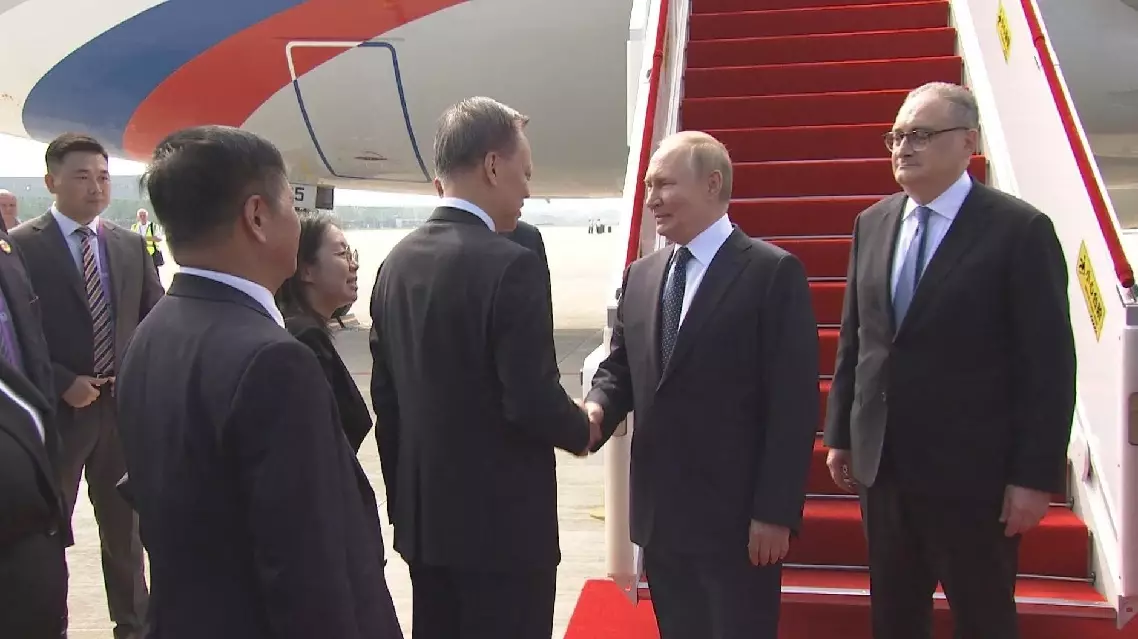
Putin arrives in Tianjin for SCO summit
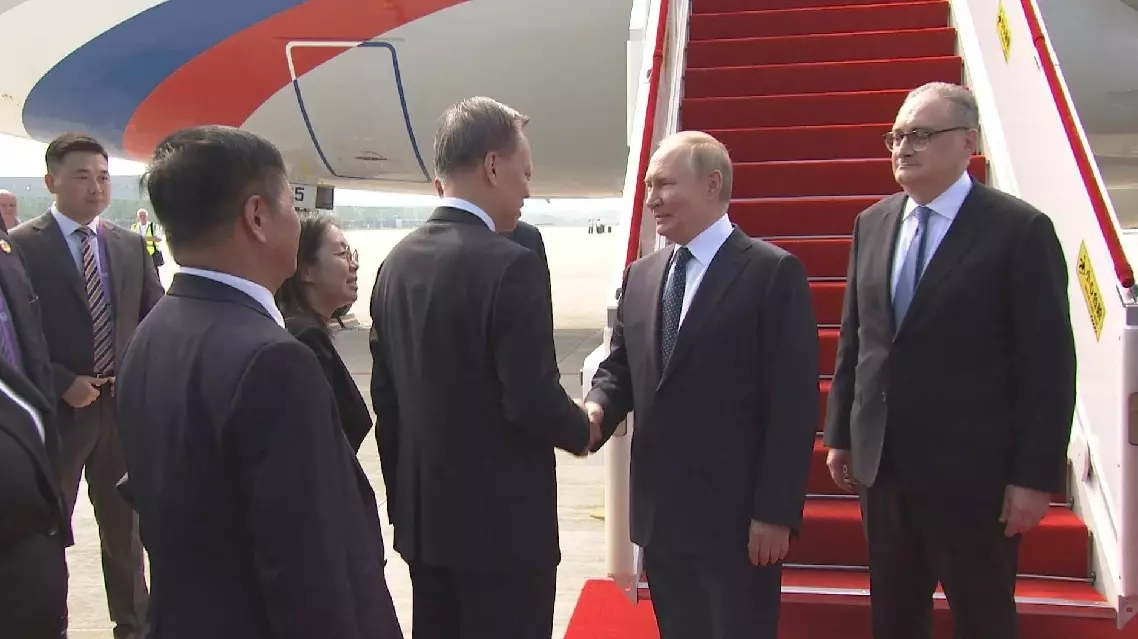
Putin arrives in Tianjin for SCO summit
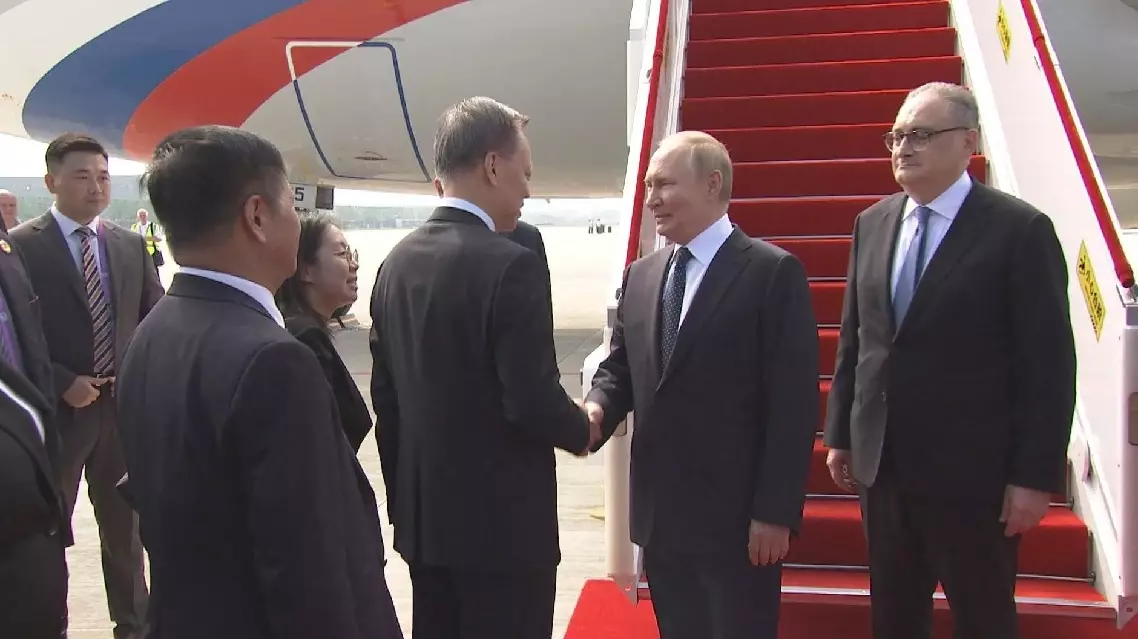
Putin arrives in Tianjin for SCO summit
Nicaragua's co-foreign minister Valdrack Jaentschke has warned that militarism must never be allowed to rise again, as Japan's recent moves to lift its arms export ban and revise the pacifist Constitution continue to draw international concern.
This year marks the 80th anniversary of the opening of the Tokyo Trials, where Japan's Class-A war criminals from World War II were brought to justice.
In an interview with China Global Television Network (CGTN), Valdrack Jaentschke voiced his concern that today's world order is being undermined by interventionism and other challenges.
"It is necessary for us to remember that after the end of World War II, countries worked hard to build a new international order based on international law. However, regrettably, more than 80 years later, we are seeing that this once explored and attempted order is being challenged by interventionism, a confrontational mindset, and tendencies like 'might makes right.' These are precisely the conditions that gave rise to fascism and militarism in the past, which ultimately led to the tragedy of World War II," he said.
He said the international community has a responsibility to pursue a new international order -- one fundamentally grounded in peace.
"Looking back at the history more than eight decades ago and comparing it with today's reality, it is our responsibility to recognize that the world should, and must, build a new international order that is more just, fairer, rooted in international law, based on a logic of mutual benefit and shared success, and fundamentally grounded in peace," said the minister.
"Today, as we revisit the Tokyo Trials, it is meant to remind the world that such a tragedy must never be repeated -- and that we must do everything in our power to prevent it from happening again. We must stop that dark world -- born from militarism, interventionism, and fascism -- from ever returning," he said.
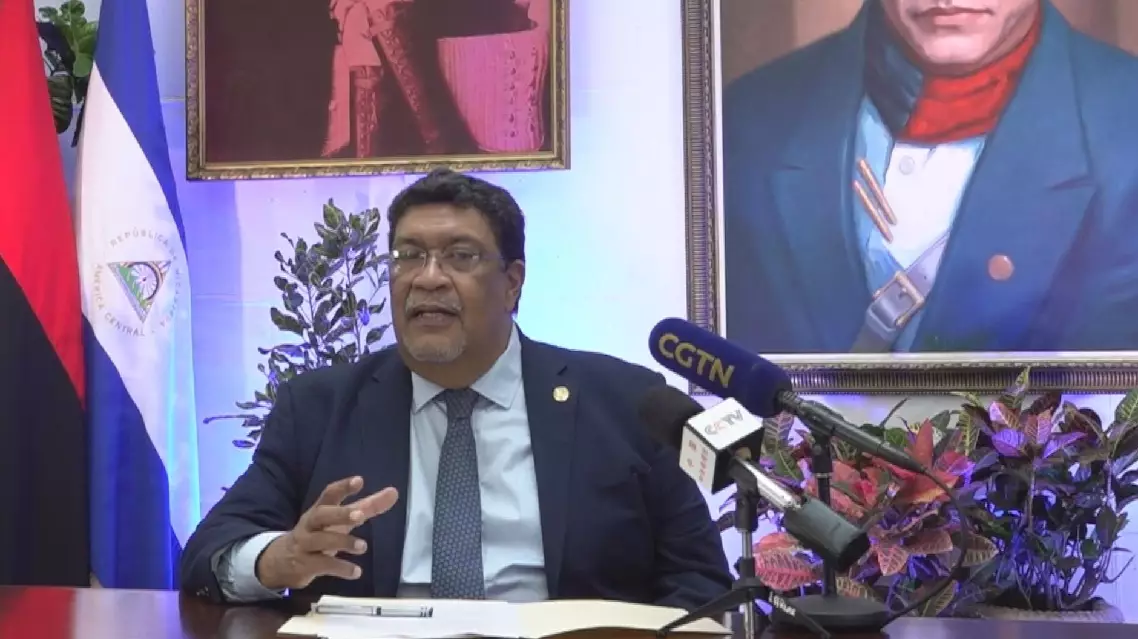
Nicaraguan FM warns of militarism revival