China's policy on subsidizing personal consumption loan interest, which officially came into effect on Monday, is hopeful to stimulate consumer demands and help optimize the consumption structure, according to experts.
The policy allows people to enjoy financial relief when borrowing for eligible consumer spending, under which the government will subsidize one percentage point of interest on qualified personal consumption loans, equivalent to about one-third of the current average lending rate for such loans.
The subsidy applies to actual spending in key sectors, including household appliances, automobiles, healthcare, education, culture and tourism, housing renovation, and electronics. For loans above 50,000 yuan, the subsidy is capped at that threshold, and a single borrower can receive up to 3,000 yuan in subsidies at one lending institution.
"Every 10 billion yuan in fiscal spending could theoretically support one trillion yuan in consumer demand, obviously higher than the leverage effect of consumer subsidies. We anticipate that the interest subsidy policy will help boost consumers' spending desire and achieve a virtuous cycle for the economy," said Lin Yingqi, an analyst from China International Capital Corporation Limited, an investment banking firm.
"The policy clearly identifies key consumer areas, which will positively drive up consumption in key areas like automobiles and home furnishings and actively optimize the consumption structure. After the policy is carried out, it is expected to result in a growth of consumption in these key areas by 10 to 15 percent," said Lou Feipeng, a researcher with the Postal Savings Bank of China.
Experts said that this consumer loan interest subsidy differs from previous consumer loan discounts in terms of mechanism and implementation, which can more accurately direct funds to specific consumer sectors.
"It can prevent abuse more effectively with greater traceability, with more significant advantages over other policy tools in terms of precision and controllability. Along with qualification review, use restrictions, and post-consumption verification, it facilitates regulators better to oversee whether the use of funds aligns with the policy in case that the subsidies would be occupied by other groups through financial institutions, ensuring that subsidies are more precisely delivered to consumers in need," said Zeng Gang, director of the Shanghai Finance and Development Laboratory.
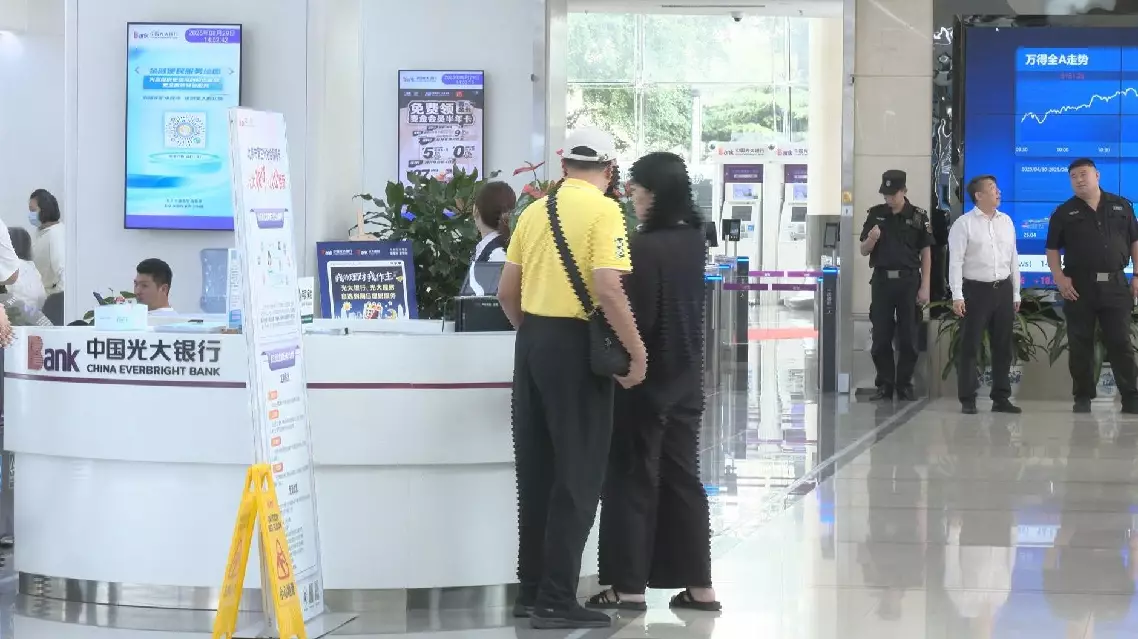
Six major state-owned commercial banks, 12 joint-stock banks, and five personal consumption loan granting institutions have completed the development of systems for the implementation of the policy. Most institutions began offering the service Monday.
Experts expect new loan interest subsidy to boost consumption