LA PAZ, Bolivia (AP) — Centrist Bolivian presidential front-runner Sen. Rodrigo Paz is hoping to attract a diverse group of voters with catchall rhetoric to fix Bolivia’s worst economic crisis in decades. He's promising both social spending reminiscent of the outgoing left-wing government and an attack on the country's massive deficit.
In an interview with The Associated Press on Monday, the self-styled moderate resisted rising pressure to clarify his policies with only weeks to go before a hotly contested presidential runoff against former right-wing President Jorge “Tuto” Quiroga.
Click to Gallery
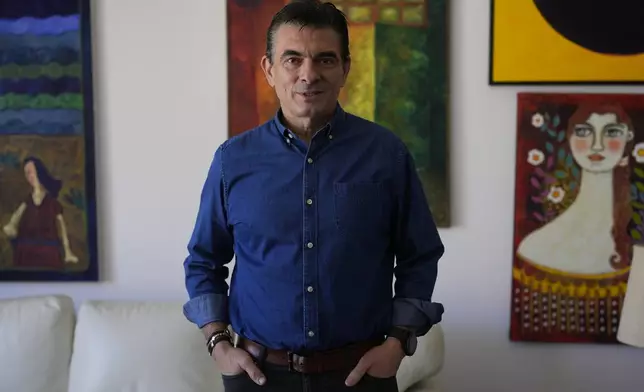
Presidential candidate Rodrigo Paz gives an interview in La Paz, Bolivia, Monday, Sept. 1, 2025. (AP Photo Juan Karita)
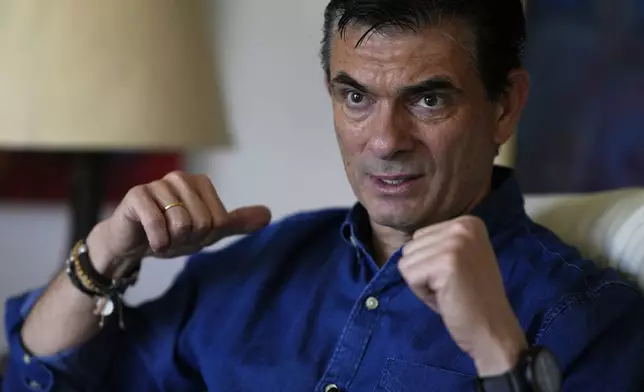
Presidential candidate Rodrigo Paz gives an interview in La Paz, Bolivia, Monday, Sept. 1, 2025. (AP Photo Juan Karita)
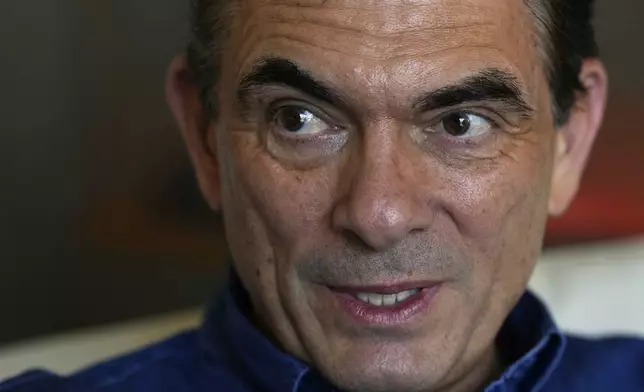
Presidential candidate Rodrigo Paz gives an interview in La Paz, Bolivia, Monday, Sept. 1, 2025. (AP Photo Juan Karita)

Presidential candidate Rodrigo Paz gives an interview in La Paz, Bolivia, Monday, Sept. 1, 2025. (AP Photo Juan Karita)
“It will be a pragmatic government, as pragmatic and diverse as the Bolivian people,” he told the AP from his art-filled apartment in an affluent neighborhood of La Paz, Bolivia's capital. “That's why my slogan is ‘capitalism for all.’”
After weeks of polling near the bottom of the eight-candidate field, Paz rocketed to first place in the Aug. 17 general election as his cross-party approach met an untapped demand in the Bolivian electorate.
He and his running mate, former police captain Edman Lara, offered a relatively fresh face in an uninspired race otherwise dominated by the same old duality between the governing Movement Toward Socialism party, or MAS, and traditional conservative parties controlled by Bolivia’s wealthy elite.
Lara lacks political experience but secured widespread fame when he was expelled from the police force after denouncing high-ranking officers for corruption in viral TikTok videos.
Although Paz's father — leftist radical-turned-neoliberal ex-President Jaime Paz Zamora (1989-1993) — represents the political elite that Lara publicly derides, the rank-and-file congressman had little national profile before he emerged as a leading candidate last month.
Paz and Lara appealed to voters across the political spectrum with a platform that blended economic deregulation and cost-cutting to end fuel shortages and soaring inflation with social programs like pension increases and universal income for stay-at-home wives and mothers.
On Monday, Paz promised his government would end Bolivia’s costly fuel subsidies but maintain the assistance for schoolchildren and older people.
“We’re not going to harm health, education, citizen insecurity or social benefits,” he said, arguing that the elimination of state corruption and waste would restore fiscal order while allowing the government to provide a safety net for the most vulnerable Bolivians.
“We’re going to attack the unbridled spending, hard.”
Paz balked when pressed to get more specific on the affordability of his social spending measures as Bolivia rapidly runs out of hard currency.
“You can’t call health ‘spending,’ you can’t call education ‘spending,'" he said. “It's social profitability.”
He refused to confirm or deny his previous promise to boost a monthly payment to retirees more than fivefold, to the equivalent of almost $300, which critics have derided as reminiscent of the ruling party's populism — and ensuing insolvency.
When asked how much the government would give in monthly support to pensioners and mothers, Paz said he would have to wait until entering office to come up with numbers: “The government has transferred some information to us, but we won't know the reality until we delve into it on Nov. 8 (inauguration day), see the accounts, the papers and find out what's really going on."
He pushed back against those seeking to characterize his more ambiguous promises as populist gimmicks.
“It's not demagogic populism,” he said. “It's national, democratic and popular. That's something else, and the great majority wants those kinds of decisions.”
To those who see his rhetoric as contradictory, Paz pointed to Bolivia's entrepreneurial city of El Alto, the original crucible of MAS that helped fuel the 2006 rise of Bolivia's long-serving charismatic former leader Evo Morales, the country's first Indigenous president.
Paz is hoping that the self-regulated commercial hub home to Bolivia’s largest Indigenous population can also fuel his own rise
The merchants of El Alto cheered Morales’ nationalization of natural resources, generous subsidies and increased rights for Indigenous Bolivians historically excluded from power.
But, as fans of low taxes and small government, they soon soured on his socialism.
“Capitalism is harsh and pure and simple in El Alto, but it also has tenderness, it has love in the middle,” he said, referring to El Alto’s communal traditions in the form of neighborhood councils and workers’ unions. “It has folklore, devotion, the value of family.”
Known for their ethic of self-reliance — "On its feet, never its knees” is the city's ubiquitous slogan — the people of El Alto have been skeptical of Quiroga's proposals to turn to the International Monetary Fund for a massive bailout and open lithium production to foreign investors.
Paz has played to those nationalist sentiments. He said Monday that he would keep strategic state-owned companies in public hands while privatizing only loss-making companies — and restricting those sales to Bolivian buyers.
He has ruled out an International Monetary Fund rescue package but proposed turning to allied countries and development banks for support in managing Bolivia's public debt, which the IMF now estimates to be at 95% of the country's gross domestic product.
“We will turn to anything that helps Bolivia,” he said, signaling he was open to foreign money as long as Bolivia set the terms. "If tomorrow an Arab sheikh comes and says, ‘Rodrigo, I have $1 billion at 0.01% interest so we can pay for anti-corruption technology, sure, let him come.”
The U.S.-educated lawmaker, with little political experience beyond the southern city of Tarija where he served as mayor, appears to realize he risks losing supporters if he spells out his policies any further in the coming days.
Analysts say it’s a tightrope that he just might manage to walk.
“Ambivalence is political capital for this kind of transitional government,” said Bolivian political analyst Veronica Rocha. “That lack of clarity is what made them win, and they’re going to keep betting on that.”
DeBre reported from Buenos Aires, Argentina
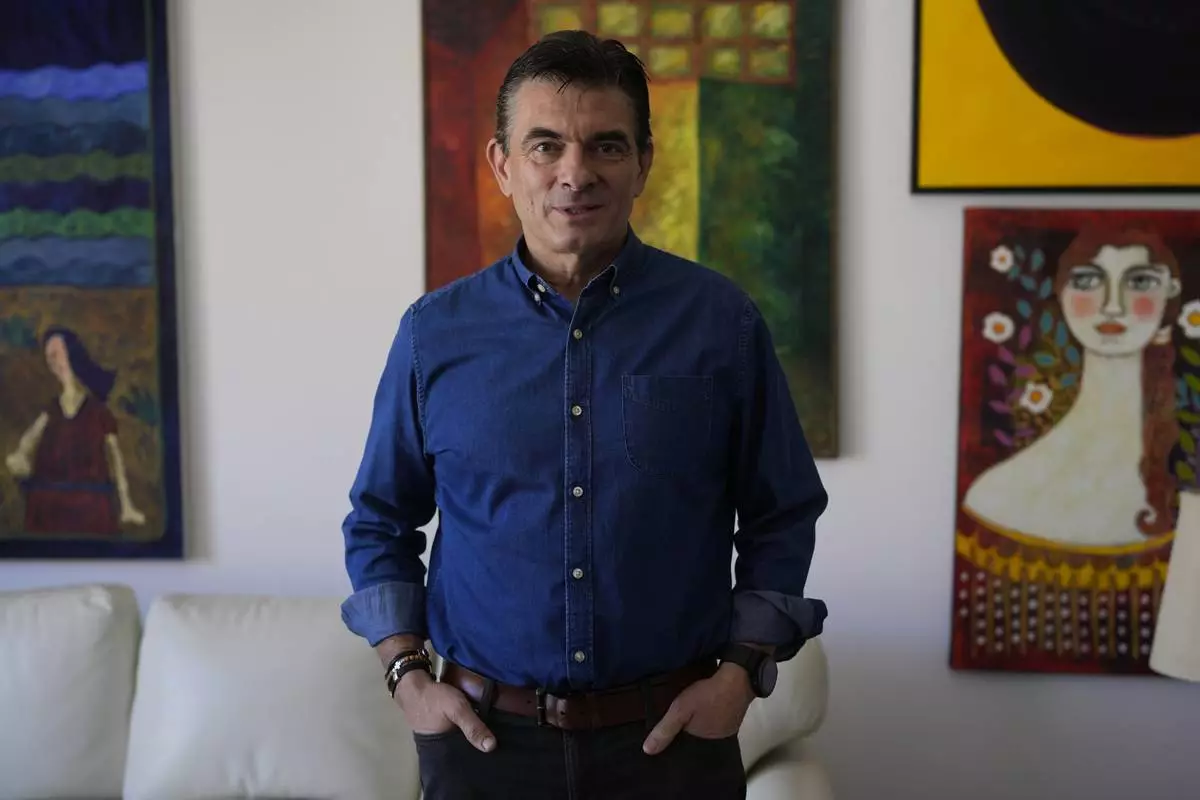
Presidential candidate Rodrigo Paz gives an interview in La Paz, Bolivia, Monday, Sept. 1, 2025. (AP Photo Juan Karita)
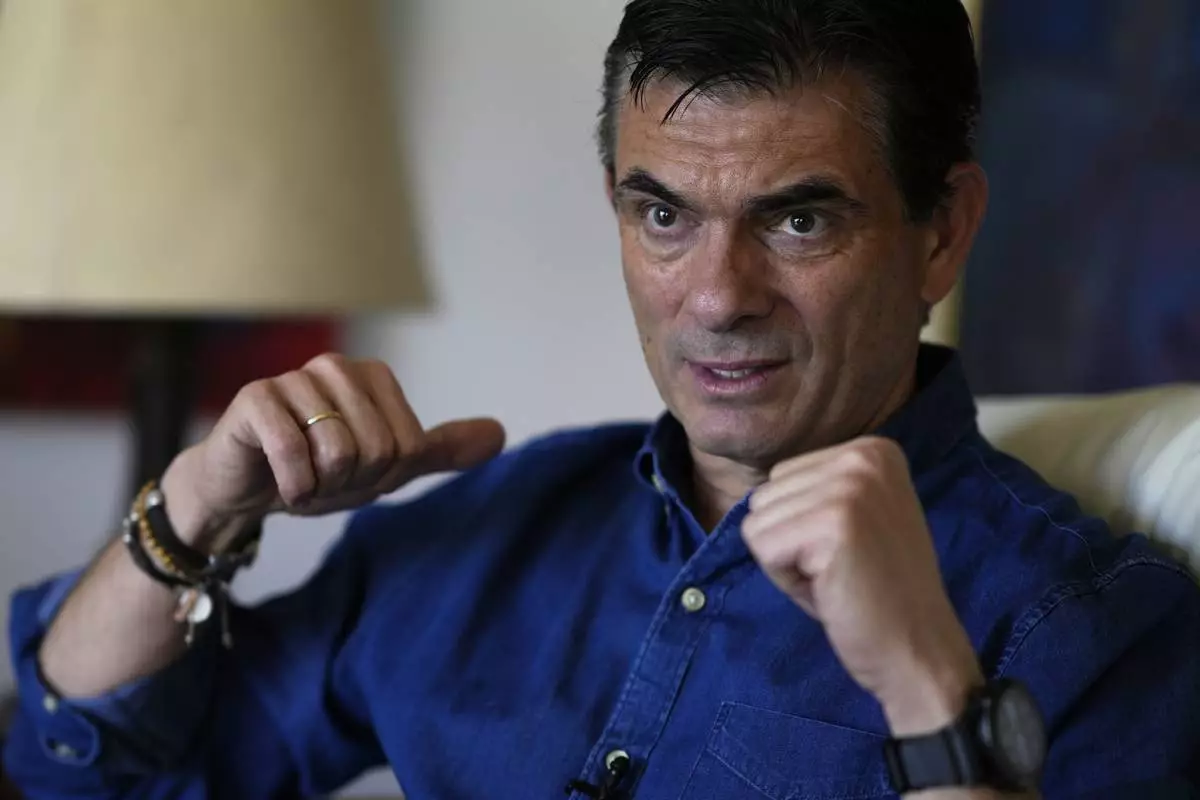
Presidential candidate Rodrigo Paz gives an interview in La Paz, Bolivia, Monday, Sept. 1, 2025. (AP Photo Juan Karita)
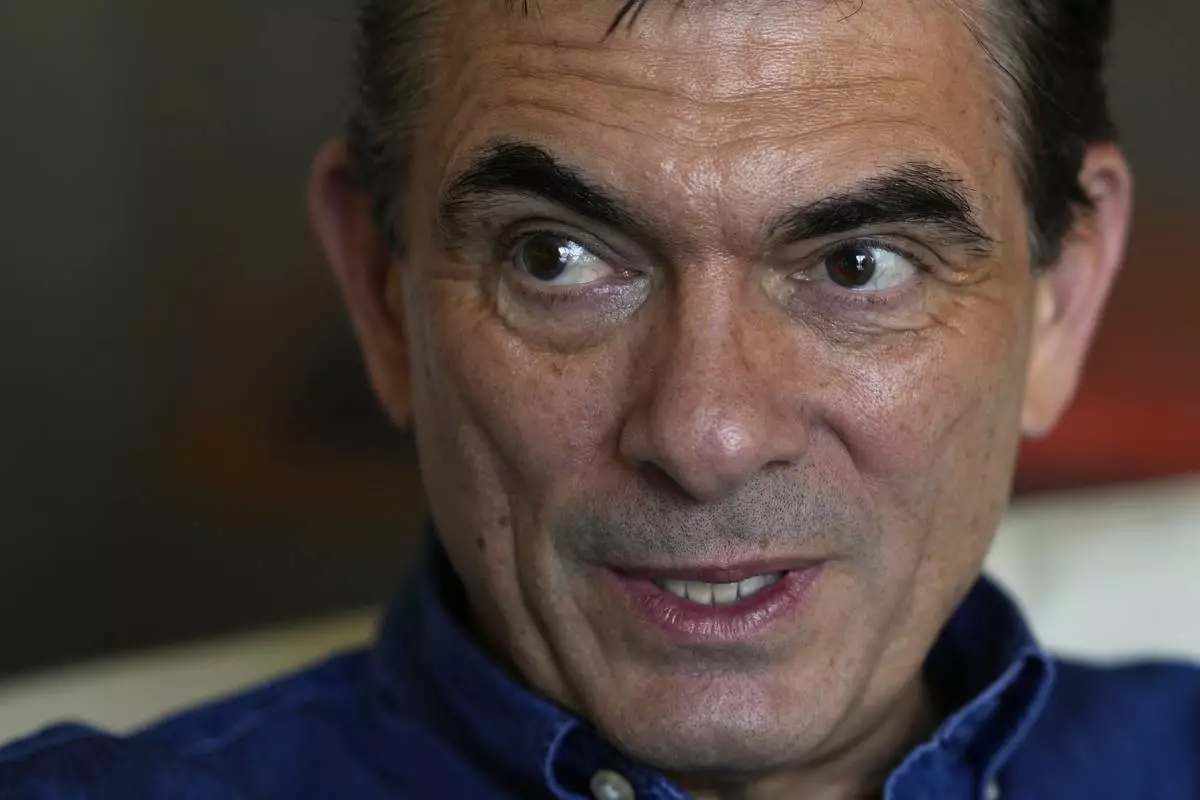
Presidential candidate Rodrigo Paz gives an interview in La Paz, Bolivia, Monday, Sept. 1, 2025. (AP Photo Juan Karita)
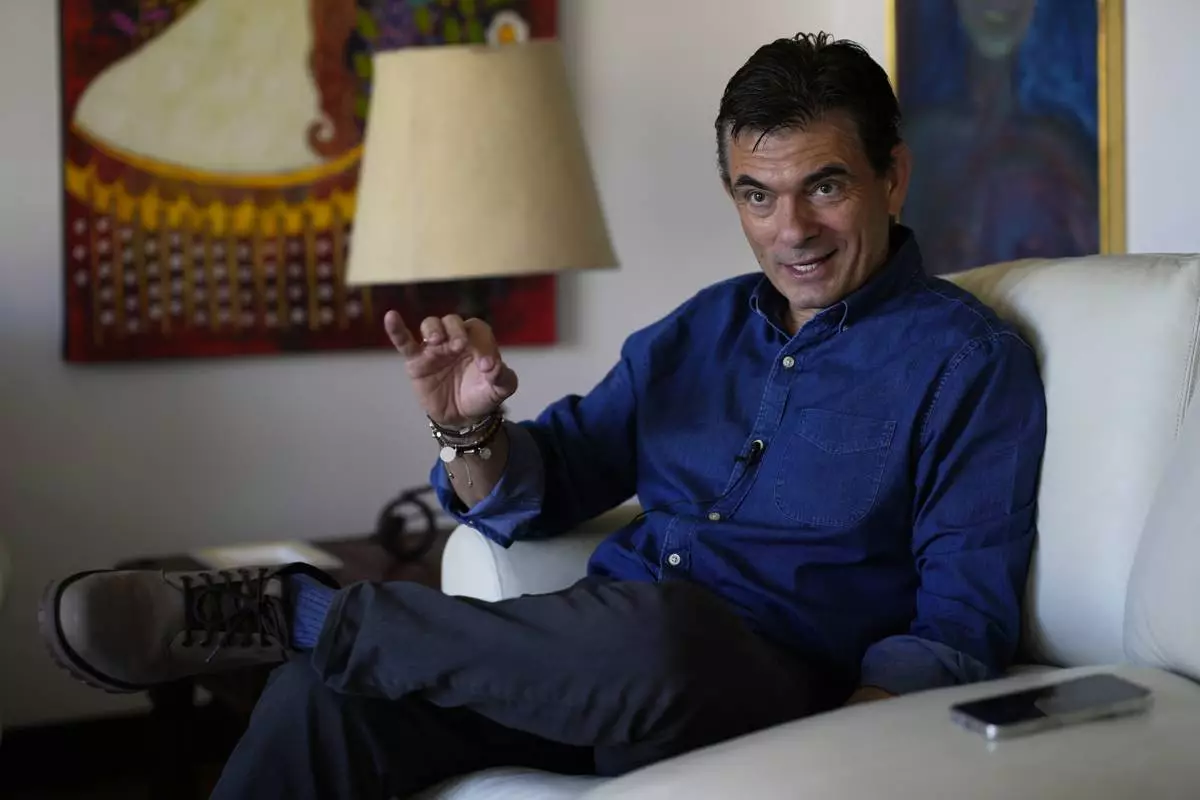
Presidential candidate Rodrigo Paz gives an interview in La Paz, Bolivia, Monday, Sept. 1, 2025. (AP Photo Juan Karita)