MAGOGO, Uganda (AP) — A boy scales the trunk of a jackfruit tree, pawing at his prize, yellow and swollen. Down the road, another child runs beside a bicycle tire with a stick, a phalanx of kids chasing along. Sunlight shines on the young all through this country’s villages and cities, strapped to the backs of their mothers, singing in schoolyards, sailing across soccer fields.
Meanwhile, in the shadows, in crumbling houses and dim mud huts, a new population of the old blossoms.
Click to Gallery
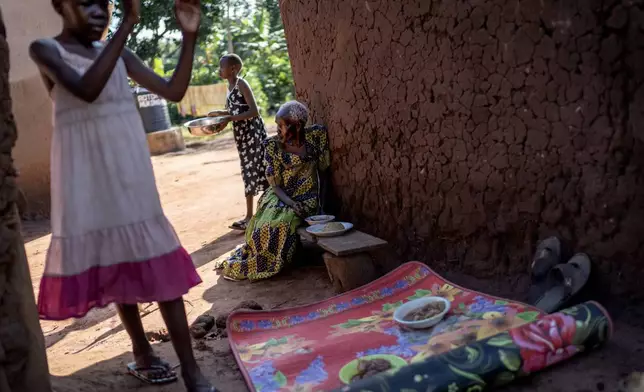
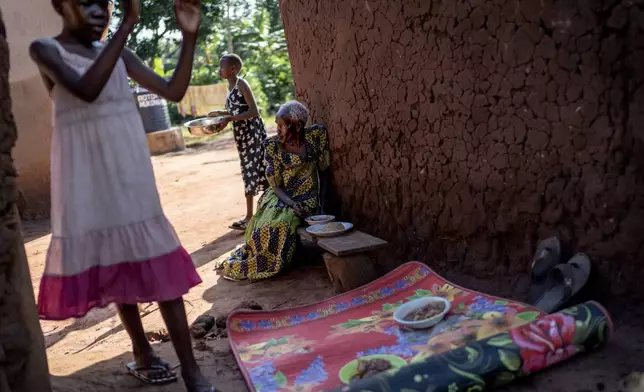
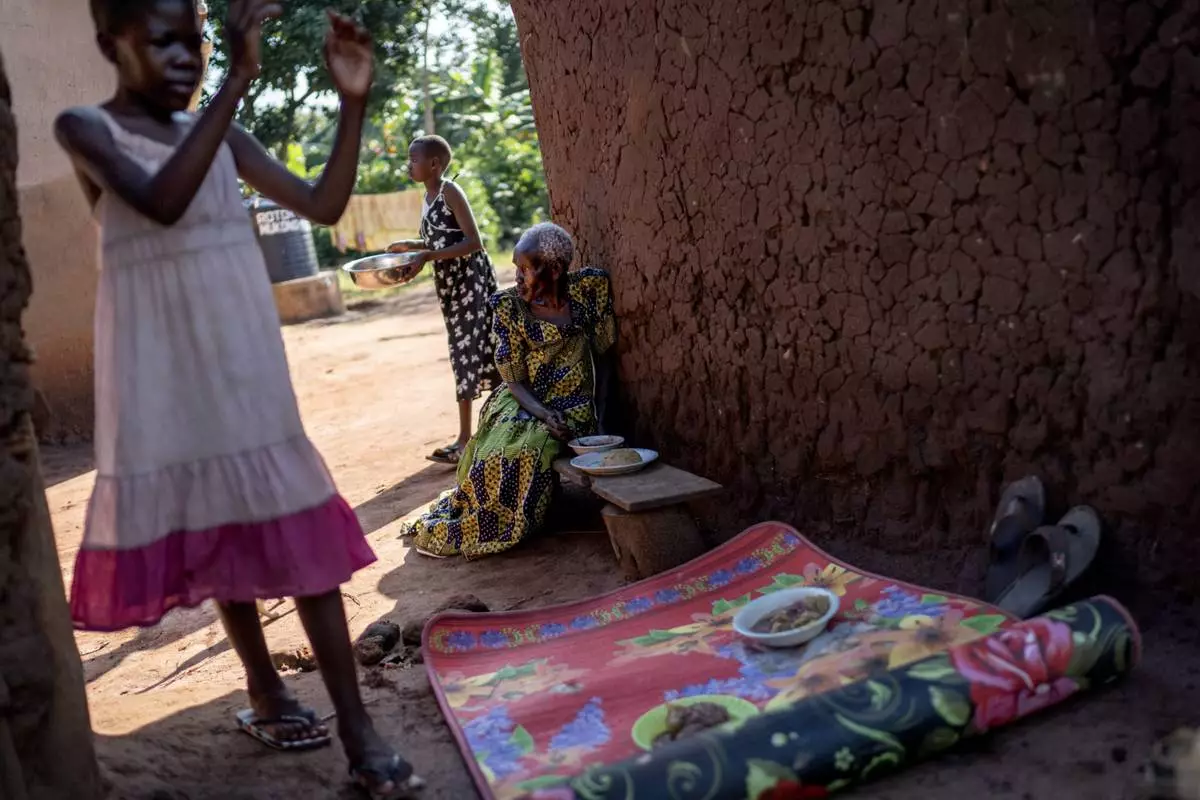
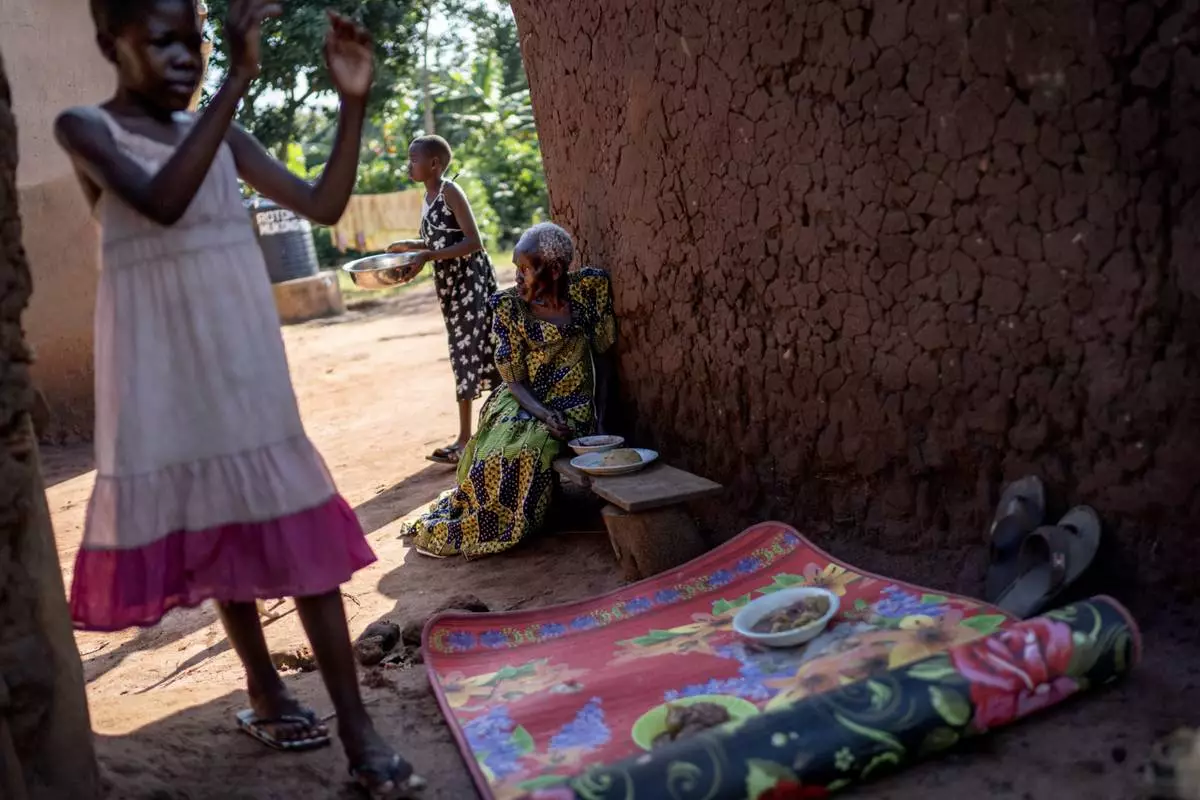
Rose Liru, 94, right, eats dinner prepared by her granddaughter, Parvin Nakawesi, 9, left, and grandniece, Brenda Mungulu, 11, rear, at the home they share, Friday, Nov. 22, 2024, in Magogo, Uganda. (AP Photo/David Goldman)
Rose Liru, 94, right, eats dinner prepared by her granddaughter, Parvin Nakawesi, 9, left, and grandniece, Brenda Mungulu, 11, rear, at the home they share, Friday, Nov. 22, 2024, in Magogo, Uganda. (AP Photo/David Goldman)
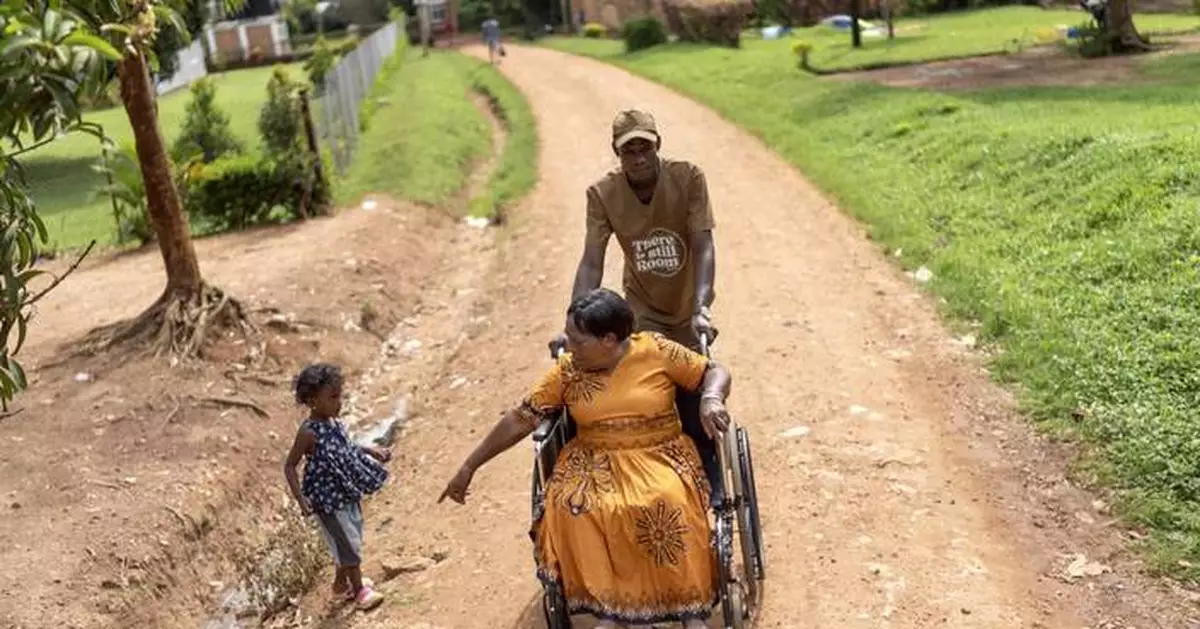
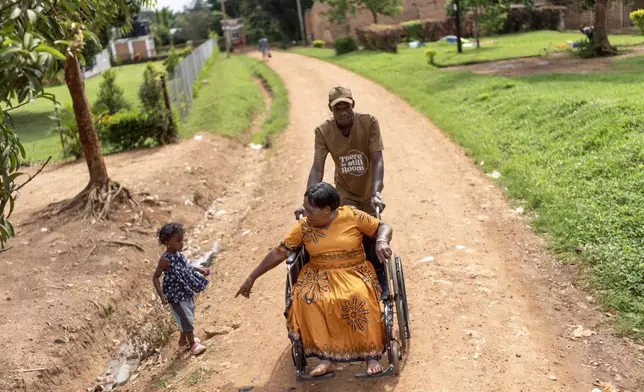
Norah Kasozi, 73, gestures to her granddaughter, Shalom, 4, to be careful near a ditch as she's pushed in a wheelchair to her home by Isaac Okware following a physical therapy visit to a nearby clinic, Saturday, Nov. 16, 2024, in Mukono, Uganda. (AP Photo/David Goldman)
Rose Liru, 94, right, eats dinner prepared by her granddaughter, Parvin Nakawesi, 9, left, and grandniece, Brenda Mungulu, 11, rear, at the home they share, Friday, Nov. 22, 2024, in Magogo, Uganda. (AP Photo/David Goldman)
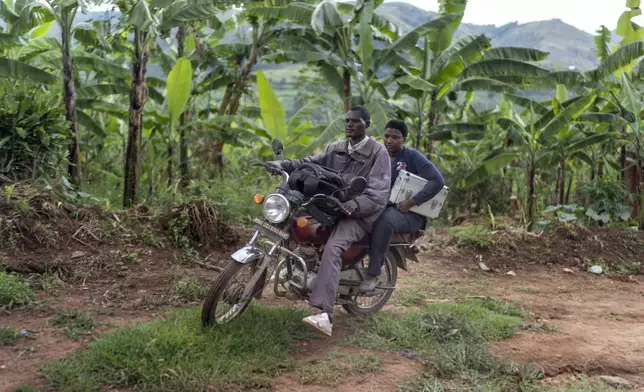
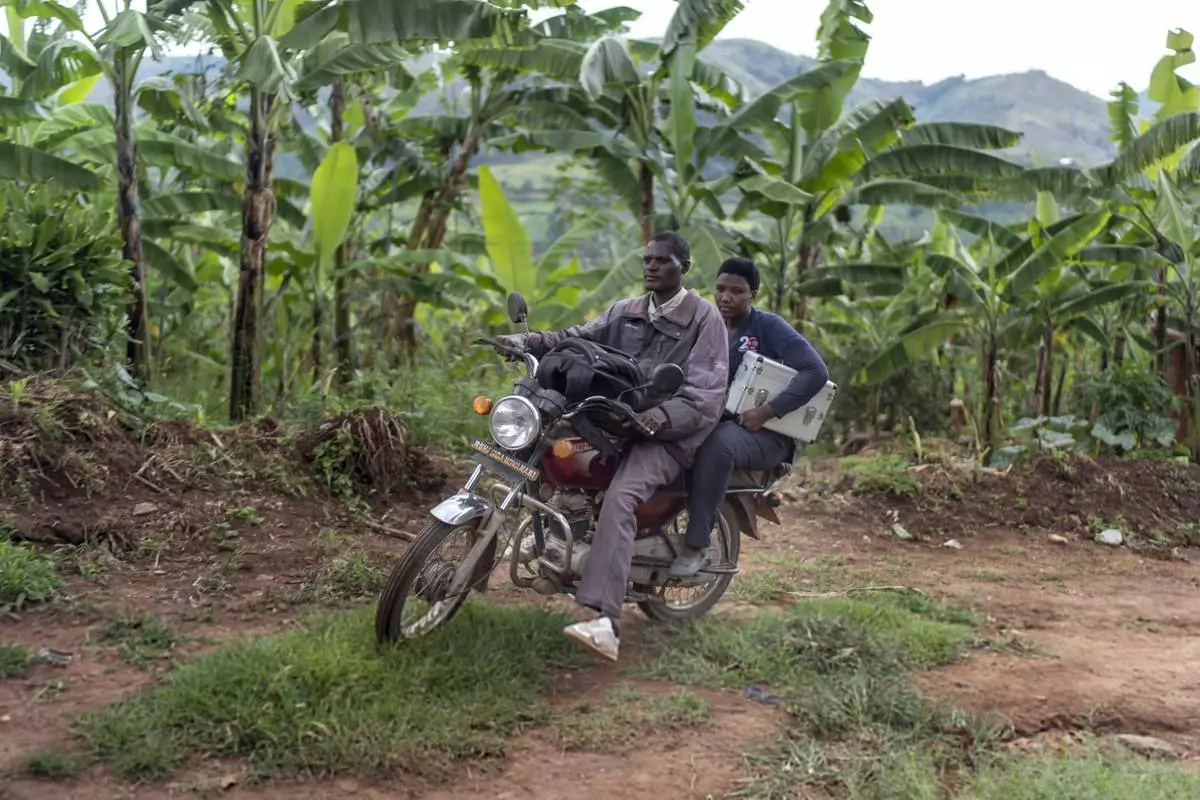
Field nurse Winnie Katwesigye with Reach One Touch One Ministries rides on the back of a motorcycle taxi to check on older patients at their homes in rural areas of the Rukiga District, Uganda, Tuesday, Nov. 19, 2024. (AP Photo/David Goldman)
Rose Liru, 94, right, eats dinner prepared by her granddaughter, Parvin Nakawesi, 9, left, and grandniece, Brenda Mungulu, 11, rear, at the home they share, Friday, Nov. 22, 2024, in Magogo, Uganda. (AP Photo/David Goldman)
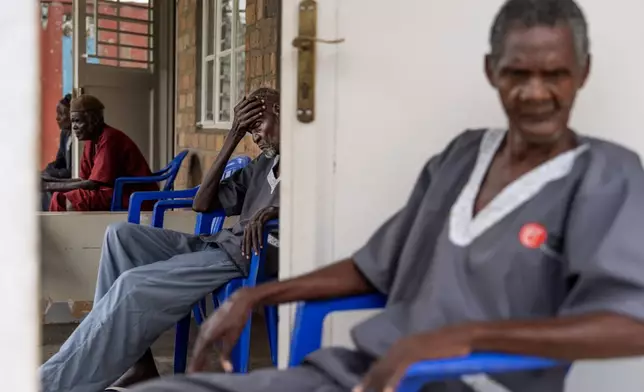
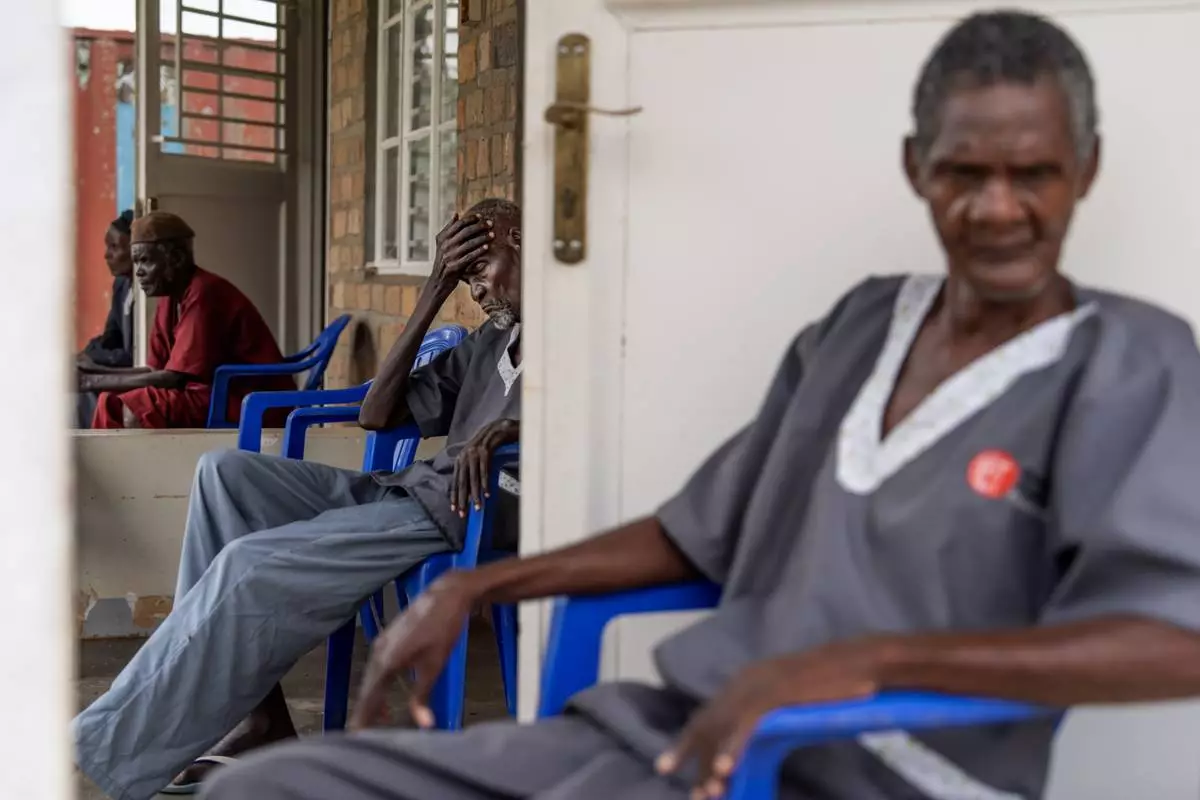
Older residents of a care facility sit outside their rooms in Magogo, Uganda, Friday, Nov. 15, 2024. The facility is on the campus of a school operated by the NGO Reach One Touch One Ministries for children who are cared for by their grandparents. (AP Photo/David Goldman)
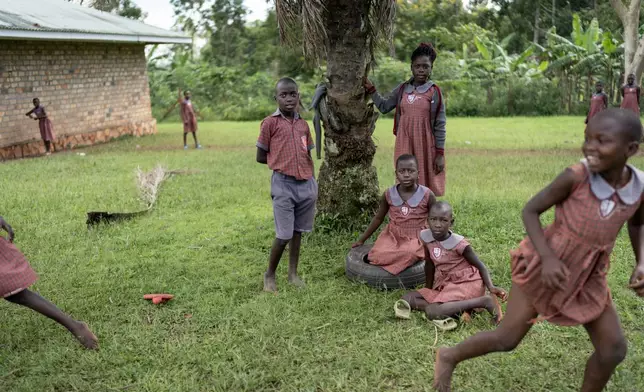
Students play at a special school for children being raised by their grandparents run by the NGO Reach One Touch One Ministries to help support seniors in the community, in Magogo, Uganda, Saturday, Nov. 16, 2024. (AP Photo/David Goldman)
Norah Kasozi, 73, gestures to her granddaughter, Shalom, 4, to be careful near a ditch as she's pushed in a wheelchair to her home by Isaac Okware following a physical therapy visit to a nearby clinic, Saturday, Nov. 16, 2024, in Mukono, Uganda. (AP Photo/David Goldman)
Across Africa, young and old are divided in their visibility as resources gush toward children and many elderly are left behind. But the fates of old and young are intertwined.
“Both of them are suffering,” says Dr. Emmanuel Mugerwa, who planned to become a pediatrician before switching to geriatric care at a clinic run by Reach One Touch One. “Both of them don’t have a lot of things that they need.”
Africa is home to the world’s youngest population, filled with countries like Uganda, where a staggering half of its people are under 18 years old. While the continent’s population of older people is a tiny minority, it is fast growing. Together, these bookended age groups share much in common.
Children and people 75 and older have the highest poverty rate, according to Uganda government statistics, and they often live together. Among households with older people, an estimated one in six are “skipped generation,” with grandparents and grandchildren.
At a campus operated by ROTOM, a school is just across from a home where a dozen seniors are tended to by a single caregiver. Uniformed children pray the “Our Father” in an open-air hall on the other side of a wall from an older woman who arrived here with bruises all over that staffers say came from a daughter who beat her with a stick.
It is the final day of school before a holiday break, and two girls in pale red jumpers with periwinkle collars leave campus just as shoeless children begin kicking a ball across a damp field. The girls exit the property’s gate, walking past a boy whose cheeks are wet with tears, then up a dirt road lined with corn stalks and banana trees. On the periphery, goats graze, ducks and roosters wander and a tower of mud bricks bakes in the sun.
The girls pass chickens pecking at trash, shopkeepers sweeping their landings, men playing a dice game, and a pile of burning trash sending an acrid plume to the skies, before arriving home. In a sign of respect, they kneel before the woman who cares for them, 94-year-old Rose Liru.
The girls – 11-year-old Brenda Mungulu, Liru’s grandniece, and 9-year-old Parvin Nakawesi, her great-granddaughter – have been left by parents who no longer can care for them. They quickly change into after-school clothes and get started on their chores.
Liru says she doesn’t have the energy to mother the girls and acknowledges the twin realities of their presence: They are both a burden and a gift. She feels all the weight of being responsible for them while knowing they are also helpful around the house.
She wonders how much longer she will live and what will happen to the girls when she’s gone. For now, she is all they have in this world and will do her best for them.
“I protect them. I defend them,” she says, noting elders like her often fill in for children and grandchildren. “Old people, we are the ones who hold families together. We are the ones who pray for you. We are the ones who do good. We are the ones who are next to God.”
In houses where old and young live side by side, elders often struggled to sustain themselves even before they found themselves with another mouth to feed and school tuition to pay. A majority of older Ugandans are illiterate and, among the very oldest, the rate is staggering, with more than eight in 10 people 85 and older unable to read or write. Though school is not free here, it is a point of pride for elders to educate their young.
Felista Kemitaare, whose home is off a steep rocky path before a panorama of lush hills, is one such woman. At 78, she has been thrust back into parenthood, caring for an 11-year-old granddaughter. She rarely has enough food and, of the little bit she is able to grow, she must sell some to help pay for her granddaughter’s tuition.
Today, a ROTOM field nurse, Winnie Katwesigye, has arrived to check on Kemitaare, who sits below a poster of the late Pope Francis, the light from the doorway shining on her face. Her beans are not growing well and her aches and pains are getting worse.
“I have no choice,” she says, “but to be a strong woman.”
She grabs a walking stick in her right hand and heads barefoot up the steep hill to her garden, where she takes a hoe, swatting at the earth. It is too early to harvest, but she is desperate, so she begins pulling anemic potatoes from the ground, some as small as shooter marbles, some about the size of a small plum, tossing them in a green plastic dish. She lifts her torso slowly and walks back down the hill taking tentative steps.
Norah Makubuya, a ROTOM project manager, says she tries to teach adult children in the community just how difficult it is for those forced to become parents again in old age.
“Their burden,” she says of the adult children, “becomes their parents’ burden.”
Matt Sedensky can be reached at msedensky@ap.org and https://x.com/sedensky
Rose Liru, 94, right, eats dinner prepared by her granddaughter, Parvin Nakawesi, 9, left, and grandniece, Brenda Mungulu, 11, rear, at the home they share, Friday, Nov. 22, 2024, in Magogo, Uganda. (AP Photo/David Goldman)
Field nurse Winnie Katwesigye with Reach One Touch One Ministries rides on the back of a motorcycle taxi to check on older patients at their homes in rural areas of the Rukiga District, Uganda, Tuesday, Nov. 19, 2024. (AP Photo/David Goldman)
Rose Liru, 94, right, eats dinner prepared by her granddaughter, Parvin Nakawesi, 9, left, and grandniece, Brenda Mungulu, 11, rear, at the home they share, Friday, Nov. 22, 2024, in Magogo, Uganda. (AP Photo/David Goldman)
Older residents of a care facility sit outside their rooms in Magogo, Uganda, Friday, Nov. 15, 2024. The facility is on the campus of a school operated by the NGO Reach One Touch One Ministries for children who are cared for by their grandparents. (AP Photo/David Goldman)
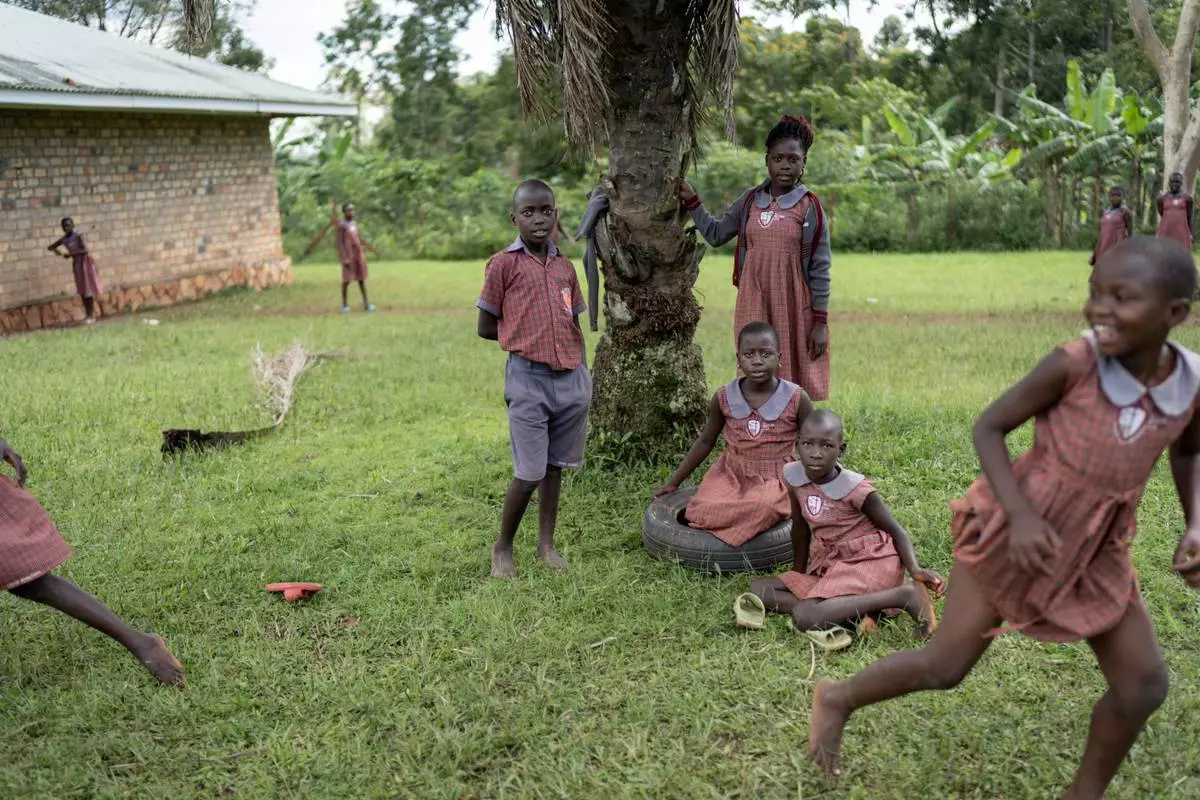
Students play at a special school for children being raised by their grandparents run by the NGO Reach One Touch One Ministries to help support seniors in the community, in Magogo, Uganda, Saturday, Nov. 16, 2024. (AP Photo/David Goldman)
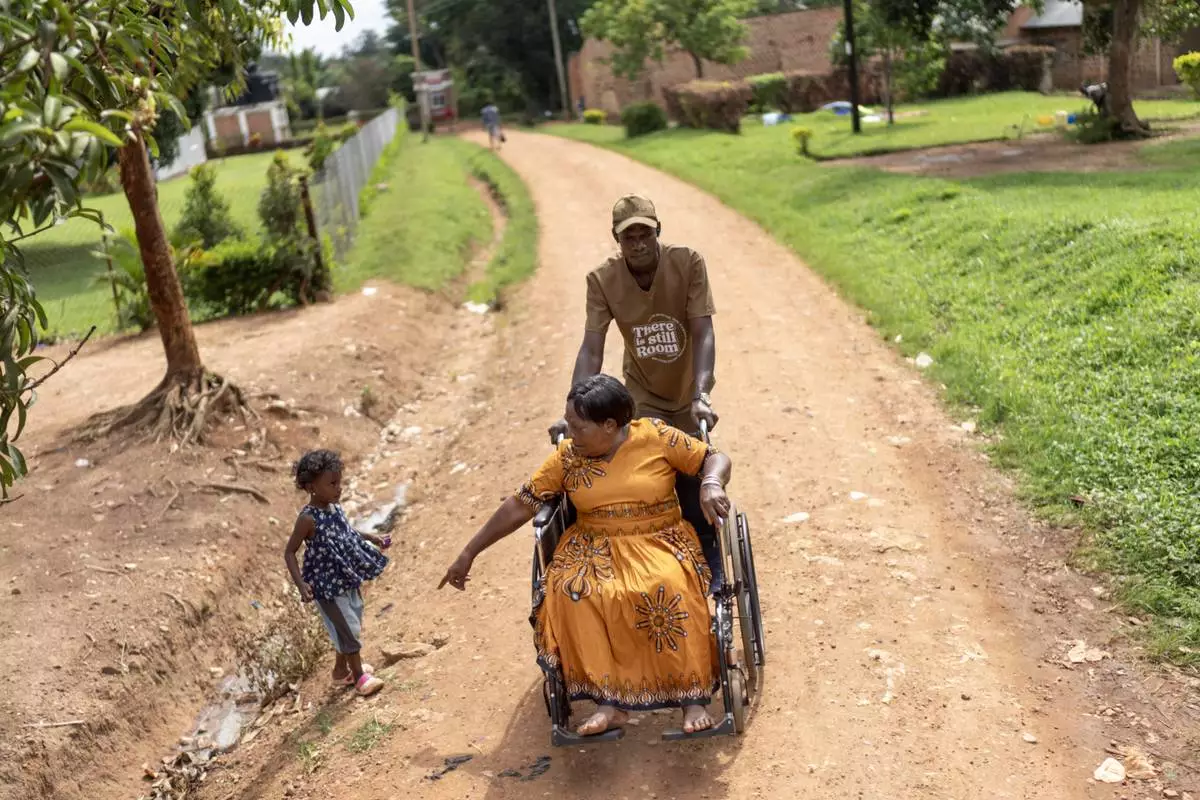
Norah Kasozi, 73, gestures to her granddaughter, Shalom, 4, to be careful near a ditch as she's pushed in a wheelchair to her home by Isaac Okware following a physical therapy visit to a nearby clinic, Saturday, Nov. 16, 2024, in Mukono, Uganda. (AP Photo/David Goldman)
WASHINGTON (AP) — Former Justice Department special counsel Jack Smith on Thursday defended his investigations of Donald Trump at a public congressional hearing in which he insisted that he had acted without regard to politics and had no second thoughts about the criminal charges he brought.
“No one should be above the law in our country, and the law required that he be held to account. So that is what I did,” Smith said of Trump.
Smith testified behind closed doors last month but returned to the House Judiciary Committee for a public hearing that provided the prosecutor with a forum to address Congress and the country more generally about the breadth of evidence he collected during investigations that shadowed Trump during the 2024 presidential campaign and resulted in indictments. The hourslong hearing immediately split along partisan lines as Republican lawmakers sought to undermine the former Justice Department official while Democrats tried to elicit damaging testimony about Trump's conduct and accused their GOP counterparts of attempting to rewrite history.
“It was always about politics,” said Rep. Jim Jordan of Ohio, the committee's Republican chairman.
“Maybe for them,” retorted Rep. Jamie Raskin, the panel’s top Democrat, during his own opening statement. “But, for us, it’s all about the rule of law.”
The hearing was on the mind of Trump himself as he traveled back from the World Economic Forum in Davos, Switzerland, with the president posting on his Truth Social account that Smith was being “DECIMATED before Congress" — presumably reference to the Republican attacks he faced. Trump said Smith had “destroyed many lives under the guise of legitimacy.”
Smith told lawmakers that he stood behind his decisions as special counsel to bring charges against Trump in separate cases that accused the Republican of conspiring to overturn the 2020 presidential election after he lost to Democrat Joe Biden and hoarding classified documents at his Mar-a-Lago estate in Palm Beach, Florida, after he left the White House.
“Our investigation developed proof beyond a reasonable doubt that President Trump engaged in criminal activity,” Smith said. “If asked whether to prosecute a former president based on the same facts today, I would do so regardless of whether that president was a Republican or a Democrat."
Republicans from the outset sought to portray Smith as an overly aggressive, hard-charging prosecutor who had to be “reined in” by higher-ups and the courts as he investigated Trump. They also seized on revelations that the Smith team had collected and analyzed phone records of more than a half-dozen Republican lawmakers who were in contact with Trump on Jan. 6, 2021, as his supporters stormed the Capitol in a bid to halt the certification of his 2020 election loss.
The records revealed the length and time of the calls but not the content of the communications, but Rep. Brandon Gill, a Texas Republican, said the episode showed how Smith had “walked all over the Constitution.”
“My office didn’t spy on anyone,” Smith said, explaining that collecting phone records is a common prosecutorial tactic and necessary in this instance to help prosecutors understand the scope of the conspiracy.
Under questioning, Smith described what he said was a wide-ranging conspiracy to overturn the results of the election that Trump lost to Democrat Joe Biden and alleged how the Republican refused to listen to advisers who told him that the contest had in fact not been stolen. After he was charged, Smith said, Trump tried to silence and intimidate witnesses.
Smith said one reason he felt confident in the strength of the case that prosecutors had prepared to take to trial was the extent to which it relied on Republican supporters of Trump.
"Some of the most powerful witnesses were witnesses who, in fact, were fellow Republicans who had voted for Donald Trump, who had campaigned for him and who wanted him to win the election,” Smith said.
The hearing unfolded against the backdrop of an ongoing Trump administration retribution campaign targeting the investigators who scrutinized the Republican president and amid mounting alarm that the Justice Department's institutional independence is eroding under the sway of the president.
In a nod to those concerns, Smith said: "I believe that if we don’t call people to account when they commit crimes in this context, it can endanger our election process, it can endanger election workers and, ultimately, our democracy.”
Smith was appointed in 2022 by Biden's Justice Department to oversee investigations into Trump, who has denied any wrongdoing. Both investigations produced indictments against Trump, but the cases were abandoned by Smith and his team after Trump won back the White House because of longstanding Justice Department legal opinions that say sitting presidents cannot be indicted.
Republicans for their part repeatedly denounced Smith, with Rep. Kevin Kiley of California accusing him of seeking “maximum litigation advantage at every turn” and “circumventing constitutional limitations to the point that you had to be reined in again and again throughout the process.”
Another Republican lawmaker, Rep. Ben Cline of Virginia, challenged Smith on his efforts to bar Trump from making incendiary comments about witnesses. Smith said the order was necessary because of Trump's efforts to intimidate witness, but Cline asserted that it was meant to silence Trump in the heat of the presidential campaign.
And Jordan, the committee chairman, advanced a frequent Trump talking point that the investigation was driven by a desire to derail Trump's candidacy.
“We should never forget what took place, what they did to the guy we the people elected twice," Jordan said.
Smith vigorously rejected those suggestions and said the evidence placed Trump’s actions squarely at the heart of a criminal conspiracy to undo the 2020 election.
“The evidence here made clear that President Trump was by a large measure the most culpable and most responsible person in this conspiracy,” Smith said. “These crimes were committed for his benefit. The attack that happened at the Capitol, part of this case, does not happen without him. The other co-conspirators were doing this for his benefit.”
Associated Press writer Joey Cappelletti in Washington contributed to this report.
Follow the AP's coverage for former special counsel Jack Smith at https://apnews.com/hub/jack-smith.
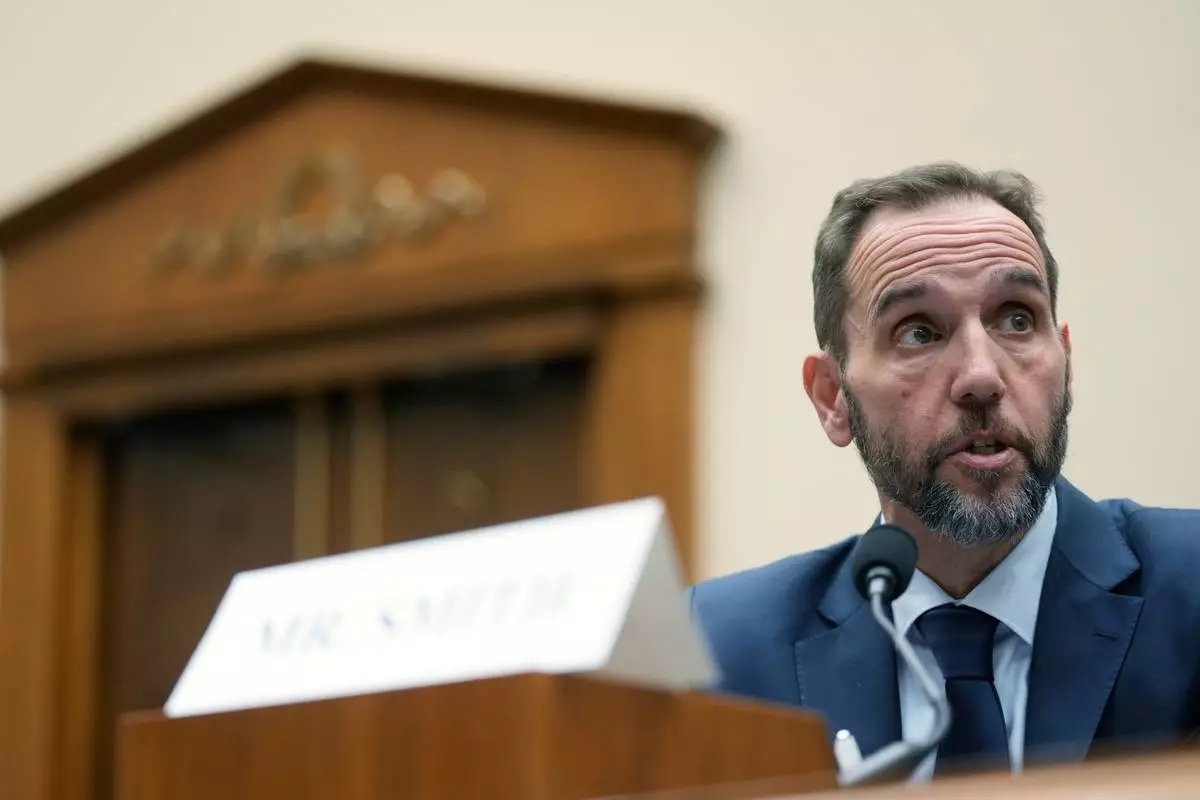
Former Justice Department special counsel Jack Smith testifies before the House Judiciary Committee at the Capitol in Washington, Thursday, Jan. 22, 2026. (AP Photo/Mark Schiefelbein)
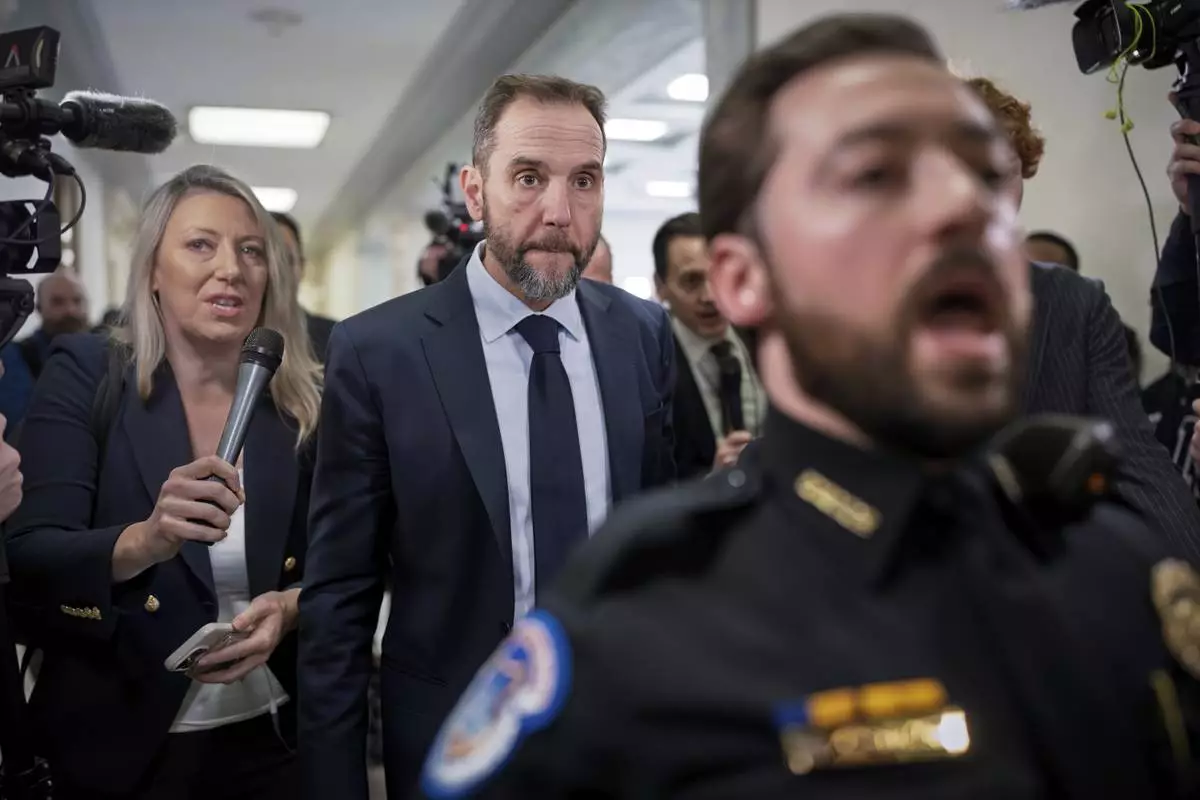
Former Justice Department special counsel Jack Smith, center, is escorted by Capitol Police through a crush of reporters as he arrives to testify before the House Judiciary Committee about his investigations into President Donald Trump, Thursday, Jan. 22, 2026 at the Capitol in Washington. (AP Photo/J. Scott Applewhite)
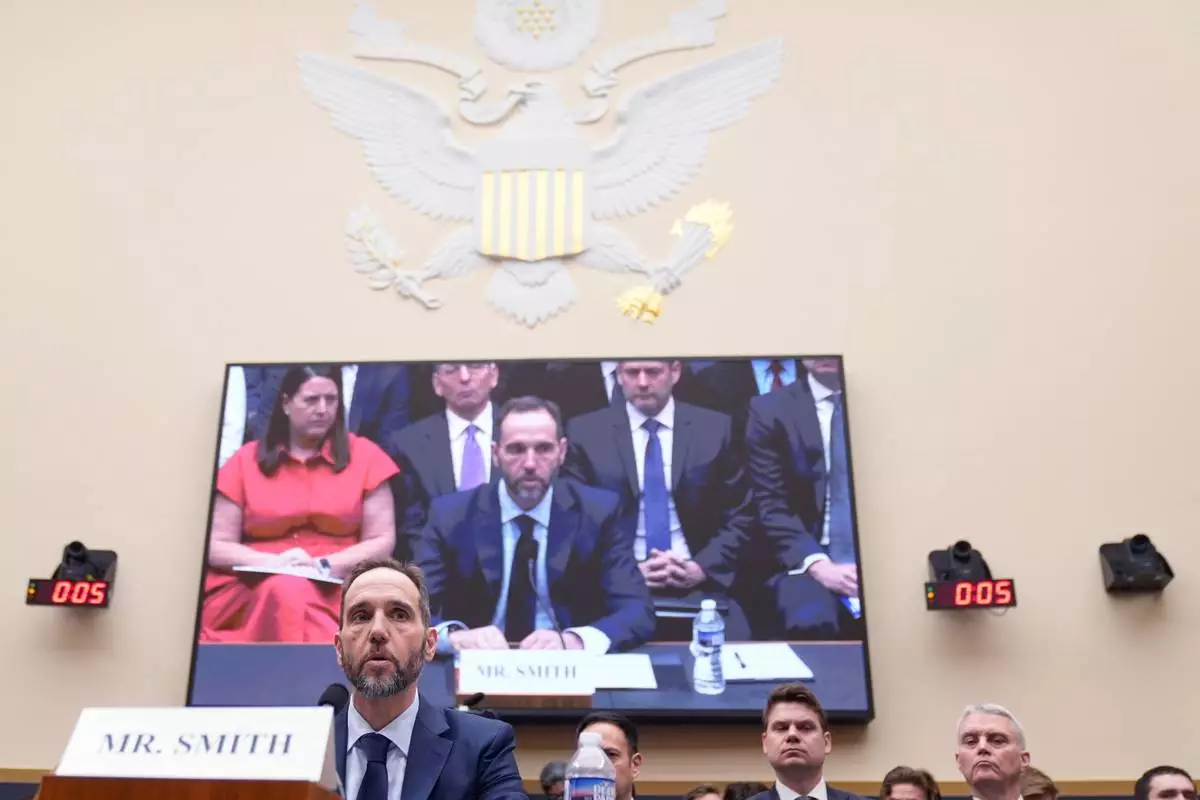
Former Justice Department special counsel Jack Smith testifies before the House Judiciary Committee about his investigations into President Donald Trump at the Capitol in Washington, Thursday, Jan. 22, 2026. (AP Photo/Mark Schiefelbein)
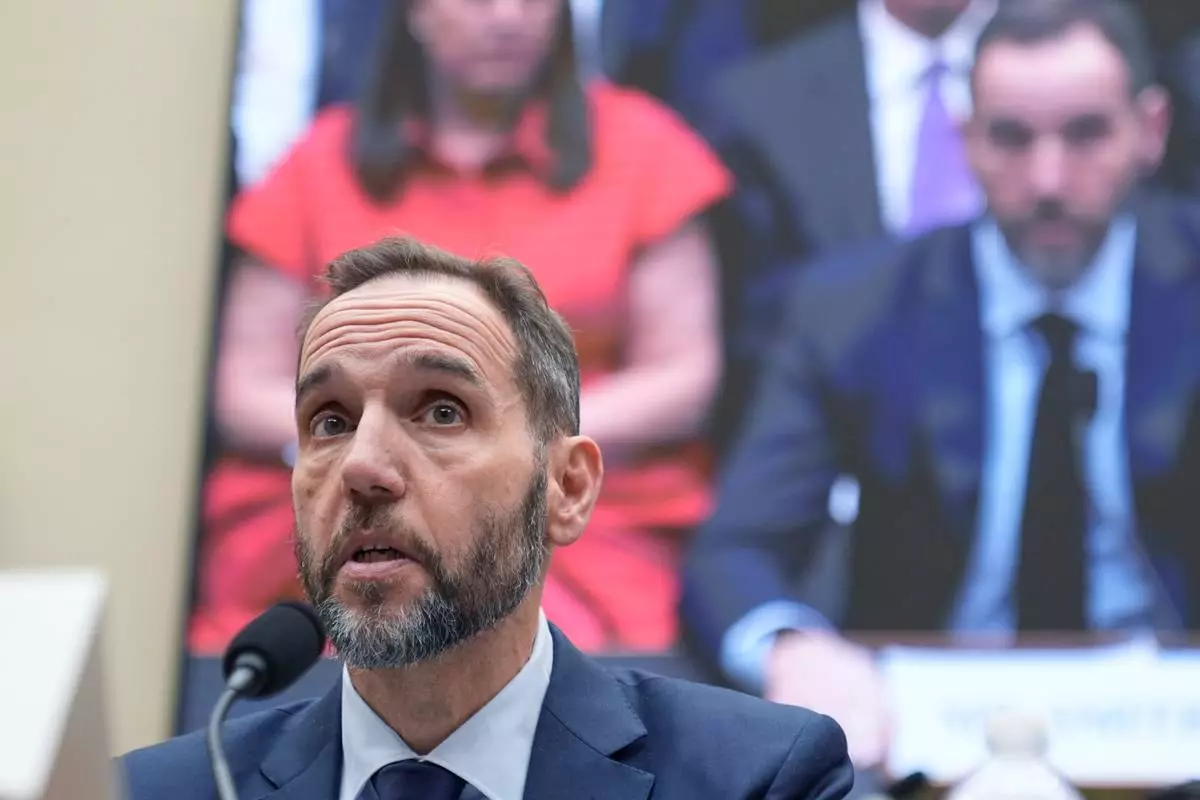
Former Justice Department special counsel Jack Smith testifies before the House Judiciary Committee about his investigations into President Donald Trump at the Capitol in Washington, Thursday, Jan. 22, 2026. (AP Photo/Mark Schiefelbein)
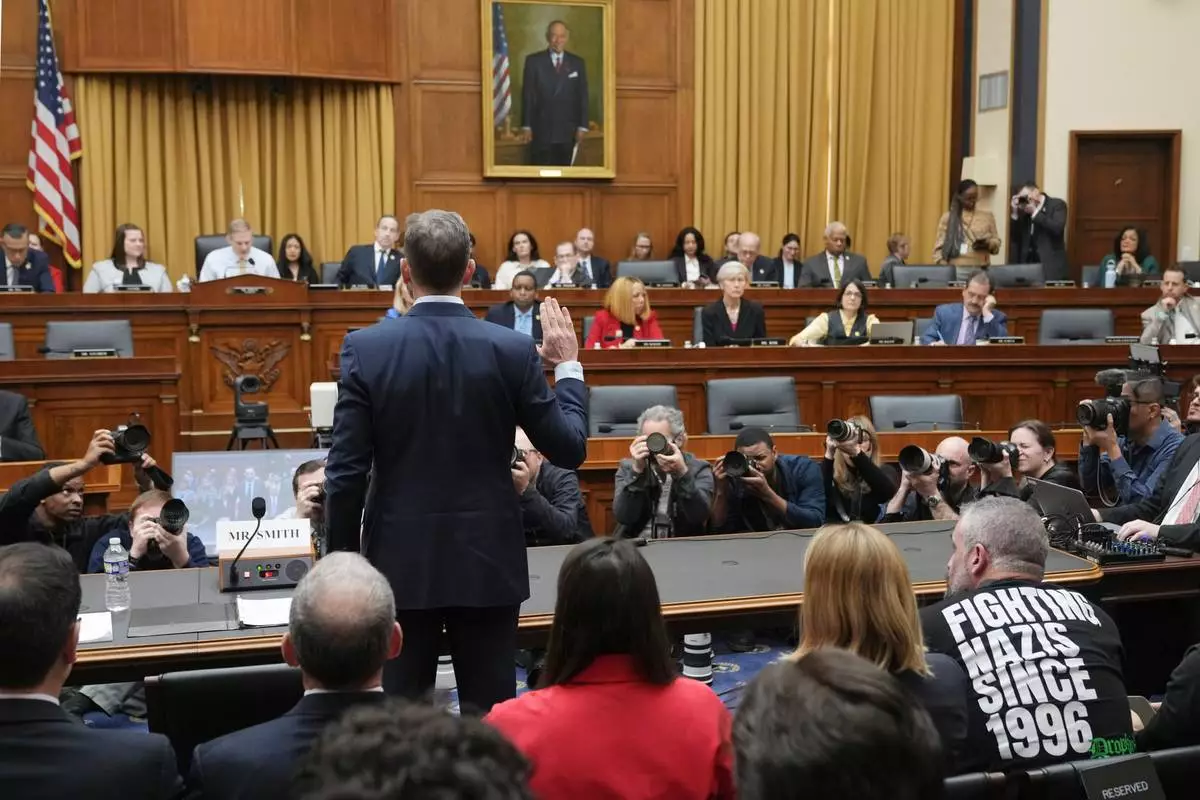
Former Justice Department special counsel Jack Smith, left standing, takes an oath before the House Judiciary Committee, as former Washington Metropolitan Police Department officer Michael Fanone, right seated, looks on, Thursday, Jan. 22, 2026 at the Capitol in Washington. (AP Photo/Jacquelyn Martin)
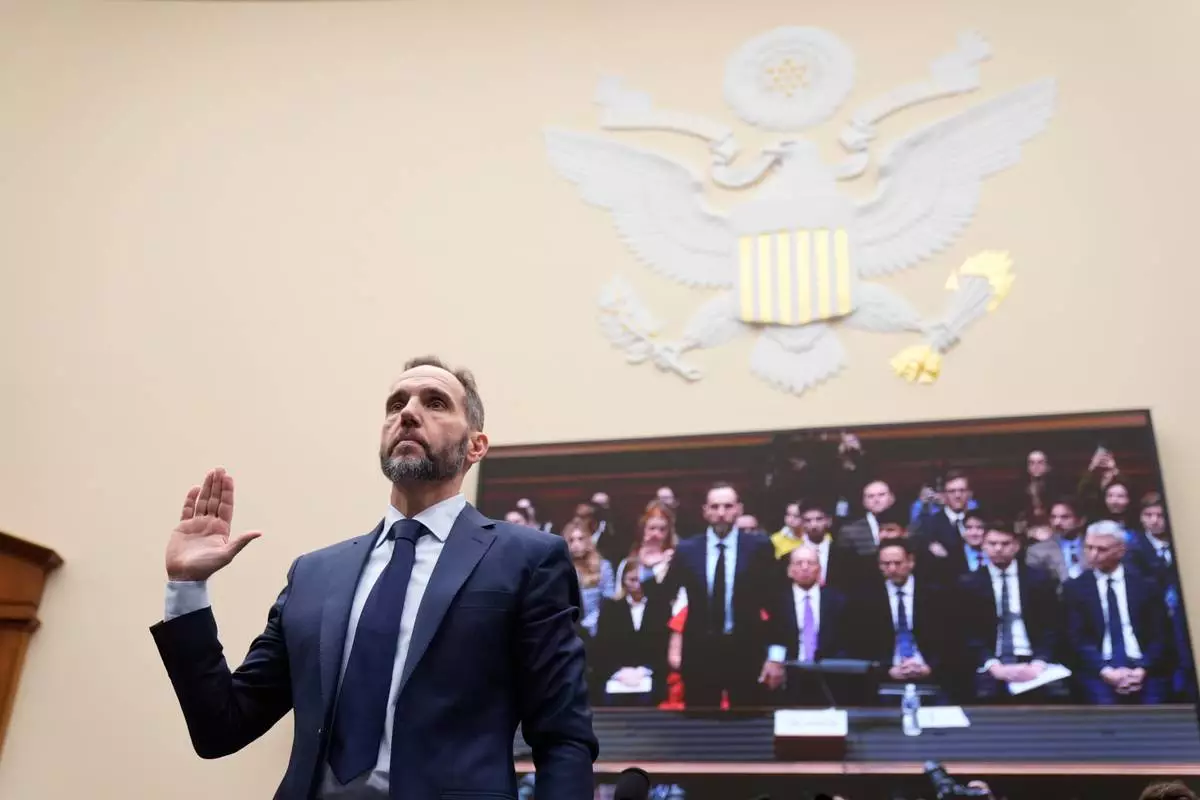
Former Justice Department special counsel Jack Smith takes an oath before the House Judiciary Committee at the Capitol in Washington, Thursday, Jan. 22, 2026. (AP Photo/Mark Schiefelbein)