World leaders and heads of international organizations voiced strong support for the keynote speeches by Chinese President Xi Jinping at the 2025 Shanghai Cooperation (SCO) Summit in north China's port city of Tianjin, hailing the Global Governance Initiative he proposed at the summit as timely and necessary.
On September 1, President Xi Jinping chaired the 25th Meeting of the Council of Heads of State of the SCO and the "SCO Plus" Meeting. In his speeches, Xi reviewed the groundbreaking achievements of the SCO over the years and proposed the Global Governance Initiative.
Xi's speeches built consensus for cooperation, inspired all parties to uphold the "Shanghai Spirit," and promoted a just and equitable global governance system and a community with a shared future for humanity, according to leaders of SCO member states and heads of international organizations.
Against the backdrop of accelerating global changes unseen in a century and profound changes in international power dynamics, President Xi's initiative was widely seen as a creative contribution based on the shared future of all countries and coordinated development of human society.
"We carefully listened to President Xi's initiative for a new, more efficient and practical system of global governance," said Russian President Vladimir Putin.
"Kyrgyzstan firmly supports President Xi's Global Governance Initiative," said Kyrgyz President Sadyr Japarov.
"We all value peace, development, and win-win cooperation," said Iranian President Masoud Pezeshkian, noting that the Global Governance Initiative is going to play a positive role in building a more just and equitable global governance system.
"President Xi's Global Governance Initiative is of strategic significance," said SCO Secretary-General Yerzhan Yermekbayev.
The initiative has received wide support among leaders at the SCO summit, and its core principles of sovereign equality, adherence to international law, multilateralism, and people-centered development fully align with the SCO's priorities, he noted.
"In a time of profound change in the global order and economy, we must reject unilateralism," said the Chairman of the Board of the Eurasian Economic Commission, Bakytzhan Sagintayev.
President Xi also called on the SCO to contribute to global peace and stability, demonstrate responsibility for open cooperation, set an example in promoting universal values, and take action to safeguard fairness and justice. He underscored the importance of upholding the correct historical perspective on World War II, defending the post-war international order, safeguarding international fairness and justice, and practicing genuine multilateralism to build a community with a shared future for humanity.
"We support further promoting the 'Shanghai Spirit,' which has become a symbol of solidarity of the international community, and the common pursuit of peace and security," said Kazakh President Kassym-Jomart Tokayev.
"In today's unstable world, unity and cohesion are our greatest strengths," said Belarusian President Alexander Lukashenko.
The SCO framework demonstrates what true multilateralism means, and the Tianjin summit itself is a vivid demonstration of the spirit of multilateralism, he added.
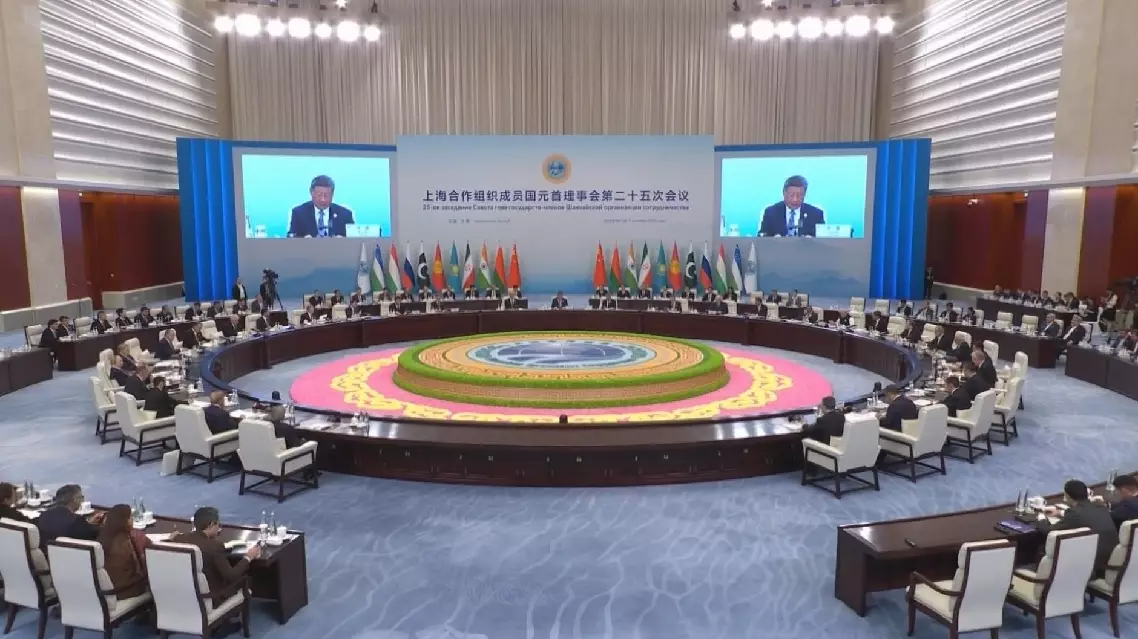
SCO leaders voice support for Xi's speeches at SCO Summit 2025, Global Governance Initiative