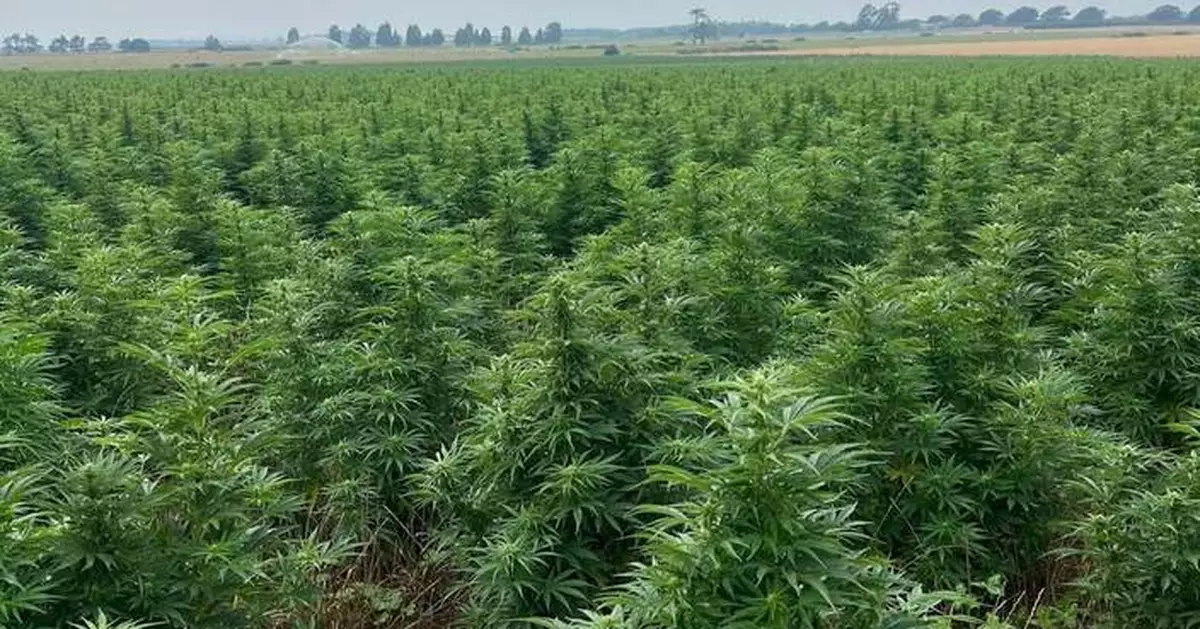
LAUNCESTON, Australia--(BUSINESS WIRE)--Sep 2, 2025--
Elevated Signals Inc., a leading provider of manufacturing software for cannabis producers, today announced that Hale Farm, a vertically integrated cannabis cultivator and processor based in Tasmania, Australia, has selected its platform to manage production, quality, and compliance. The move will help Hale Farm scale efficiently, reduce administrative work, and prepare its operations for future growth and GMP certification requirements.
This press release features multimedia. View the full release here: https://www.businesswire.com/news/home/20250902426027/en/
Founded in 2022, Hale Farm has quickly established itself as one of Australia’s most innovative licensed producers, combining large-scale outdoor cultivation with premium indoor flower and solventless concentrates. The company’s portfolio includes high-THC products and novel low-THC cannabinoid varieties such as CBG and CBDV, produced for the medical market.
As Hale Farm brings more processing capabilities in-house and increases its operational complexity, the leadership team recognized the need to replace paper-based and spreadsheet-driven record-keeping. Elevated Signals will consolidate cultivation and processing records into a single, digital system, making batch data accessible in real time and simplifying quarterly reporting to the Office of Drug Control (ODC).
“With our paper-based system, we were spending at least a day a week on manual data entry. In addition, quarterly ODC reporting would consume the best part of a week. We expect a five-times productivity saving on the reporting with Elevated Signals,” said David Grolman, Co-founder and COO of Hale Farm.
“We explored other systems, but Elevated Signals was by far the best fit. It’s flexible, easy to use, and built specifically for cannabis manufacturing. With the software in place, we’ll be able to free up our team for more valuable work and have a solid foundation for future growth. The Elevated Signals team really knows the industry, and that gave us confidence we were making the right call,” David continued.
Elevated Signals’ software is used by licensed producers in highly regulated markets worldwide to unify inventory management, batch production records, quality assurance, and compliance reporting on a single platform. Its flexibility allows businesses to tailor workflows to their operations while maintaining full traceability.
“We’re thrilled to partner with Hale Farm as they expand and lead innovation in the Australian cannabis market,” said Amar Singh, CEO of Elevated Signals. “David and his team understand the importance of building robust systems early, so they can grow efficiently, maintain product quality, and remain agile in a competitive industry.”
About Elevated Signals Inc.
Elevated Signals builds manufacturing operations software for regulated industries, including cannabis, nutraceuticals, food, and beverage. Its GMP-ready platform connects inventory, quality & compliance, planning, and costing into one easy-to-use system, empowering teams to plan smarter, act faster, and scale with confidence. Learn more at elevatedsignals.com
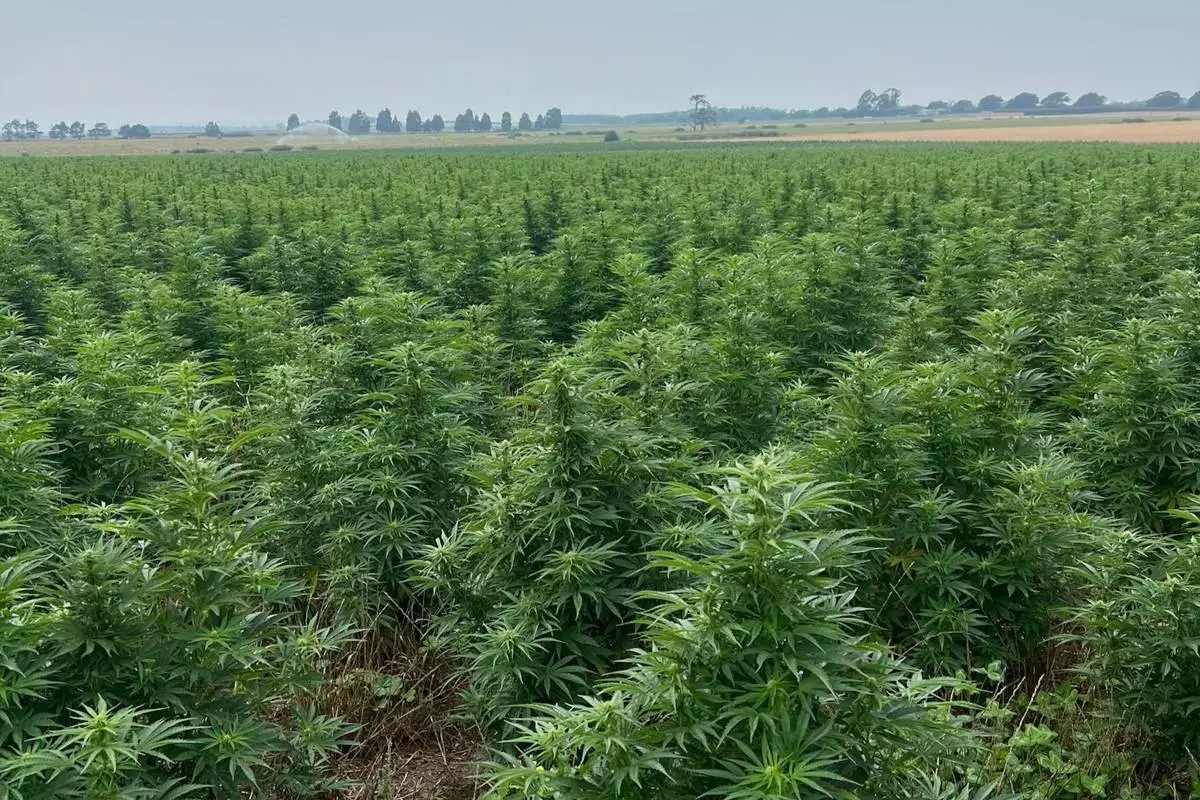
Hale Farm selects Elevated Signals manufacturing software to manage operations at its cannabis facility in Tasmania
JOHANNESBURG (AP) — Torrential rains and flooding have killed more than 100 people in South Africa, Mozambique and Zimbabwe, and authorities warned Friday that more severe weather was expected across several countries in southern Africa.
South Africa has reported at least 19 deaths in two of its northern provinces following heavy rains that began last month and led to severe flooding.
Tourists and staff members were evacuated this week by helicopter from flooded camps to other areas in the renowned Kruger National Park, which is closed to visitors while parts of it are inaccessible because of washed out roads and bridges, South Africa's national parks agency said.
In neighboring Mozambique, the Institute for Disaster Management and Risk Reduction said 103 people had died in an unusually severe rainy season since late last year. Those deaths were from various causes including electrocution from lightning strikes, drowning in floods, infrastructure collapse caused by the severe weather and cholera, the institute said.
The worst flooding in Mozambique has been in the central and southern regions, where more than 200,000 people have been affected, thousands of homes have been damaged, while tens of thousands face evacuation, the World Food Program said.
Zimbabwe’s disaster management agency said that 70 people have died and more than 1,000 homes have been destroyed in heavy rains since the beginning of the year, while infrastructure including schools, roads and bridges collapsed.
Flooding has also hit the island nation of Madagascar off the coast of Africa as well as Malawi and Zambia. Authorities in Madagascar said 11 people died in floods since late November.
The United States' Famine Early Warning System said flooding was reported or expected in at least seven southern African nations, possibly due to the presence of the La Nina weather phenomenon that can bring heavy rains to parts of southeastern Africa.
South African President Cyril Ramaphosa visited flood-stricken areas in the northern Limpopo province on Thursday and said that region had received around 400 millimeters (more than 15 inches) of rain in less than a week. He said that in one district he visited “there are 36 houses that have just been wiped away from the face of the Earth. Everything is gone ... the roofs, the walls, the fences, everything.”
The flooding occurred in the Limpopo and Mpumalanaga provinces in the north, and the South African Weather Service issued a red-level 10 alert for parts of the country for Friday, warning of more heavy rain and flooding that poses a threat to lives and could cause widespread infrastructure damage.
The huge Kruger wildlife park, which covers some 22,000 square kilometers (7,722 square miles) across the Limpopo and Mpumalanga provinces, has been impacted by severe flooding and around 600 tourists and staff members have been evacuated from camps to high-lying areas in the park, Kruger National Park spokesperson Reynold Thakhuli said.
He couldn't immediately say how many people there were in the park, which has been closed to visitors after several rivers burst their banks and flooded camps, restaurants and other areas. The parks agency said precautions were being taken and no deaths or injuries had been reported at Kruger.
The South African army sent helicopters to rescue other people trapped on the roofs of their houses or in trees in northern parts of the country, it said. An army helicopter also rescued border post officers and police officers stranded at a flooded checkpoint on the South Africa-Zimbabwe border.
Southern Africa has experienced a series of extreme weather events in recent years, including devastating cyclones and a scorching drought that caused a food crisis in parts of a region that often suffers food shortages.
The World Food Program said more than 70,000 hectares (about 173,000 acres) of crops in Mozambique, including staples such as rice and corn, have been waterlogged in the current flooding, worsening food insecurity for thousands of small-scale farmers who rely on their harvests for food.
Imray reported from Cape Town, South Africa. AP writers Charles Mangwiro in Maputo, Mozambique, and Farai Mutsaka in Harare, Zimbabwe, contributed to this report.
AP Africa news: https://apnews.com/hub/africa
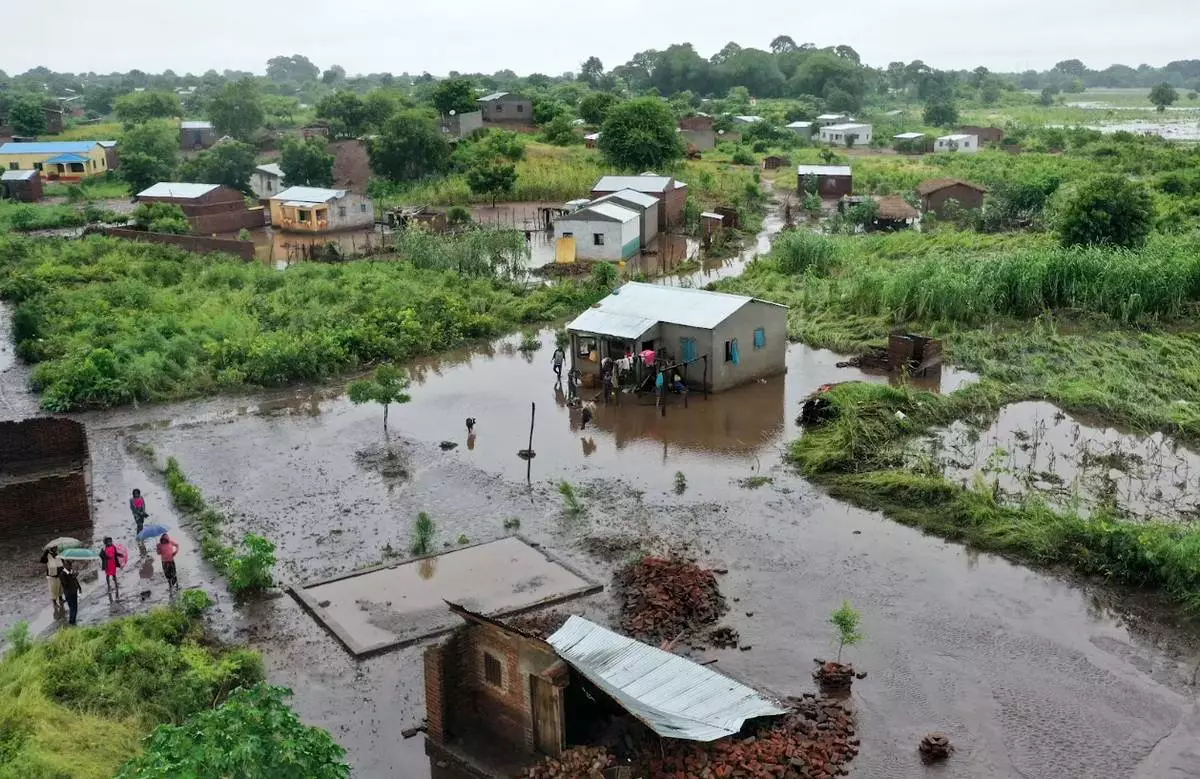
This image made from video shows the scene after flooding in Tete Province, Mozambique, Thursday, Jan. 15, 2026. (AP Photo)
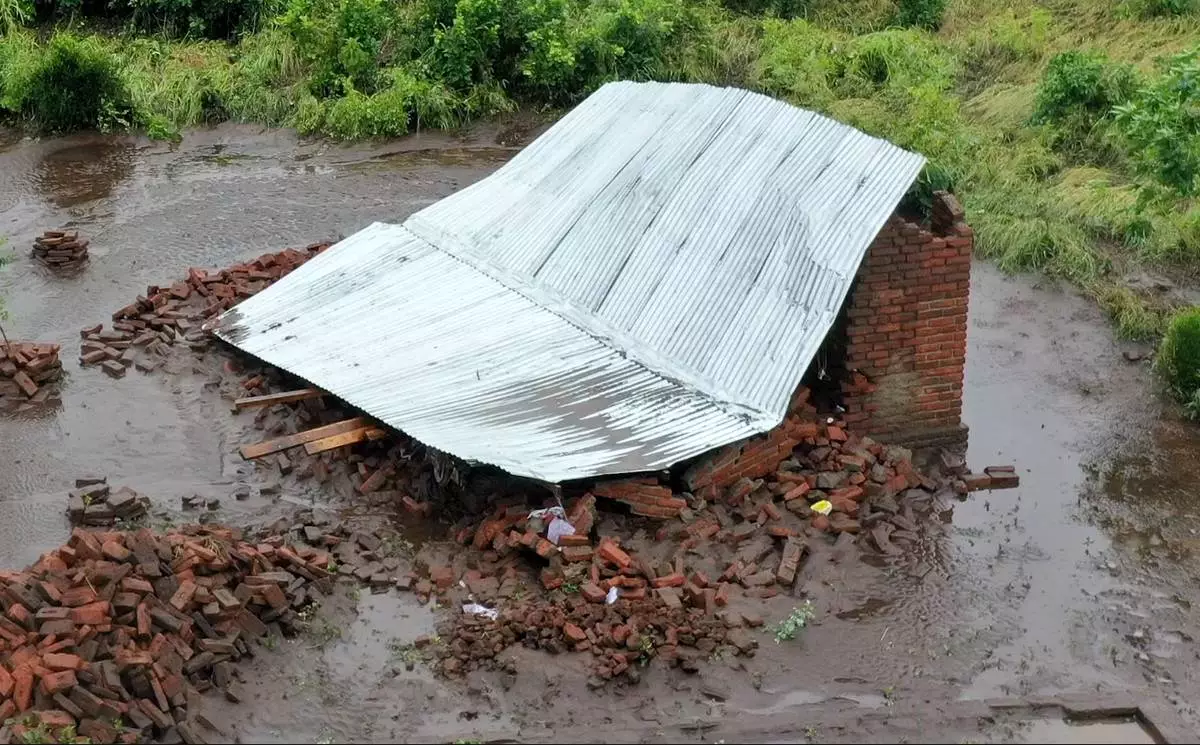
This image made from video shows the scene after flooding in Tete Province, Mozambique, Thursday, Jan. 15, 2026. (AP Photo)
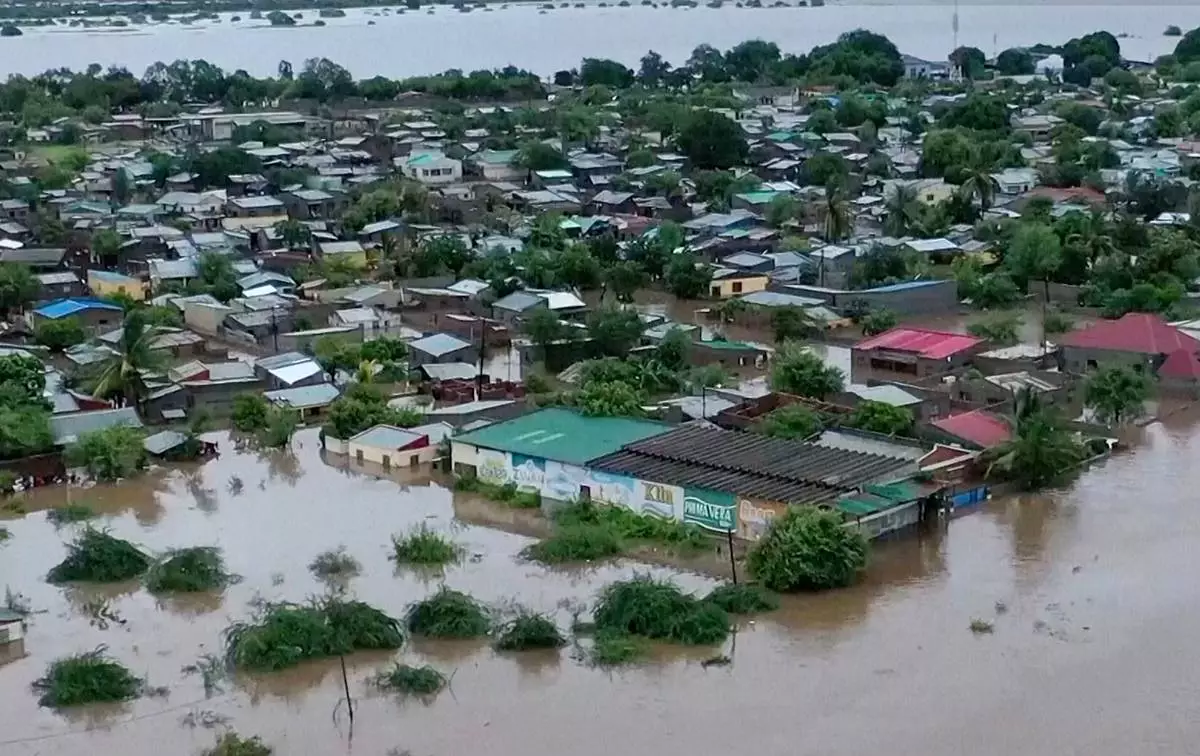
This image made from video shows the scene after flooding in Tete Province, Mozambique, Thursday, Jan. 15, 2026. (AP Photo)