The China Automotive Engineering Research Institute (CAERI) has unveiled a new smart driving pyramid evaluation system, the country's first comprehensive framework on scientifically grading intelligent driving capabilities, providing a multidimensional assessment reference for the industry.
The framework divides smart driving maturity into three levels: safety baseline, comprehensive excellence, and top-tier intelligence.
The safety baseline emphasizes regulatory compliance and international testing standards to ensure fundamental functionality. The comprehensive excellence level evaluates user-friendliness by simulating typical daily driving scenarios across closed testing grounds and open roads. The top-tier intelligence level raises the bar further, testing vehicles under extreme and complex edge cases to measure human-like decision-making ability.
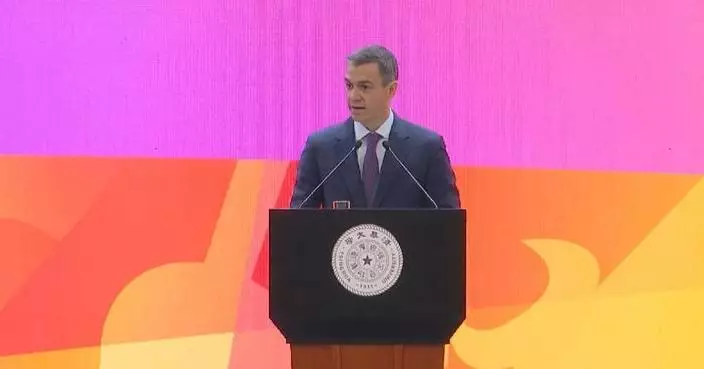
"This system is supported by more than a decade of data from evaluations of over 100 vehicle models. It has filled a gap in China's smart driving industry by providing a graded evaluation system that helps companies improve development while also addressing consumers' difficulties in choosing vehicles," said Li Chaobin, director of the Intelligent Connected Vehicle Evaluation Research Center of the CAERI.
Developed jointly by 14 industry partners, the system has already been applied in product development by multiple Chinese automakers. More than 100 mainstream models have undergone assessment, with average scores improving by over 20 percent compared with that three years ago.
Alongside the evaluation system, CAERI also released two technical roadmaps: the intelligent cockpit testing technology roadmap and the intelligent safety testing technology roadmap. These roadmaps chart a development path for 2026–2030, offering foundational methods for safety testing of intelligent connected vehicles.
"We pioneered the 'Six-Dimensional Safety' model, creating risk matrices for environmental interference, traffic interference, and human-machine interaction, along with a testing framework covering 34 driving scenario," said Wu Chao, deputy chief engineer of the National Intelligent Connected Vehicle Quality Inspection and Testing Center.
Experts believe the roadmaps will guide industry innovation and promote the healthy development of intelligent connected vehicles. For consumers, the system provides greater transparency on safety parameters, helping them make more informed car-buying decisions.
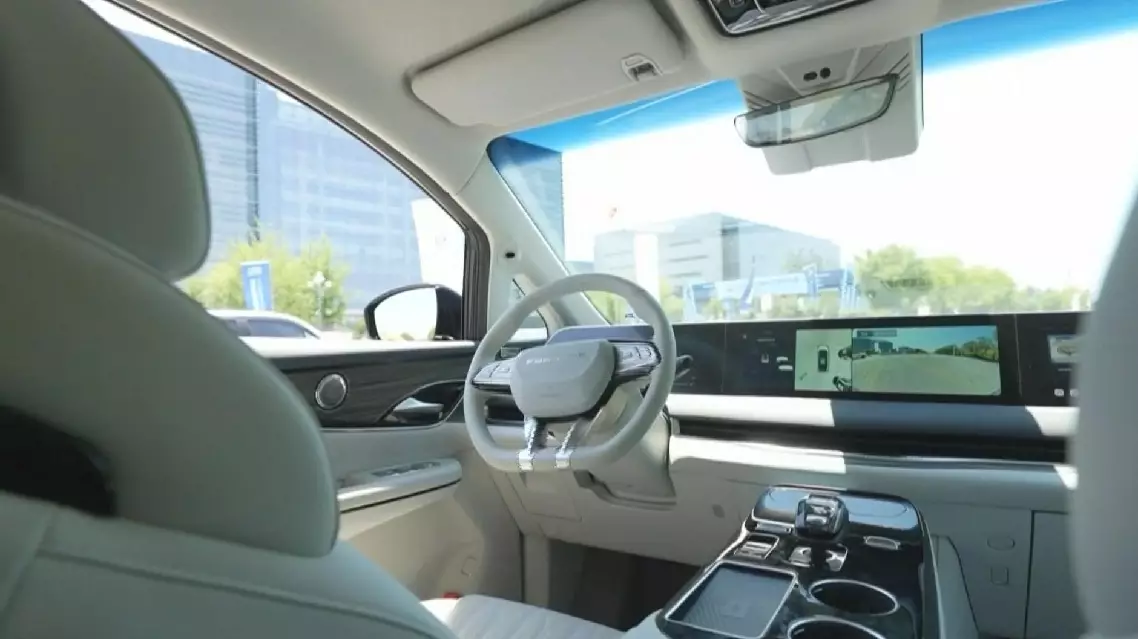
China unveils graded smart driving evaluation system
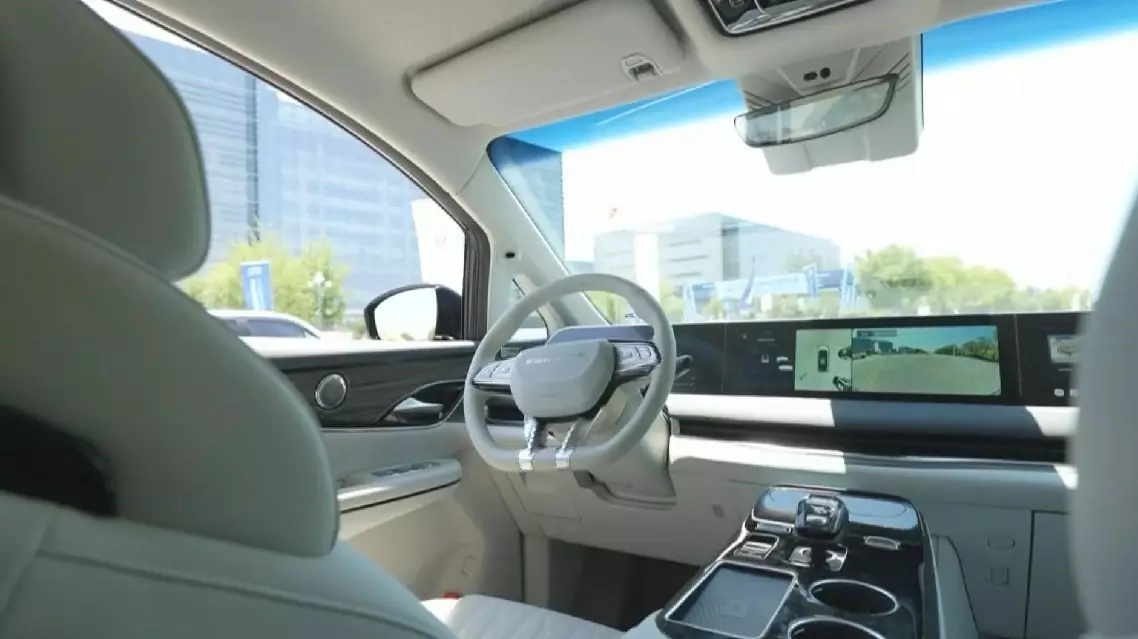
China unveils graded smart driving evaluation system
Artists have reimagined ancient themes through a modern lens at the 60th Venice Biennale China National Pavilion Exhibition, now underway in Shanghai.
The main feature of the exhibition is a fully immersive project by artist Che Jianquan, who has placed consecutive screens placed side by side to present his two-decade-long documentation of the same pavilion since 2003.
Through his lens, the artist captures the pavilion, as it emerges and disappears amidst mist and clouds, evoking the aesthetic of misty landscapes in traditional Chinese ink paintings.
"At the beginning, I wanted to use painting to document my feeling, but later I realized that painting was somewhat powerless. So, starting in 2003, I began using the earliest video equipment to start recording. What I care about more is a place—a very small location—and the unique connection it has within that field to history and to the culture of that region. I think this is something I hope to achieve: through a seemingly ordinary scene, to uncover the stories behind it, as well as its possible influence on both the past era and the present," said Chen.
Established in 1895, the Venice Biennale is one of the premier events in the global art world. This year, the China National Pavilion Exhibition, under the theme "Atlas: Harmony in Diversity," presents not only the documentary archives of 100 Chinese paintings held overseas, but also seven contemporary artworks created by seven Chinese artists exploring themes, such as architecture, landscapes, figures, flora and fauna.
"The core of the Venice Biennale is contemporary art, reflecting the spirit of the present era—yet the present and history cannot be separated. This exhibition is rooted in the tradition of Chinese painting across dynasties, drawing from over 20,000 individual works that took us twenty years to collect globally," said Wang Xiaosong, an artist and the curator of the exhibition.
"Notably, we discovered that more than 3,000 of these paintings had been lost overseas, which we spent two decades retrieving through digital tools. This is how we engage with traditional art: through each artist's reflection and a new understanding of the relationship between the ancients, the present, and the future," he added.
Wang drew special attention to a piece by the modern artist Qiu Zhenzhong, who he said merges the art of Chinese gardens with calligraphy using traditional methods to showcase contemporary issues such as environmental and ecological change.
"It's like a dialogue with nature," Wang said.
The exhibition in Shanghai is the final stop of the national tour, following the legs in the southwest Chinese city of Chongqing and the southern Chinese city of Guangzhou, and will run until May 31.
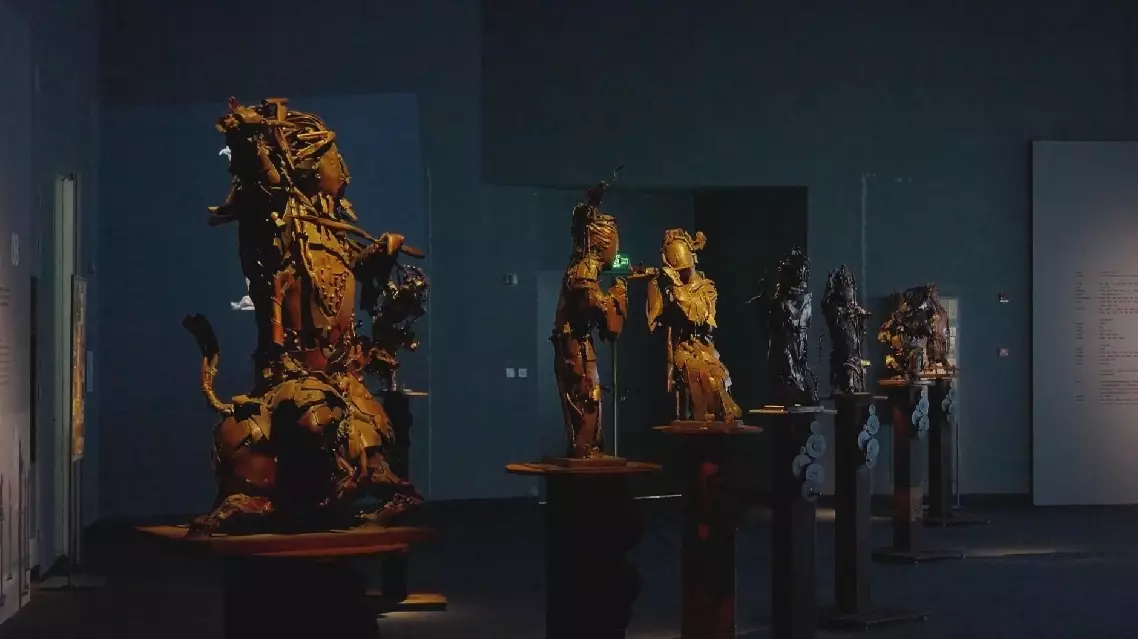
Exhibition in Shanghai bridges contemporary art with centuries of Chinese artistic tradition