The ports of Los Angeles and Long Beach broke a century-old record in July, handling over one million containers as retailers rushed to import goods ahead of looming tariff hikes.
At a recent summit on global supply chains in California, top executives gathered to discuss how trade might evolve under the pressure of new tariffs.
In an exclusive interview with China Global Television Network (CGTN), a senior official from the largest U.S. seaport explained how the recent surge in cargo volumes could reshape both the port’s future and the regional economy.
Container traffic may be rising at the twin ports, but the growth is driven less by organic demand and more by urgency.
"I believe that a significant part of our cargo volumes has been an effort by the shippers to get their products in ahead of tariffs. There's no question that there's a lot of front-loading that has happened. It started last year and it will continue until there's resolution on the tariff discussions," said Noel Hacegaba, Chief Operating Officer of Port of Long Beach.
The twin ports of Los Angeles and Long Beach set a historic milestone in July, moving over one million containers in a single month for the first time in their 117-year history, as businesses rushed to import goods ahead of new tariffs on Chinese products.
But in light of great uncertainty spurred by trade disputes, there's only so much planning businesses can do.
"There is a lot of work and efforts being put in, and I think how do we continue to foster that mindset. Yes, there are disruptions, the trade talks, the trade disruption sounds overwhelming, but we need look beyond those and say, how do stay agile, how do we stay resilient, and how do we stay sustainable?," said Nick Vyas, Professor and Executive Director of USC Marshall Center for Global Supply Chain Management.
Processing nearly 40 percent of all imported goods coming into the U.S., the nation's largest port is compelled to invest more in order to keep its competitive edge.
Even in the face of potentially unprecedented tariffs taking effect, port officials remain optimistic, while acknowledging the high stakes for a trade decline on the local economy.
"The Port of Long Beach is a massive economic agent. We just did our economic impact analysis. The Port of Long Beach alone generates nearly three million jobs across Southern California and over three million jobs across the nation. Goods movement is literally the economy in motion. So as cargo crosses our docks, we continue to keep the economy moving," said Hacegaba.
That caution reflects broader anxieties across the industry. Even as cargo surges, new tariffs, shifting trade routes, and evolving consumer demand threaten to upend long-term growth for U.S. ports.
The ports of Los Angeles and Long Beach handle billions in goods every year. But with tariffs and new trade routes pulling shipments away, the stakes aren't just about port rankings, they are about thousands of local jobs and the health of the region's economy.
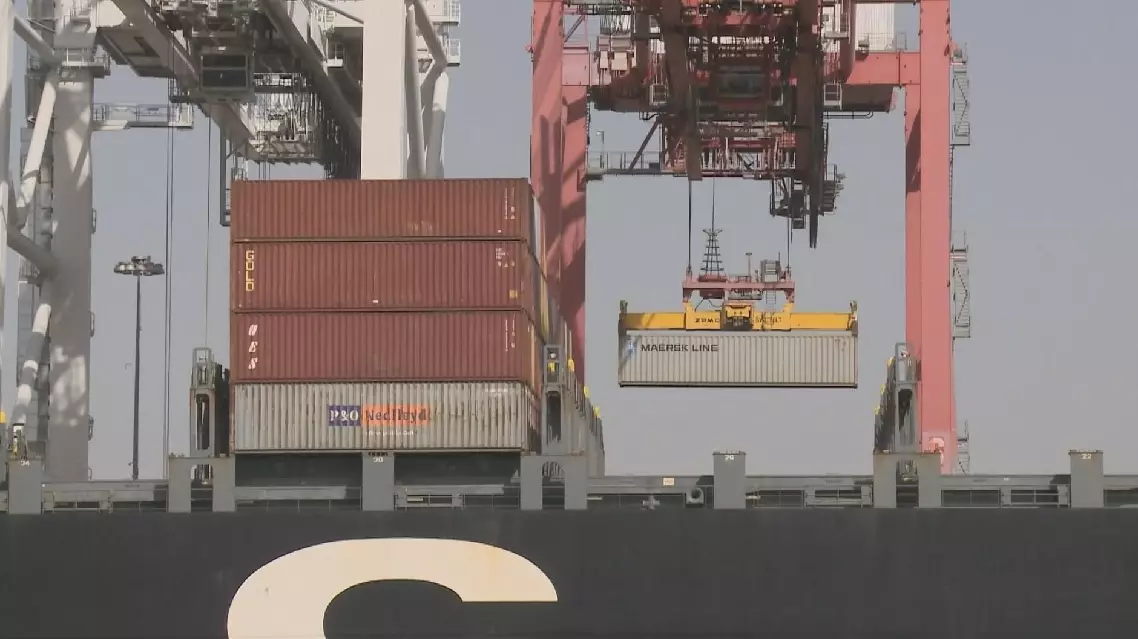
California ports see container surge as retailers rush to beat tariff hikes
California ports see container surge as retailers rush to beat tariff hikes